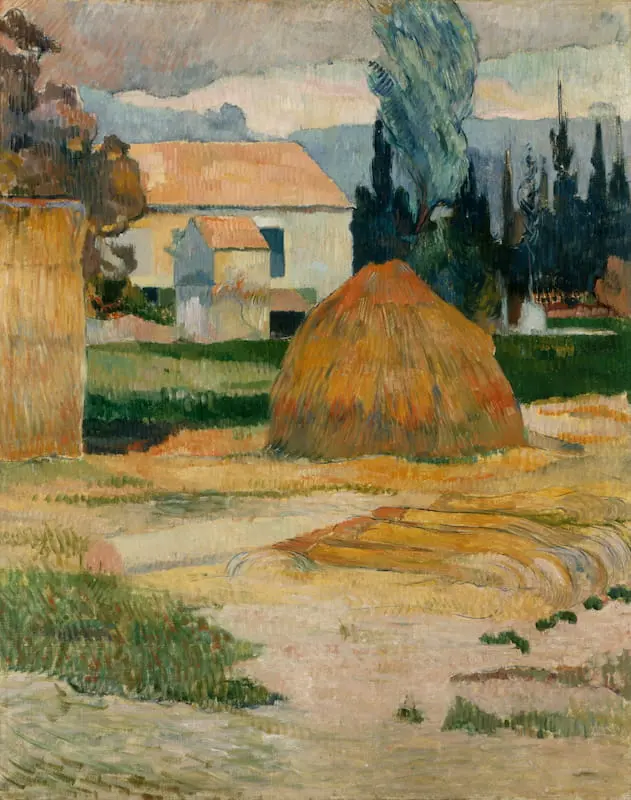
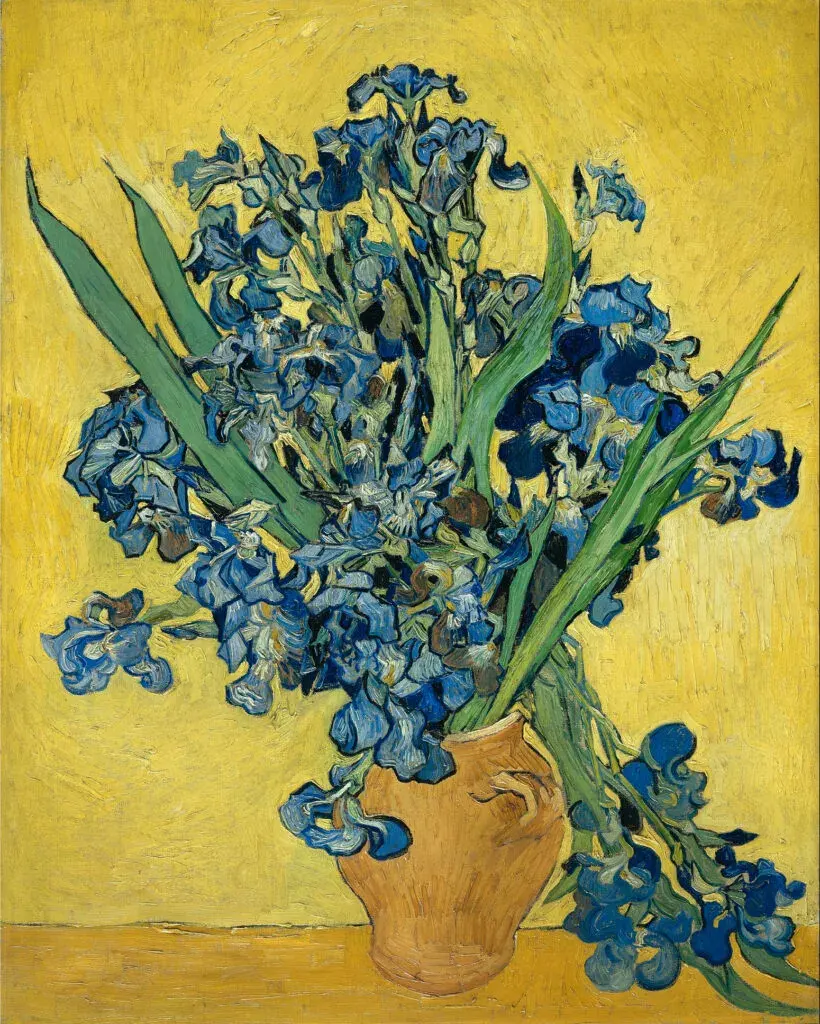
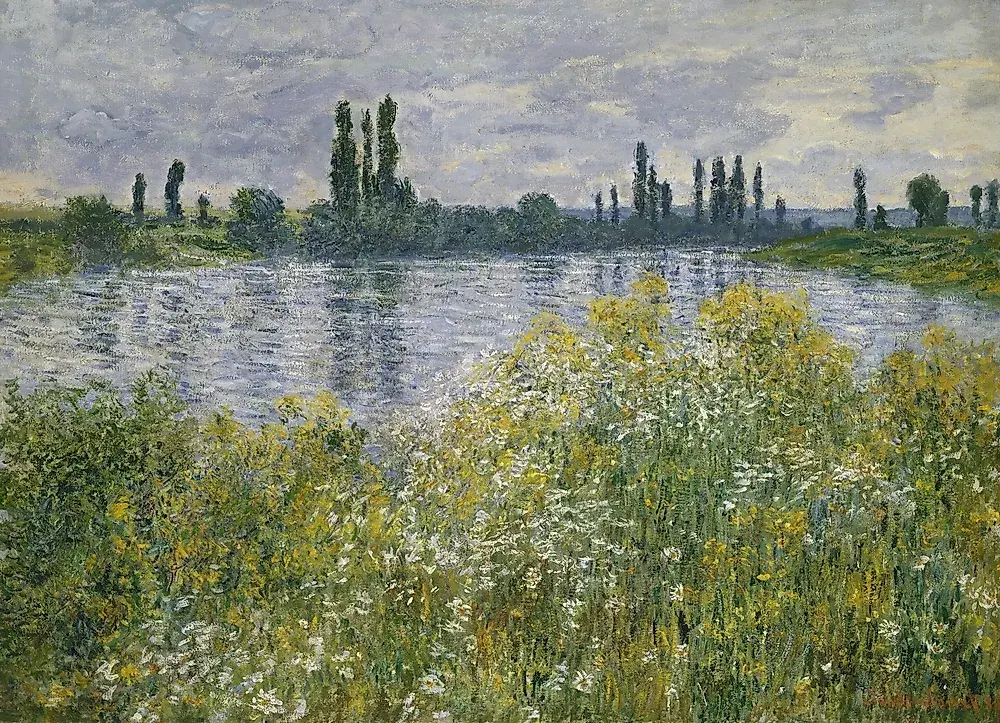
What is Post-Impressionism?
Short answer
Post-Impressionism is an art movement spanning roughly 1886 to 1905 that emerged as a reaction against Impressionism. Artists moved beyond capturing fleeting light to emphasize geometric forms, distorted shapes, and expressive, symbolic colors. This shift paved the way for modern art styles like Cubism, Fauvism, and Expressionism by prioritizing subjective vision.
On this page
What defines the Post-Impressionist style?
Post-Impressionism is not a unified style but rather a collective term for diverse artists who sought to move past the limitations of Impressionism. While Impressionists focused on the objective recording of light and atmosphere, Post-Impressionists emphasized the artist's internal world. They rejected the idea that art should merely mirror nature, opting instead for structural stability and emotional resonance.
Key characteristics that define this period include:
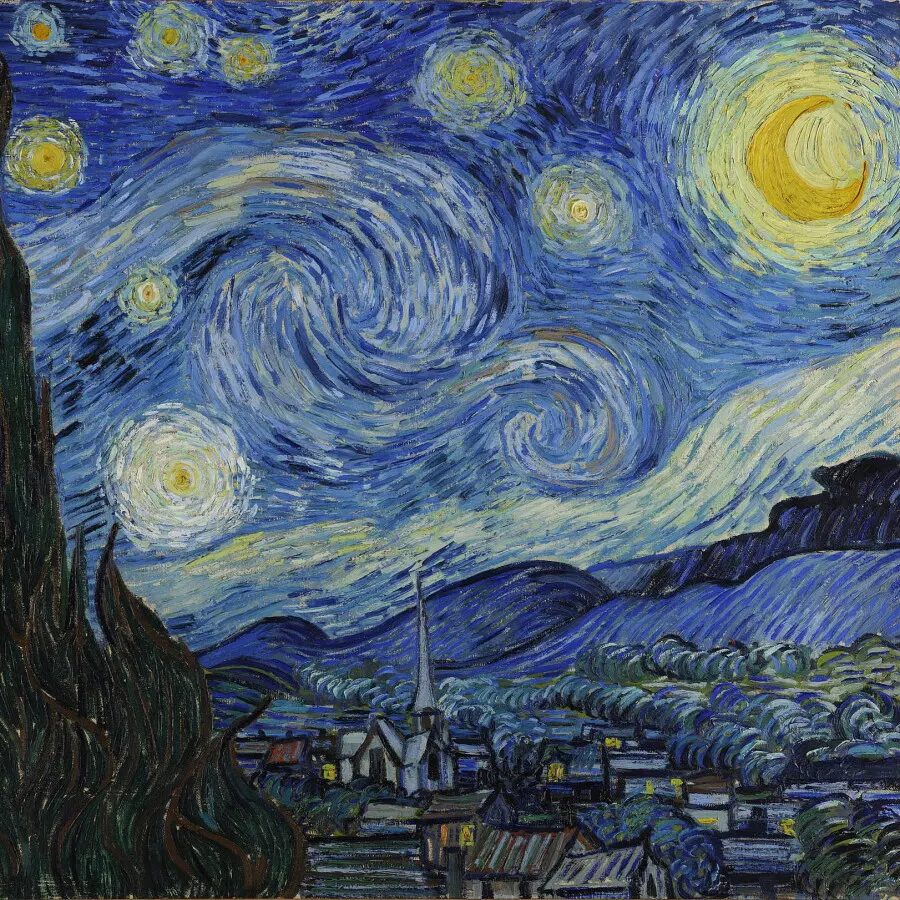
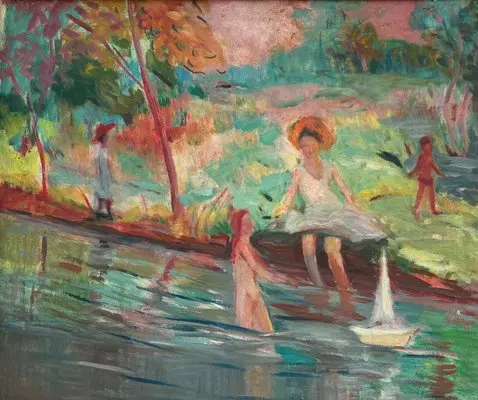
- The use of vivid, non-naturalistic colors to convey mood rather than reality.
- A focus on geometric patterns and simplified forms to create a sense of order.
- Thick, visible brushstrokes that emphasize the physical texture of the paint.
- Symbolic content that often reflects the artist’s personal psychological state.
By abandoning the strict adherence to optical realism, these artists transformed the canvas into a space for personal expression. This departure allowed for the experimentation that would eventually define the avant-garde movements of the early 20th century, fundamentally changing how viewers interact with painted images.
Who were the key Post-Impressionist artists?
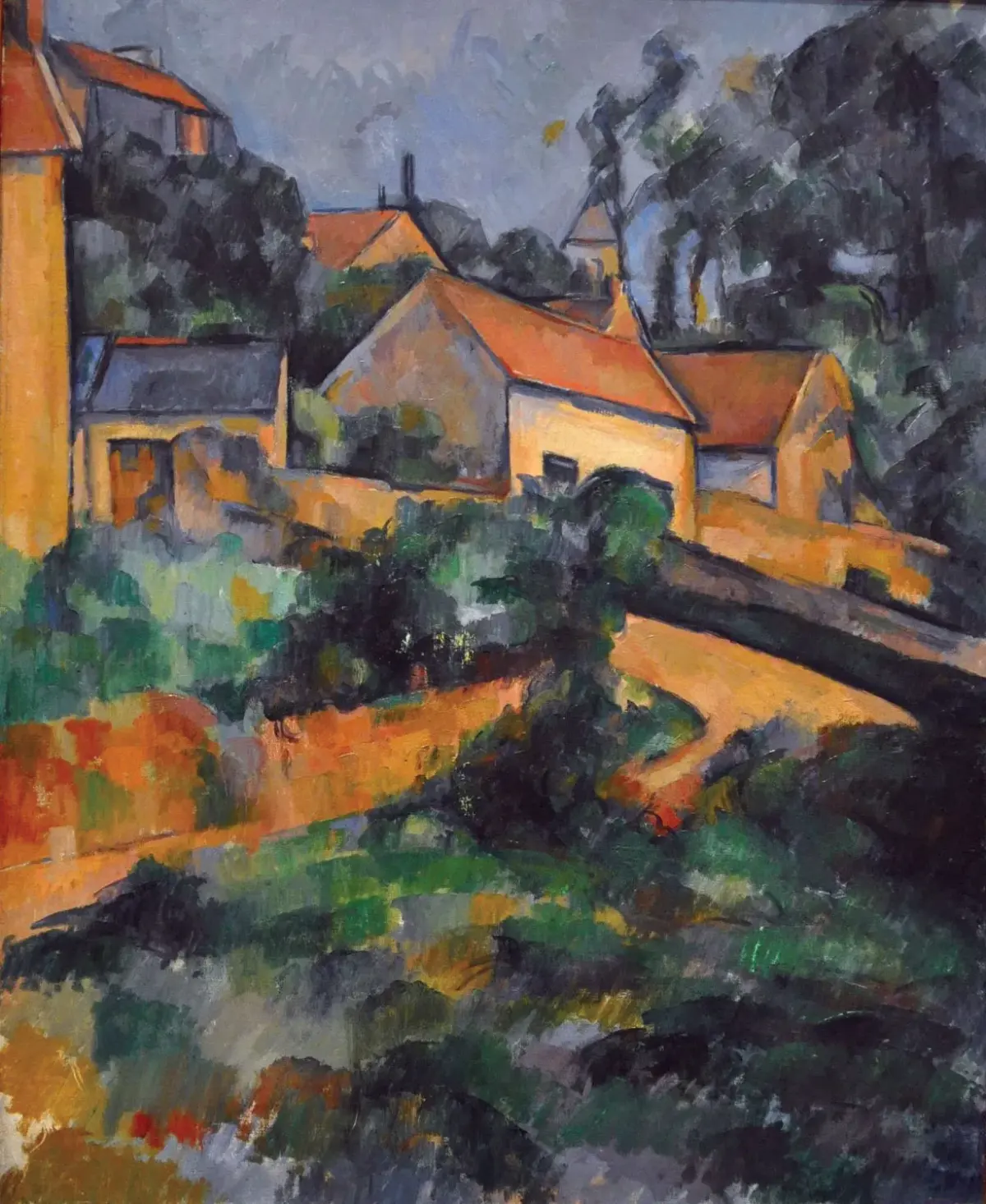
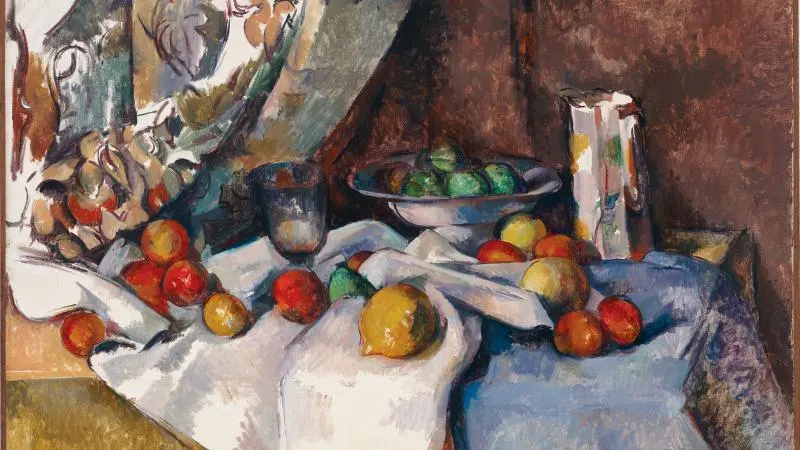
Four major figures dominate the history of Post-Impressionism, each contributing a unique philosophy to the movement. Paul Cézanne is often called the father of modern art for his focus on the underlying structure of nature, reducing landscapes to cylinders, spheres, and cones. Vincent van Gogh utilized swirling, emotive brushwork and bold colors to express his intense psychological distress and spiritual fervor.
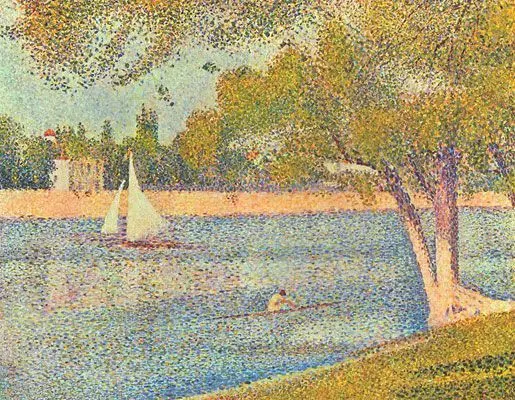
Paul Gauguin sought a more primitive, spiritual aesthetic, moving to Tahiti to escape the industrialization of Europe. Georges Seurat introduced Pointillism, a scientific approach to painting that utilized tiny, distinct dots of color to create a cohesive image from a distance. These artists worked largely independently, yet their collective influence reshaped the trajectory of Western art history.
- Paul Cézanne: Pioneered the structural analysis of form.
- Vincent van Gogh: Prioritized emotional expression through color.
- Paul Gauguin: Championed symbolism and exotic, non-Western themes.
- Georges Seurat: Developed the methodical technique of Pointillism.
How to identify Post-Impressionist paintings?
Identifying a Post-Impressionist work requires looking beyond the subject matter to the artist's specific technique. If a painting features a recognizable scene—such as a café, a field, or a portrait—but uses colors that do not appear in nature, it is likely a Post-Impressionist piece. Look for a deliberate, almost architectural arrangement of objects rather than the hazy, soft-focus quality typical of earlier Impressionist works.
When examining a piece, ask yourself if the artist is trying to capture a moment in time or express a feeling. If the brushwork is heavy, rhythmic, or organized into a grid-like pattern, the artist is likely focusing on the composition's structure. These works often feel more "constructed" than their predecessors. By focusing on the interplay between color and shape, you can distinguish these works from the more spontaneous, light-drenched canvases of Claude Monet or Pierre-Auguste Renoir.
Why did the movement happen when it did?
The rise of Post-Impressionism was a direct response to the rapid industrialization and scientific advancements of the late 19th century. As photography became more accessible, artists felt that the traditional role of painting as a representational tool was becoming obsolete. They sought to reclaim the medium by asserting that art should be an interpretation of reality rather than a mechanical reproduction of it.
Furthermore, the movement reflected a growing disillusionment with modern urban life. Artists were increasingly drawn to the "primitive," the spiritual, and the subconscious. This shift was fueled by the availability of new, synthetic pigments that allowed for brighter, more intense colors, as well as an increased interest in Japanese woodblock prints, which emphasized flat planes and bold outlines. This historical convergence of technology, philosophy, and global artistic exchange provided the perfect environment for these artists to break away from traditional academic constraints and explore radical new ways of seeing.
Common mistakes when studying Post-Impressionism
One common mistake is grouping Post-Impressionism with Impressionism as if they share the same goals. While they are chronologically linked, their intentions are fundamentally different. Impressionists were concerned with the "how" of vision—the physics of light—whereas Post-Impressionists were concerned with the "why"—the emotional or structural meaning of the subject. Failing to distinguish between these two motivations leads to a misunderstanding of the movement’s significance.
Another error is assuming that all Post-Impressionists worked in the same location or as a single school. In reality, these artists were often isolated, working in different regions of France or abroad. They did not share a manifesto or a cohesive set of rules, which is why their styles vary so dramatically. To truly appreciate the movement, one must examine each artist's individual contribution rather than looking for a standardized "Post-Impressionist look." By avoiding these generalizations, you gain a clearer understanding of how these individuals dismantled traditional art forms to build the foundation for the modern era.
Key facts
- Post-Impressionism emerged in France between 1886 and 1905 as a reaction against the limitations of Impressionism.
- Unlike Impressionists who focused on capturing fleeting light, Post-Impressionists emphasized geometric forms, distorted shapes, and expressive colors.
- Paul Cézanne, Vincent van Gogh, Paul Gauguin, and Georges Seurat are considered the four primary pillars of the movement.
- Artists often used "arbitrary color," meaning they chose hues for emotional impact rather than to depict how an object appeared in nature.
- To identify a Post-Impressionist work, look for thick paint application (impasto), bold outlines, or systematic dotting patterns known as pointillism.
- Avoid confusing this movement with a single unified style; it was a loose collection of individual artists who shared a desire to move beyond realism.
The bottom line
Post-Impressionism represents a pivotal shift in art history, moving away from simple observation toward personal expression and structural experimentation. By prioritizing emotional intensity and abstract form over realistic depiction, artists like Van Gogh and Cézanne transformed the canvas into a vehicle for the human psyche. This movement effectively dismantled the rules of traditional painting, paving the way for the radical artistic innovations of the twentieth century.
People also ask
How does Post-Impressionism differ from Impressionism?
Impressionism focused on the objective recording of light and atmosphere in a specific moment. Post-Impressionism shifted the focus toward the artist's subjective experience, structure, and symbolic meaning.
Did Post-Impressionists work together as a formal group?
No, they did not form a cohesive school or share a manifesto. They were largely independent artists who developed distinct styles while pushing back against the constraints of previous art movements.
Why is Paul Cézanne called the "father of modern art"?
He broke down complex subjects into basic geometric shapes like cylinders, spheres, and cones. This approach directly influenced the development of Cubism and abstract art in the 20th century.
What is the significance of pointillism?
Pioneered by Georges Seurat, this technique involves applying small, distinct dots of color to a canvas. The viewer’s eye blends these dots from a distance to create a vibrant, cohesive image.
Was Post-Impressionism popular during its time?
Most of these artists struggled to find commercial success or critical acclaim during their lifetimes. Their work was often rejected by the traditional salons and only gained widespread recognition posthumously.
How can I interpret a Post-Impressionist painting?
Focus on how the colors and brushstrokes make you feel rather than how realistic the scene looks. Consider the artist's intent to express an inner psychological state or a specific symbolic idea.
This answer was created with the help of AI research tools and reference sources. Spotted an error? Let us know — we correct mistakes quickly. See our editorial policy.