What is Coast Salish art?
Short answer
Coast Salish art is a distinct visual tradition originating from the Indigenous peoples of the Pacific Northwest, spanning coastal British Columbia and Washington State. It is characterized by minimalist, geometric designs, including crescents, trigons, and ovals. Unlike other Northwest Coast styles, it emphasizes spiritual connection, ancestral history, and subtle, fluid iconography.
On this page
What defines Coast Salish artistic style?
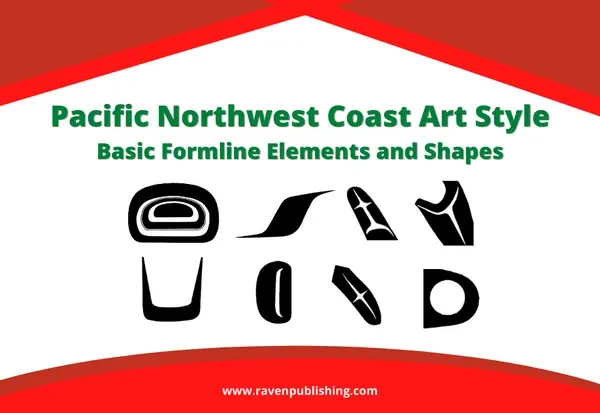
Coast Salish art is defined by a unique design vocabulary that prioritizes negative space and specific geometric shapes. While many people confuse it with the highly stylized "formline" art of northern groups like the Haida or Tlingit, Coast Salish work is distinctly different. It relies on a more restrained aesthetic that emphasizes the relationship between the figure and the background.
The core elements of this tradition include the crescent, the trigon (a three-sided shape), and the oval. These shapes are often arranged in symmetrical or rhythmic patterns that represent ancestral beings, spirit helpers, or animals significant to the Salish people. The style is deeply rooted in the concept of "sxwōxwiyam," which refers to the sacred stories and histories passed down through generations. By focusing on these specific motifs, artists maintain a visual language that honors their specific cultural heritage and territorial identity.
How do artists create Coast Salish carvings?
Traditional Coast Salish carving focuses heavily on cedar, a material central to the spiritual and physical life of the region. Artists typically use specialized hand tools, such as adzes and crooked knives, to shape the wood. The process is meditative and requires a deep understanding of the wood’s grain and natural properties.
- Select a piece of red or yellow cedar, ensuring it is properly seasoned to prevent future cracking.
- Sketch the design directly onto the wood, focusing on the balance between positive forms and negative space.
- Use an adze to remove large sections of material, establishing the primary depth of the carving.
- Refine the details using smaller knives to create the characteristic crescents and trigons.
- Sand the surface smooth, then apply traditional pigments or natural oils to protect the wood.
This process is not merely about decoration; it is an act of storytelling. Every cut is intended to breathe life into the wood, connecting the artist to their ancestors and the natural world.
Why is Coast Salish art spiritually significant?
For the Coast Salish people, art is an extension of their worldview and spiritual practice. Many pieces, such as house posts, spindle whorls, and ceremonial masks, were created for specific rituals or to mark significant life events. These objects serve as vessels for ancestral power, acting as a bridge between the physical and spirit realms.
The spindle whorl is perhaps the most iconic example of this spiritual function. Historically used to spin mountain goat wool for blankets, these circular wooden disks were often carved with intricate designs representing the weaver’s spirit helpers. The act of spinning was considered a sacred process, and the imagery on the whorl was believed to imbue the resulting textile with protective energy. Today, contemporary artists continue to use these traditional forms to assert their identity, resist cultural erasure, and maintain a living connection to the teachings of their elders.
What are the common mistakes when identifying Coast Salish art?
A frequent error is assuming that all Northwest Coast Indigenous art follows the same rules. Many observers mistakenly label any carving from the Pacific Northwest as "Totem Pole art," ignoring the fact that Coast Salish people traditionally utilized house posts rather than freestanding totem poles. Confusing these regional styles leads to a misunderstanding of the diverse cultures present in the region.
- Assuming all Northwest Coast art uses the same color palette (red, black, and white).
- Overlooking the importance of negative space, which is a hallmark of Salish design.
- Mistaking modern commercial souvenirs for authentic, community-sanctioned cultural expressions.
- Failing to recognize that Coast Salish art is a living, evolving tradition rather than a static historical artifact.
To avoid these pitfalls, look for the subtle, fluid geometry characteristic of the Salish style. Researching the specific nation—such as the Musqueam, Squamish, or Tsleil-Waututh—can provide necessary context for the work you are observing.
Where can you see authentic Coast Salish art today?
The best way to appreciate this art is by visiting cultural centers and museums that work directly with Coast Salish communities. Institutions like the Museum of Anthropology at UBC in Vancouver or the Burke Museum in Seattle house extensive collections that highlight the history and ongoing innovation of Salish artists. These spaces provide the necessary context to understand the evolution of the craft.
Engaging with the art in a respectful manner involves recognizing the artists who are currently working to revitalize these traditions. Many contemporary artists display their work in public galleries, community centers, and through digital platforms. When purchasing art, always look for pieces that are clearly attributed to a specific artist or community. Supporting authentic work ensures that the knowledge, skills, and spiritual integrity of the Coast Salish people are preserved for future generations. By prioritizing direct engagement with the creators, you contribute to the sustainability of a profound and enduring artistic legacy that continues to define the cultural landscape of the Pacific Northwest.
Key facts
- Coast Salish art is defined by the "trigon," a geometric shape resembling a triangle with curved sides, which serves as the fundamental building block of the style.
- Unlike the formline art of northern coastal nations, Coast Salish design relies heavily on negative space and the interplay between the crescent and the trigon.
- Traditional mediums include carved red or yellow cedar, mountain goat wool, and spindle whorls, which were historically used for spinning wool for blankets.
- The aesthetic is often described as minimalist and rhythmic, focusing on the balance between positive and negative space rather than dense, interlocking patterns.
- Contemporary Coast Salish artists, such as Susan Point, have successfully revitalized the tradition by applying ancient design principles to modern materials like glass, bronze, and steel.
- When identifying authentic pieces, look for the specific use of the crescent and trigon shapes rather than the ovoids and U-forms characteristic of Haida or Tlingit art.
The bottom line
Coast Salish art is a distinct, sophisticated visual language rooted in the Pacific Northwest, characterized by its elegant use of negative space, crescents, and trigons. By balancing ancient geometric principles with contemporary innovation, artists preserve the cultural identity of their nations. Whether expressed through traditional cedar carving or modern digital media, this art form remains a vital, evolving testament to the enduring heritage of the Salish people.
People also ask
How does Coast Salish art differ from other Pacific Northwest Indigenous art?
While northern styles like Haida or Tlingit art use complex, interlocking formlines and ovoids, Coast Salish art is characterized by a more open, minimalist aesthetic. It emphasizes the use of the trigon and crescent shapes arranged in rhythmic, flowing patterns.
What is a spindle whorl and why is it important in this art form?
A spindle whorl is a circular wooden disk used to spin wool from mountain goats or dogs. In Coast Salish culture, these tools were often intricately carved with designs representing family crests or spiritual beings, making them significant artistic canvases.
Who are some famous contemporary Coast Salish artists?
Susan Point is perhaps the most internationally recognized Coast Salish artist, known for her large-scale public installations. Other notable figures include Joe Becker, Debra Sparrow, and Maynard Johnny Jr., who continue to push the boundaries of the traditional style.
Are Coast Salish designs protected by copyright?
Many Coast Salish designs are considered intellectual and cultural property of specific families or nations. While individual works are protected by modern copyright law, the traditional motifs are often governed by protocols that dictate who has the right to use certain crests.
Can I buy authentic Coast Salish art online?
Yes, but you must ensure the artist is a recognized member of a Coast Salish nation. Look for certificates of authenticity and purchase directly from reputable Indigenous-owned galleries or the artists' own websites to ensure ethical support.
What are the most common materials used in traditional Coast Salish carving?
Western red cedar is the primary material for large-scale carvings like house posts and canoes. For smaller items, artists historically utilized yellow cedar, mountain goat wool, and various natural pigments derived from minerals and plants.
This answer was created with the help of AI research tools and reference sources. Spotted an error? Let us know — we correct mistakes quickly. See our editorial policy.