What is Haida art?
Short answer
Haida art is the sophisticated visual tradition of the Haida people, Indigenous inhabitants of Haida Gwaii. It is defined by distinctive formline design, bilateral symmetry, and stylized depictions of crest animals. Historically carved from cedar and slate, this artistic practice represents ancestral lineage, spiritual narratives, and the deep cultural identity of the Haida nation.
On this page
What are the characteristics of Haida art?
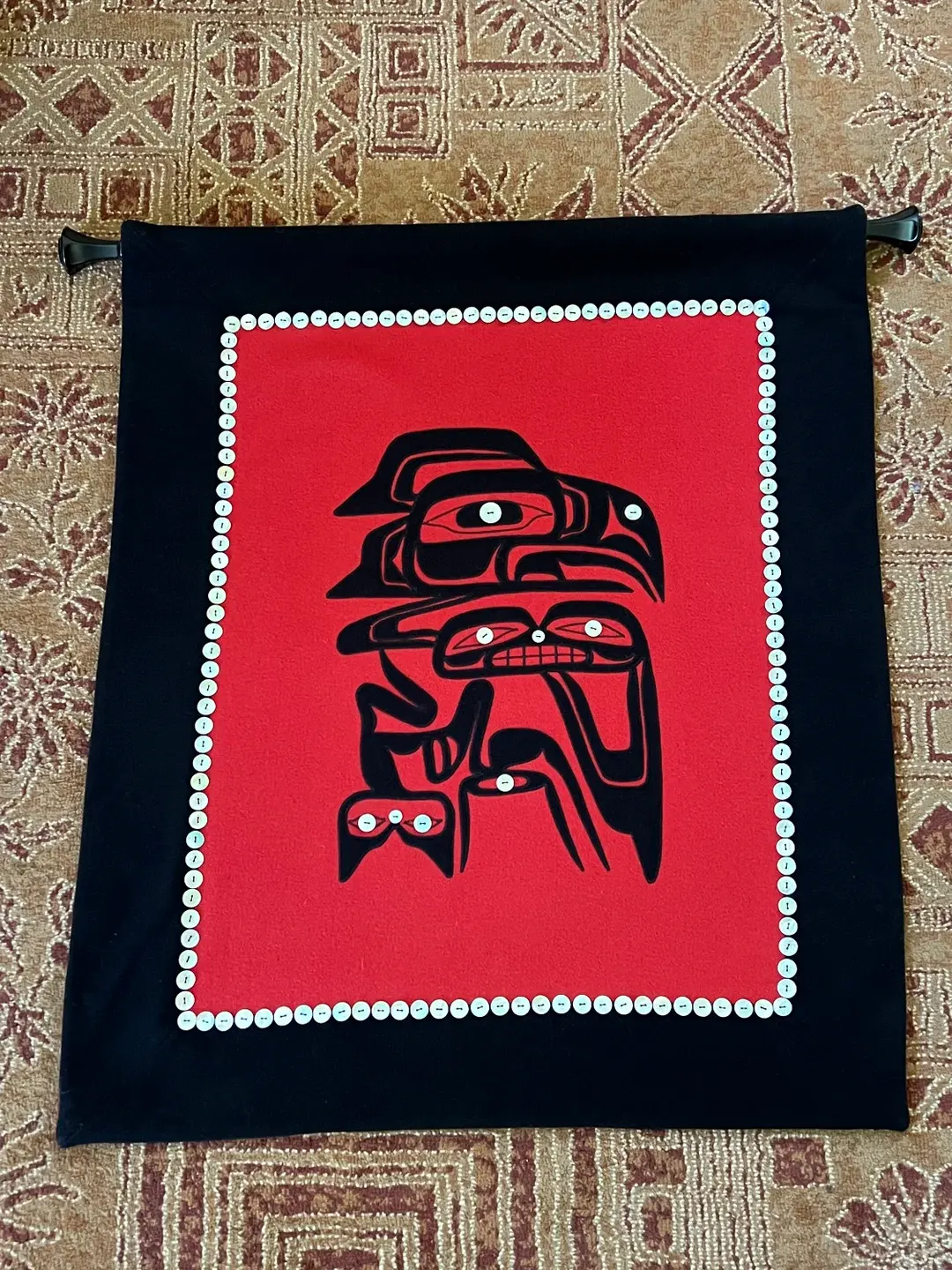
Haida art is primarily recognized by its unique "formline" style, which utilizes fluid, continuous lines to define shapes. These lines vary in thickness and are typically painted in black and red, with occasional accents of blue or yellow. The composition is highly structured, often fitting complex animal figures into specific geometric spaces like ovoids and U-forms.
The subject matter focuses on crests, which are hereditary symbols representing family lineages and spiritual connections. Common motifs include the raven, eagle, bear, wolf, and killer whale. These figures are not merely decorative; they serve as visual records of oral histories, potlatch rights, and the social hierarchy within Haida society.
- Ovoids: Rectangular shapes with rounded corners used to frame eyes or joints.
- U-forms: U-shaped elements used to create negative space and define limbs.
- Formlines: The primary black lines that create the skeleton of the design.
- Split U-forms: Variations used to fill corners and balance the composition.
How is Haida art created?
Traditional Haida art relies on the mastery of natural materials, most notably Western red cedar. Artists use specialized tools, such as the crooked knife, to carve intricate designs into totem poles, house posts, and bentwood boxes. The process requires a deep understanding of the grain and physical properties of the wood to ensure structural integrity and aesthetic precision.
Beyond wood, Haida artists work with argillite, a rare, soft black carbonaceous shale found only at Slatechuck Mountain on Haida Gwaii. This stone is easily carved when first quarried but hardens upon exposure to air, making it ideal for detailed sculptures. Other mediums include silver, gold, and copper, which are frequently used in modern jewelry to showcase traditional crest designs.
- Select the appropriate material, such as cedar or argillite.
- Sketch the formline design directly onto the surface.
- Use a crooked knife or chisel to carve the primary lines.
- Refine the details and add secondary patterns for depth.
- Apply traditional pigments or polish the stone surface.
Where can you see authentic Haida art?
The most significant collections of historical Haida art are housed in major museums, including the Canadian Museum of History in Gatineau and the Royal British Columbia Museum in Victoria. These institutions hold vast arrays of totem poles, masks, and regalia collected over the last two centuries. Visiting these sites provides a comprehensive look at the evolution of the style from the 18th century to the present.
For a more immersive experience, visiting Haida Gwaii is essential. The Haida Heritage Centre at Kay Llnagaay offers a deep dive into the culture, featuring contemporary works alongside historical artifacts. Outdoor sites like SGang Gwaay, a UNESCO World Heritage site, allow visitors to see monumental totem poles standing in their original village settings, providing a profound context for how this art interacts with the natural landscape.
Who are the notable Haida artists?
The revival of Haida art in the late 20th century was spearheaded by visionary artists who sought to reclaim traditional techniques. Bill Reid is perhaps the most famous figure, known for his monumental sculptures like "The Spirit of Haida Gwaii." His work bridged the gap between traditional iconography and modern fine art, bringing international recognition to the Haida aesthetic.
Other influential figures include Robert Davidson, who has been instrumental in teaching the next generation of carvers and painters. His work often explores the spiritual dimensions of Haida life through bold, innovative compositions. Contemporary artists continue to push boundaries by experimenting with new materials and digital media while strictly adhering to the fundamental principles of formline design established by their ancestors.
Common mistakes when identifying Haida art
A frequent error is confusing Haida art with other Northwest Coast Indigenous styles, such as those of the Tlingit or Coast Salish. While they share similar materials and motifs, Haida art is distinct in its specific use of formline geometry and crest representation. Beginners should look for the specific, highly refined ovoid shapes that are characteristic of the Haida tradition.
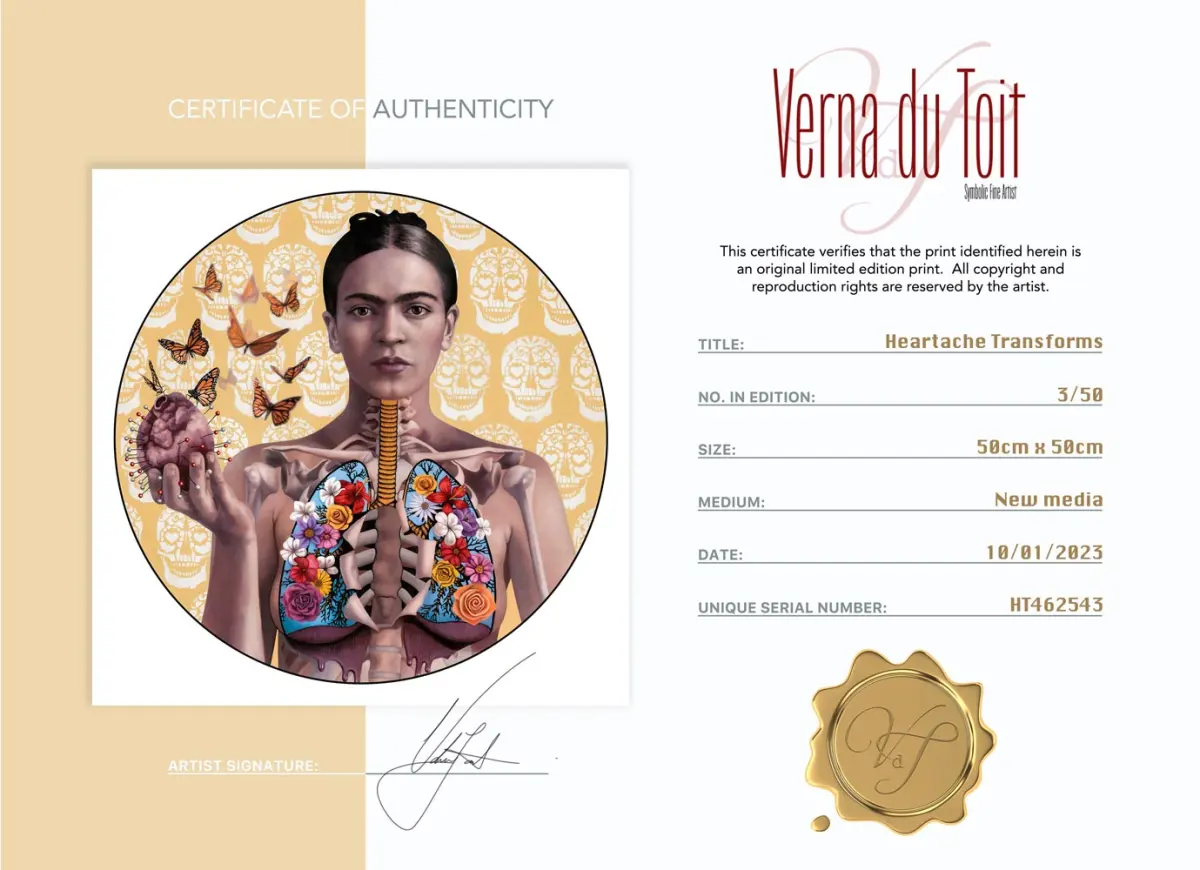
Another common mistake is assuming that all carved items are ancient. Much of the high-quality Haida art on the market today is contemporary, created by skilled masters who are part of a living, evolving tradition. Always look for the artist’s signature or a certificate of authenticity to ensure the piece is a genuine work by a Haida creator rather than a mass-produced imitation.
- Avoid assuming that all totem poles are ancient; many are contemporary commissions.
- Do not mistake mass-produced souvenirs for authentic, hand-carved Indigenous art.
- Ensure the artist is a recognized member of the Haida nation.
- Research the specific crests to understand the cultural significance of the design.
Key facts
- Haida art is a sophisticated visual tradition originating from the Haida Nation of Haida Gwaii, an archipelago off the coast of British Columbia, Canada.
- The art style is defined by the "formline," a continuous, flowing line of varying thickness that outlines primary design elements.
- Artists traditionally use a restricted color palette consisting of black, red, and occasionally yellow or blue, derived from natural pigments.
- Common motifs include crest animals such as the raven, eagle, bear, wolf, and killer whale, which represent clan lineages and ancestral stories.
- Masterpieces are often carved from red or yellow cedar wood, which is prized for its straight grain, workability, and cultural significance.
- When purchasing Haida art, look for the artist's signature or a certificate of authenticity to ensure the piece is an original work rather than a mass-produced imitation.
The bottom line
Haida art is a highly refined system of visual communication that balances strict design rules with individual creativity. By utilizing the formline technique and traditional crest imagery, artists preserve the history and social structure of the Haida people. Whether manifested in monumental carvings or delicate jewelry, this art remains a vibrant, evolving practice that continues to define the cultural identity of the Haida Nation today.
People also ask
What is the significance of the formline in Haida design?
The formline is the structural backbone of Haida art, consisting of ovoids, U-forms, and S-forms that connect to create complex compositions. It allows artists to fit figures into specific shapes, such as circular drums or rectangular panels, while maintaining fluid movement.
Are totem poles the only form of Haida art?
While totem poles are the most iconic examples, Haida art encompasses a wide range of media including argillite carvings, bentwood boxes, jewelry, and textiles. Argillite, a soft carbonaceous shale found only at Slatechuck Mountain, has been used since the 1820s to create intricate sculptures for trade.
How can I distinguish authentic Haida art from imitations?
Authentic pieces are typically signed by the artist and often come with documentation identifying the creator’s tribal affiliation. Avoid items labeled "Haida-style" or "Native-inspired," as these are often mass-produced souvenirs that do not support the Indigenous artists or their communities.
What do the animals in Haida art represent?
Animals in Haida art serve as crests that identify a person’s lineage, social status, and family history. For example, the Raven and the Eagle are the two primary moieties, or social divisions, of the Haida people, and their depiction signifies the artist's ancestral heritage.
Can anyone learn to create Haida art?
While anyone can study the principles of formline design, the art is deeply rooted in Haida cultural protocol and intellectual property. It is best to learn through mentorship with Haida artists or established cultural institutions to respect the historical context and ownership of specific motifs.
Why is cedar wood so important to Haida artists?
Western red cedar is considered the "tree of life" for the Haida, providing essential materials for housing, canoes, and ceremonial objects. Its cultural importance stems from its durability and the spiritual connection the Haida maintain with the forests of their ancestral islands.
This answer was created with the help of AI research tools and reference sources. Spotted an error? Let us know — we correct mistakes quickly. See our editorial policy.