What is Christmas?
Short answer
Christmas is an annual festival commemorating the birth of Jesus Christ, observed primarily on December 25 as a religious and cultural celebration. It blends Christian traditions with secular customs like gift-giving, decorating trees, and feasting. Today, it is a global holiday marked by public holidays, commercial activity, and gatherings of families and friends.
On this page
Why is Christmas celebrated on December 25?
The selection of December 25 as the date for Christmas is not explicitly recorded in the Bible. Early Christian leaders chose this date during the fourth century, likely to coincide with existing winter solstice festivals, such as the Roman celebration of Sol Invictus or the Saturnalia. By aligning the birth of Jesus with the period when days begin to lengthen, the church provided a theological alternative to pagan traditions.
While the date remains fixed in Western Christianity, Eastern Orthodox churches often follow the Julian calendar, which places the celebration on January 7. Regardless of the specific date, the season serves as a focal point for the liturgical calendar. It emphasizes themes of hope, light, and the incarnation, which refers to the belief that God took human form. These historical roots explain why the holiday features both solemn religious services and festive, light-filled traditions.
How to prepare for Christmas traditions
Modern Christmas preparation often begins weeks in advance, focusing on creating a welcoming atmosphere for guests. The process usually involves decorating homes with greenery, lights, and ornaments, alongside the preparation of traditional foods. Many families follow specific routines to manage the busy nature of the season effectively and ensure that the focus remains on celebration rather than stress.
- Create a budget for gifts and food to avoid overspending during the holiday rush.
- Plan your menu at least two weeks early, accounting for any dietary restrictions among your guests.
- Decorate your space gradually, starting with exterior lights and moving to interior accents like the tree.
- Schedule time for rest, as the social demands of the season can lead to exhaustion.
By breaking tasks into smaller components, you can enjoy the process of preparation. Focusing on one area of the home or one type of task per weekend helps maintain a sense of order.
What are the most common Christmas customs?
Global Christmas customs are remarkably diverse, yet many share common elements centered on generosity and community. The tradition of gift-giving is perhaps the most widespread, symbolizing the gifts brought to the infant Jesus by the Magi. Other customs are deeply rooted in regional history, reflecting the unique cultural heritage of different nations and communities around the world.
- The Christmas tree: Often an evergreen fir or pine, it represents eternal life and is decorated with lights and baubles.
- Caroling: Groups of singers perform traditional songs, often moving from house to house to spread seasonal cheer.
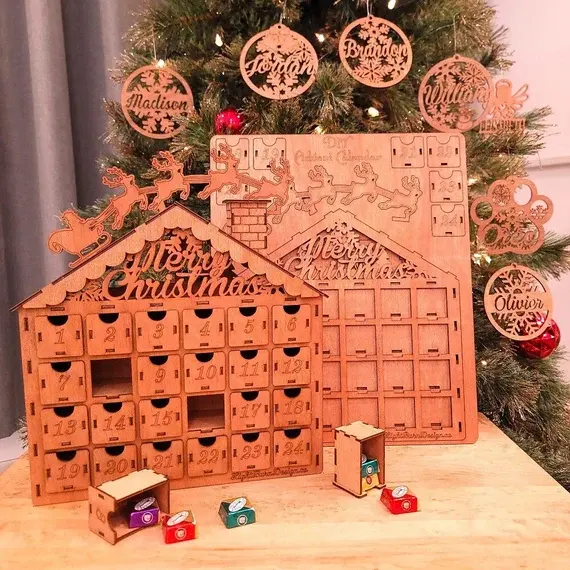
- Advent calendars: These are used to count down the days leading up to December 25, often revealing a small treat or message.
- Midnight Mass: A traditional church service held late on Christmas Eve, marking the transition into the holiday.
These activities serve to build anticipation and foster a sense of shared identity among participants. Whether through music, light displays, or communal meals, these customs reinforce the holiday's emphasis on connection.
Common mistakes when planning for Christmas
A frequent error is attempting to replicate idealized images of the holiday seen in media, which often leads to financial strain and emotional burnout. Many people overextend themselves by trying to attend every social event or purchasing expensive gifts that exceed their means. This pressure to create a "perfect" experience can overshadow the actual purpose of the holiday, which is to spend meaningful time with loved ones.
Another mistake is neglecting to communicate expectations with family members early on. Misunderstandings regarding gift exchanges, travel plans, or hosting duties often cause unnecessary tension. To avoid these pitfalls, prioritize the activities that truly matter to your household and be willing to say no to obligations that feel burdensome. Simplifying your plans and focusing on quality time rather than material perfection will lead to a more authentic and enjoyable experience for everyone involved.
Why is Christmas a global phenomenon?
Christmas has evolved into a global phenomenon that transcends religious boundaries, becoming a significant cultural and economic event. Even in countries where Christianity is a minority religion, the holiday is often celebrated as a secular occasion focused on shopping, family gatherings, and winter festivities. This widespread adoption is largely due to the influence of media, global trade, and the universal appeal of themes like peace and charity.
The economic impact of the season is substantial, as it drives retail sales and tourism across the world. Businesses often rely on the year-end surge in consumer spending to reach their annual revenue targets. Despite this commercialization, the holiday remains a vital opportunity for people to pause their daily routines and reconnect with their social circles. By blending ancient religious significance with modern social habits, Christmas continues to adapt to the changing needs of global society while maintaining its core identity as a time of celebration.
Key facts
- Christmas is celebrated annually on December 25 to commemorate the birth of Jesus Christ, though the historical date of his birth is unknown.
- The holiday evolved from a combination of Christian religious observances and various winter solstice traditions, including the Roman festival of Saturnalia.
- Modern traditions often include the display of a decorated evergreen tree, which became popular in 19th-century Germany and spread globally.
- Gift-giving is a central practice, often associated with the figure of Saint Nicholas, a 4th-century bishop known for his generosity.
- Many cultures incorporate specific culinary traditions, such as eating roast turkey, ham, fruitcake, or Yule logs.
- To avoid holiday stress, experts recommend setting a strict budget for gifts early and focusing on shared experiences rather than material consumption.
The bottom line
Christmas is a multifaceted holiday that blends ancient religious significance with modern cultural customs. While it serves as a holy day for Christians, it has also become a global phenomenon centered on family, generosity, and seasonal celebration. By balancing traditional observances with personal values, individuals can create meaningful experiences that focus on connection and kindness, ensuring the holiday remains a positive and reflective time of year.
People also ask
Why is Christmas celebrated on December 25?
The date was likely chosen by the early church to coincide with existing winter solstice festivals, such as the Roman Saturnalia. By aligning the birth of Jesus with these celebrations, the church helped integrate the holiday into the cultural fabric of the Roman Empire.
Is Christmas a federal holiday in the United States?
Yes, Christmas is a federal holiday in the United States, meaning that non-essential government offices and many businesses are closed. Most employees receive the day off, and it is considered one of the most significant public holidays in the country.
What is the difference between Christmas Eve and Christmas Day?
Christmas Eve, celebrated on December 24, is traditionally a time for final preparations, church services, and family gatherings. Christmas Day, on December 25, is the primary day for gift exchanges, festive meals, and formal religious observances.
How did the Christmas tree tradition start?
The tradition of bringing evergreen trees into the home began in Germany during the 16th century. It gained widespread popularity in the 1840s after Queen Victoria and Prince Albert were depicted in a newspaper illustration standing around a decorated tree.
What is the significance of the Christmas star?
According to the Gospel of Matthew, a star appeared in the sky to guide the Magi, or Wise Men, to the birthplace of Jesus in Bethlehem. It remains a common decorative topper for Christmas trees and a central symbol in nativity scenes.
Are all Christmas traditions religious?
No, many modern Christmas traditions are secular and cultural rather than religious. Practices like decorating with lights, hanging stockings, and visiting Santa Claus are widely practiced by people of various faiths and backgrounds as a way to celebrate the winter season.
This answer was created with the help of AI research tools and reference sources. Spotted an error? Let us know — we correct mistakes quickly. See our editorial policy.