How big do cheetahs get?
Short answer
Adult cheetahs typically stand 28 to 35 inches tall at the shoulder and reach lengths of 44 to 53 inches, excluding their tail. They weigh between 75 and 140 pounds. Males are generally slightly larger and heavier than females, though both sexes share a lean, aerodynamic build optimized for extreme bursts of speed.
On this page
How large are adult cheetahs?
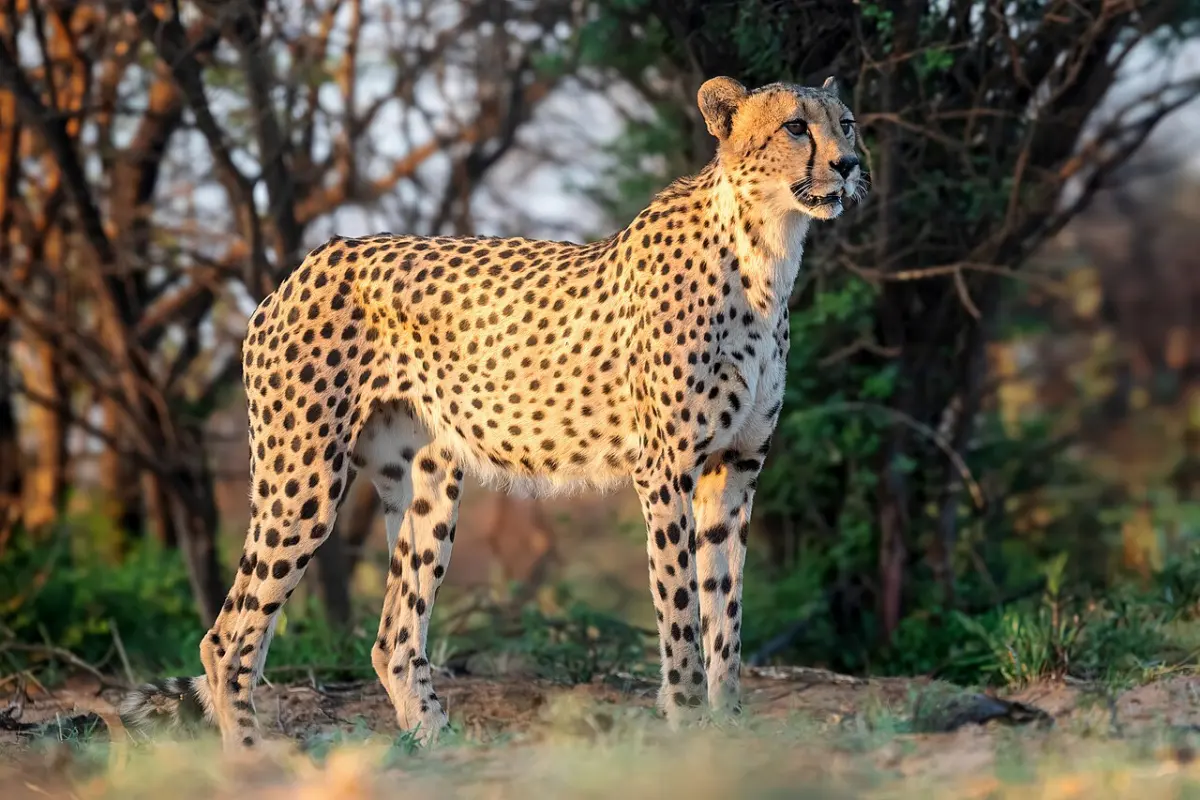
Cheetahs are built for speed rather than raw power, resulting in a slender, aerodynamic frame. An adult cheetah usually measures between 44 and 53 inches from the tip of the nose to the base of the tail. Their tails are remarkably long, often adding another 26 to 33 inches to their total length, which acts as a rudder during high-speed chases.
In terms of height, they stand roughly 28 to 35 inches tall at the shoulder. While they appear quite tall due to their long, thin legs, they are significantly lighter than other big cats like lions or leopards. An average adult weighs between 75 and 140 pounds, depending on their sex, age, and access to prey. This lightweight structure is essential for maintaining their status as the world’s fastest land animal.
How do male and female sizes compare?
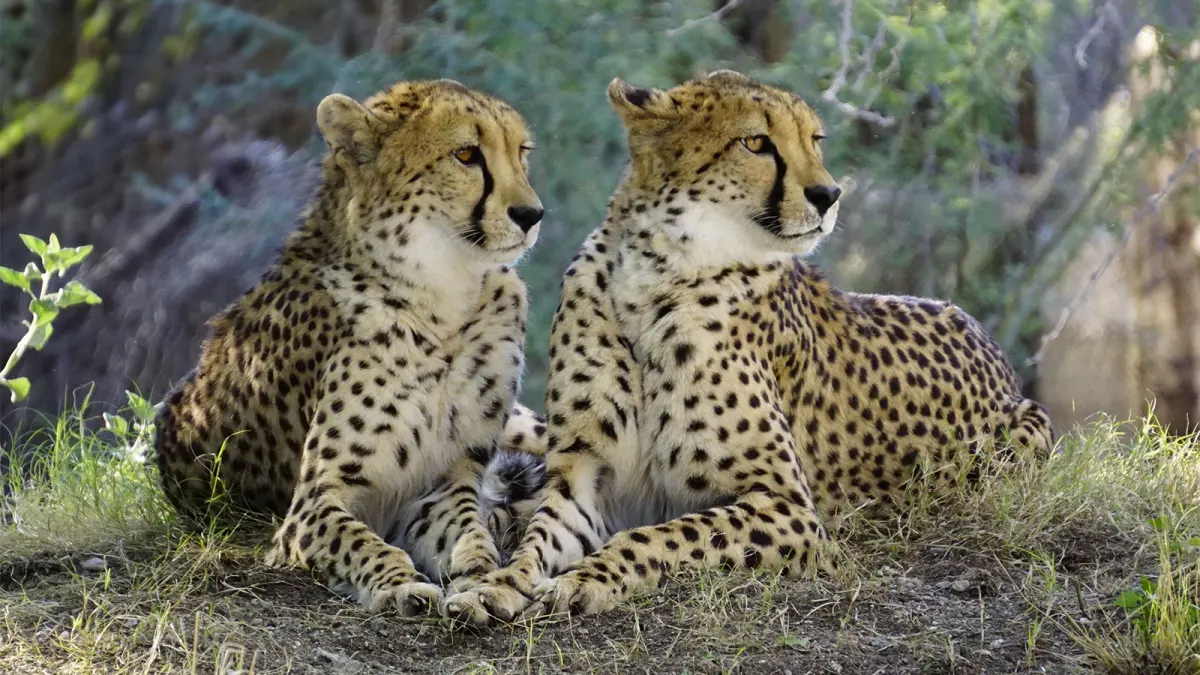
Sexual dimorphism is present in cheetahs, though it is less pronounced than in other feline species. Males are generally slightly larger and heavier than females, possessing a broader head and a slightly more muscular neck. This extra mass can be an advantage when defending territory or competing for food against other predators.
Females are typically more slender, which allows them to remain agile while hunting for their cubs. Despite these slight differences, both genders share the same fundamental physical proportions. When observing cheetahs in the wild, you can often identify males by their slightly more robust facial features and larger frames. However, without a direct comparison, it is often difficult to distinguish between the two based solely on size.
How does their body shape support speed?
The cheetah’s anatomy is a masterclass in biological engineering for acceleration. Their deep chests and narrow waists allow for a massive lung capacity and a flexible spine that acts like a spring. This unique skeletal structure enables them to cover up to 23 feet in a single stride during a sprint.
Key physical adaptations include:
- Non-retractable claws that function like running spikes for superior traction.
- A long, heavy tail that provides balance during sharp, high-speed turns.
- Large nostrils and nasal passages that facilitate rapid oxygen intake during exertion.
- A small, rounded head that reduces drag while running at speeds up to 70 miles per hour.
These features work in tandem to ensure the cheetah can transition from a standing start to top speed in just three seconds.
What factors influence a cheetah's growth?
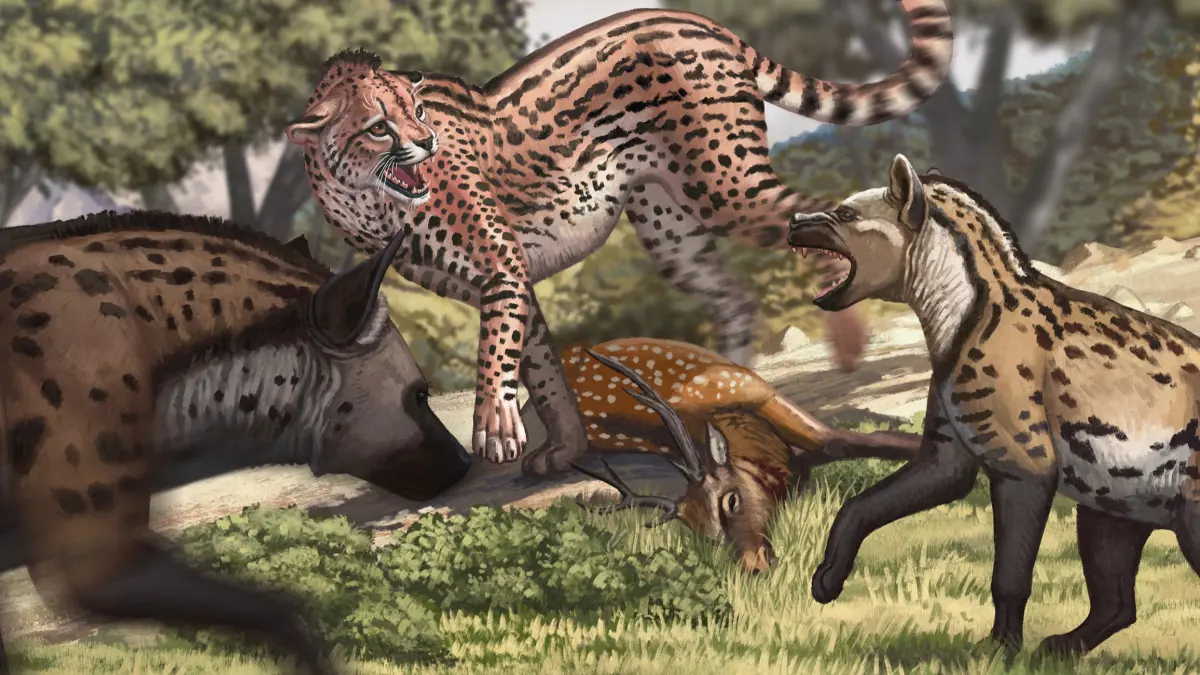
A cheetah’s final size is determined by a combination of genetics and environmental factors. Cubs are born weighing only 5 to 10 ounces and remain highly vulnerable for the first several months of life. Their growth rate is heavily dependent on the availability of food and the protection provided by their mother against larger predators like hyenas and lions.
- Early nutrition: Cubs that receive consistent access to high-protein prey grow faster and reach maturity with greater bone density.
- Environmental stability: Cheetahs living in areas with less competition for food often reach a larger average size.
- Health: Exposure to common feline diseases or parasites can stunt growth during the critical first year.
- Social structure: Young males that form coalitions often exhibit better health outcomes, which can influence their physical development into adulthood.
Common mistakes when estimating cheetah size
One common error is overestimating a cheetah’s size by comparing it to larger cats like lions or tigers. Because cheetahs are so thin, people often perceive them as smaller than they actually are. Conversely, when a cheetah is seen in a photograph without a reference point, its long legs can make it appear much larger than its actual weight suggests.
Another mistake is assuming that all cheetahs in a population are identical in size. There is significant natural variation based on the specific subspecies and the region they inhabit. For instance, cheetahs in Southern Africa may differ slightly in average weight compared to those in East Africa due to regional prey availability and climate. Always remember that a cheetah’s speed and agility are the primary evolutionary goals, not the accumulation of massive body weight or height.
Key facts
- Adult cheetahs typically weigh between 75 and 140 pounds (34 to 64 kilograms).
- Their body length from head to rump measures between 44 and 53 inches (112 to 135 centimeters).
- A cheetah's tail adds another 26 to 33 inches (66 to 84 centimeters) to their total length.
- Standing at the shoulder, these cats reach a height of approximately 28 to 35 inches (70 to 90 centimeters).
- Males are generally slightly larger and heavier than females, though the size difference is often subtle.
- When estimating size in the wild, avoid confusing a cheetah's sleek, aerodynamic build with the much bulkier frame of a leopard.
The bottom line
Cheetahs are medium-sized big cats, defined by their slender, aerodynamic frames rather than sheer bulk. While they may appear smaller than other large cats, their specialized anatomy allows for unmatched speed and agility. Understanding their physical dimensions helps researchers track population health in the wild. Ultimately, these cats are perfectly evolved for high-speed hunting, prioritizing lean muscle and efficiency over the heavy, powerful build of their feline relatives.
People also ask
How fast can a cheetah run?
Cheetahs are the fastest land animals, capable of reaching speeds up to 70 miles per hour (112 kilometers per hour) in short bursts. They can accelerate from zero to 60 miles per hour in just three seconds.
Do cheetahs hunt in packs?
While females are solitary, males often live in small groups called coalitions, usually consisting of brothers from the same litter. These groups work together to defend territory and hunt larger prey.
What do cheetahs eat in the wild?
Their primary diet consists of medium-sized ungulates, most notably Thomson's gazelles and impalas. They also hunt hares, warthogs, and the young of larger animals like wildebeest.
How long do cheetahs live?
In the wild, cheetahs typically live for 10 to 12 years. In captivity, where they are protected from predators and receive veterinary care, they can live into their late teens.
Are cheetahs dangerous to humans?
Cheetahs are generally shy and avoid human contact. Unlike lions or leopards, they are not considered a significant threat to humans and have never been known to hunt people.
Why are cheetahs considered endangered?
Their populations are declining due to habitat loss, human-wildlife conflict, and a lack of genetic diversity. Conservation efforts focus on protecting their remaining grasslands and reducing competition with other large predators.
This answer was created with the help of AI research tools and reference sources. Spotted an error? Let us know — we correct mistakes quickly. See our editorial policy.