How big do elk get?
Short answer
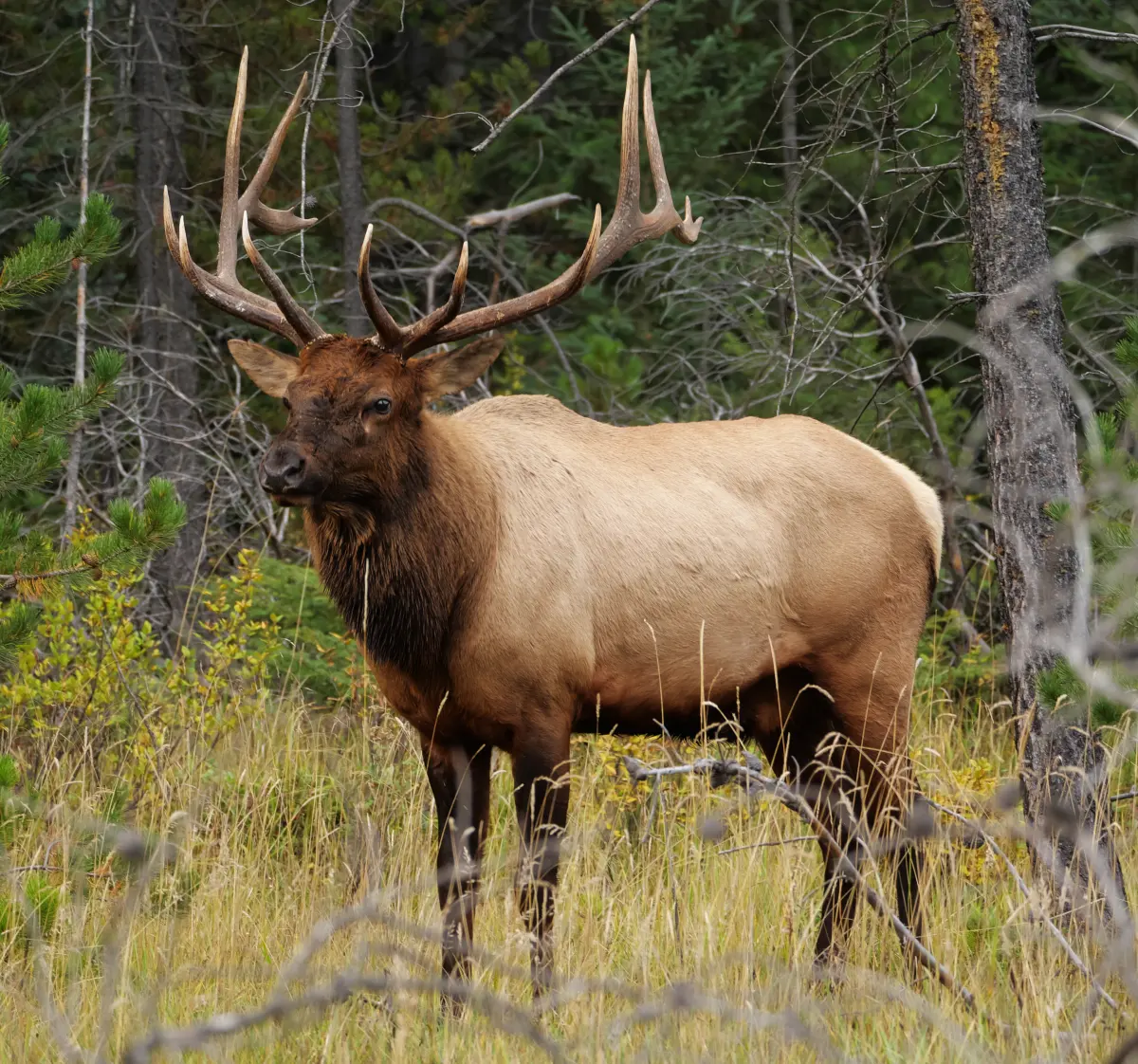
Elk are among the largest deer species globally. Mature bulls typically weigh between 600 and 1,100 pounds and stand about 5 feet tall at the shoulder. Cows are smaller, generally weighing 400 to 600 pounds. These massive ungulates vary in size based on subspecies, geographic location, and access to high-quality nutritional forage.
On this page
How big do elk grow in adulthood?
The physical stature of an elk is determined by its subspecies and the environmental conditions of its habitat. The Roosevelt elk, found along the Pacific Coast, is widely considered the largest subspecies in terms of body mass. In contrast, the Rocky Mountain elk is slightly smaller but possesses the most impressive antlers. A fully mature bull can reach a total length of 8 to 9 feet from nose to tail.
Weight fluctuations occur seasonally, as bulls lose significant body mass during the intense physical exertion of the autumn rut. During this breeding season, males focus on defending harems rather than feeding, leading to a noticeable decline in weight. Conversely, cows maintain more consistent weight patterns throughout the year to support gestation and lactation. A healthy adult elk is a formidable animal, often appearing much larger than its actual measurements due to its thick winter coat and towering antler display.
How do elk antlers affect their size?
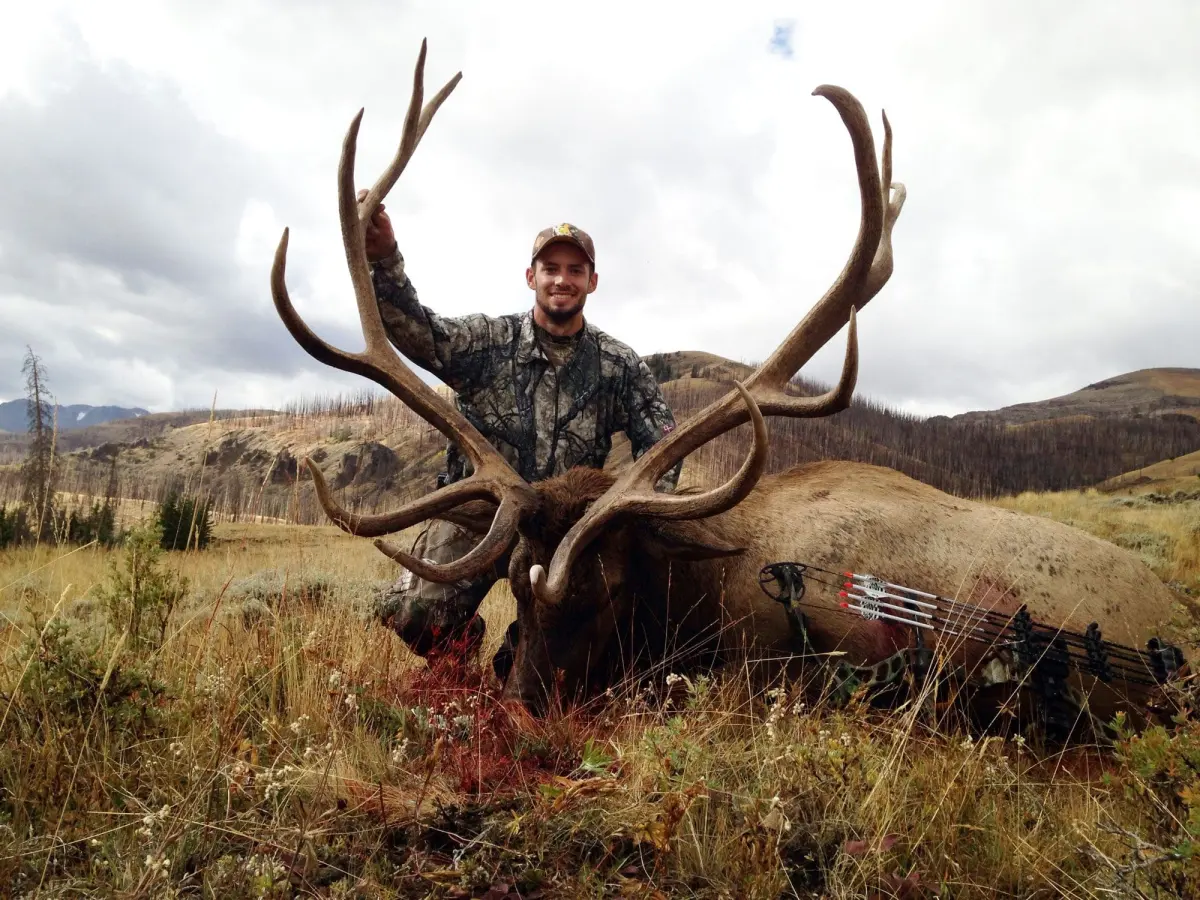
Antlers are a defining feature of male elk and contribute significantly to their overall silhouette. These bony structures are shed and regrown annually, a process that requires immense amounts of calcium and phosphorus. A mature bull’s antlers can span up to 5 feet across and weigh as much as 40 pounds. This added weight and width make the animal appear significantly larger and more intimidating to rivals.
The growth cycle of antlers is influenced by the health and age of the bull. Younger males, often called "spikes" or "raghorns," have smaller, less complex antlers. As a bull reaches its prime—typically between 6 and 9 years of age—its antlers reach their maximum size and complexity. The following traits are common in prime-age bulls:
- Six or more points on each side of the main beam.
- Thick, heavy bases that indicate high testosterone levels.
- A wide, sweeping curve that provides a broad defensive profile.
- Darker coloration caused by rubbing against trees and shrubs.
What factors influence elk body size?
Nutrition is the primary driver of elk size, as animals with access to diverse, nutrient-rich grasses and shrubs grow larger. Elk living in fertile valleys with abundant forage consistently outperform those in high-altitude, resource-scarce environments. Geographical isolation can also lead to variations, as seen in the smaller-bodied Tule elk of California compared to their northern counterparts.
Climate plays a secondary but vital role in physical development. Animals in colder climates often follow Bergmann’s rule, which suggests that individuals of a species are larger in colder environments to conserve heat. However, extreme winters can also lead to high mortality rates and stunted growth if food sources are buried under deep snow for extended periods. Managers often monitor these factors to assess the overall health of a herd. When evaluating the size of an elk in the wild, consider these variables:
- The quality of local summer range forage.
- The severity of the previous winter season.
- The density of the local elk population competing for resources.
- The age distribution within the specific herd.
How to estimate the size of an elk in the field?
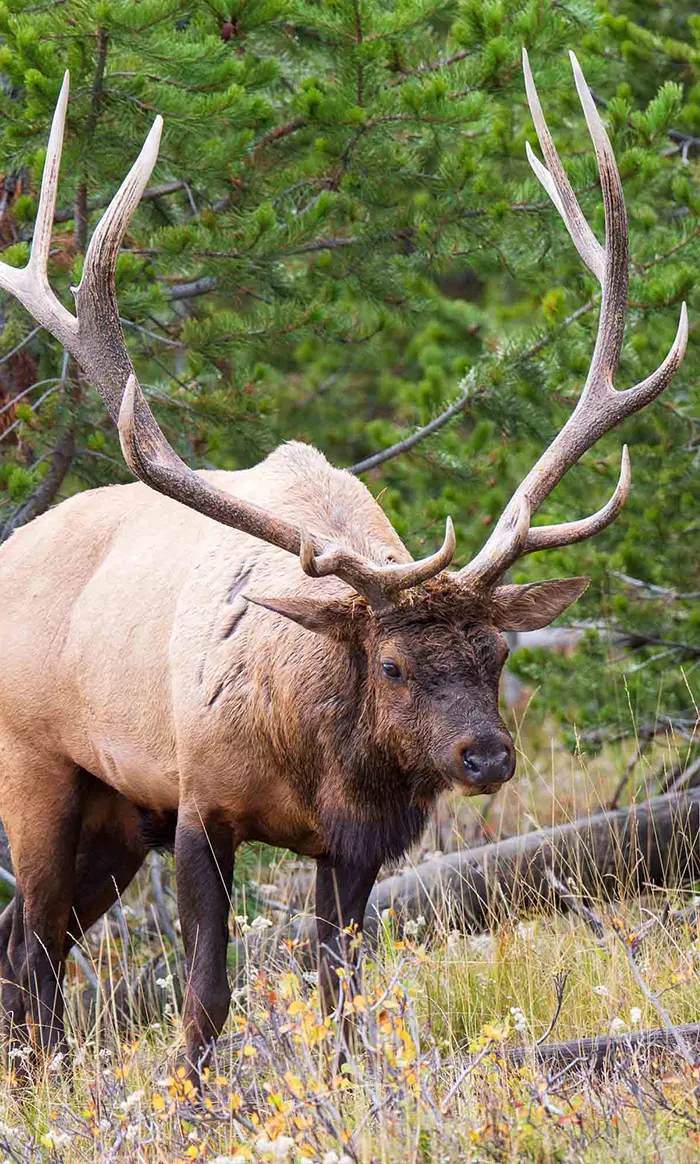
Estimating the size of a wild elk requires practice and a keen eye for proportion. A common mistake is focusing solely on the antlers, which can be deceptive, rather than the body mass. To accurately judge an elk, look for the depth of the chest and the length of the legs. A mature bull will have a heavy, thick neck and a "pot-bellied" appearance, whereas a younger bull will appear leaner and more athletic.
Observers often underestimate the size of these animals because they are frequently viewed from a distance in vast landscapes. To avoid errors, compare the elk to nearby physical features like fence posts, trees, or known landmarks. If you are attempting to judge antler size, look for the "spread" relative to the ears. An elk’s ears are roughly 10 to 12 inches long; using them as a mental ruler can help you visualize the total width of the antler rack.
Common mistakes when judging elk size
A frequent error among hunters and wildlife enthusiasts is misidentifying the age of an elk based on antler size alone. Genetics can cause some bulls to grow large, symmetrical antlers at a younger age, while others may never reach trophy status despite being old. Relying strictly on antler points is another mistake, as "non-typical" racks can have many points while lacking the mass and spread that define a truly large, mature bull.
Another common mistake involves ignoring the angle of observation. An elk viewed from below or at a distance can appear smaller or larger than it truly is due to perspective distortion. When documenting or observing, always try to obtain a side-profile view. This angle provides the most accurate assessment of body length, chest depth, and overall frame. By keeping these factors in mind, you can better appreciate the massive scale of these iconic North American mammals in their natural, rugged environments.
Key facts
- Adult bull elk typically weigh between 700 and 1,100 pounds, while cows weigh between 450 and 600 pounds.
- A mature bull stands about 5 feet tall at the shoulder, with a total body length reaching up to 9 feet.
- Elk antlers can grow up to 4 feet in length and weigh as much as 40 pounds per set.
- When observing elk in the wild, maintain a distance of at least 25 yards to avoid aggressive behavior.
- Avoid approaching elk during the autumn rut, as bulls become highly territorial and unpredictable.
- Never attempt to feed elk, as it disrupts their natural migration patterns and creates dangerous habituation to humans.
The bottom line
Elk are among the largest land mammals in North America, with males reaching impressive weights of over 1,000 pounds. Their massive size and iconic antlers are shaped by seasonal cycles and environmental demands. Whether you are a wildlife enthusiast or a traveler, always prioritize safety by keeping a respectful distance. Understanding these magnificent creatures ensures a positive experience while preserving their natural behavior in the wild.
People also ask
What is the difference between an elk and a moose?
Moose are significantly larger, often weighing twice as much as an elk, and possess distinct palmate, or flat, antlers. Elk are more social animals that prefer open meadows, while moose are typically solitary and favor dense, marshy forests.
Read the full answer →Do female elk grow antlers?
No, female elk do not grow antlers. Antlers are a secondary sexual characteristic found only in males, used primarily for competing with other bulls during the breeding season.
How fast can an elk run?
Despite their massive size, elk are surprisingly agile and can reach speeds of up to 40 miles per hour. They are also excellent swimmers and can easily navigate rugged, steep mountain terrain.
What do elk eat to maintain their size?
Elk are ruminants that consume a diet of grasses, sedges, forbs, and woody browse. A single adult elk requires several pounds of forage daily to sustain its large body mass throughout the changing seasons.
Why do elk shed their antlers every year?
Elk shed their antlers in late winter or early spring as testosterone levels drop following the rut. They immediately begin growing a new, larger set covered in a nutrient-rich skin called velvet, which is shed by late summer.
Are elk dangerous to humans?
While they generally avoid contact, elk can be dangerous if they feel threatened or cornered. Bulls are particularly aggressive during the fall mating season, and cows may charge to protect their calves in the spring.
This answer was created with the help of AI research tools and reference sources. Spotted an error? Let us know — we correct mistakes quickly. See our editorial policy.