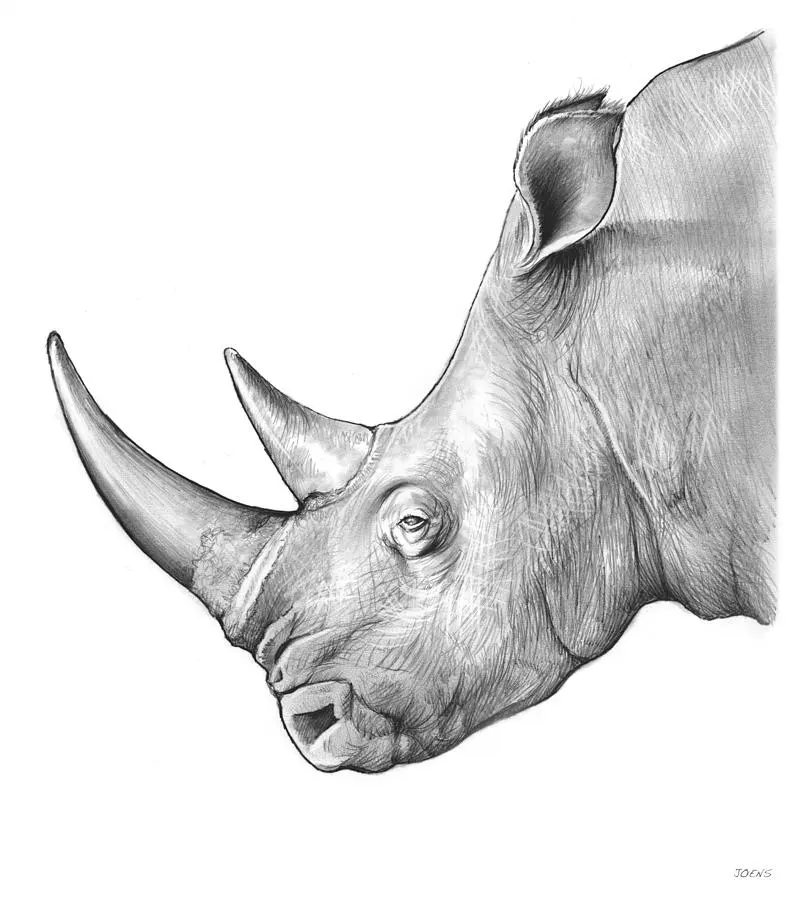
How big do rhinos get?
Short answer
Rhinos are among the largest land mammals, with adult weights ranging from 1,700 to 5,000 pounds (800 to 2,300 kilograms). The white rhinoceros is the largest species, often reaching 6 feet in height at the shoulder and 13 feet in length. Smaller species like the Sumatran rhino weigh significantly less, typically around 1,700 pounds.
On this page
How big do different rhino species get?
There are five distinct species of rhinoceros, each with significant variations in size and physical stature. The white rhinoceros (Ceratotherium simum) is the largest, with males weighing up to 5,000 pounds and standing about 6 feet tall. In contrast, the Sumatran rhinoceros (Dicerorhinus sumatrensis) is the smallest, often weighing between 1,700 and 2,000 pounds. These size differences are largely dictated by their evolutionary adaptations to specific habitats and dietary needs.
The black rhinoceros, the greater one-horned rhinoceros, and the Javan rhinoceros fall between these two extremes. While they share a similar heavy-set body plan, their dimensions vary based on their geographic range and environment. Understanding these differences helps researchers track population health and habitat suitability. The following list outlines the approximate maximum weights for adult males of each species:
- White rhinoceros: 5,000 pounds
- Greater one-horned rhinoceros: 4,800 pounds
- Black rhinoceros: 3,000 pounds
- Javan rhinoceros: 2,500 pounds
- Sumatran rhinoceros: 2,000 pounds
How do rhinos grow from calf to adult?
Rhino calves are born relatively small compared to their parents, typically weighing between 80 and 140 pounds. Despite this modest start, they experience rapid growth during their first few years of life. A calf will double its birth weight within the first few months by consuming nutrient-rich milk from its mother. This rapid development is essential for survival, as it allows the young rhino to better defend itself against predators and navigate difficult terrain.
Growth continues steadily throughout adolescence, which usually lasts until the rhino is between five and seven years old. During this phase, they develop their signature thick, armor-like skin and begin to grow their iconic horns. Proper nutrition is critical during these formative years to ensure the animal reaches its full genetic potential. To monitor the growth of a rhino, conservationists typically use the following indicators:
- Measuring the circumference of the front foot, which correlates strongly with total body mass.
- Observing the development and length of the horn, which serves as a secondary marker for age.
- Tracking weight gain through remote camera traps or specialized ground scales in protected sanctuaries.
Why does a rhino's size matter for conservation?
A rhino's massive size is a primary factor in its ecological role as a "mega-herbivore." By consuming vast amounts of vegetation, they shape the landscape, creating pathways and clearings that benefit smaller species. However, their size also makes them vulnerable to habitat loss, as they require significant territory to find enough food. When habitats are fragmented, rhinos struggle to maintain their body mass, which can lead to lower reproductive rates and increased susceptibility to disease.
Conservation efforts must account for these physical requirements to ensure long-term viability. Protecting a rhino population is not just about stopping poaching; it is about providing enough space for these giants to thrive. If a protected area is too small, the rhinos will eventually suffer from malnutrition or social stress. Experts often look for the following signs that a habitat can support a rhino population:
- Abundance of preferred grasses or woody browse species.
- Availability of permanent water sources for wallowing and drinking.
- Sufficient distance from human settlements to prevent conflict.
Common mistakes when estimating rhino size
Many people mistakenly assume that all rhinos are roughly the same size, leading to errors in field identification and research. Another common mistake is relying solely on visual estimates from a distance, which can be deceptive due to the animal's bulky build and the vastness of their habitats. Without proper training, observers often overestimate the size of younger rhinos or underestimate the mass of older, more robust individuals.
Another frequent error occurs when trying to gauge size based on horn length alone. While a large horn can make a rhino look more imposing, it does not always correlate with the animal's total body weight or age. To avoid these pitfalls, researchers use standardized photographic techniques and laser rangefinders to calculate dimensions accurately. Relying on anecdotal evidence or casual observation is rarely sufficient for scientific purposes, as the sheer scale of these animals often distorts human perception.
How to safely observe rhinos in the wild
Observing rhinos in their natural habitat is a privilege that requires strict adherence to safety protocols. Because of their size, rhinos can be unpredictable and potentially dangerous if they feel threatened. Never attempt to approach a rhino on foot unless you are accompanied by a professional guide who understands the animal's body language. Maintaining a respectful distance is the best way to ensure both your safety and the well-being of the animal.
When planning a safari or wildlife excursion, prioritize operators who emphasize ethical viewing practices. Avoid any situation where the animal is pressured or blocked from its natural path. If you are in a vehicle, keep the engine quiet and remain inside at all times. By respecting the immense power and size of these animals, you contribute to a sustainable tourism model that helps fund their protection for future generations to enjoy.
Key facts
- The white rhinoceros is the largest species, with males weighing up to 2,300 kilograms (5,000 pounds).
- Adult rhinos typically stand between 1.5 and 1.8 meters (5 to 6 feet) tall at the shoulder.
- Despite their massive size, rhinos can reach running speeds of up to 50 kilometers per hour (30 miles per hour).
- A common mistake is underestimating a rhino’s agility; they can turn quickly and charge unexpectedly if they feel threatened.
- When observing rhinos in the wild, always maintain a distance of at least 50 meters to avoid triggering defensive behavior.
- Rhino calves are born weighing between 40 and 65 kilograms (90 to 140 pounds) and grow rapidly on their mother's milk.
The bottom line
Rhinoceroses are among the largest land mammals, with the white rhino reaching impressive weights of over two tons. While their massive frames and thick skin provide natural protection, these animals remain surprisingly agile and fast. Understanding their size and behavior is essential for safety, as their poor vision and territorial nature make them potentially dangerous to humans who approach them without proper caution or distance.
People also ask
How long do rhinos live in the wild?
Most rhinoceros species have a lifespan of 35 to 50 years in their natural habitat. Factors such as predation, disease, and habitat loss influence these numbers significantly.
Are all rhinoceros species the same size?
No, there is significant variation between the five species. The white rhino is the largest, while the Sumatran rhino is the smallest, weighing only about 600 to 950 kilograms.
What do rhinos eat to maintain their bulk?
Rhinos are herbivores that consume large quantities of grasses, leaves, shrubs, and fruits. They spend a significant portion of their day grazing or browsing to sustain their massive body mass.
Why do rhinos have horns?
Rhinos use their horns for defense against predators, territorial disputes with other rhinos, and foraging. The horns are composed of keratin, the same protein found in human hair and fingernails.
Can rhinos swim?
Yes, rhinos are surprisingly capable swimmers and enjoy wallowing in mud or water to cool down. This behavior also helps protect their thick skin from sunburn and biting insects.
Do rhinos have good eyesight?
Rhinos have poor eyesight and struggle to identify stationary objects from more than 30 meters away. They rely much more heavily on their acute senses of smell and hearing to detect danger.
This answer was created with the help of AI research tools and reference sources. Spotted an error? Let us know — we correct mistakes quickly. See our editorial policy.