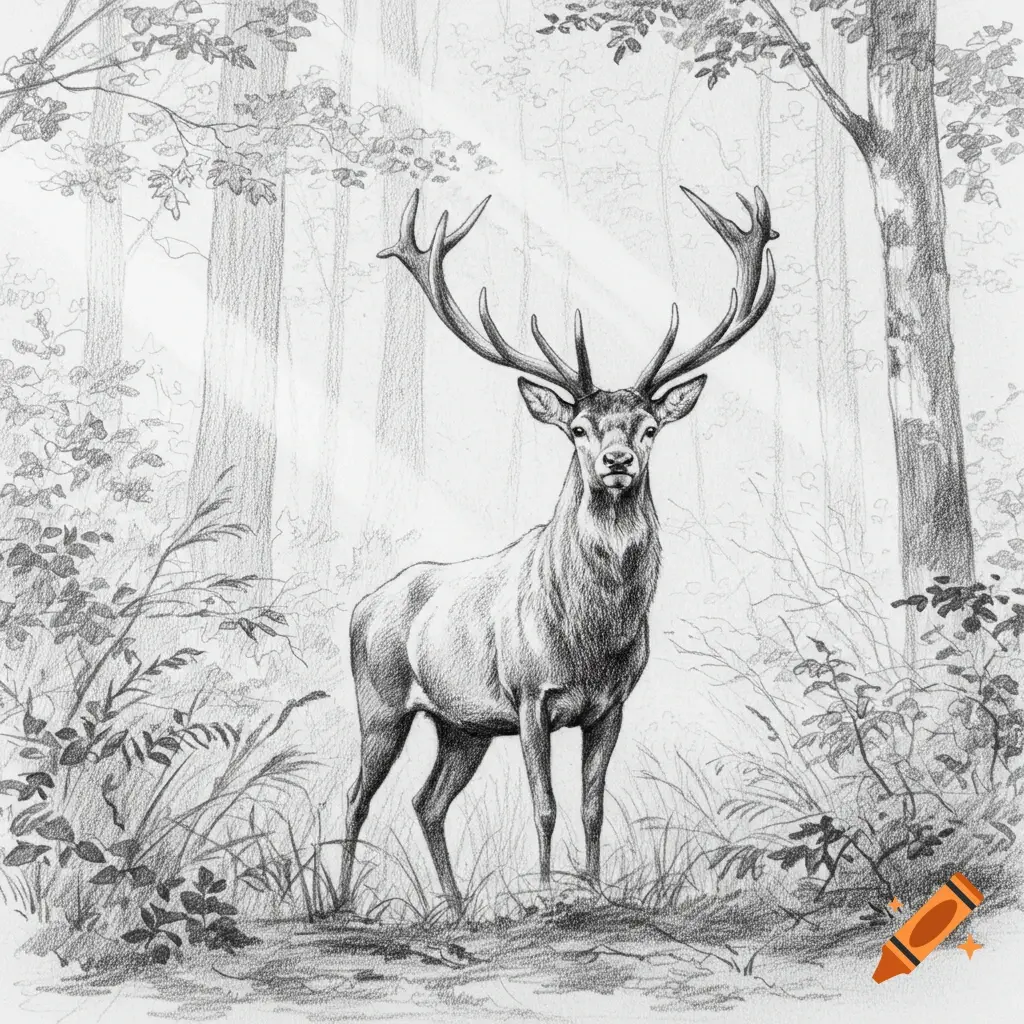
How big do deer get?
Short answer
Deer size varies significantly by species, ranging from the tiny southern pudu, which weighs about 15 pounds, to the massive moose, which can reach 1,800 pounds. Most common species, like the white-tailed deer, typically weigh between 100 and 300 pounds and stand roughly 3 to 3.5 feet tall at the shoulder.
On this page
How big do common deer species get
The physical dimensions of deer are primarily determined by their specific species and geographic location. The white-tailed deer, the most widespread species in North America, displays significant variation based on climate; northern populations are often much larger than their southern counterparts to conserve body heat. Adult males, known as bucks, generally weigh between 150 and 300 pounds, while females, or does, typically weigh between 90 and 200 pounds.
Mule deer, found primarily in the western United States, are generally larger and more robust than white-tailed deer. A mature mule deer buck can weigh up to 450 pounds, although 200 to 300 pounds is more common. Elk, another member of the deer family, are substantially larger, with bulls often exceeding 700 pounds. When observing deer in the wild, consider these general size benchmarks:
- White-tailed deer: 3–3.5 feet at the shoulder.
- Mule deer: 3.5–4 feet at the shoulder.
- Elk: 4.5–5 feet at the shoulder.
- Moose: 5–7 feet at the shoulder.
Why deer size varies by region
Environmental factors play a critical role in the growth and development of deer populations. This phenomenon is often explained by Bergmann’s Rule, which suggests that animals of the same species living in colder climates tend to be larger than those in warmer regions. Larger bodies have a smaller surface-area-to-volume ratio, which helps the animal retain internal body heat more efficiently during harsh winters.
Nutrition also dictates the maximum size a deer can reach within its lifespan. Areas with high-quality forage, such as agricultural lands or forests with diverse plant life, support larger, healthier deer. Conversely, overpopulated areas where deer must compete for limited food resources often result in stunted growth and lower average body weights. Environmental stressors, including parasites and disease, further influence the physical stature of the herd. Understanding these regional differences is essential for biologists and wildlife managers who monitor local populations to ensure they remain healthy and balanced within their specific ecosystems.
How to estimate deer size in the field
Estimating the size of a deer while observing it in the wild requires practice and a keen eye for physical landmarks. Because deer do not stand still for measurements, observers often use the animal's body proportions relative to its surroundings. For example, look at the length of the ears relative to the head or the depth of the chest compared to the height of the legs.
To improve your accuracy when estimating size, follow these steps:
- Observe the deer’s stance; a deer with its head down feeding often appears larger than one standing alert.
- Compare the deer to known objects in the environment, such as fence lines, trail markers, or specific shrubs.
- Note the thickness of the neck and the fullness of the chest, as these indicate maturity and weight.
- Utilize high-quality optics, such as binoculars, to get a clearer view of the animal’s frame without causing it to flee.
Consistent practice in these techniques will help you differentiate between a young, growing deer and a fully mature adult.
Common mistakes when judging deer size
One of the most frequent errors people make is overestimating the size of a deer due to the "magnification effect" caused by excitement or poor lighting. When a deer is viewed through a camera lens or in the dim light of dawn and dusk, it is easy to misjudge the distance, which in turn leads to an incorrect assessment of the animal's physical proportions. Always try to establish a sense of scale by looking at the vegetation surrounding the animal.
Another common mistake is focusing exclusively on the size of the antlers rather than the body. While large antlers are often associated with larger bodies, this is not a universal rule; young, healthy deer can sometimes grow impressive antlers while still being physically smaller than an older, more mature buck. Relying on a single feature often leads to inaccurate conclusions. Instead, look for a sagging belly, a thick neck, and a "sway" in the back, which are more reliable indicators of a deer's true age and physical maturity.
Best ways to track deer growth
Tracking the growth of deer over time is a valuable practice for those interested in wildlife conservation or land management. This is typically achieved through the use of trail cameras placed strategically along known travel corridors or near feeding sites. By capturing consistent images of the same individuals over several months or years, observers can document the progression of physical development.
When using trail cameras for monitoring, keep these tips in mind:
- Place cameras at a height that aligns with the deer’s chest to provide a consistent perspective.
- Use date and time stamps on all images to create a chronological record of growth.
- Ensure the camera is placed in an area where the deer is likely to walk past at a perpendicular angle to the lens, which provides the best view of the animal's full profile.
By systematically recording these observations, you can gain a deeper understanding of how local environmental conditions and food availability directly impact the growth and overall health of the deer population in your area.
Key facts
- The white-tailed deer, the most common species in North America, typically weighs between 110 and 300 pounds.
- Moose are the largest members of the deer family, with adult males often weighing over 1,500 pounds and standing 7 feet tall at the shoulder.
- Pudu, the world's smallest deer species, stand only about 12 to 17 inches tall and weigh roughly 15 to 30 pounds.
- Male deer, known as bucks or stags, are generally significantly larger and heavier than females of the same species.
- Size is heavily influenced by habitat quality, as deer living in nutrient-rich agricultural areas often grow larger than those in mountainous or arid regions.
- To estimate a deer's weight in the field, use a flexible tape measure to calculate the heart girth just behind the front legs and apply standard wildlife management formulas.
The bottom line
Deer size varies dramatically across the globe, ranging from the tiny 15-pound Pudu to the massive 1,500-pound moose. Understanding these differences requires looking at species-specific traits, regional climate adaptations, and individual nutritional history. Whether you are a wildlife enthusiast or a hunter, remember that age and environment are the primary drivers of growth, and always prioritize safety by observing these animals from a respectful distance.
People also ask
Do deer stop growing at a certain age?
Most deer reach their full physical skeletal size between three and five years of age. While they may continue to gain muscle mass or fat reserves after this point, their height and frame length remain relatively stable.
Why do some deer look much smaller than others?
Variations in size are often due to age, genetics, and the availability of high-quality forage. A young deer, or "fawn," will naturally be much smaller than a mature adult, and poor nutrition during development can lead to stunted growth.
How can you tell if a deer is fully grown?
Biologists often look at tooth wear and replacement to determine the age of a deer. A fully mature deer will have a complete set of permanent teeth that show specific patterns of wear, indicating it has reached its maximum size.
Are deer in northern climates bigger than those in the south?
Yes, this is known as Bergmann's Rule, which suggests that animals in colder climates evolve larger body sizes to conserve heat. For example, white-tailed deer in Canada are typically much larger than those found in the Florida Keys.
Does the size of a deer's antlers indicate its total body size?
While larger, healthier deer often grow more impressive antlers, this is not a perfect correlation. Antler size is also heavily influenced by genetics and the specific minerals available in the deer's diet during the growing season.
Is it safe to approach a deer to estimate its size?
No, you should always maintain a significant distance from wild deer. Approaching them can cause unnecessary stress to the animal or provoke defensive behavior, which is particularly dangerous during the mating season or when fawns are present.
This answer was created with the help of AI research tools and reference sources. Spotted an error? Let us know — we correct mistakes quickly. See our editorial policy.