What is the difference between a cliff and a bluff?
Short answer
A cliff is a steep, near-vertical rock face formed by erosion, typically found along coasts or mountains. In contrast, a bluff is a broad, rounded cliff or bank with a gentle slope, usually overlooking a river, sea, or valley. While cliffs are primarily composed of hard, exposed rock, bluffs consist of softer sediment.
On this page
What defines a geological cliff
A cliff is defined as a significant vertical or near-vertical rock exposure. These formations are primarily shaped by the relentless forces of weathering and erosion, which strip away softer material to leave behind more resilient bedrock. You will most commonly encounter them along rugged coastlines, where wave action undercuts the base, or in mountainous regions carved by glaciers and rivers.
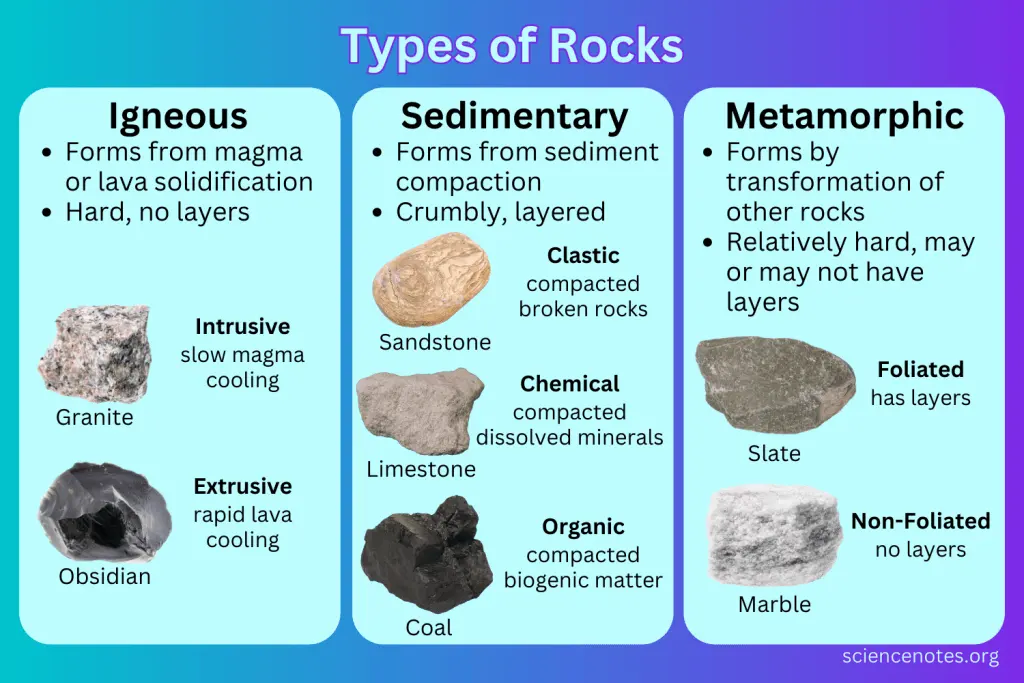
The structural integrity of a cliff depends heavily on the type of rock present. Harder materials like granite, limestone, or sandstone are more likely to form dramatic, sheer drops because they resist crumbling under the weight of gravity. When observing a cliff, you are looking at a cross-section of the earth’s crust that has been exposed over millions of years.
- Vertical or near-vertical slope angle.
- Composed primarily of hard, exposed bedrock.
- Often formed by wave action, glacial carving, or tectonic uplift.
- Frequently unstable at the top edge due to natural weathering processes.
How to identify a bluff
A bluff is a high, steep bank that typically features a rounded or sloping front rather than a sheer vertical drop. Unlike the jagged, rocky face of a cliff, a bluff is usually composed of loose, unconsolidated sediment such as soil, sand, or gravel. These formations are most common along the edges of river valleys or coastal plains where water flow has historically deposited large amounts of earth.
Because bluffs are made of softer materials, they are highly susceptible to erosion from wind, rain, and surface runoff. Over time, the vegetation covering a bluff helps to hold the sediment in place, giving it a softer, more rounded appearance. If you are standing at the top of a bluff, you will often find a gradual transition from the flat plateau to the lower ground, rather than a sudden, dangerous drop-off.
- Locate the base of the formation to see if it is made of solid rock or loose sediment.
- Observe the angle of the slope; bluffs are rarely perfectly vertical.
- Check for vegetation; bluffs are often covered in grass or shrubs, whereas cliffs are usually bare rock.
- Determine the proximity to water; bluffs often border floodplains or wide river bends.
Why erosion creates these differences
The primary reason for the difference between these two features is the composition of the material being eroded. When water or ice attacks a cliff, it is working against dense, crystalline rock that fractures in large blocks. This process creates sharp angles and deep, vertical fissures. The cliff remains steep because the rock is strong enough to support its own weight even when the base is hollowed out by the sea.
Conversely, a bluff is formed by the erosion of softer, granular materials. When water hits a bluff, it tends to wash away the sediment in a more uniform, gradual manner. This prevents the formation of a sheer face and instead creates a sloped profile. The internal friction of the soil or sand particles dictates the maximum angle of the slope, which is almost always less steep than that of a solid rock cliff.
Common mistakes when classifying landforms
One common mistake is assuming that all steep coastal features are cliffs. Many people label any high point overlooking the ocean as a cliff, but this ignores the crucial role of material composition. If the face is covered in trees, soil, or loose debris, it is almost certainly a bluff. Failing to distinguish between the two can lead to misconceptions about the stability of the terrain, as cliffs are generally more prone to sudden rockfalls, while bluffs are prone to gradual slumping or landslides.
Another error is ignoring the historical context of the land. Bluffs are often remnants of ancient riverbeds or glacial deposits that have been left behind as water levels receded. Cliffs, however, are often the result of active geological processes such as faulting or intense coastal wave energy. Understanding the origin of the formation helps clarify why it looks the way it does today.
- Mistaking a steep, vegetated hill for a cliff.
- Assuming all rock faces are equally stable.
- Ignoring the presence of soil and sediment at the base of the slope.
- Overlooking the influence of vegetation in stabilizing a bluff’s profile.
Best practices for safety near edges
When you are exploring these areas, always prioritize safety by maintaining a significant distance from the edge. Cliffs are notorious for having "overhangs," where the rock at the top is unsupported due to erosion below, making the ground beneath your feet potentially hollow. Never walk close to the edge of a cliff, especially after heavy rain, as the ground can give way without warning.
For bluffs, the danger is often related to slope instability and landslides. Because the material is loose, the entire face can shift during periods of heavy saturation or seismic activity. Always stick to marked trails and respect warning signs posted by park authorities. If you are hiking in a coastal area, be aware that both cliffs and bluffs are dynamic environments that change shape constantly due to the natural power of the elements.
Key facts
- A cliff is a vertical or near-vertical rock exposure, often formed by erosion from waves or wind.
- A bluff is a broad, rounded cliff that overlooks a plain or body of water, typically composed of softer soil or sediment.
- Cliffs generally feature sheer, steep drops, whereas bluffs have a more gradual, sloped profile.
- You can identify a cliff by its rugged, jagged rock face, while a bluff often supports vegetation due to its soil composition.
- Avoid walking near the edge of a bluff, as the soft, unconsolidated soil is prone to sudden landslides and erosion.
- When mapping terrain, use "cliff" for rigid rock formations and "bluff" for elevated, rounded banks of earth.
The bottom line
The primary distinction between these landforms lies in their composition and steepness. Cliffs are characterized by sheer, vertical rock faces created through intense erosion or tectonic activity. Conversely, bluffs are rounded, elevated banks made of softer soil and sediment. Understanding these differences is vital for safety, as the unstable nature of bluff edges poses significant risks to hikers and property owners compared to solid rock cliffs.
People also ask
Can a bluff turn into a cliff over time?
Yes, if the base of a bluff is aggressively eroded by water or ice, the softer material may collapse, leaving behind a steeper, more vertical face that resembles a cliff.
Are cliffs always found near the ocean?
No, while coastal cliffs are common, inland cliffs form through tectonic uplift, glacial carving, or river erosion in mountainous regions.
Is it safe to build a house on a bluff?
Building on a bluff is risky because the edge is constantly retreating due to erosion; engineers must conduct soil stability tests to ensure the structure remains safe.
How steep must a slope be to be called a cliff?
While there is no universal scientific degree, a cliff is generally defined as having a slope greater than 45 degrees, often approaching 90 degrees.
What is an escarpment?
An escarpment is a long, steep slope or cliff that separates two areas of land with different elevations, often caused by movement along a geological fault line.
Why do plants grow on bluffs but not on cliffs?
Bluffs are composed of dirt, sand, and clay, which retain moisture and nutrients, whereas cliffs are typically solid, barren rock that offers no soil for root systems.
This answer was created with the help of AI research tools and reference sources. Spotted an error? Let us know — we correct mistakes quickly. See our editorial policy.