What is porcelain?
Short answer
Porcelain is a high-quality ceramic material produced by firing refined clay, typically kaolin, at extremely high temperatures between 1,200°C and 1,400°C. This process creates a vitrified, non-porous, and translucent body that is exceptionally hard, durable, and resistant to chemical erosion, making it ideal for fine tableware, laboratory equipment, and industrial insulators.
On this page
What is porcelain made of?
Porcelain is defined by its specific mineral composition, which distinguishes it from earthenware or stoneware. The primary ingredient is kaolin, a white, fine-grained clay mineral that provides the material with its structural integrity and white color. To achieve the signature glass-like finish, manufacturers mix kaolin with quartz and feldspar. These additives act as fluxes, melting during the firing process to fill the microscopic voids between clay particles.
The resulting chemical reaction creates a process known as vitrification. During this stage, the material transforms into a dense, glass-like substance that does not absorb water. Because of this composition, true porcelain is often translucent when held up to a bright light. The precise ratio of these minerals determines the quality and strength of the final product, with high-end porcelain requiring specific geological sourcing to ensure purity and consistency.
How is porcelain manufactured?
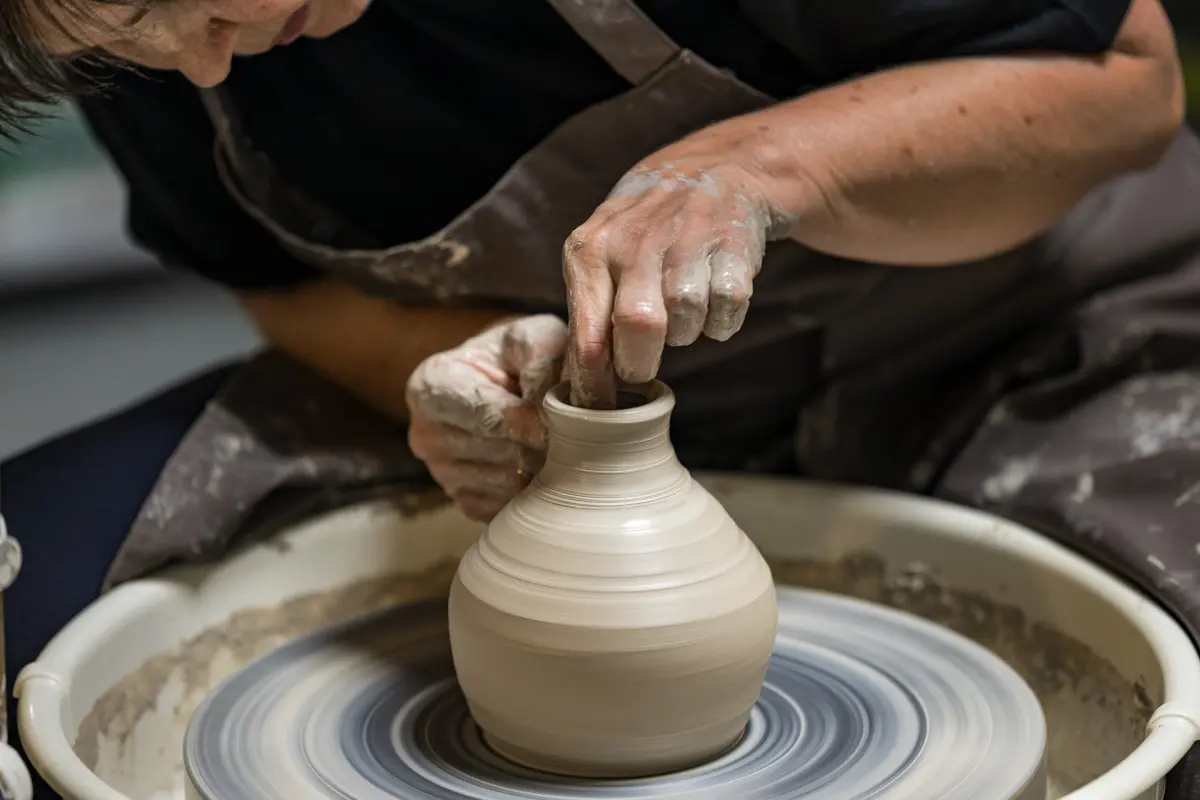
The production of porcelain is a precise, multi-stage process that requires careful environmental control. After the raw materials are refined and mixed into a plastic-like paste, the object is shaped through methods like wheel throwing, slip casting, or industrial pressing. Once shaped, the piece must undergo a slow drying process to remove moisture, which prevents cracking during the intense heat of the kiln.
- Shaping: The clay is formed into the desired object using molds or a potter's wheel.
- Bisque Firing: The piece is fired at a lower temperature to harden the structure for glazing.
- Glazing: A liquid coating of minerals is applied to the surface for aesthetics and hygiene.
- High-Temperature Firing: The piece is fired again at temperatures exceeding 1,200°C to vitrify the body.
- Cooling: The kiln is cooled gradually to prevent thermal shock, which can cause the porcelain to shatter.
How to identify real porcelain?
Distinguishing genuine porcelain from other ceramics can be difficult for the untrained eye, but several physical characteristics provide clear indicators. First, check the translucency; if you hold a thin piece of the material up to a strong light source, you should be able to see the shadow of your fingers through the body. Second, examine the foot of the object, which is the unglazed ring on the bottom.
- Texture: Genuine porcelain feels smooth and glass-like, whereas earthenware feels gritty or chalky.
- Sound: When gently tapped with a metal object, high-quality porcelain produces a clear, high-pitched ringing sound.
- Weight: Porcelain is typically thinner and lighter than stoneware while remaining significantly stronger.
- Porosity: If you place a drop of ink on an unglazed area, it should remain on the surface rather than soaking into the material.
Common mistakes when caring for porcelain
Because porcelain is a hard and brittle material, improper handling can lead to permanent damage. A frequent mistake is subjecting porcelain to rapid temperature changes, known as thermal shock. Placing a cold porcelain dish directly into a hot oven or pouring boiling water into a freezing cold vessel can cause the material to crack or shatter instantly. Always allow porcelain to reach room temperature before applying extreme heat.
Another common error involves the use of abrasive cleaning tools. While the porcelain body is hard, the decorative glaze on the surface can be scratched by steel wool or harsh scouring pads. Once the glaze is compromised, the piece loses its aesthetic appeal and becomes more susceptible to staining. To maintain your collection, follow these simple maintenance guidelines:
- Use mild liquid detergents rather than abrasive powders.
- Avoid stacking delicate porcelain plates without protective felt or cloth separators.
- Hand wash antique or gilded pieces rather than using a dishwasher.
- Inspect the edges regularly for hairline fractures that may indicate structural weakness.
Why is porcelain used in industry?
Beyond its use in fine dining, porcelain serves critical roles in modern technology and medicine due to its unique physical properties. Because it is an electrical insulator and highly resistant to heat, it is a standard material for high-voltage power line insulators. It prevents electricity from arcing through the support structures, ensuring stability in electrical grids worldwide. Its chemical inertness also makes it the preferred choice for laboratory crucibles and mortars used to grind reactive substances.
In the medical field, dental porcelain has revolutionized restorative dentistry. It is used to create crowns and veneers because it mimics the light-reflecting properties of natural tooth enamel while offering high compressive strength. Its biocompatibility ensures that it does not cause adverse reactions within the human mouth. Whether in a kitchen or a high-tech laboratory, the material remains a vital component of human infrastructure, valued for its ability to withstand extreme conditions without degrading over time.
Key facts
- Porcelain is a ceramic material made by heating kaolin clay to temperatures between 1,200°C and 1,400°C.
- The high firing temperature causes vitrification, a process where the clay turns into a glass-like, non-porous substance.
- True porcelain is translucent when held up to a strong light, a key test for identifying genuine pieces.
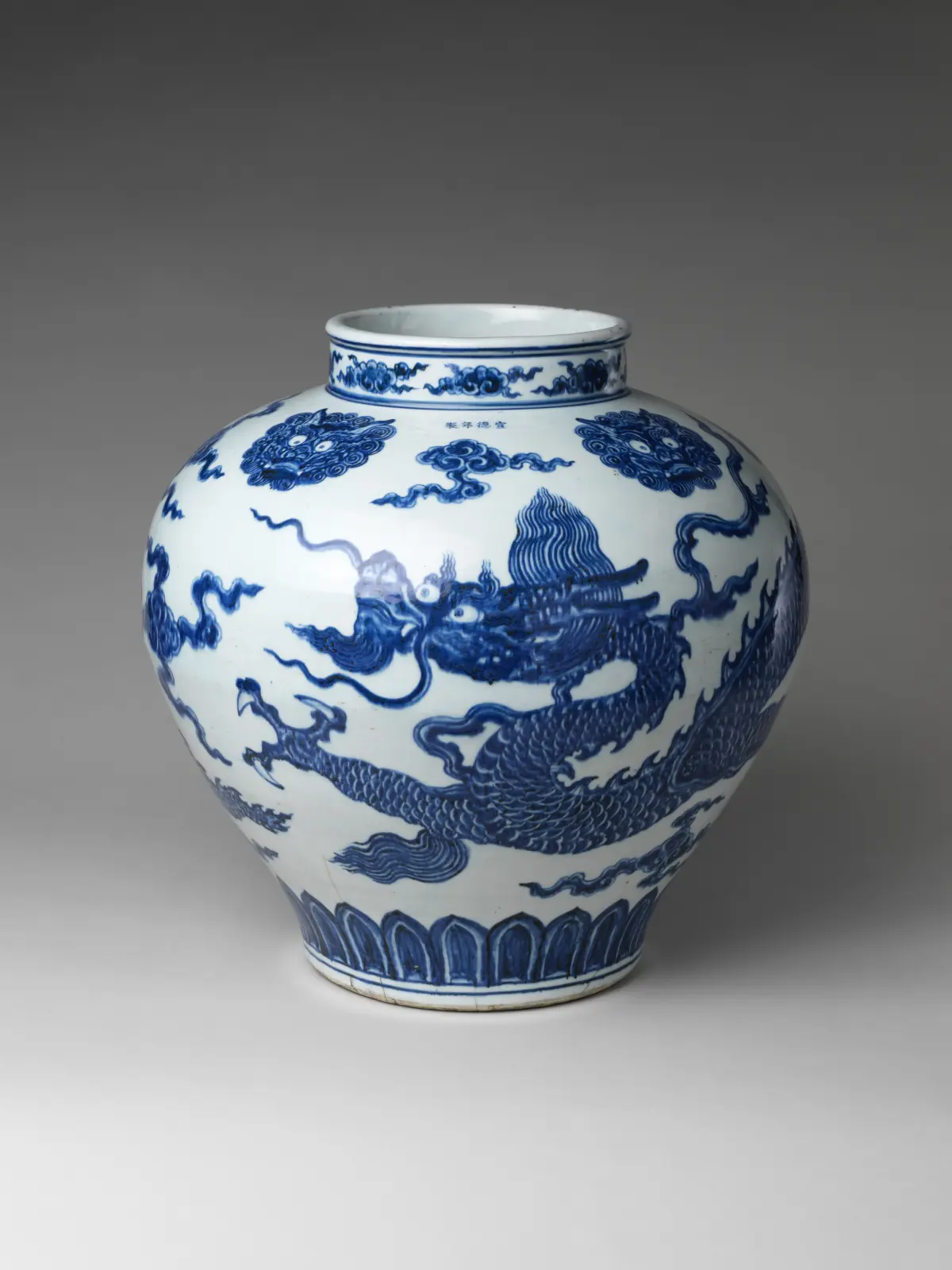
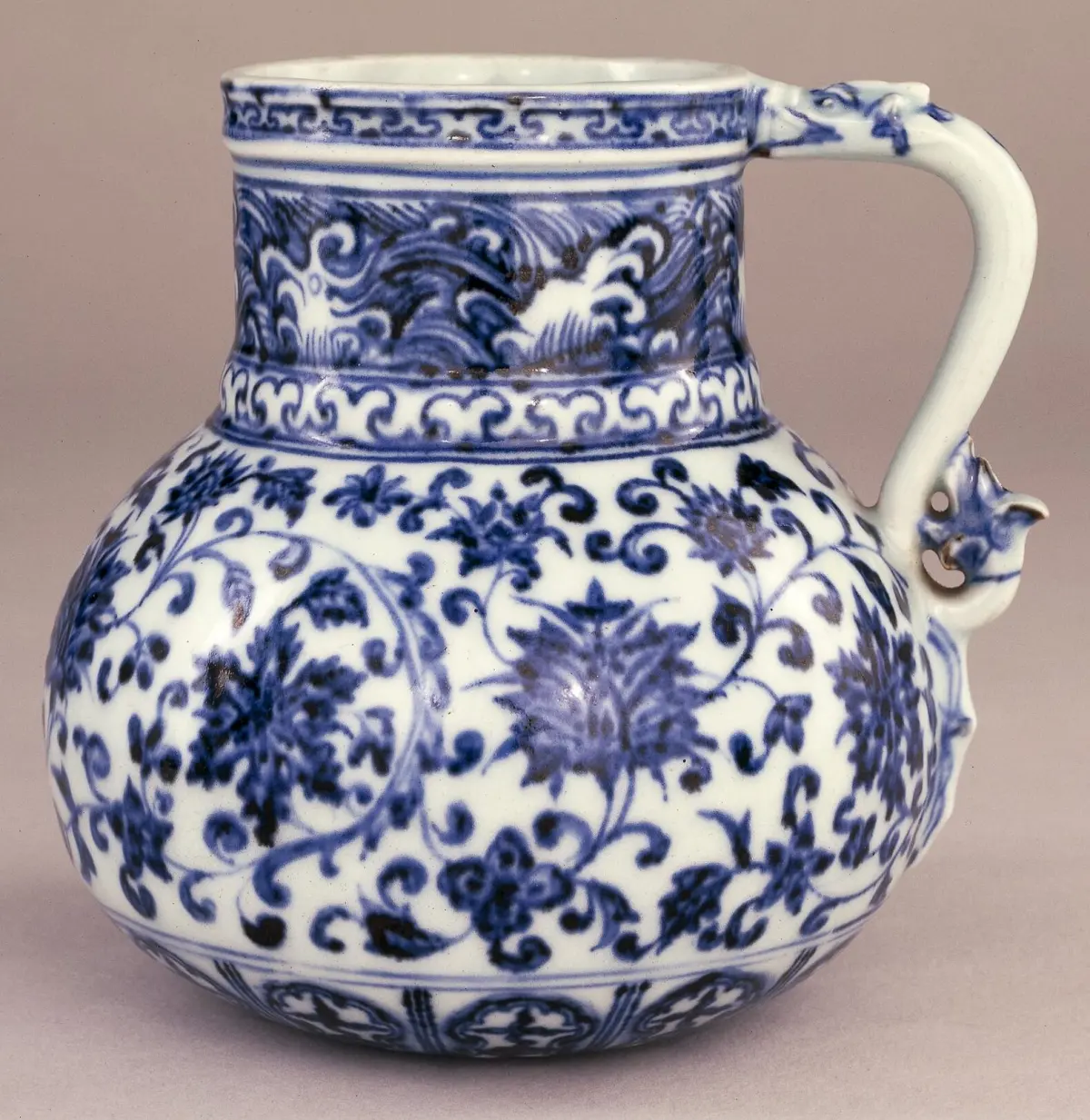
- It was first developed in China during the Tang Dynasty (618–907 CE) and perfected during the Ming Dynasty.
- Unlike stoneware, porcelain is highly resistant to chemical attack and thermal shock, making it ideal for laboratory equipment.
- To avoid cracking porcelain, always heat it gradually and never subject it to sudden temperature changes.
The bottom line
Porcelain is a sophisticated ceramic prized for its durability, translucency, and non-porous surface. Created through intense heat, this material has evolved from ancient Chinese artistry to essential modern applications in kitchens, laboratories, and medicine. Understanding its unique composition helps collectors and homeowners alike value its strength and beauty. Whether displayed as fine art or used daily, porcelain remains a pinnacle of human craftsmanship and material science.
People also ask
What is the difference between porcelain and ceramic?
While all porcelain is ceramic, not all ceramics are porcelain. Porcelain is a specific type of ceramic fired at much higher temperatures, resulting in a denser, non-porous, and translucent material.
Is porcelain dishwasher safe?
Most modern porcelain is dishwasher safe, but gold-rimmed or hand-painted antique pieces should be hand-washed. The harsh detergents and high heat of a dishwasher can cause decorative glazes to fade or chip over time.
Why is porcelain used for dental crowns?
Porcelain is used in dentistry because it mimics the natural color and translucency of human teeth. It is also biocompatible, meaning it is non-toxic and does not irritate the gums or surrounding tissues.
How can I tell if an item is real porcelain?
Tap the item gently with your finger; true porcelain produces a high-pitched, ringing sound rather than a dull thud. Additionally, check if the base is unglazed, as porcelain should feel smooth and glass-like even in unglazed areas.
Can porcelain be repaired if it chips?
Porcelain can be repaired using specialized epoxy resins or ceramic adhesives designed for high-heat surfaces. However, repaired items should generally be used for decorative purposes rather than food service due to potential hygiene risks.
What is bone china?
Bone china is a type of soft-paste porcelain that includes bone ash in its composition. This addition makes the material stronger, thinner, and more translucent than standard porcelain, allowing for delicate, lightweight dinnerware.
This answer was created with the help of AI research tools and reference sources. Spotted an error? Let us know — we correct mistakes quickly. See our editorial policy.