How do you teach handwriting?
Short answer
Teaching handwriting requires a structured approach that prioritizes proper grip, posture, and consistent letter formation. Begin with gross motor development before moving to fine motor tasks. Use multisensory techniques, such as tracing in sand or air-writing, to reinforce muscle memory. Consistent practice in short, focused sessions remains the most effective method for mastery.
On this page
How to teach handwriting to beginners
The foundation of handwriting begins long before a child holds a pencil. Educators emphasize the development of core strength and shoulder stability, which are essential for controlling the hand. Before introducing formal writing, children should engage in activities that strengthen the pincer grasp, such as using tweezers, threading beads, or manipulating clay. These exercises build the necessary dexterity for the tripod grip, where the pencil rests between the thumb and index finger while supported by the middle finger.
Once fine motor skills are established, instruction should move to letter formation. It is vital to teach letters in groups based on shared strokes rather than alphabetical order. For instance, teaching letters that start with a "magic c" shape—such as c, a, d, g, and o—allows students to master a specific movement pattern before moving to vertical or diagonal lines. Using lined paper with a midline provides a visual anchor that helps students understand the relationship between letter height and baseline placement.
Best tools for teaching handwriting
Selecting the right materials can significantly impact a student’s progress and comfort. For early learners, thick, triangular-shaped crayons or pencils are recommended because they naturally encourage the correct finger placement. As the student gains control, transitioning to standard-sized pencils or ergonomic pens helps refine their technique. Paper choice also matters; using paper with raised tactile lines or highlighted base lines can provide sensory feedback that helps children stay within the designated writing space.
When introducing writing surfaces, consider these options:
- Chalkboards or whiteboards for large-scale, rhythmic letter formation.
- Sand or salt trays for tactile tracing of letter shapes.
- Lined paper with color-coded top, middle, and bottom lines.
- Weighted pens for students who need extra proprioceptive feedback.
Using these tools in a rotating fashion keeps the learning process engaging. By varying the medium, you ensure that the student is not just memorizing a shape, but internalizing the physical motion required to produce it.
How long does it take to learn handwriting
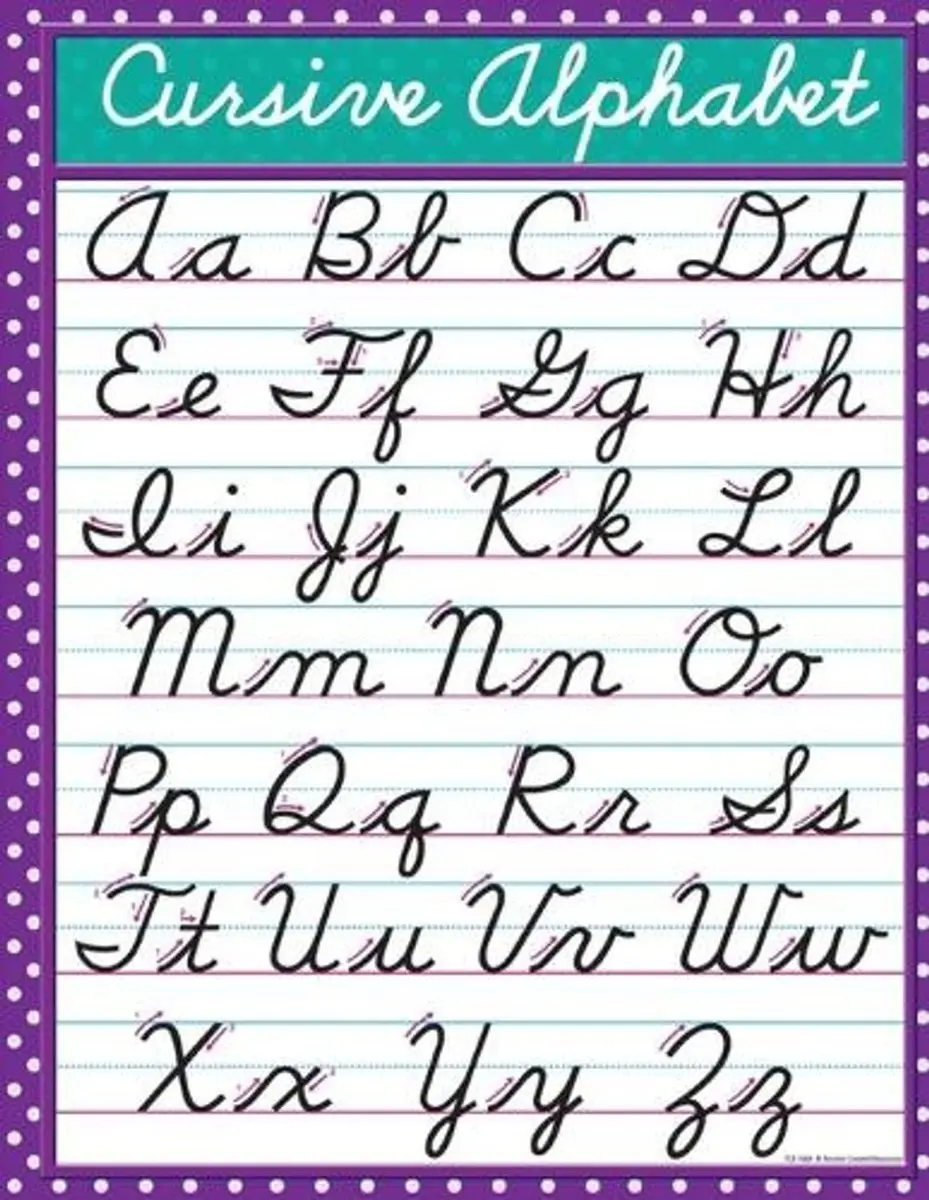
Mastering handwriting is a developmental process that typically spans several years of primary education. Most children begin learning letter recognition and basic stroke formation around age four or five. By age six or seven, students are generally expected to write simple sentences with legible spacing and consistent sizing. Fluency in cursive, which requires more complex motor coordination, is usually introduced in the third or fourth grade, typically between the ages of eight and ten.
It is important to recognize that individual progress varies significantly based on neurological development and the frequency of practice. Consistent, short daily sessions—lasting no more than 15 to 20 minutes—are far more effective than long, infrequent practice periods. Over time, the focus shifts from the effort of forming individual letters to the speed and flow of writing words and sentences. Patience is essential, as forcing a child to write for extended periods often leads to fatigue and poor technique.
Common mistakes when teaching handwriting
One of the most frequent errors is allowing a student to adopt an inefficient pencil grip or poor posture too early. Once a child develops a "hooked" wrist or an overly tight grip, these habits become very difficult to correct later. Another common mistake is focusing on the aesthetic quality of the letters rather than the process of formation. If a student produces a beautiful letter but uses an incorrect stroke sequence, they will struggle to maintain speed and legibility when writing longer texts.
To avoid these pitfalls, follow these structured steps:
- Observe the student’s grip during every session and offer gentle, immediate corrections.
- Ensure the student’s feet are flat on the floor and their non-dominant hand is holding the paper steady.
- Prioritize consistent starting points for each letter to build reliable muscle memory.
- Avoid rushing the transition to cursive until print handwriting is fluid and automatic.
By addressing these mechanical issues early, you prevent the development of long-term frustration and physical discomfort.
Why poor handwriting happens
Poor handwriting often stems from a lack of foundational motor skills or improper instruction during the initial learning phase. When a student lacks the necessary shoulder or wrist stability, they may compensate by pressing too hard on the paper, leading to hand cramps and slow writing speeds. Additionally, if a student has not mastered the spatial awareness required to differentiate between letters like "b" and "d," their writing will remain inconsistent and difficult to read.
Sometimes, poor handwriting is also linked to difficulties with visual-motor integration, where the brain struggles to coordinate what the eyes see with what the hand produces. In these cases, additional practice with tracing and copying shapes can help bridge the gap. It is also worth noting that as students move into higher grades, the pressure to write quickly can cause legibility to decline. Encouraging a balance between speed and precision is the final stage of handwriting mastery, ensuring that the student can communicate effectively throughout their academic life and beyond.
Key facts
- Proper pencil grip, known as the dynamic tripod grasp, involves holding the pencil between the thumb and index finger while resting it on the middle finger.
- Research suggests that handwriting instruction should begin with uppercase letters before moving to lowercase to simplify spatial orientation.
- Consistent practice sessions of 10 to 15 minutes per day are more effective for motor skill development than longer, infrequent sessions.
- Using lined paper with a midline helps students understand letter height, spacing, and proportion relative to the baseline.
- Teaching letter formation in groups based on similar strokes—such as starting all letters with a "c" shape—accelerates muscle memory.
- Left-handed writers should tilt their paper slightly to the right to maintain visibility and prevent smudging as they write across the page.
The bottom line
Teaching handwriting is a foundational process that relies on developing fine motor skills, proper posture, and consistent repetition. By focusing on correct grip, stroke sequence, and daily practice, learners can build the muscle memory necessary for legible writing. While digital tools are prevalent, handwriting remains a critical skill for cognitive development and academic success, providing a unique, tactile connection to language that typing cannot replicate.
People also ask
Should children learn print or cursive first?
Most educators recommend starting with print, or manuscript, because it matches the text children see in books. Once print is mastered, usually around the third grade, cursive can be introduced to improve speed and flow.
How can I help a child who struggles with pencil pressure?
If a child presses too hard, try using a softer lead pencil or a mechanical pencil that breaks if too much force is applied. For children who press too lightly, weighted pencil grips or textured surfaces can provide the sensory feedback needed to adjust their grip.
At what age should handwriting instruction begin
Formal handwriting instruction typically begins in kindergarten, around age five, once a child has developed sufficient fine motor control. Before this, activities like coloring, using playdough, and tracing shapes help build the necessary hand strength.
Why is handwriting still relevant in the digital age?
Handwriting engages different neural pathways than typing, which has been shown to improve memory retention and conceptual understanding. It remains a vital tool for note-taking, creative expression, and completing essential daily tasks.
How do I correct a poor pencil grip?
Use small, triangular-shaped crayons or specialized rubber pencil grips to force the fingers into the correct position. Consistent, gentle reminders are more effective than criticism, as forcing a change can cause frustration and discourage practice.
What is the most common mistake in teaching handwriting?
The most frequent error is focusing on speed rather than letter formation during the initial learning phase. Prioritizing neatness and correct stroke sequence prevents the development of bad habits that become very difficult to correct later on.
This answer was created with the help of AI research tools and reference sources. Spotted an error? Let us know — we correct mistakes quickly. See our editorial policy.