What do chickens eat?
Short answer
Chickens are omnivores that thrive on a balanced diet of high-quality commercial feed, supplemented by fresh greens, insects, and kitchen scraps. They require consistent access to protein, calcium, and grit to maintain health and egg production. Providing clean water and avoiding toxic foods is essential for a productive and healthy flock.
On this page
What is the best diet for chickens?
A chicken’s nutritional needs change depending on its age and whether it is currently laying eggs. Most experts recommend a base of commercial poultry feed, which is scientifically formulated to provide the correct ratio of protein, carbohydrates, vitamins, and minerals. Chicks require "starter" feed with higher protein levels to support rapid growth, while adult layers need "layer" feed containing extra calcium to ensure strong eggshells.
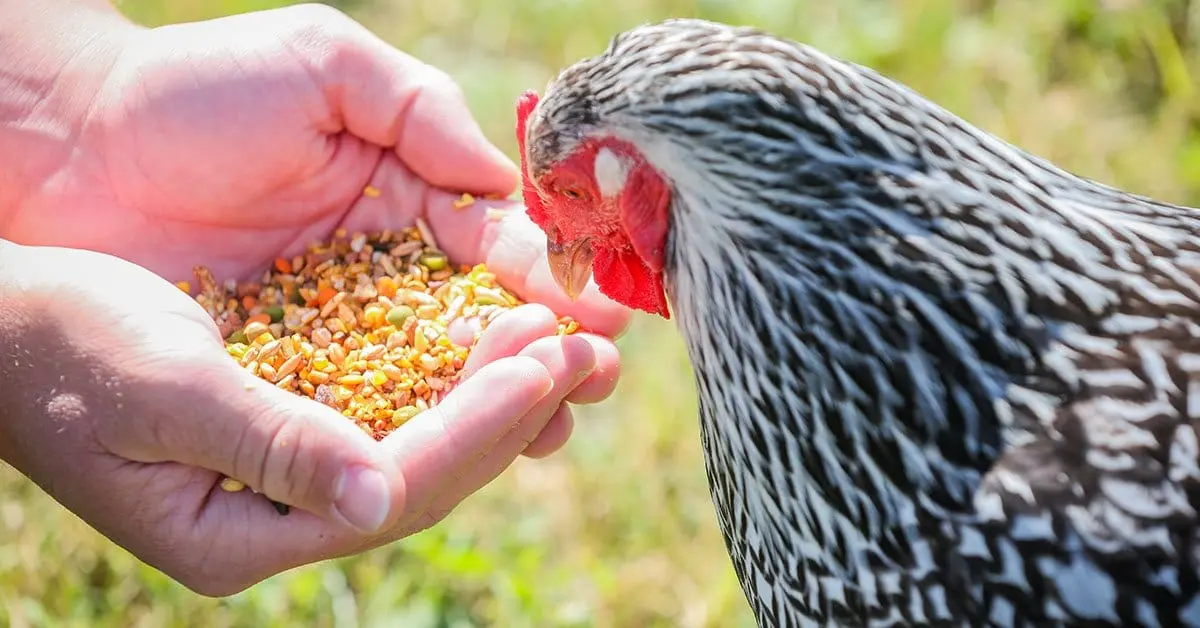
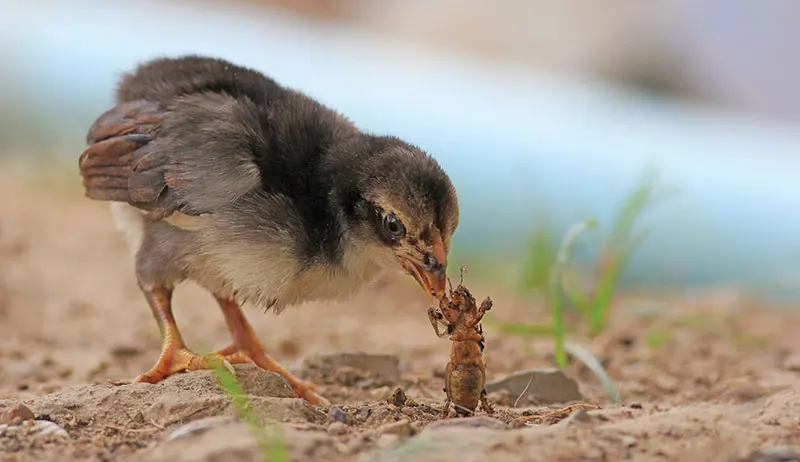
Beyond commercial feed, chickens benefit from a varied diet that mimics their natural foraging behavior. You can supplement their daily intake with high-protein treats like mealworms, sunflower seeds, or cooked beans. However, these supplements should never make up more than 10% of their total daily caloric intake to ensure they do not become malnourished by filling up on "junk food" rather than their nutrient-dense base feed.
How to provide grit and calcium supplements
Chickens do not have teeth, so they rely on a muscular organ called the gizzard to grind their food. To assist in this process, they must ingest small, hard particles known as grit. If chickens are kept in a run or a coop where they cannot forage for natural pebbles or sand, you must provide a bowl of insoluble granite grit to prevent digestive impaction.
Calcium is equally critical for laying hens, as the production of an eggshell depletes their internal stores. If a hen does not receive enough calcium, her body will leach it from her own bones, leading to health issues. Follow these steps to manage supplementation:
- Purchase crushed oyster shell or limestone from a feed store.
- Place the supplement in a separate dish so hens can eat it free-choice.
- Observe the flock to ensure they are consuming the supplement as needed.
- Never mix calcium directly into the main feed, as it can be harmful to younger birds or roosters.
What foods are toxic to chickens?
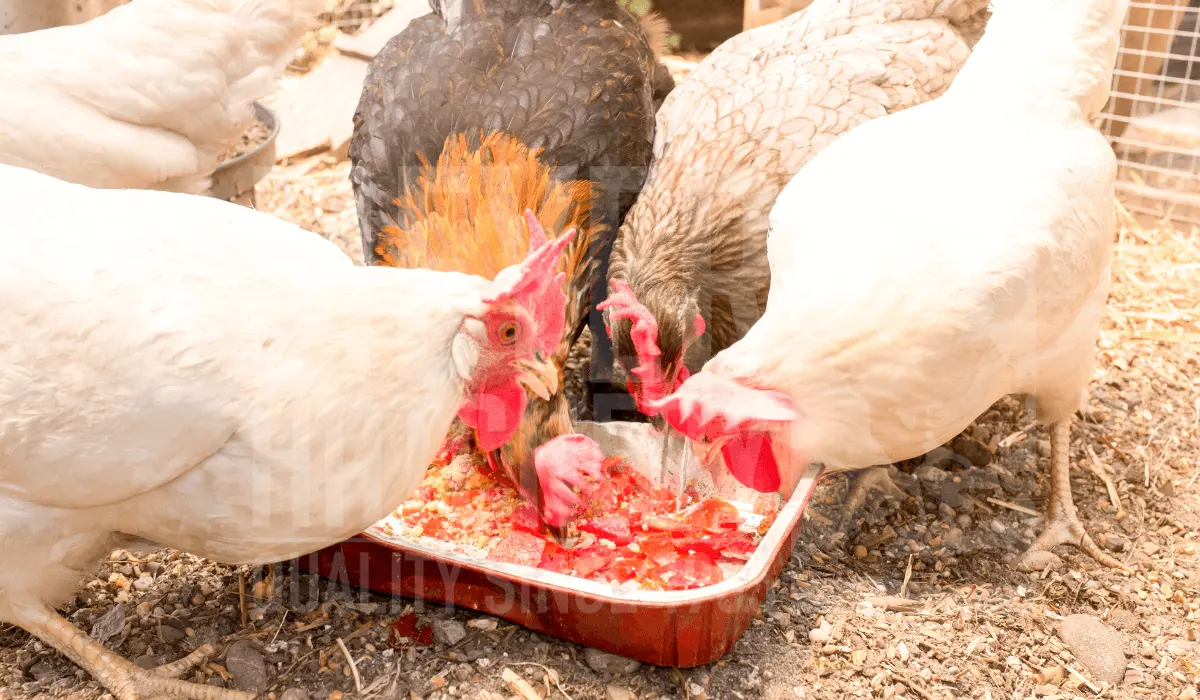
While chickens are famous for eating almost anything, certain household foods are dangerous or even fatal to them. You must strictly avoid feeding them anything that could cause toxic reactions or digestive distress. Common household items to exclude from their diet include:
- Raw or dried beans, which contain hemagglutinin.
- Avocado skins and pits, which contain persin.
- Chocolate, caffeine, and alcohol.
- Raw potato peels or green potatoes, which contain solanine.
- Moldy or rotten kitchen scraps.
In addition to these specific items, avoid feeding chickens salty, sugary, or highly processed human foods. Salt can lead to kidney damage and excessive water consumption, while sugary treats can cause obesity and interfere with egg production. Always inspect kitchen scraps carefully before throwing them into the coop to ensure no spoiled or toxic materials are present. When in doubt, it is safer to discard the item in a compost bin rather than risking the health of your flock.
How to manage water and hydration
Clean, fresh water is the most important component of a chicken's diet. A chicken will drink significantly more water than it eats, especially during hot summer months or when the bird is actively laying eggs. Dehydration can lead to a rapid drop in egg production and can make the birds susceptible to heat stress or respiratory infections.
To maintain proper hydration, keep waterers clean and free of algae or debris. In the winter, you may need to use a heated water base to prevent the supply from freezing. Check the water level at least once a day, particularly in the morning and evening. If you use a hanging waterer, ensure it is positioned at the height of the birds' backs to prevent them from kicking dirt and bedding into the reservoir.
Common mistakes when feeding chickens
One of the most frequent errors owners make is overfeeding treats, which can lead to obesity and a decrease in egg quality. When chickens fill up on kitchen scraps, they often ignore their nutritionally balanced feed, leading to vitamin deficiencies. Another common mistake is failing to provide enough feeder space, which causes aggressive birds to hoard food and prevents smaller or lower-ranking chickens from eating their fill.
To avoid these pitfalls, follow these practical management tips:
- Remove any uneaten wet scraps within a few hours to prevent pests and bacterial growth.
- Use a "trough" or "hanging" feeder to minimize waste and keep the food off the ground.
- Keep the feeding area dry, as damp feed can quickly develop mold, which is toxic to poultry.
- Monitor the flock’s weight periodically to ensure they are maintaining a healthy body condition.
By maintaining a consistent routine and prioritizing high-quality commercial feed, you provide the foundation for a long and productive life for your chickens. Proper nutrition directly influences the quality of the eggs produced and the overall vitality of the birds. Observing your chickens daily will help you catch any issues early, ensuring your flock remains healthy, active, and well-fed throughout the year.
Key facts
- Chickens are omnivores that require a balanced diet of protein, carbohydrates, fats, vitamins, and minerals to maintain health and egg production.
- Commercial layer feed typically contains 16% to 18% protein, which is essential for consistent egg laying.
- Grit, such as small stones or crushed granite, is mandatory for chickens because they lack teeth and need it to grind food in their gizzard.
- Calcium supplements like crushed oyster shells should be provided in a separate container so hens can consume them as needed for strong eggshells.
- Fresh, clean water must be available at all times, as a chicken’s body is approximately 70% water and dehydration quickly halts egg production.
- Avoid feeding chickens raw beans, potato peels, avocado skins, or anything moldy, as these can be toxic or cause severe digestive distress.
The bottom line
Providing a balanced diet is the cornerstone of raising healthy, productive chickens. By combining high-quality commercial layer feed with essential grit and calcium, you ensure your flock receives proper nutrition. Supplementing with safe kitchen scraps adds variety, but always avoid toxic foods like raw beans or moldy items. Consistent access to fresh water remains the most critical factor in maintaining their overall health and vitality.
People also ask
Can chickens eat kitchen scraps?
Yes, chickens love vegetable peelings, fruit scraps, and cooked grains. However, ensure the scraps are not spoiled or moldy, and avoid feeding them high-salt or high-fat processed foods.
How much food does one chicken eat per day?
An average adult chicken consumes about 1/4 to 1/3 pound (roughly 115–150 grams) of feed daily. This amount can fluctuate based on the breed, the bird's size, and the current weather conditions.
Why do chickens need oyster shells?
Oyster shells provide a concentrated source of calcium, which is vital for producing hard, healthy eggshells. Without this supplement, hens may lay eggs with thin, brittle shells or experience calcium deficiencies.
Is it safe to feed chickens grass clippings?
You can feed them grass, but only if it has not been treated with pesticides or herbicides. Long, stringy grass can cause impacted crops, so ensure the clippings are short and fresh.
Should I feed chickens corn?
Corn is an excellent source of energy, especially in cold weather, but it should be treated as a treat rather than a primary diet. Too much corn can lead to obesity and reduced egg production.
Can chickens eat bread?
Chickens can eat small amounts of plain bread as an occasional treat. Avoid feeding them large quantities, as it lacks necessary nutrients and can lead to unhealthy weight gain.
This answer was created with the help of AI research tools and reference sources. Spotted an error? Let us know — we correct mistakes quickly. See our editorial policy.