Where do chameleons live?
Short answer
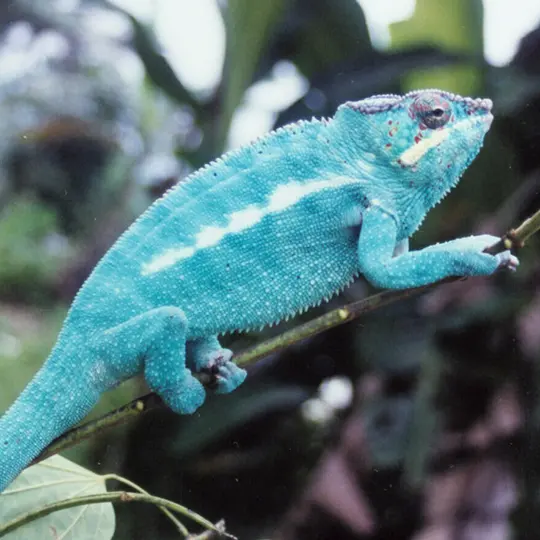
Chameleons primarily inhabit the African continent and the island of Madagascar, which hosts nearly half of all known species. They also occupy regions across southern Europe, the Middle East, and parts of southern Asia. These reptiles thrive in diverse environments ranging from tropical rainforests and savannas to arid deserts and mountains.
On this page
Where do chameleons live in the wild?
Chameleons are native to the Old World, with the vast majority of species concentrated in Africa and Madagascar. While they are most famous for their presence in dense tropical rainforests, their distribution is surprisingly broad. They have adapted to various ecosystems, including semi-arid regions, scrublands, and high-altitude mountain ranges. In Madagascar alone, there are over 150 unique species that have evolved in isolation, making it the global epicenter of chameleon diversity.
Beyond the African continent, these lizards have established populations in southern Europe, specifically in the Mediterranean region, and across the Middle East. Some species are also found in parts of India and Sri Lanka. While they are primarily arboreal, meaning they spend most of their lives in trees, some terrestrial species have adapted to life on the forest floor. Regardless of the specific location, they generally require environments with stable temperatures and sufficient vegetation to provide both shelter and camouflage.
What kind of habitat do chameleons need?
To survive and thrive, chameleons require specific environmental conditions that mimic their natural wild habitats. Because they are ectothermic, they rely on their surroundings to regulate their body temperature. They need a gradient of heat, allowing them to move between sunny spots for basking and shaded areas to cool down. Humidity is equally critical, as it supports proper hydration and aids in the shedding of their skin.
A suitable habitat must include the following essential features:
- Vertical space: Dense foliage, branches, and vines are necessary for climbing and security.
- Temperature gradients: A range of temperatures allows the lizard to thermoregulate effectively.
- Proper ventilation: Stagnant air can lead to respiratory infections and bacterial growth.
- High-quality hydration: Access to water droplets on leaves or a misting system is vital, as many chameleons do not recognize standing water.
Can chameleons live in North America?
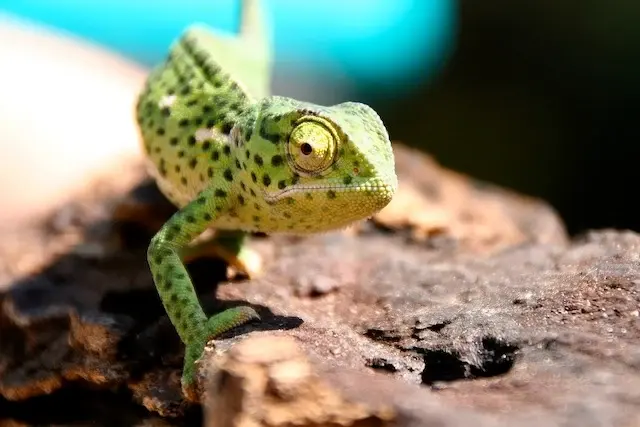
Chameleons are not native to North America, but several non-native species have been introduced to the region, particularly in Florida. The most prominent example is the veiled chameleon, which has established breeding populations in the wild due to the state's warm, humid climate. While these populations are technically invasive, they have managed to survive in suburban areas and pockets of tropical vegetation.
However, these introduced chameleons face challenges that differ from their natural habitats. They must contend with local predators, varying seasonal temperatures, and human development. It is important to note that these animals are not naturally occurring in the United States, and their presence is the result of the pet trade and accidental or intentional releases. Experts generally advise against releasing captive chameleons into the wild, as they can disrupt local ecosystems and struggle to adapt to the specific pressures of an unfamiliar environment.
Common mistakes when setting up a habitat
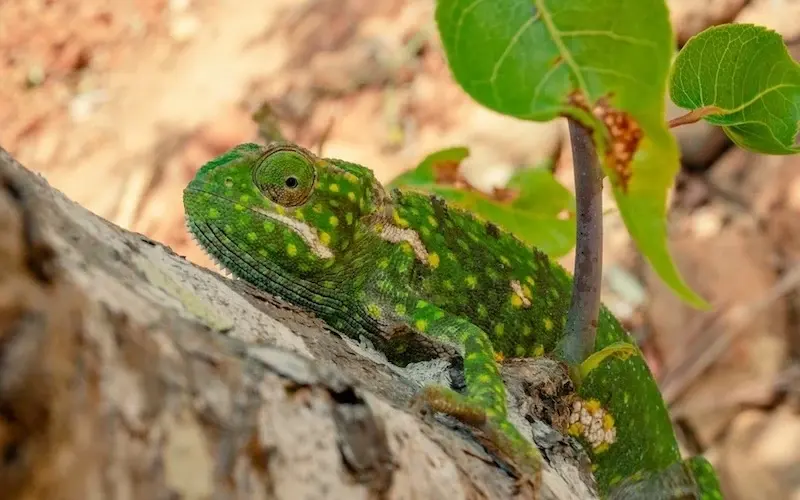
Many people interested in keeping chameleons make significant errors when attempting to replicate their natural living conditions. One of the most common mistakes is providing an enclosure that is too small or lacks sufficient vertical climbing structures. Chameleons are highly sensitive to their environment; a cramped space leads to chronic stress, which can suppress their immune system and lead to severe health issues.
- Avoid glass terrariums: These often lack the necessary airflow and can cause the chameleon to become stressed by seeing its own reflection.
- Ensure proper hydration: Relying on a water bowl is a mistake, as most chameleons will not drink from one.
- Monitor lighting: Using the wrong type of UVB bulb can lead to metabolic bone disease, a painful and often fatal condition.
- Maintain hygiene: Failing to clean the enclosure regularly allows bacteria to accumulate, which is a leading cause of illness in captive reptiles.
How to identify a healthy chameleon environment
A healthy environment for a chameleon is one that prioritizes the animal’s need for security and natural behavior. In the wild, chameleons spend their time hunting, basking, and hiding from predators. A high-quality habitat should offer enough visual barriers, such as live plants, to allow the lizard to retreat from view whenever it feels threatened. If a chameleon is constantly visible and unable to find a private space, it will likely suffer from stress-related health decline.
Monitoring the health of the environment involves regular checks of temperature and humidity levels using digital gauges. You should also observe the animal's behavior; a healthy chameleon is alert, moves with purpose, and maintains a steady appetite. If you notice the lizard spending excessive time at the bottom of the enclosure or showing signs of dull coloration, it may indicate that the habitat conditions are not meeting its specific biological requirements. By carefully replicating the complexity of their native ecosystems, you can ensure the animal lives a long and healthy life.
Key facts
- Roughly 50 percent of all known chameleon species are endemic to the island of Madagascar.
- Chameleons primarily inhabit tropical rainforests, savannas, and semi-arid deserts across Africa and southern Europe.
- These reptiles are arboreal, meaning they spend the vast majority of their lives living in trees or shrubs.
- When keeping a pet chameleon, ensure the enclosure has high vertical space rather than horizontal floor area to mimic their natural habitat.
- Avoid placing chameleon cages in high-traffic areas of a home, as these animals are easily stressed by loud noises and sudden movements.
- Never house two chameleons in the same enclosure, as they are highly territorial and will fight to establish dominance.
The bottom line
Chameleons inhabit diverse environments ranging from lush tropical rainforests to harsh deserts, with a significant concentration found on the island of Madagascar. Most species are strictly arboreal, requiring complex vertical structures to thrive. Whether observing them in the wild or caring for one in captivity, understanding their need for solitude, proper ventilation, and specific temperature gradients is essential for their long-term health and survival.
People also ask
Can chameleons live in the wild in the United States?
While not native to the U.S., the veiled chameleon and the panther chameleon have established invasive populations in parts of Florida. These populations thrive in the warm, humid climate that mirrors their natural African habitats.
Do chameleons live in the desert?
Yes, certain species such as the Namaqua chameleon are specifically adapted to desert environments. They have developed unique behaviors, like burrowing into the sand to regulate their body temperature during extreme heat.
How do chameleons choose where to sleep?
Chameleons typically seek out high, thin branches at night to avoid ground-dwelling predators. They often change their color to a paler shade while sleeping to blend in with the moonlight or shadows.
Do all chameleons live in trees?
Most species are arboreal, but some, like the ground chameleon, spend their entire lives on the forest floor. These species are generally smaller and rely on leaf litter for camouflage rather than climbing branches.
How much space does a chameleon need to live comfortably?
A captive chameleon requires a tall, well-ventilated mesh enclosure that allows for proper airflow. A minimum size of 24x24x48 inches is recommended for most adult species to ensure they can move vertically.
Do chameleons migrate to different regions?
Chameleons are generally sedentary animals that occupy a specific home range throughout their lives. They do not migrate in the traditional sense, though they may shift positions within their territory to find better food or sunlight.
This answer was created with the help of AI research tools and reference sources. Spotted an error? Let us know — we correct mistakes quickly. See our editorial policy.