What is Alice Lake?
Short answer
Alice Lake is a popular provincial park located in British Columbia, Canada, situated approximately 13 kilometers north of Squamish. It is famous for its four freshwater lakes, lush coastal rainforest, and extensive network of hiking and mountain biking trails, serving as a premier destination for camping, swimming, and outdoor recreation.
On this page
What is there to do at Alice Lake?
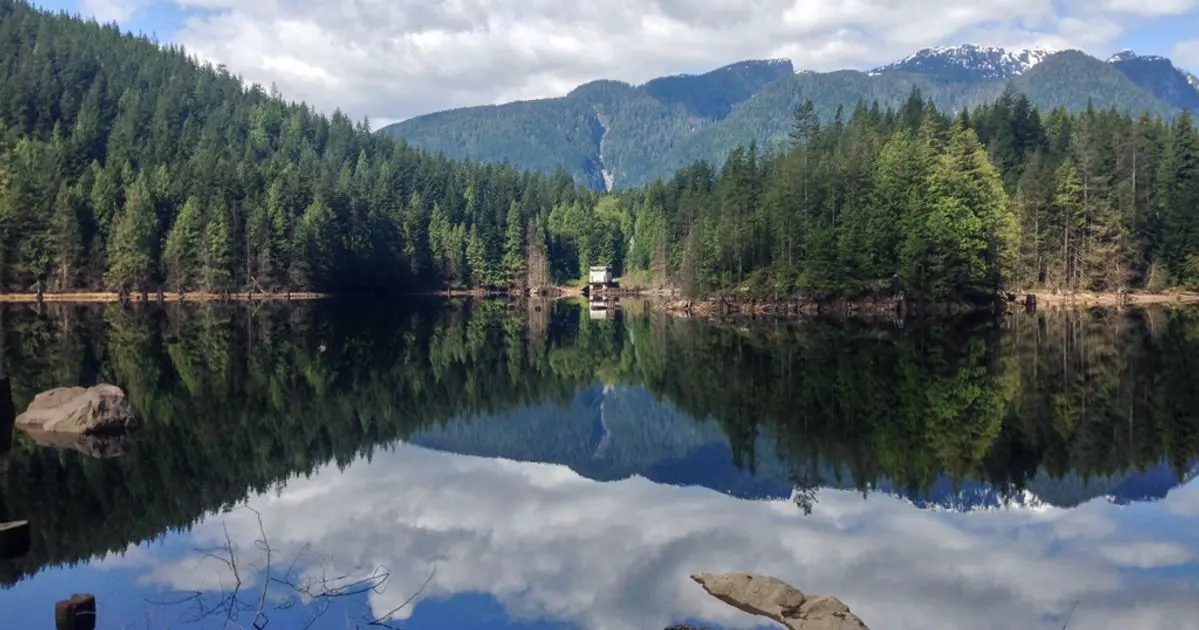
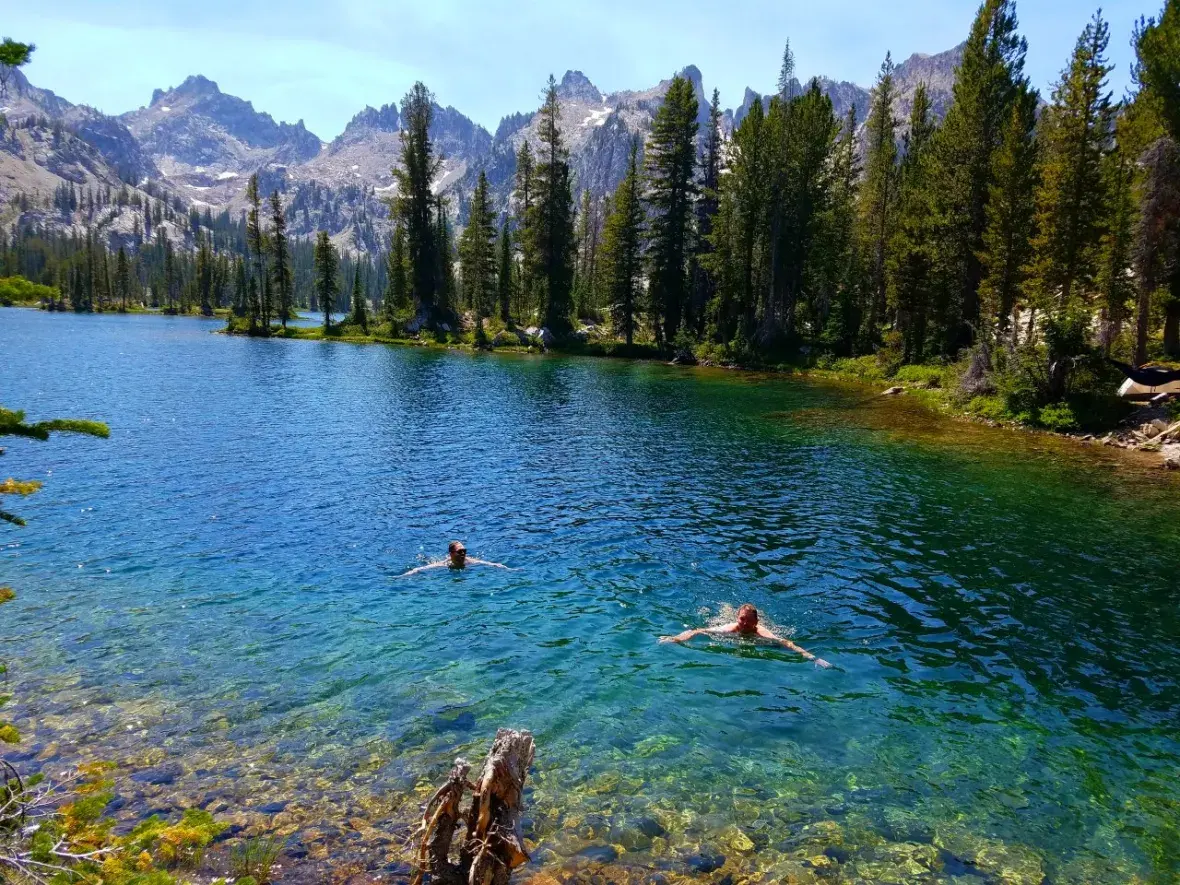
Alice Lake Provincial Park offers a diverse range of outdoor activities centered around its four primary lakes: Alice, Edith, Fawn, and Stump. The park is most renowned for its swimming beaches, which feature sandy shores and clear, cool water perfect for summer cooling. Beyond swimming, visitors can rent canoes, kayaks, and stand-up paddleboards to explore the tranquil waters. The surrounding forest provides a dense canopy that keeps the area shaded and cool, making it an ideal spot for family picnics and afternoon relaxation.
For those seeking more active pursuits, the park serves as a gateway to some of the best mountain biking and hiking terrain in the Sea-to-Sky corridor. The trails range from gentle, family-friendly loops around the lakes to challenging routes that climb into the higher elevations of the surrounding mountains. Whether you are looking for a leisurely stroll or a strenuous workout, the park’s infrastructure supports a wide variety of skill levels and interests throughout the year.
How to plan a camping trip at Alice Lake
Securing a campsite at Alice Lake requires careful planning, especially during the peak summer months of July and August. The park features 108 vehicle-accessible campsites, many of which are equipped with fire pits and picnic tables. Because the park is highly popular among residents of Vancouver and Squamish, campsites often book up months in advance through the provincial reservation system. It is essential to check the official BC Parks website to confirm availability and booking windows for your desired travel dates.
When preparing for your stay, keep the following logistics in mind:
- Reservations are mandatory for the peak season and can be made up to four months in advance.
- Each campsite allows a maximum of eight people, with a strict limit on the number of vehicles permitted per site.
- Pets must be kept on a leash at all times while within the park boundaries.
- Quiet hours are strictly enforced from 11:00 PM to 7:00 AM to ensure a peaceful environment for all campers.
- Firewood must be purchased from the park operator to prevent the spread of invasive forest pests.
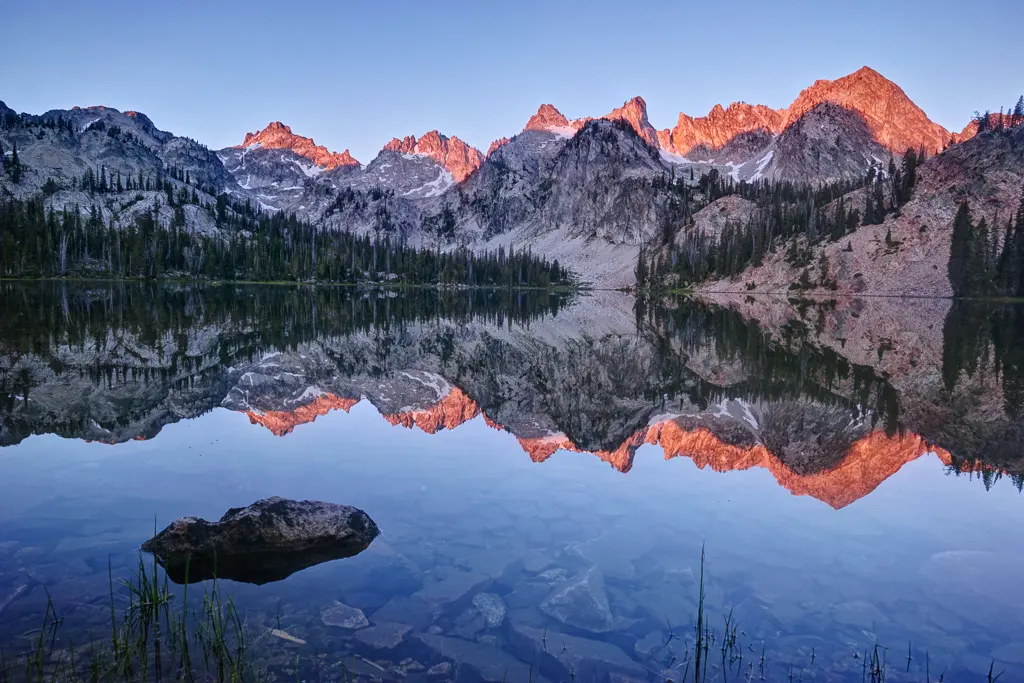
Best trails for hiking and biking
The trail system at Alice Lake is extensive, connecting the park to the broader Squamish trail network. The Four Lakes Trail is the most popular route, a six-kilometer loop that takes hikers past all four lakes in the park. This trail is relatively flat and well-maintained, making it accessible for children and casual walkers. For mountain bikers, the park is famous for its technical singletrack trails that wind through mossy, old-growth forests and steep rock faces.
If you are new to the area, consider these recommendations:
- Start with the Four Lakes Trail to get a sense of the park's topography and scenic beauty.
- Visit the "Bob McIntosh Memorial Trail" if you are looking for a slightly more elevated view of the valley.
- Consult trail maps at the park entrance, as some routes are designated for mountain bikes only and can be dangerous for hikers.
- Always wear appropriate footwear, as the forest floor can be slippery and uneven, especially after rainfall.
- Carry a physical map or a downloaded GPS file, as cell service can be spotty in the deeper sections of the woods.
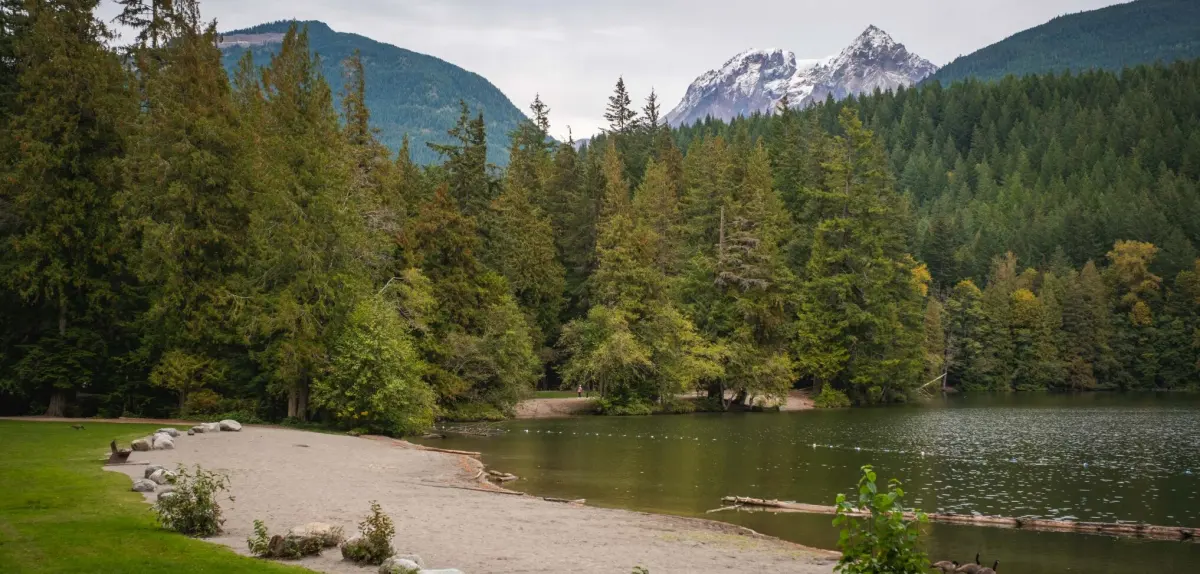
Why the park is a regional landmark
Alice Lake is considered a cornerstone of the Squamish outdoor community due to its unique microclimate and geological history. The lakes were formed by glacial activity, which left behind deep, clear basins surrounded by towering Douglas fir and western hemlock trees. This combination of water and forest creates a distinct habitat that supports a variety of local wildlife, including black bears, deer, and diverse bird species. The park’s proximity to the Sea-to-Sky Highway makes it an accessible escape from the urban density of nearby cities.
The park also holds cultural significance, as the land has been utilized by the Squamish Nation for generations. Visitors are encouraged to practice "Leave No Trace" principles to ensure the preservation of the natural environment and respect the cultural heritage of the region. By keeping the trails clean and minimizing noise, guests contribute to the ongoing health of the ecosystem. This stewardship is vital for maintaining the park’s status as a pristine wilderness area that remains open for public enjoyment for years to come.
Common mistakes when visiting Alice Lake
One of the most frequent errors visitors make is underestimating the changing weather conditions in the coastal mountains. Even on sunny days, the temperature can drop significantly once the sun dips behind the surrounding peaks or when clouds roll in from the Pacific. Many visitors arrive without adequate layers or rain protection, leading to discomfort during longer hikes. Always pack a light jacket and waterproof gear, regardless of the morning forecast, to ensure you are prepared for sudden shifts in the local climate.
Another common mistake involves wildlife interactions and food storage. Because the park is located in active black bear territory, leaving food, scented toiletries, or trash out at your campsite is dangerous and prohibited. All food items must be stored in a locked vehicle or a bear-proof container when not in use. Additionally, visitors often overestimate their physical fitness when choosing biking trails; stick to marked beginner paths if you are not experienced with technical mountain biking. By following these safety protocols and respecting the park's regulations, you ensure a safe and memorable experience for everyone.
Key facts
- Alice Lake is located in Alice Lake Provincial Park, approximately 13 kilometers north of Squamish, British Columbia.
- The lake is a popular destination for freshwater swimming, canoeing, and stand-up paddleboarding during the summer months.
- It is one of four interconnected lakes in the park, which also includes Edith, Fawn, and Stump lakes.
- The park provides 108 vehicle-accessible campsites, which often require reservations months in advance during peak season.
- Visitors should avoid feeding local wildlife, including squirrels and bears, to maintain safety and preserve the natural ecosystem.
- The lake features a well-maintained sandy beach area and a surrounding trail system that offers views of the coastal mountains.
The bottom line
Alice Lake serves as a premier outdoor recreation hub in British Columbia, offering a scenic escape for campers, swimmers, and hikers. By balancing its accessible amenities with protected natural beauty, the park provides a reliable destination for families and outdoor enthusiasts. Whether you are paddling across the calm waters or exploring the surrounding forest trails, Alice Lake remains a quintessential example of the Canadian wilderness experience.
People also ask
Can I bring my dog to the beach at Alice Lake?
Pets are welcome in the park but must be kept on a leash at all times. They are generally not permitted on the designated sandy swimming beaches, so you should check local signage upon arrival.
Are there hiking trails around the lake?
Yes, the Four Lakes Trail is a popular 6-kilometer loop that connects Alice Lake with the other three lakes in the park. The path is relatively flat and suitable for most fitness levels.
Do I need a permit for fishing?
You must possess a valid British Columbia freshwater fishing license to fish in the lake. The lake is periodically stocked with rainbow trout, making it a frequent spot for recreational anglers.
Is the water temperature suitable for swimming?
While the lake is a popular swimming spot, the water can remain quite cool even in mid-summer. It is best to use caution if you are not accustomed to cold-water swimming.
Can I launch a motorized boat on Alice Lake?
No, motorized boats are prohibited on the lake to protect the tranquil environment and water quality. Only non-motorized watercraft like kayaks, canoes, and paddleboards are allowed.
When is the best time of year to visit?
The park is busiest from June through September when the weather is warm and all facilities are fully operational. Visiting during the shoulder seasons of May or October offers a quieter experience but with cooler temperatures.
This answer was created with the help of AI research tools and reference sources. Spotted an error? Let us know — we correct mistakes quickly. See our editorial policy.