Who was Beethoven?
Short answer
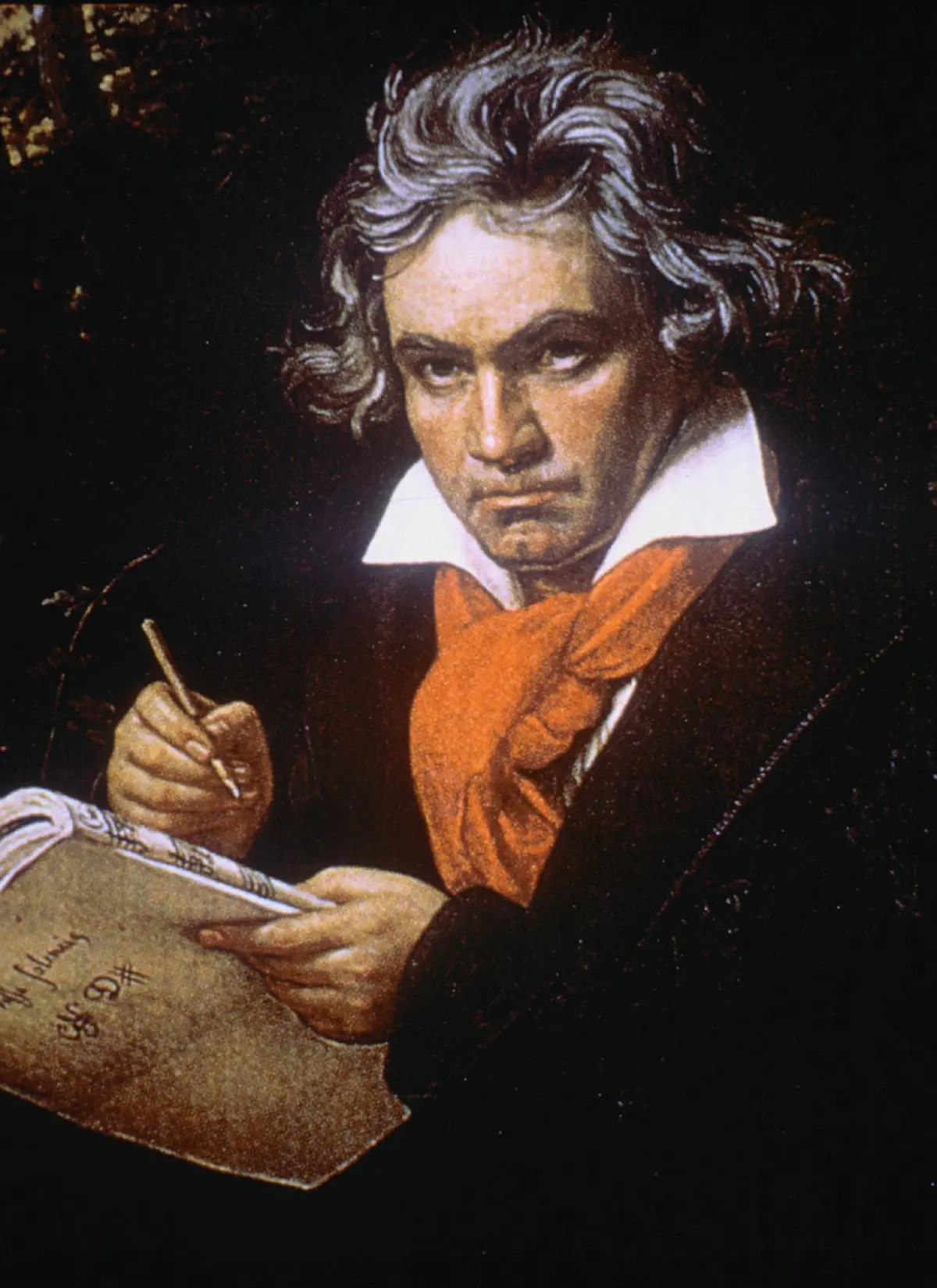
Ludwig van Beethoven (1770–1827) was a German composer and pianist who acted as the pivotal figure bridging the Classical and Romantic eras in Western music. Despite suffering from progressive hearing loss, he produced some of the most influential symphonies, piano sonatas, and string quartets in history, fundamentally transforming the scope of musical expression.
On this page
Who was Ludwig van Beethoven?
Ludwig van Beethoven was born in Bonn, Germany, in December 1770. He displayed immense musical talent as a child, leading his father to push him toward a career as a performer. By his early twenties, he moved to Vienna, the musical capital of Europe, to study with Joseph Haydn and establish himself as a virtuoso pianist. His early works were firmly rooted in the Classical tradition established by Mozart and Haydn, characterized by clarity, balance, and formal structure.
As his career progressed, Beethoven began to push the boundaries of what music could express. He introduced greater emotional intensity, dynamic contrasts, and structural innovations that challenged contemporary norms. His life and work are typically divided into three distinct periods:
- Early period: Influenced by 18th-century masters and focused on piano sonatas and chamber music.
- Middle period: Marked by the "heroic" style, including the Third and Fifth symphonies.
- Late period: Characterized by deep introspection, complex counterpoint, and experimental forms.
Why did Beethoven lose his hearing?
The exact medical cause of Beethoven’s deafness remains a subject of intense historical debate. Modern analysis of his remains suggests he suffered from lead poisoning, though other theories point to chronic inflammatory bowel disease, syphilis, or otosclerosis. Regardless of the cause, his hearing loss began in his late twenties and progressed steadily until he was profoundly deaf by 1819. This condition forced him to abandon his career as a concert pianist, shifting his focus entirely to composition.
His struggle with hearing loss profoundly influenced his creative output. He famously contemplated suicide in 1802, as detailed in the "Heiligenstadt Testament," but ultimately chose to live for the sake of his art. His music became more internal and daring as he relied on his internal ear to compose. Notable works from this period include:
- The Ninth Symphony, which incorporates a full choir and vocal soloists.
- The late string quartets, which were considered radical and difficult for contemporary audiences.
- The "Hammerklavier" Sonata, which pushed the technical limits of the piano.
How to start listening to Beethoven
For those new to his music, the best approach is to start with his most approachable and iconic works. Beethoven’s music is often dramatic and powerful, making it an excellent entry point into classical repertoire. You should prioritize listening to recordings by renowned orchestras and soloists to appreciate the nuance of his dynamics and the architectural strength of his compositions.
- Begin with the Symphony No. 5 in C Minor, famous for its iconic four-note opening motif.
- Listen to the "Moonlight" Sonata (Piano Sonata No. 14) to hear his mastery of the keyboard.
- Explore the Symphony No. 6, known as the "Pastoral," which showcases his ability to evoke nature through sound.
- Conclude with the Symphony No. 9 to experience the monumental scale of his final symphonic achievement.
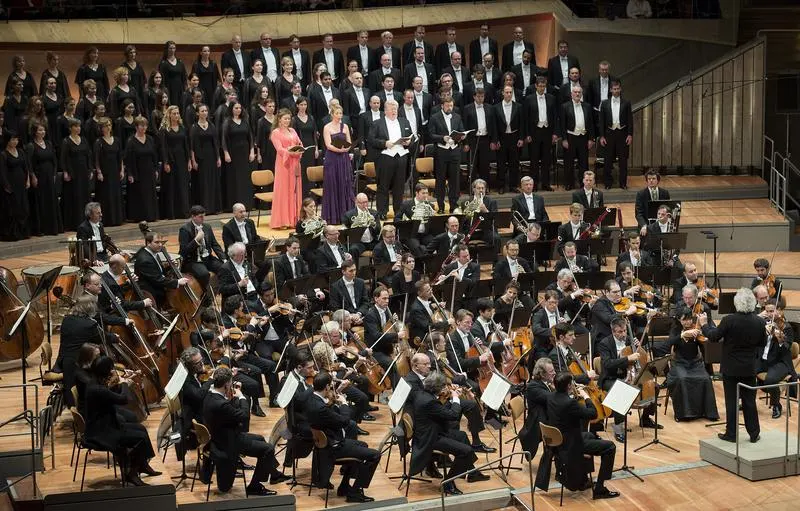
- Seek out performances by the Berlin Philharmonic or soloists like Alfred Brendel for high-quality, authoritative interpretations.
Common mistakes when studying Beethoven
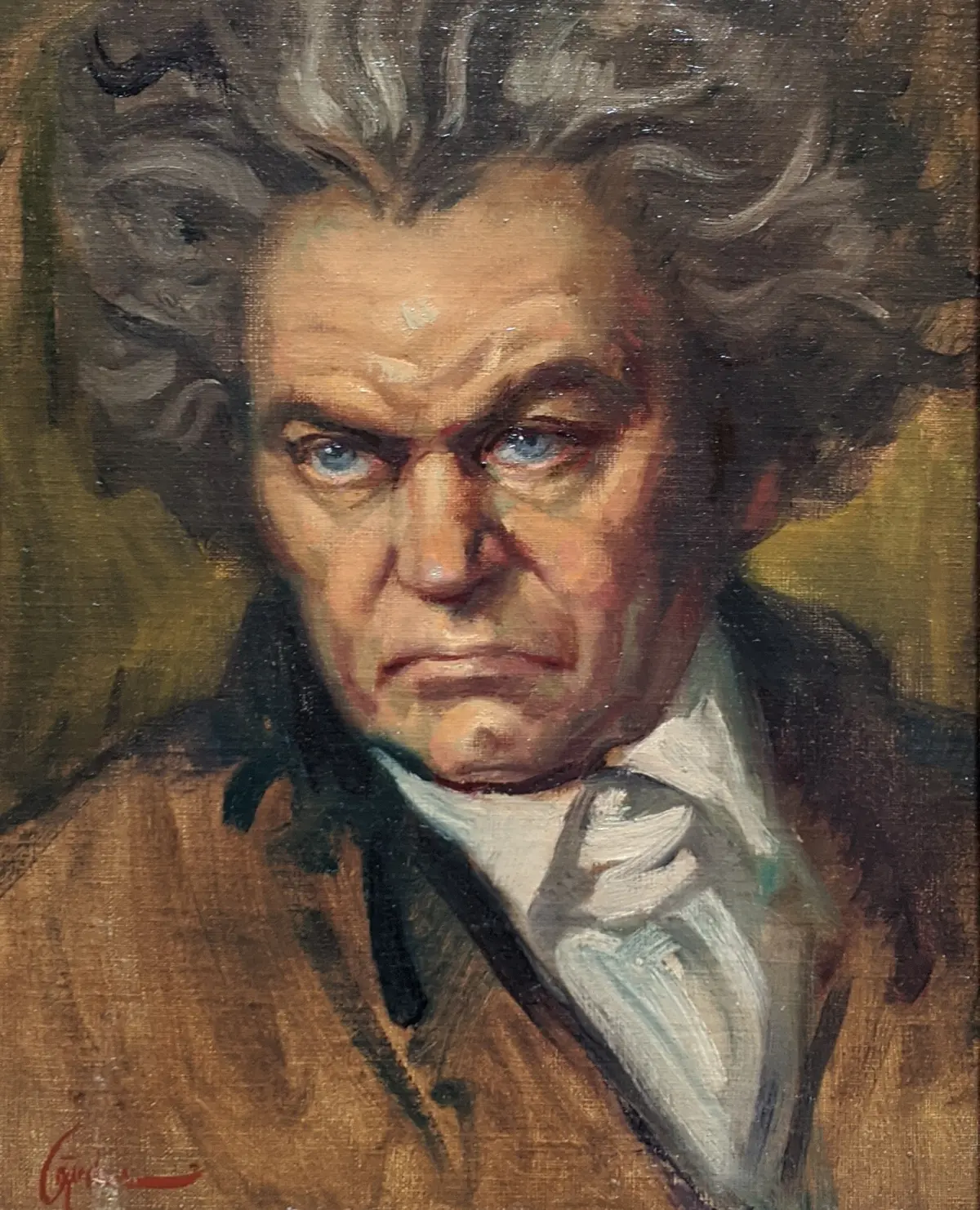
A common error is viewing Beethoven solely as a tortured, angry genius. While his life was difficult, his music is also filled with profound joy, humor, and tender lyricism. Another mistake is assuming that his late works are simply the product of his deafness; they were actually the result of a deliberate, rigorous evolution in his musical language. Listeners often overlook his chamber music, focusing only on the symphonies, which misses a large portion of his creative genius.
When analyzing his work, avoid these pitfalls:
- Focusing only on the "heroic" middle period while ignoring the delicate beauty of his early sonatas.
- Treating his metronome markings as mere suggestions; they were often intentional, even if they seem fast by modern standards.
- Ignoring the historical context of the piano technology available to him, which dictated the range and sustain of his keyboard works.
- Assuming his music is purely autobiographical; while personal, it remains a highly crafted artistic product meant for public performance.
What is the legacy of Beethoven?
Beethoven’s legacy is defined by his role as the first "independent" composer. Unlike his predecessors, who worked primarily for the church or the aristocracy, Beethoven navigated the freelance market, relying on commissions and public concerts. He elevated the status of the composer from a skilled craftsman to an artist-hero, a concept that dominated the 19th century. His influence on later composers, including Brahms, Wagner, and Mahler, is immeasurable, as he expanded the symphonic form into a vessel for philosophical and humanistic ideas.
Today, Beethoven remains a central figure in global culture. His music is performed more frequently than almost any other composer’s, and his image has become a universal symbol of artistic perseverance. By breaking the rigid rules of the Classical era, he provided a blueprint for the emotional freedom that characterized the Romantic movement. His commitment to artistic integrity, even in the face of physical hardship, continues to serve as an inspiration for musicians and creators across all disciplines who seek to push the boundaries of their own work.
Key facts
- Ludwig van Beethoven (1770–1827) was a German composer and pianist who bridged the transition between the Classical and Romantic eras of music.
- He composed nine symphonies, 32 piano sonatas, and one opera, Fidelio, which remain cornerstones of the Western classical repertoire.
- Beethoven began losing his hearing in his late 20s and was almost completely deaf by the time he composed his final works.
- To appreciate his music, start by listening to his Symphony No. 5, known for its iconic four-note opening motif.
- When listening to his later works, pay attention to the emotional complexity and structural innovations that broke the rigid rules of his predecessors.
- A common mistake is assuming all his music is aggressive; listen to his "Moonlight Sonata" or the "Pastoral" Symphony to hear his delicate, lyrical side.
The bottom line
Ludwig van Beethoven remains one of history’s most influential figures, transforming music through his emotional depth and structural experimentation. Despite the profound challenge of losing his hearing, he produced works that redefined the symphonic form and established the artist as an independent creator. His legacy persists because his music speaks directly to the human experience, balancing technical mastery with an raw, enduring passion that transcends time.
People also ask
How did Beethoven compose music while deaf?
He relied on his internal sense of pitch and memory, often using a vibrating rod attached to his piano to feel the sound. He also utilized a complex system of musical notation and structural planning that allowed him to compose without needing to hear the actual performance.
Which of Beethoven's symphonies is considered his greatest?
While subjective, the Ninth Symphony is widely considered his masterpiece for its massive scale and the inclusion of a choir in the final movement. It remains a global symbol of human unity and artistic triumph over adversity.
Did Beethoven ever marry?
No, Beethoven never married despite several intense romantic interests throughout his life. His personal life was often turbulent, characterized by his difficult temperament and his preoccupation with his nephew’s guardianship.
What was the Heiligenstadt Testament?
This was a deeply personal letter written by Beethoven in 1802 to his brothers, expressing his despair over his encroaching deafness. It serves as a historical record of his suicidal thoughts and his eventual decision to live for the sake of his art.
How did Beethoven change the role of the composer?
Before Beethoven, composers were often seen as servants to the aristocracy or the church. He insisted on his status as an independent artist, which paved the way for the Romantic ideal of the composer as a tortured, visionary genius.
Where was Beethoven born and where did he spend his career?
He was born in Bonn, Germany, in 1770, but moved to Vienna, Austria, in 1792. He spent the remainder of his life in Vienna, which was the musical capital of Europe at the time.
This answer was created with the help of AI research tools and reference sources. Spotted an error? Let us know — we correct mistakes quickly. See our editorial policy.