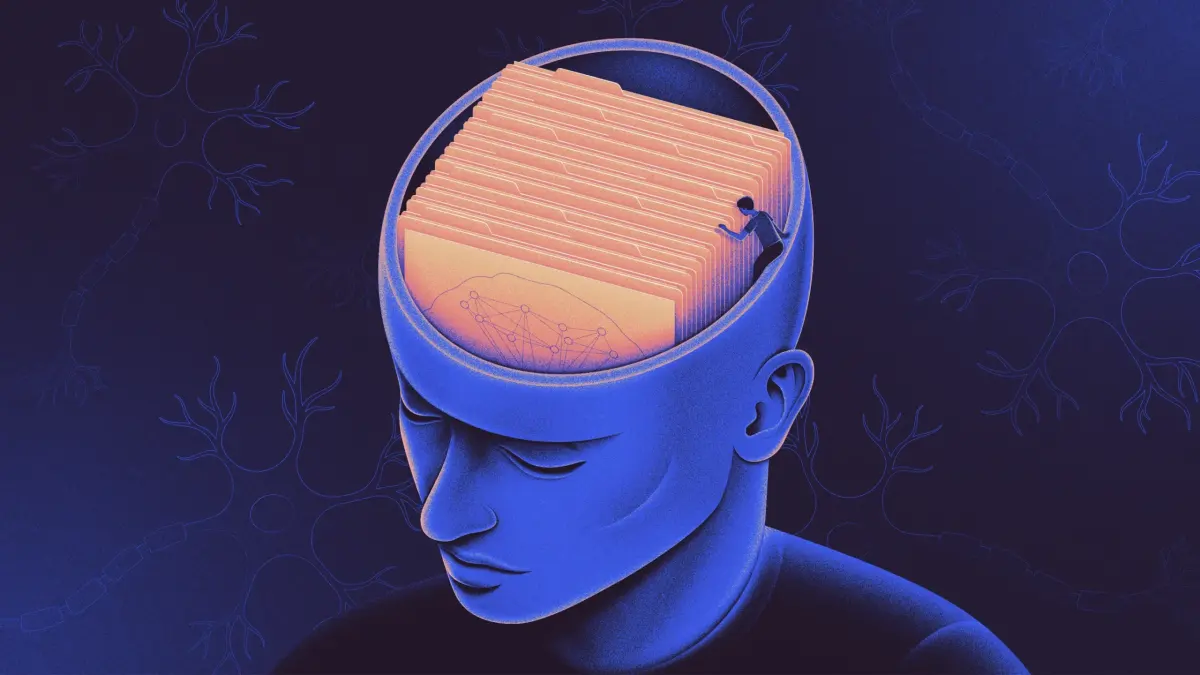
Why is yawning contagious?
Short answer
Contagious yawning is primarily an involuntary social response linked to empathy and brain mirroring. When you see, hear, or even think about someone yawning, your brain activates mirror neurons, which trigger the same motor patterns in your own body. It serves as a biological mechanism to synchronize group alertness and social bonding.
On this page
Why contagious yawning happens
Contagious yawning is a phenomenon where the observation of a yawn triggers a yawn in the observer. This behavior is not limited to humans; it has been observed in chimpanzees, dogs, and wolves. Scientists believe this reaction is rooted in the mirror neuron system, a group of specialized cells in the brain that fire both when we perform an action and when we observe someone else performing that same action. This neurological mirroring allows us to simulate the actions of others, which is a fundamental component of social cognition.
Beyond simple imitation, contagious yawning is deeply tied to our capacity for empathy. Research suggests that individuals who score higher on standardized empathy tests are more likely to catch a yawn from others. Because the yawn is a shared physiological state, it may act as a primitive form of communication that helps synchronize the alertness levels of a group. By "catching" the yawn, members of a social unit may be subconsciously signaling that they are entering a period of rest or shifting their collective state of arousal.
How the brain processes yawns
The process of catching a yawn begins in the visual cortex, which processes the sight of a person opening their mouth and inhaling. This information is quickly relayed to the superior temporal sulcus and the inferior frontal gyrus, areas of the brain associated with social perception and imitation. These regions work in tandem to interpret the yawn as a social cue rather than just a random motor movement. Once the brain identifies the behavior, it sends signals to the motor cortex to initiate the physical act of yawning.
This neurological pathway is remarkably fast, often triggering a response within seconds of witnessing the initial yawn. Several factors can influence the likelihood of this occurring:
- Emotional closeness: You are more likely to yawn after a friend or family member than a stranger.
- Age: Contagious yawning often does not develop until a child is about four or five years old, coinciding with the development of empathy.
- Context: Environments where people are tired or bored increase the frequency of contagious yawning.
- Species familiarity: Humans are more likely to yawn in response to other humans than to animals.
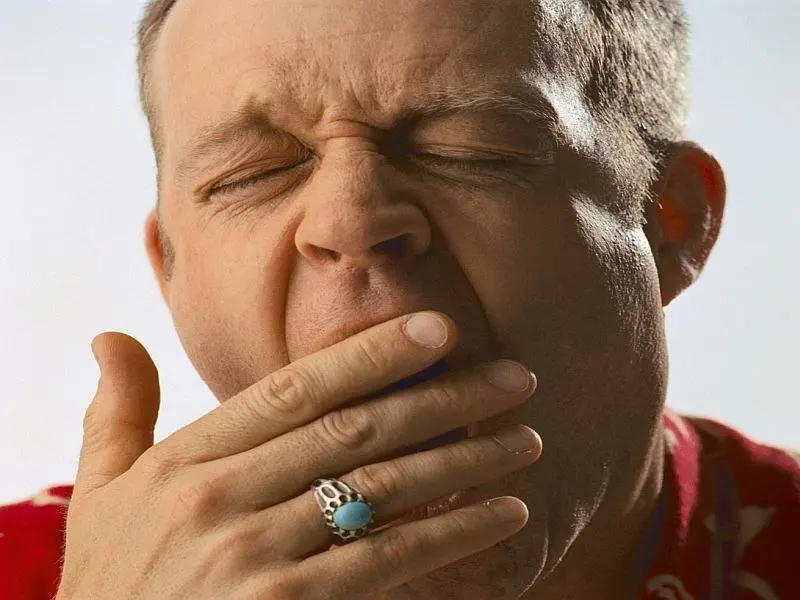
Is contagious yawning a sign of tiredness
A common misconception is that contagious yawning is purely a reaction to fatigue. While yawning itself is often associated with sleepiness or boredom, the contagious aspect is a distinct social phenomenon. You can catch a yawn even when you are fully alert, focused, or highly energized. The social trigger overrides the biological need for oxygen or arousal regulation, proving that the behavior is more about social connectivity than physical exhaustion.
In group settings, this behavior acts as a social glue. When one person yawns, others often follow, creating a ripple effect that reinforces the group's shared experience. This synchronization is thought to be an evolutionary adaptation that helped our ancestors stay alert together. If one member of the group feels the need to reset their brain temperature or adjust their alertness, the contagion ensures that the rest of the group follows suit, maintaining a unified state of vigilance or rest.

How to stop yourself from yawning
If you find yourself in a situation where yawning is considered inappropriate, such as during a professional presentation or a solemn ceremony, you can attempt to suppress the urge. While you cannot completely override an involuntary reflex, you can mitigate the physical sensation by focusing on your breathing and cooling your body. Yawning is often a thermoregulatory response, meaning the body uses it to cool down the brain; therefore, lowering your physical temperature can reduce the urge.
To effectively manage a yawn, follow these steps:
- Breathe deeply through your nose: This helps regulate your oxygen intake and can interrupt the motor pattern of a yawn.
- Cool your forehead: Placing a cold object or a damp cloth on your forehead can help reduce brain temperature.
- Engage your facial muscles: Flexing your jaw or smiling can sometimes disrupt the muscle contractions required to complete a full yawn.
- Shift your focus: Look away from the person yawning to remove the visual trigger that activates your mirror neurons.
Common mistakes when interpreting yawns
Many people incorrectly assume that if someone yawns while they are speaking, the person is showing disrespect or lack of interest. In reality, the person may simply be responding to the contagious nature of the environment or attempting to regulate their own brain temperature. Misinterpreting these physiological cues can lead to unnecessary social friction. It is important to recognize that yawning is often an involuntary biological process rather than a conscious choice to be rude or dismissive.
Another mistake is ignoring the role of social context in yawning frequency. People often believe that they are yawning because they are bored, but they may actually be responding to the collective energy of the room. If you notice a sudden wave of yawning in a meeting, it is likely a sign of social mimicry rather than a collective lack of engagement. By understanding the science behind this behavior, you can remain more objective and avoid taking the involuntary actions of others as a personal insult or a sign of professional failure.
Key facts
- Yawning is considered a form of "emotional contagion" linked to empathy, as humans who score higher on empathy tests are more likely to catch a yawn.
- Studies show that roughly 60 to 70 percent of people will yawn after seeing someone else yawn, even in videos or photos.
- Contagious yawning is not limited to humans; it has been observed in chimpanzees, bonobos, dogs, and even some species of birds.
- The phenomenon typically begins to manifest in children around the age of four or five, coinciding with the development of social awareness.
- A common mistake is believing yawning is solely caused by a lack of oxygen; research suggests it may actually serve to cool the brain and increase alertness.
- To avoid "triggering" a yawn in others during a meeting, try breathing through your nose or drinking cold water, which can help regulate brain temperature.
The bottom line
Contagious yawning is a fascinating social reflex rooted in empathy and brain temperature regulation. While often misunderstood as a simple response to low oxygen, it serves as a subtle way for social animals to synchronize their states of alertness. By recognizing that yawning is a natural, involuntary behavior, you can better understand your own social cues and the physical signals your brain uses to stay sharp throughout the day.
People also ask
Why do we yawn when we are tired?
Yawning is often a physiological response to fatigue or boredom, serving as a mechanism to stretch the lungs and tissues. It may also help increase heart rate and blood flow, providing a brief spike in alertness during periods of low stimulation.
Do animals yawn for the same reasons as humans?
While animals yawn for physiological reasons like cooling the brain, social yawning is often a sign of group cohesion. In species like wolves or dogs, yawning can signal a shift in activity levels or a shared state of relaxation within the pack.
Is yawning a sign of boredom?
Yawning is frequently associated with boredom, but it is more accurately a sign of a transition in state. It often occurs when an individual moves from a period of high focus to a period of rest, or vice-versa.
Can you stop yourself from yawning?
You can often suppress a yawn by inhaling deeply through your nose or pressing your tongue against the roof of your mouth. These actions can help bypass the reflex by cooling the nasal passages or engaging the muscles in the throat.
Are people with autism less likely to catch a yawn?
Some research suggests that individuals with autism spectrum disorder may show lower rates of contagious yawning compared to neurotypical peers. This is thought to be linked to differences in social-emotional processing rather than a lack of empathy.
Does reading about yawning make you yawn?
Yes, the mere suggestion of yawning—such as reading this text—is enough to trigger the reflex in many people. This highlights the powerful connection between our mental imagery and our physical involuntary responses.
This answer was created with the help of AI research tools and reference sources. Spotted an error? Let us know — we correct mistakes quickly. See our editorial policy.