What are vitamins?
Short answer
Vitamins are essential organic compounds that the human body requires in small quantities to function, grow, and maintain health. Because the body cannot synthesize most of them, they must be obtained through a balanced diet. They act as vital catalysts for metabolic processes, including energy production, immune function, and cellular repair.
On this page
What are the different types of vitamins?
Vitamins are categorized based on their solubility, which dictates how they are absorbed, transported, and stored within the body. There are 13 essential vitamins, divided into two distinct groups: fat-soluble and water-soluble. Understanding this difference is critical for maintaining proper nutritional balance, as the body handles these two groups in fundamentally different ways.
Fat-soluble vitamins include A, D, E, and K. These are stored in the body’s fatty tissues and the liver, meaning they can accumulate over time. Because they are not easily excreted, consuming them in excessive amounts through supplements can lead to toxicity. Conversely, water-soluble vitamins, which include vitamin C and the eight B-complex vitamins, are not stored in the body. They dissolve in water and are typically excreted through urine, requiring regular replenishment through daily food intake.
- Fat-soluble: Stored in the liver and adipose tissue for long-term use.
- Water-soluble: Must be consumed regularly as they are flushed out by the kidneys.
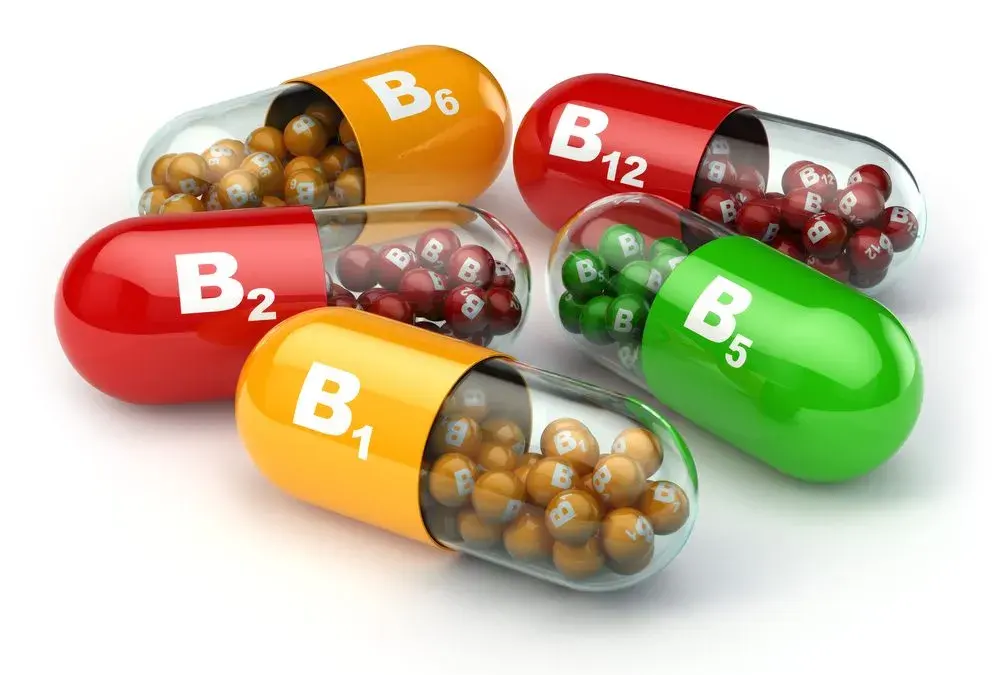
- B-complex: Includes thiamin, riboflavin, niacin, pantothenic acid, pyridoxine, biotin, folate, and cobalamin.
How do vitamins help the body function?
Vitamins serve as essential cofactors that facilitate chemical reactions necessary for life. Without these micronutrients, the body would struggle to convert food into energy or repair damaged tissues. For instance, B vitamins are instrumental in helping enzymes break down carbohydrates, fats, and proteins, acting as the "spark plugs" that keep the metabolic engine running efficiently.
Beyond metabolism, vitamins perform specialized roles that protect long-term health. Vitamin A is vital for maintaining healthy vision and skin, while vitamin C serves as a potent antioxidant that supports the immune system and collagen production. Vitamin D is unique because it functions more like a hormone, regulating calcium absorption to ensure bone density. By participating in these diverse pathways, vitamins ensure that the body’s systems remain synchronized and resilient against disease.
- Digestion: Vitamins break down macronutrients into usable energy.
- Immunity: Antioxidant vitamins neutralize harmful free radicals.
- Growth: Vitamins facilitate the development of bone and tissue.
Why do vitamin deficiencies happen?
Deficiencies occur when the body does not receive enough of a specific vitamin to support its physiological needs. This usually happens due to poor dietary choices, such as a reliance on highly processed foods that lack natural nutrients. In some cases, medical conditions—such as Crohn’s disease or celiac disease—can impair the gut’s ability to absorb vitamins, even if the person is eating a healthy diet.
Lifestyle factors also play a significant role in vitamin status. For example, people who spend most of their time indoors or live in northern latitudes may develop a vitamin D deficiency because they lack sufficient exposure to sunlight, which is necessary for the body to synthesize this nutrient. Additionally, restrictive diets that exclude entire food groups, such as veganism without proper supplementation, can lead to a lack of vitamin B12, which is primarily found in animal products. Recognizing these risks is the first step toward correcting imbalances.
Common mistakes when taking vitamin supplements
Many people assume that if a little is good, more must be better, but this is a dangerous misconception. Megadosing—taking significantly higher amounts of vitamins than the recommended daily allowance—can lead to adverse health effects. For example, excessive vitamin A intake can cause liver damage, while too much vitamin D can lead to calcium buildup in the blood, potentially causing heart and kidney issues.
Another common mistake is relying on supplements as a substitute for a healthy diet. Supplements are meant to fill nutritional gaps, not replace the complex matrix of fiber, minerals, and phytonutrients found in whole foods. Furthermore, many people fail to check for interactions between vitamins and prescription medications. Certain vitamins can interfere with blood thinners or blood pressure drugs, making it essential to consult a healthcare provider before starting any new regimen. Always prioritize food-first nutrition to ensure you are getting the full spectrum of nutrients.
How to get enough vitamins naturally
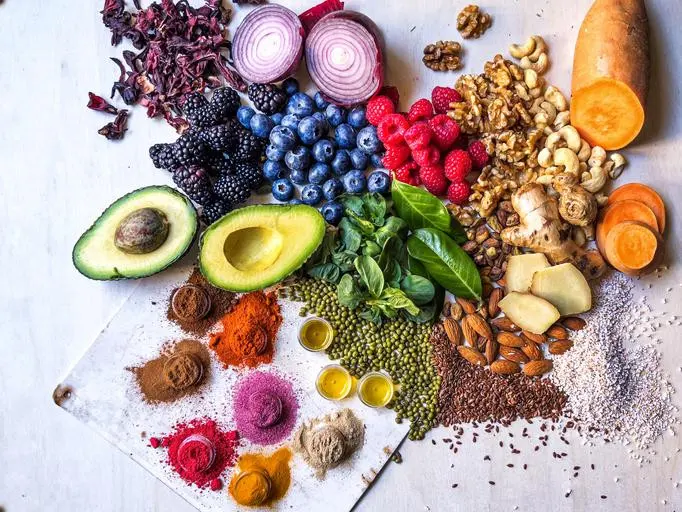
The most effective way to ensure adequate vitamin intake is to consume a diverse, colorful diet rich in whole foods. Fruits and vegetables provide a wide array of vitamins, while lean proteins, dairy, and whole grains offer essential B vitamins and fat-soluble nutrients. By rotating your food choices throughout the week, you naturally increase the likelihood of meeting your body's complex requirements.
To optimize your intake, focus on preparation methods that preserve nutrient density. Boiling vegetables for long periods can leach water-soluble vitamins into the cooking water, so steaming or roasting is often preferred. Additionally, pairing certain foods can enhance absorption; for example, consuming vitamin D-rich foods with healthy fats helps the body absorb the nutrient more effectively. By focusing on fresh, minimally processed ingredients and mindful preparation, you can easily maintain your health without the need for expensive or unnecessary artificial supplementation.
Key facts
- Vitamins are organic compounds essential in small quantities for human health, as the body cannot synthesize them in sufficient amounts.
- There are 13 recognized vitamins, categorized into two groups: fat-soluble (A, D, E, and K) and water-soluble (C and the B-complex).
- Fat-soluble vitamins are stored in the body's fatty tissue and liver, meaning they do not need to be consumed every single day.
- Water-soluble vitamins are not stored in the body and must be replenished regularly through your daily diet.
- Cooking vegetables by steaming or microwaving preserves more vitamins than boiling, which causes nutrients to leach into the water.
- A balanced diet consisting of diverse whole foods, such as fruits, vegetables, lean proteins, and grains, typically provides all necessary vitamins.
The bottom line
Vitamins are vital micronutrients that act as chemical catalysts for essential bodily processes, including energy production and immune function. While supplements exist, the most effective way to obtain these nutrients is through a colorful, diverse diet of whole foods. By prioritizing fresh produce and minimizing nutrient loss during cooking, you can ensure your body receives the necessary building blocks for long-term health and vitality.
People also ask
Can you take too many vitamins?
Yes, consuming excessive amounts of certain vitamins, especially fat-soluble ones like A and D, can lead to toxicity. Always consult a healthcare professional before starting high-dose supplements to avoid harmful side effects.
Do I need a daily multivitamin?
Most healthy individuals who eat a varied, nutrient-dense diet do not require a multivitamin. Supplements are generally intended to fill specific nutritional gaps identified by blood tests or recommended by a doctor.
What is the difference between natural and synthetic vitamins?
Chemically, the body often processes natural and synthetic vitamins similarly, though some natural forms have better bioavailability. A whole-food diet is preferred because it provides fiber and phytonutrients that isolated pills lack.
How do I know if I have a vitamin deficiency?
Symptoms of deficiency vary widely, ranging from fatigue and skin rashes to poor wound healing or bone pain. A medical professional must perform blood tests to accurately diagnose a specific deficiency.
Does light or heat destroy vitamins in food?
Yes, vitamins like C and folate are sensitive to heat, light, and air exposure. To maximize nutrient intake, eat fresh produce soon after purchase and minimize prolonged cooking times.
Are vitamins the same as minerals?
No, vitamins are organic substances made by plants or animals, while minerals are inorganic elements that come from soil and water. Both are micronutrients essential for maintaining proper bodily functions and overall health.
This answer was created with the help of AI research tools and reference sources. Spotted an error? Let us know — we correct mistakes quickly. See our editorial policy.