How do cacti survive in the desert?
Short answer
Cacti survive in harsh desert environments through specialized physiological adaptations that maximize water storage and minimize loss. They utilize succulent stems for water retention, shallow root systems for rapid absorption during rare rainfall, and a unique photosynthetic process called CAM metabolism, which allows them to exchange gases only during the cooler nighttime hours.
On this page
How do cacti store water in the desert?
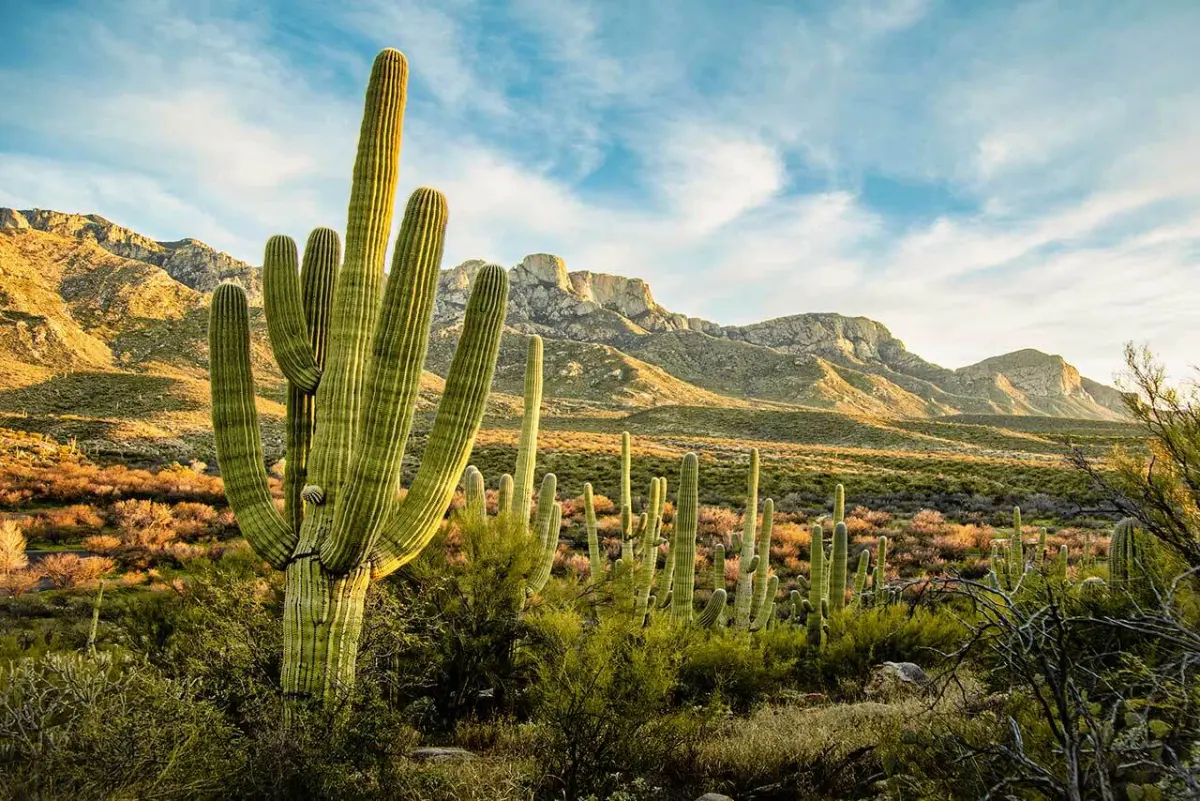
Cacti are succulent plants, meaning they possess fleshy tissues specifically evolved to hold large volumes of water. The primary storage organ is the thickened, often ribbed stem, which acts like an accordion. When water is plentiful, the stem expands to hold moisture; as the plant consumes its reserves during droughts, the stem gradually contracts. This internal reservoir allows species like the Saguaro (Carnegiea gigantea) to survive for months or even years without a single drop of rain.
Beyond the stem, cacti utilize a waxy, thick outer layer known as the cuticle. This coating serves as a waterproof seal, drastically reducing the rate of transpiration, or water evaporation, through the plant's surface. By minimizing the amount of water lost to the intense desert heat, the cactus ensures that its precious internal supply remains available for essential metabolic functions. This combination of structural expansion and protective coating is the cornerstone of their desert endurance.
How do cactus roots find water?
Most cacti employ a shallow, wide-reaching root system rather than a deep taproot. This strategy is highly effective in arid regions where rainfall is infrequent and rarely penetrates deep into the soil. By spreading horizontally just a few inches below the surface, the roots can capture moisture from light showers or morning dew before it evaporates under the sun. Some species also develop temporary "rain roots" that sprout within hours of a storm and wither away once the soil dries out.
When cultivating cacti at home, understanding these root structures is vital for long-term health. To mimic their natural water-gathering habits, follow these guidelines:
- Use a porous, fast-draining soil mix specifically formulated for succulents.
- Ensure your pot has drainage holes to prevent standing water from touching the roots.
- Water thoroughly until liquid runs out of the bottom, then wait until the soil is completely dry before watering again.
- Avoid misting the plant, as cacti prefer dry air and absorb moisture primarily through their roots.
Why do cacti have spines instead of leaves?
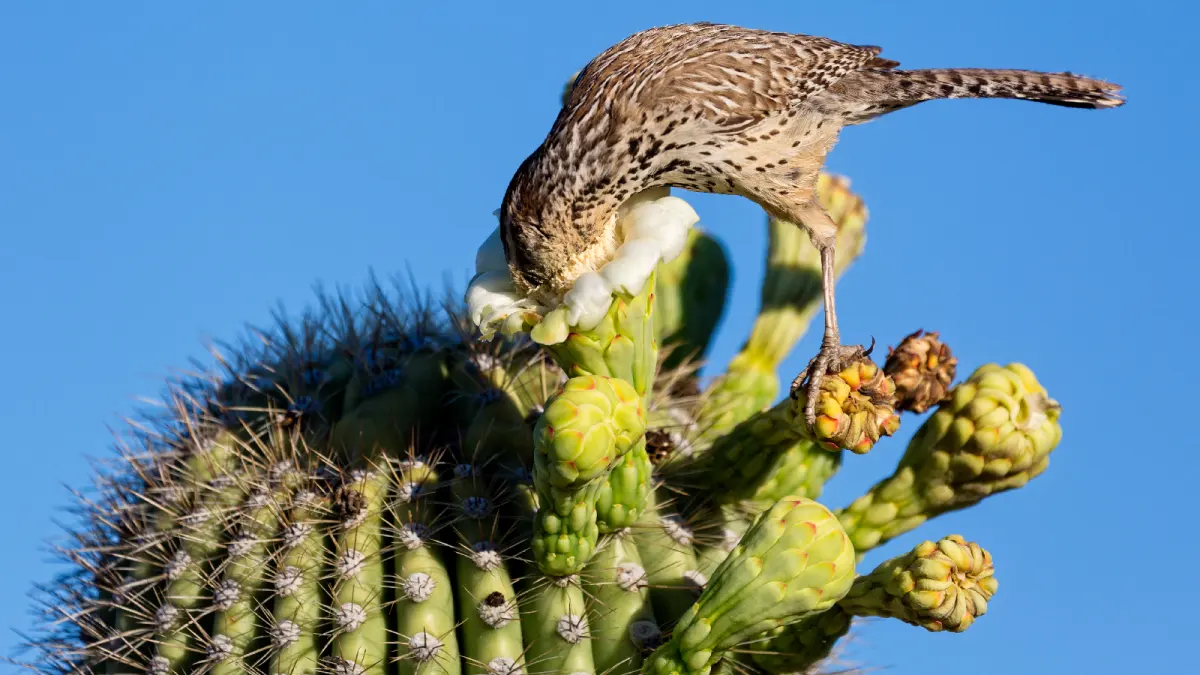
The iconic spines of a cactus are actually highly modified leaves. By reducing leaves to thin, sharp needles, the plant minimizes the surface area exposed to the sun, which significantly lowers water loss. These spines serve three critical functions: they provide shade for the stem, break up drying wind currents near the surface, and act as a powerful physical defense against thirsty herbivores looking for a source of hydration.
In addition to protection, spines play a surprising role in water collection. In many species, the structure of the spine directs condensation from fog or dew toward the base of the plant. This allows the cactus to "harvest" water from the atmosphere even when the ground remains bone-dry. This multi-purpose adaptation is a masterclass in biological efficiency, proving that every physical feature of the cactus is optimized for survival in an environment where resources are extremely scarce.
How does CAM photosynthesis work?
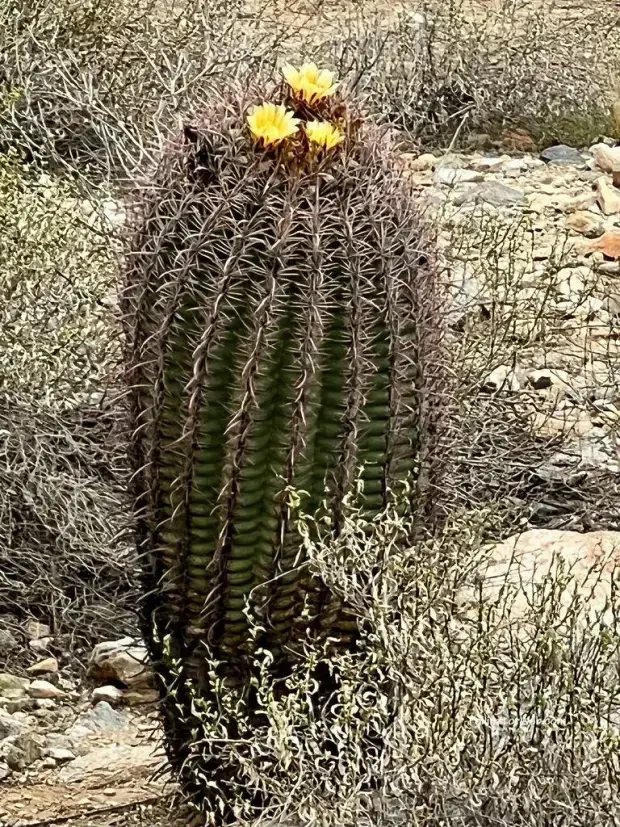
Cacti utilize a specialized photosynthetic pathway known as Crassulacean Acid Metabolism, or CAM. In most plants, pores called stomata open during the day to take in carbon dioxide, which leads to massive water loss in hot climates. Cacti keep their stomata tightly closed throughout the day to prevent evaporation. Instead, they open these pores only at night when temperatures are lower and humidity is higher.
The process follows a strict biological schedule:
- At night, the plant opens its stomata to absorb carbon dioxide from the air.
- The carbon dioxide is converted into malic acid and stored within the plant's vacuoles.
- During the day, the stomata remain closed to conserve water.
- The stored malic acid is broken down to release carbon dioxide, which the plant uses for photosynthesis using sunlight trapped during the previous day.
This temporal separation of gas exchange and energy production is the primary reason cacti can thrive in the world's most extreme, sun-scorched environments.
Common mistakes when growing cacti
The most frequent error in cactus care is overwatering, which leads to root rot. Because these plants are adapted to arid conditions, their roots are highly susceptible to fungal infections if kept in soggy, stagnant soil. Many beginners mistakenly treat cacti like standard houseplants, providing frequent, small amounts of water. This approach is counterproductive, as it encourages weak growth and keeps the soil in a state of constant, dangerous moisture.
To avoid common pitfalls, keep these practical tips in mind:
- Never leave a cactus sitting in a saucer of water.
- Provide as much bright, direct sunlight as possible; lack of light causes "etiolation," where the plant stretches and weakens.
- Do not fertilize during the winter dormancy period when the plant is not actively growing.
- Repot only when necessary, as cacti generally prefer being slightly root-bound in their containers.
By respecting the cactus's evolutionary need for cycles of drought and intense light, you can successfully maintain these resilient plants in almost any indoor environment.
Key facts
- Cacti store water in their thick, fleshy stems, which can expand like an accordion during rare rain events.
- Most cacti lack true leaves, using modified spines to provide shade, deter herbivores, and reduce water loss through transpiration.
- Many species utilize Crassulacean Acid Metabolism (CAM) photosynthesis, opening their pores only at night to minimize evaporation.
- A shallow, widespread root system allows cacti to absorb moisture quickly from light rainfall before it evaporates from the soil.
- The waxy, thick cuticle covering a cactus stem acts as a waterproof seal to lock internal moisture inside the plant.
- When growing cacti at home, ensure the soil is extremely well-draining; "wet feet" from overwatering is the leading cause of death.
The bottom line
Cacti survive in harsh desert environments through specialized anatomical and physiological adaptations that prioritize water conservation. By utilizing succulent stems for storage, nocturnal gas exchange, and shallow root systems, they efficiently capture and retain moisture. For the home gardener, the key to success is mimicking these conditions by providing ample sunlight, excellent drainage, and infrequent watering to avoid the common mistake of over-saturating the roots.
People also ask
Do all cacti grow in hot deserts?
While most cacti are native to arid regions, some species thrive in tropical forests or high-altitude mountains. These varieties have adapted to different moisture levels and temperatures, proving that the family is more diverse than the typical desert image suggests.
How often should I water my indoor cactus?
Water your cactus only when the soil is completely dry throughout the entire pot. During winter, most cacti enter a dormant period and require almost no water at all to prevent root rot.
Why do cacti have spines?
Spines are actually modified leaves that protect the plant from animals seeking water. They also create a microclimate of shade on the stem and break up airflow to reduce the drying effects of the wind.
Can I keep a cactus in a dark corner?
Cacti require intense, direct sunlight to maintain their structural integrity and health. Without at least six hours of bright light, they will become "etoliated," meaning they stretch out, turn pale, and become structurally weak.
How long can a cactus live without water?
Depending on the species and the size of the plant, a cactus can survive for months or even years without supplemental water. Their internal water storage allows them to endure prolonged droughts that would kill most other plant species.
Is it true that cacti can be poisonous?
While most cacti are not toxic if ingested, their spines can cause significant physical injury or infection. Some rare species contain alkaloids that may cause mild stomach distress, but the physical danger of the needles is the primary concern.
This answer was created with the help of AI research tools and reference sources. Spotted an error? Let us know — we correct mistakes quickly. See our editorial policy.