What do grizzly bears eat?
Short answer
Grizzly bears are opportunistic omnivores with a diet that shifts significantly by season. They consume a wide variety of vegetation, roots, berries, insects, and mammals. While they are classified as carnivores, plant matter typically constitutes the vast majority of their caloric intake, supplemented by seasonal protein sources like salmon or carrion.
On this page
What do grizzly bears eat during spring?
After emerging from winter hibernation, grizzly bears face a period of nutritional stress and seek easily accessible food sources. They often target winter-killed ungulates, such as elk, moose, or bison, which provide critical protein and fat to replenish their depleted energy reserves. During this time, bears also graze on succulent, high-protein vegetation like sedges, grasses, and horsetails that sprout in meadows and wetlands.
As the season progresses, they frequently hunt newborn ungulates, specifically elk calves. This predation is a vital source of protein for sows with cubs. Bears also spend considerable time digging for glacier lily bulbs and other roots, which are rich in carbohydrates. This diverse spring diet is essential for maintaining the bear's physiological health as they transition from the lethargic state of hibernation to the high-energy demands of the active summer months.
How do grizzly bears hunt for food?
Grizzly bears are powerful predators that utilize their keen sense of smell to locate food over distances of several miles. They are not strictly ambush predators; instead, they often use their strength to dig for prey or scavenge carcasses. When hunting larger mammals, they rely on short bursts of speed and immense physical force to overwhelm their targets.
- Locate prey using a highly developed sense of smell that is superior to that of a bloodhound.
- Use powerful front claws to excavate burrows of ground squirrels or marmots.
- Employ stealth to approach ungulate calves in dense cover.
- Utilize explosive speed to pursue prey over short distances.
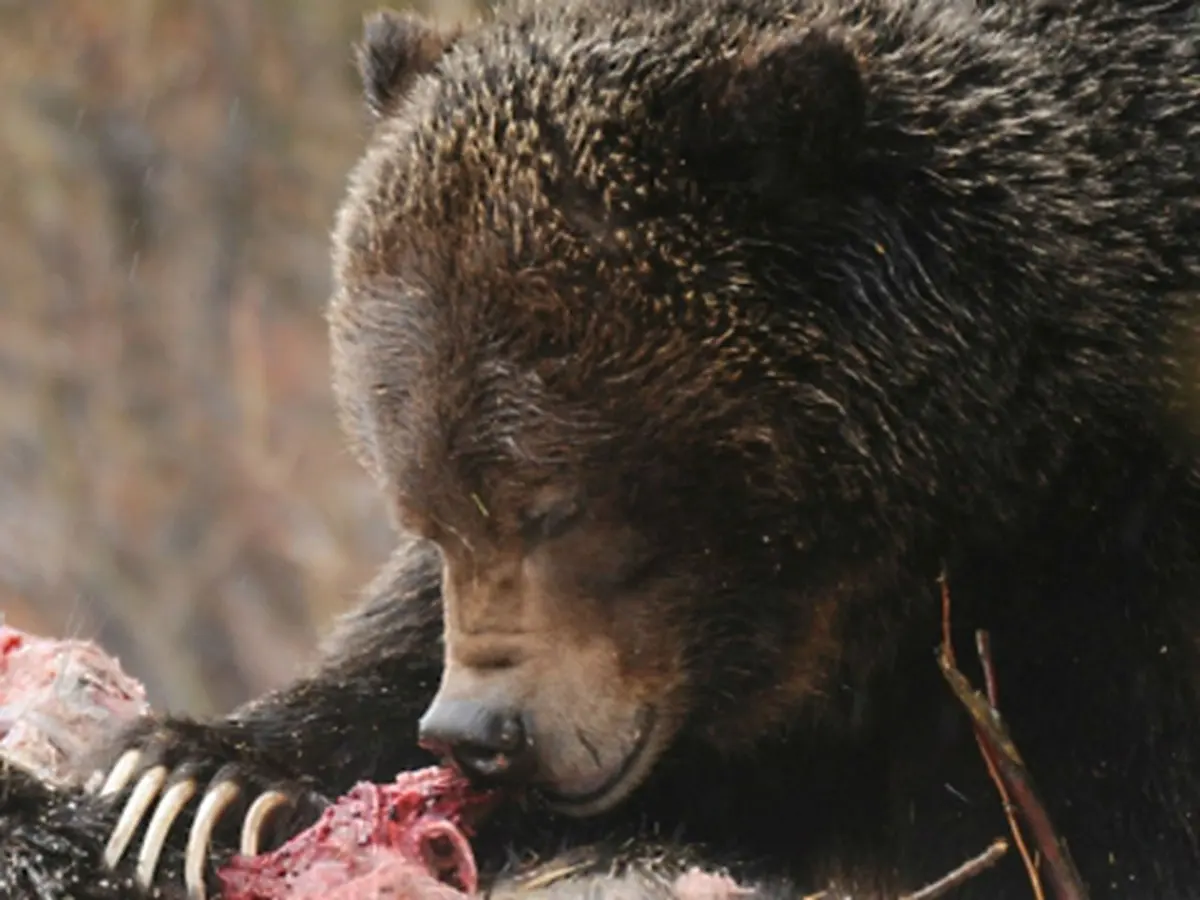
- Scavenge existing carcasses to minimize energy expenditure while maximizing caloric gain.
This opportunistic approach allows them to adapt to changing environmental conditions. By switching between foraging and hunting, they ensure a steady intake of nutrients regardless of the availability of specific food items.
Why do grizzly bears eat so many berries?
During the late summer and autumn, grizzly bears undergo a physiological process known as hyperphagia. This is a period of intense feeding where bears consume massive amounts of calories to build up the fat stores necessary for winter survival. Berries, such as huckleberries, blueberries, buffaloberries, and chokecherries, become the primary focus of their diet during this time.
These fruits are dense in sugars and antioxidants, providing the quick energy needed to pack on pounds of fat. A single bear can consume tens of thousands of berries in a day, spending up to 20 hours foraging. This intense focus on fruit is not merely a preference but a biological necessity. Without the high caloric density provided by these late-season berries, many bears would not have sufficient body fat to survive the long, food-scarce months of winter hibernation.
What are common mistakes when storing food in bear country?
Human-bear conflicts often arise when bears gain access to human food sources, which can lead to dangerous habituation. A common mistake is failing to secure attractants, such as coolers, trash, or pet food, in bear-resistant containers. Many people underestimate a bear's ability to smell food through plastic or thin metal, leading them to leave items in vehicles or tents.
- Leaving food scraps or wrappers near a campsite.
- Storing toiletries, toothpaste, or scented soaps inside a tent.
- Failing to use bear-resistant canisters or hang bags at least 10 feet off the ground.
- Cleaning fish or disposing of game remains too close to residential areas or trails.
- Assuming that a locked car door is sufficient protection against a determined grizzly.
To avoid these issues, always store all odorous items in certified bear-resistant containers. If you are camping, follow the "Leave No Trace" principles strictly to ensure that your presence does not alter the natural foraging habits of local grizzly populations.
How does salmon impact the grizzly bear diet?
In coastal regions, the annual salmon run is a transformative event for grizzly bear populations. These fish provide a massive influx of high-quality protein and fat that is unavailable to inland bears. During the spawning season, bears congregate along streams and rivers, demonstrating sophisticated fishing techniques. They may stand in shallow water to catch fish mid-air or use their paws to pin salmon against the riverbed.
The consumption of salmon allows coastal grizzlies to reach significantly larger body sizes than their interior counterparts. This nutritional boost is particularly important for reproductive success and the growth of cubs. By consuming the entire fish, including the nutrient-dense brains and eggs, bears maximize their intake of essential fatty acids. This seasonal reliance on salmon highlights the adaptability of the species, as they shift their entire foraging strategy to exploit this high-energy resource whenever it becomes available in their specific ecosystem.
Key facts
- Grizzly bears are omnivores, meaning they consume both plant matter and animal protein to meet their high caloric needs.
- During the autumn hyperphagia phase, a grizzly may consume up to 20,000 calories per day to prepare for winter hibernation.
- Salmon serve as a critical protein source for coastal grizzlies, providing the essential fats needed for survival and reproduction.
- A significant portion of a grizzly's diet consists of roots, berries, grasses, and sedges, which are abundant in their habitat.
- Avoid leaving human food or scented items in bear country, as grizzlies are highly opportunistic and possess an incredible sense of smell.
- Always store food in bear-resistant containers or hang it properly when camping to prevent bears from associating humans with easy meals.
The bottom line
Grizzly bears are versatile omnivores that rely on a diverse range of seasonal food sources, including berries, roots, insects, fish, and ungulates. Their survival depends on maximizing caloric intake during the summer and fall to sustain them through winter hibernation. By practicing proper food storage and maintaining distance, humans can help prevent bears from becoming habituated, ensuring both public safety and the bear's long-term health.
People also ask
Do grizzly bears hunt large mammals?
Yes, grizzly bears are capable predators and will hunt elk, moose, and deer calves, especially during the spring calving season. They also scavenge carcasses left by other predators or those that died from natural causes.
How much food does a grizzly bear eat in a year?
While caloric intake varies by season and availability, a grizzly bear must consume enough to gain several hundred pounds of fat before entering its den. This massive weight gain is vital for surviving the months of winter dormancy.
Do grizzly bears eat insects?
Grizzly bears frequently forage for insects, particularly army cutworm moths, which congregate in high-altitude alpine meadows during the summer. These moths provide a concentrated source of fat and protein that is easy for the bears to harvest.
Can grizzly bears become dependent on human food?
Yes, bears that gain access to human food sources often become "food-conditioned" and may lose their natural fear of humans. This behavior frequently leads to dangerous conflicts, often resulting in the bear having to be relocated or euthanized.
Do grizzlies eat fish other than salmon?
While salmon is the most famous part of their diet, grizzlies will also eat trout and other freshwater fish if they are accessible. They are skilled at wading into shallow streams to trap fish against the riverbank.
Is the diet of a grizzly different from a black bear?
While both species are omnivores, grizzlies are generally more carnivorous and better adapted for digging, which allows them to access roots and bulbs. Black bears are more arboreal and tend to rely more heavily on fruits, nuts, and vegetation.
This answer was created with the help of AI research tools and reference sources. Spotted an error? Let us know — we correct mistakes quickly. See our editorial policy.