Where can you go kayaking in Vancouver?
Short answer
Vancouver offers diverse kayaking experiences ranging from sheltered urban inlets to rugged coastal wilderness. Popular destinations include False Creek for city skyline views, Deep Cove for serene fjord-like paddling, and Indian Arm for multi-day expeditions. Whether you are a beginner or an expert, the region provides accessible water access throughout the year.
On this page
Where to go kayaking in Vancouver for beginners
Deep Cove in North Vancouver is widely considered the premier destination for novices. Its calm, protected waters provide a safe environment to learn basic strokes without battling strong currents or heavy boat traffic. Beginners often start by renting equipment at the local marina and paddling toward Jug Island, a scenic route that remains close to the shore.
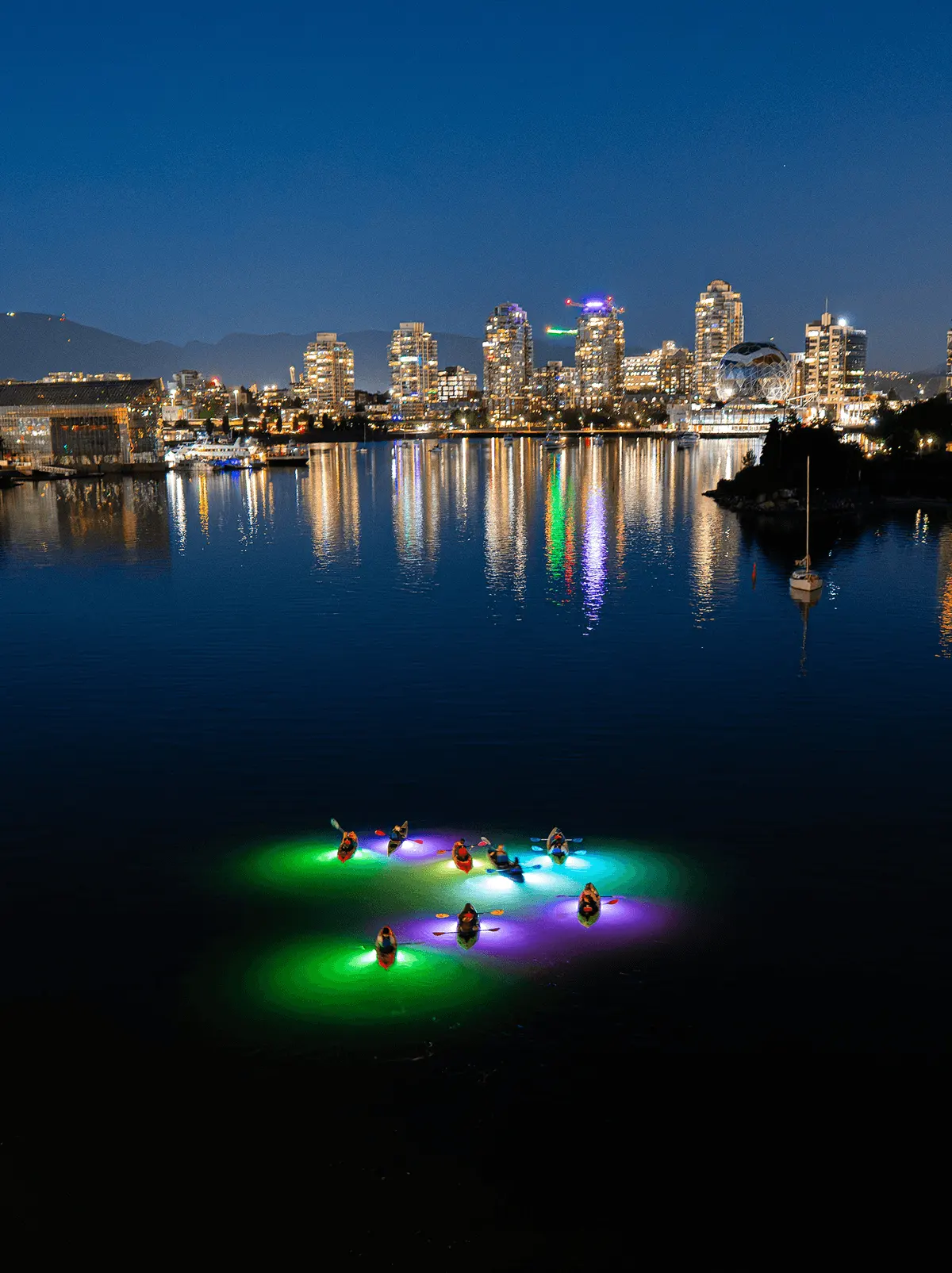
Another excellent option for those new to the sport is False Creek, located in the heart of downtown. The water here is generally flat, allowing paddlers to navigate safely while enjoying iconic views of Science World and the Burrard Bridge. Because this area is shared with ferries and water taxis, beginners should follow these safety steps:
- Always stay on the starboard side of the channel to avoid larger vessels.
- Wear a high-visibility life jacket at all times.
- Check the tide charts to ensure you are not paddling against a strong outgoing current.
- Maintain a consistent pace to avoid exhaustion in the middle of the waterway.
Best places for experienced kayakers
For those seeking more challenging conditions, the waters surrounding Bowen Island and the Howe Sound offer open-ocean experiences. These locations feature unpredictable winds and larger swells that test navigation skills and endurance. Experienced paddlers often launch from Horseshoe Bay to explore the rugged coastline, where they might encounter seals, porpoises, and occasionally orcas.
Indian Arm, a long, steep-walled glacial fjord, provides a more remote experience for intermediate and advanced kayakers. It stretches 20 kilometers north from Deep Cove, offering secluded beaches and waterfalls accessible only by water. Planning an expedition here requires careful preparation, as the weather can shift rapidly. Advanced kayakers should prioritize the following:
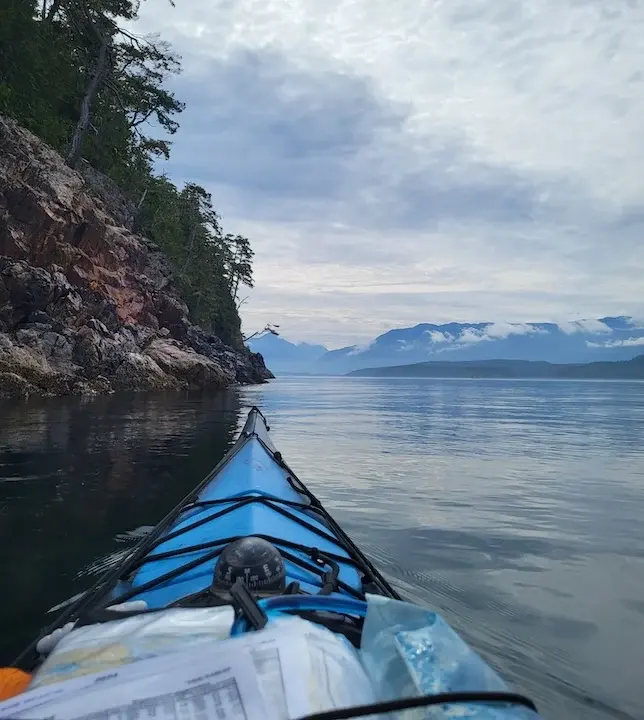
- Carry a comprehensive nautical chart and a reliable compass.
- Pack a VHF radio to monitor marine weather reports.
- Bring a dry bag containing emergency supplies, including a first-aid kit and extra warm layers.
- File a float plan with a friend or family member before departing.
How to prepare for a kayaking trip
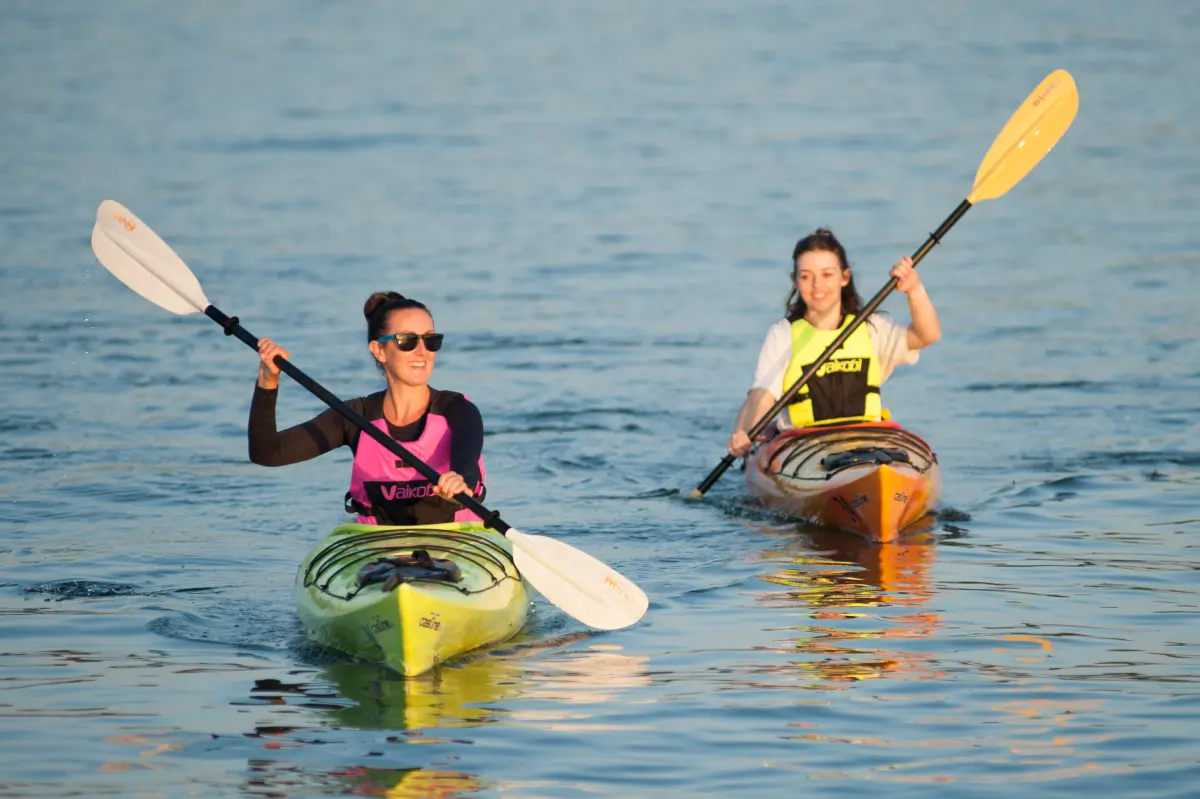
Preparation begins with selecting the right gear and checking the local marine forecast. Vancouver’s weather is notoriously fickle, and temperatures on the water are often significantly lower than on land. Even on sunny days, wearing a wetsuit or a dry suit is essential to prevent hypothermia in the event of a capsize.
Before heading out, inspect your kayak for any structural damage and ensure all hatches are sealed properly. You should also verify that your personal flotation device (PFD) is Canadian Coast Guard-approved and fits snugly. If you are renting a boat, the outfitter will provide a safety briefing; pay close attention to their instructions regarding local hazards. Remember that the water temperature in British Columbia remains cold year-round, so always dress for the water, not the air temperature.
Common mistakes when kayaking in Vancouver
A frequent error among visitors is underestimating the strength of tidal currents, particularly in narrows like the First Narrows near Stanley Park. These currents can reach speeds of several knots, making it nearly impossible for an inexperienced paddler to move against the flow. Ignoring these forces can lead to being swept into shipping lanes or hazardous rocky areas.
Another mistake is failing to respect the distance required from marine wildlife. Paddlers often get too close to seals or whales, which causes unnecessary stress to the animals and can lead to legal penalties. Furthermore, many beginners neglect to bring enough water or sun protection, assuming the cool breeze will prevent dehydration. To avoid these issues, follow these simple guidelines:
- Never approach marine mammals closer than 100 meters.
- Avoid paddling in the center of busy shipping channels.
- Always carry a whistle or sound-signaling device to alert other boaters.
- Stay hydrated by keeping a water bottle easily accessible in your cockpit.
When is the best time to go kayaking
While kayaking is a year-round activity in Vancouver, the summer months between June and September offer the most consistent weather and warmest temperatures. During this window, the days are long, allowing for extended trips into the evening. However, these months are also the busiest, so popular launch sites like Deep Cove can become extremely crowded on weekends.
For those who prefer solitude, the shoulder seasons of late spring and early autumn provide excellent conditions with fewer crowds. Winter kayaking is possible for experienced paddlers with proper thermal gear, but it requires extreme caution due to the risk of winter storms and limited daylight hours. Regardless of the season, always check the marine weather forecast immediately before departure. By choosing the right time and location, you can safely enjoy the spectacular natural beauty that makes Vancouver one of the world's most sought-after kayaking destinations.
Key facts
- False Creek offers calm, urban paddling with views of the downtown skyline and Science World.
- Deep Cove in North Vancouver is the most popular destination for renting kayaks and spotting seals.
- Indian Arm is a 20-kilometer-long glacial fjord ideal for multi-day trips and wilderness camping.
- English Bay provides open-water paddling with views of the Burrard Street Bridge and Stanley Park.
- Always check the tide charts and wind forecasts at the Government of Canada website before departing.
- Wear a lifejacket at all times and carry a sound-signaling device, as required by Transport Canada regulations.
The bottom line
Vancouver offers diverse kayaking experiences ranging from protected urban inlets to rugged mountain fjords. Whether you choose the bustling waters of False Creek or the serene wilderness of Indian Arm, safety remains the top priority. By monitoring local tides, wearing a lifejacket, and choosing routes suited to your skill level, you can safely enjoy the city’s stunning coastal geography from a unique perspective on the water.
People also ask
Do I need a permit to kayak in Vancouver?
You generally do not need a permit for recreational kayaking in Vancouver's public waters. However, you must follow all Transport Canada safety regulations and local harbor bylaws.
Is it safe to kayak alone?
Kayaking alone is discouraged, especially for beginners or in open waters like English Bay. If you must go solo, always file a float plan with a friend and carry a waterproof communication device.
Can I see whales while kayaking in Vancouver?
While harbor seals and porpoises are common, seeing orcas or humpback whales near the city is rare. If you encounter any marine mammal, maintain a distance of at least 100 meters to comply with federal law.
What is the best time of year to kayak?
The peak season runs from May through September when water temperatures are warmer and weather is stable. Winter kayaking is possible for experienced paddlers with drysuits, but conditions are often harsh and dangerous.
Are there rentals available at the water's edge?
Yes, major hubs like Deep Cove, Granville Island, and Jericho Beach have rental kiosks. It is highly recommended to book your rental online at least 48 hours in advance during the summer months.
What should I wear while kayaking?
Wear synthetic, moisture-wicking layers and avoid cotton, which stays cold when wet. Always bring a windbreaker, a hat, and extra clothes in a dry bag, regardless of the current temperature.
This answer was created with the help of AI research tools and reference sources. Spotted an error? Let us know — we correct mistakes quickly. See our editorial policy.