Is the Sea-to-Sky Highway worth visiting?
Short answer
The Sea-to-Sky Highway, officially Highway 99, is unequivocally worth visiting for its dramatic coastal scenery and mountainous terrain. Stretching from Vancouver to Pemberton, it offers world-class vistas, outdoor recreation, and cultural landmarks. Whether you seek adrenaline-fueled activities or a scenic road trip, this route provides an iconic British Columbia experience.
On this page
- How long does it take to drive the Sea-to-Sky Highway?
- What are the best stops along the Sea-to-Sky Highway?
- How to prepare for driving the Sea-to-Sky Highway?
- Common mistakes when visiting the Sea-to-Sky Highway
- Why is the Sea-to-Sky Highway considered a bucket-list destination?
- Key facts
- People also ask
How long does it take to drive the Sea-to-Sky Highway?
The drive from Vancouver to Whistler typically takes two to three hours without stops, covering approximately 120 kilometers. However, the travel time is highly dependent on traffic, weather conditions, and the number of scenic stops you choose to make. During peak summer weekends or winter ski season, traffic congestion can significantly increase travel time, particularly near the Horseshoe Bay ferry terminal and the entrance to Squamish.
To make the most of the journey, it is recommended to allocate an entire day for the trip. This allows for a relaxed pace, ensuring you can stop at viewpoints and attractions without feeling rushed. If you are planning to continue past Whistler to Pemberton, add another 30 to 45 minutes of driving time. Always check the DriveBC website for real-time updates on road closures, construction, or seasonal hazards before departing.
What are the best stops along the Sea-to-Sky Highway?
The route is packed with diverse attractions that cater to photographers, hikers, and history enthusiasts. Many travelers prioritize these specific locations to experience the full range of the region's natural beauty:
- Shannon Falls Provincial Park: Home to the third-highest waterfall in British Columbia, easily accessible via a short, flat trail.
- Stawamus Chief Provincial Park: A massive granite monolith that serves as a premier destination for rock climbers and hikers.
- Britannia Mine Museum: A National Historic Site that offers an immersive look at the region’s copper mining history through underground tours.
- Porteau Cove Provincial Park: An ideal spot for coastal views, scuba diving, and watching the sunset over Howe Sound.
- Whistler Village: A world-renowned resort town offering pedestrian-only streets, fine dining, and year-round mountain activities.
Beyond these highlights, the highway features numerous pullouts and viewpoints. These areas provide safe opportunities to capture photographs of the fjord-like scenery and the surrounding Coast Mountains.
How to prepare for driving the Sea-to-Sky Highway?
Safety is paramount when navigating this winding mountain route. The road features steep grades, sharp curves, and rapidly changing weather patterns that can catch inexperienced drivers off guard. Before heading out, ensure your vehicle is in good mechanical condition, especially your brakes and tires. If you are traveling between October and March, British Columbia law requires winter tires on this highway, as snow and ice are common at higher elevations.
- Check the weather forecast for both Vancouver and Whistler, as conditions often differ significantly between the coast and the mountains.
- Ensure you have a full tank of gas, as fuel stations are less frequent once you leave the suburban areas of West Vancouver.
- Keep an emergency kit in your trunk, including blankets, water, and a flashlight, in case of unexpected delays.
- Download offline maps, as cellular service can be intermittent in certain remote sections of the corridor.
Common mistakes when visiting the Sea-to-Sky Highway
One of the most frequent errors travelers make is underestimating the intensity of the driving conditions. The highway is notorious for its tight corners and high speeds, which can be disorienting for those accustomed to flat, straight roads. Avoid the temptation to speed or pass aggressively, as the road is heavily patrolled by the Royal Canadian Mounted Police. Additionally, do not attempt to stop on the shoulder of the highway for photos; use designated pullouts to avoid creating dangerous traffic hazards.
Another common mistake is failing to account for the "Whistler effect" during peak travel times. During major holidays or event weekends, the highway can become gridlocked. If possible, avoid traveling during Friday afternoon departures from Vancouver or Sunday afternoon returns. Planning your trip for mid-week or early mornings will provide a much more enjoyable experience, allowing you to appreciate the scenery without the stress of heavy traffic congestion or limited parking at popular trailheads.
Why is the Sea-to-Sky Highway considered a bucket-list destination?
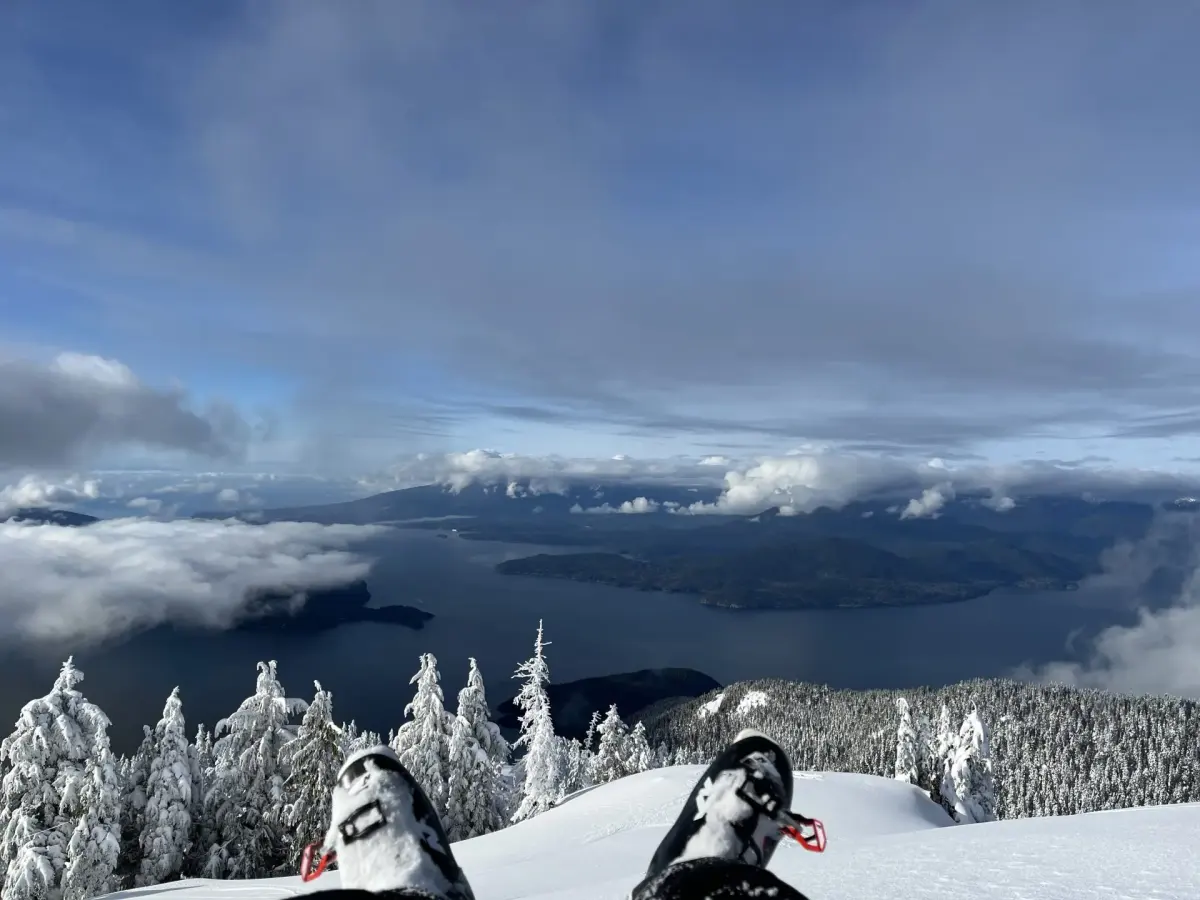
The allure of this highway lies in the seamless transition from the Pacific Ocean to the rugged peaks of the Coast Mountains. It is one of the few places in the world where you can witness such a dramatic change in geography within such a short distance. The route follows the eastern shore of Howe Sound, providing constant views of deep blue waters, forested islands, and snow-capped summits. This visual diversity makes it a favorite for road trip enthusiasts and professional photographers alike.
Beyond the scenery, the highway serves as the gateway to some of North America's most celebrated outdoor recreation. Whether you are interested in mountain biking, skiing, eagle watching in Brackendale, or simply enjoying the vibrant culture of Whistler, the journey itself feels like an adventure. The combination of accessibility and raw, untamed wilderness ensures that the Sea-to-Sky Highway remains a cornerstone of the British Columbia travel experience for visitors from around the globe.
Key facts
- The Sea-to-Sky Highway, officially Highway 99, spans 120 kilometers (75 miles) from Vancouver to Pemberton.
- Travel time typically ranges from 2.5 to 3 hours, though heavy traffic on weekends can significantly extend this duration.
- The route underwent a massive $600 million upgrade completed in 2009 to improve safety and capacity for the 2010 Winter Olympics.
- Shannon Falls, located just south of Squamish, is the third-tallest waterfall in British Columbia at 335 meters.
- The highway reaches its highest elevation at the pass near Whistler, approximately 670 meters (2,200 feet) above sea level.
- Visitors should avoid traveling during peak holiday weekends or Friday afternoons to escape heavy congestion leaving Vancouver.
The bottom line
The Sea-to-Sky Highway is widely considered one of the world’s most spectacular drives, offering a dramatic transition from the Pacific coastline to the rugged Coast Mountains. With its blend of accessible waterfalls, historic mining sites, and world-class mountain vistas, it is an essential experience for any visitor to British Columbia. Plan your trip during off-peak hours to ensure a smooth, enjoyable journey through this iconic landscape.
People also ask
Is the highway dangerous to drive?
While the road is winding and mountainous, the 2009 infrastructure upgrades made it much safer with divided lanes and improved barriers. Drivers should still exercise caution during winter months when snow and ice are common.
What is the best time of year to drive the route?
Summer offers the best road conditions and clear coastal views, while winter provides a scenic, snowy drive for skiers. Spring and autumn are ideal for avoiding peak tourist crowds while enjoying moderate weather.
Do I need a special vehicle to drive the Sea-to-Sky Highway?
A standard passenger car is sufficient for most of the year. However, if you drive between October and March, provincial law requires winter tires or chains due to potential icy conditions.
Are there places to stop along the way?
Yes, the route is designed for tourism with numerous pull-outs, viewpoints, and the town of Squamish located halfway. Popular stops include Porteau Cove, the Britannia Mine Museum, and the Sea to Sky Gondola.
Is the highway toll-free?
Yes, Highway 99 is a public provincial road and does not charge any tolls for travelers. All parking at provincial parks and viewpoints along the route is also free of charge.
Can I take public transportation if I do not want to drive?
Yes, several private shuttle services operate daily routes from downtown Vancouver and the airport directly to Whistler. These services allow travelers to enjoy the scenery without navigating the winding mountain roads themselves.
This answer was created with the help of AI research tools and reference sources. Spotted an error? Let us know — we correct mistakes quickly. See our editorial policy.