How long do wolves live?
Short answer
Wild wolves typically live between 6 and 8 years, though some individuals reach 10 to 13 years in protected environments. Life expectancy in the wild is significantly shorter than in captivity, where wolves can survive up to 15 or 16 years due to consistent nutrition and advanced veterinary medical care.
On this page
How long do wolves live in the wild?
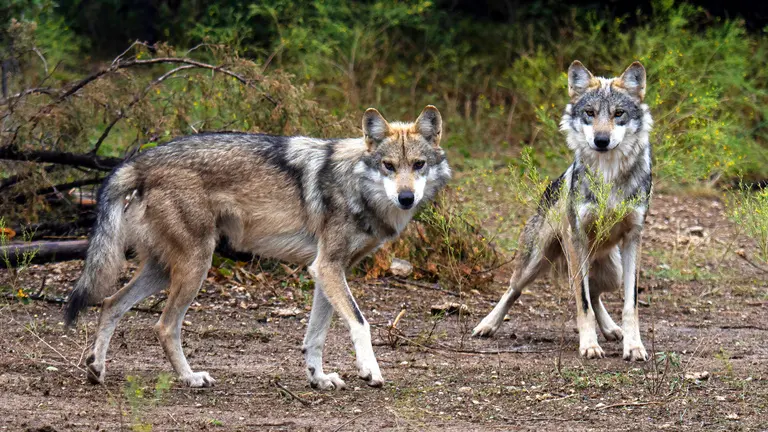
In natural habitats, the average lifespan of a gray wolf is relatively short, often ranging from 6 to 8 years. Survival is rarely guaranteed, as these animals face constant threats from starvation, territorial conflicts with rival packs, and infectious diseases like parvovirus or distemper. Because they are apex predators, they must constantly hunt large, dangerous prey, which frequently results in injuries that limit their ability to survive.
Environmental factors play a critical role in determining individual longevity. Wolves living in protected national parks or reserves often enjoy slightly longer lives because they face less pressure from human-related mortality. Conversely, wolves living in areas with high human activity are more susceptible to vehicle collisions and legal hunting or trapping. The following factors commonly influence the survival rate of wild populations:
- Availability of ungulate prey such as deer, elk, and moose.
- The social stability and size of the wolf's pack.
- Exposure to harsh winter conditions and extreme weather events.
- The presence of competing predators like grizzly bears or cougars.
Why do wolves live longer in captivity?
Wolves held in zoos or wildlife sanctuaries frequently live into their mid-teens, often reaching 15 or 16 years of age. The primary reason for this longevity is the elimination of the "struggle for existence" that defines life in the wild. Captive animals receive a consistent, high-quality diet that removes the physical toll of hunting and the risk of starvation during lean winter months.
Furthermore, captive wolves benefit from immediate medical intervention. Zookeepers and veterinarians can treat injuries, administer vaccines, and provide chronic care for age-related conditions that would be fatal in the wilderness. This stability allows them to bypass the natural mortality rates that claim many wolves before they reach middle age. While they lose the freedom of the wild, they gain a protected environment where the physical stresses of territorial defense and constant movement are removed, allowing their bodies to endure for significantly longer periods than their wild counterparts.
How do age and social status affect survival?
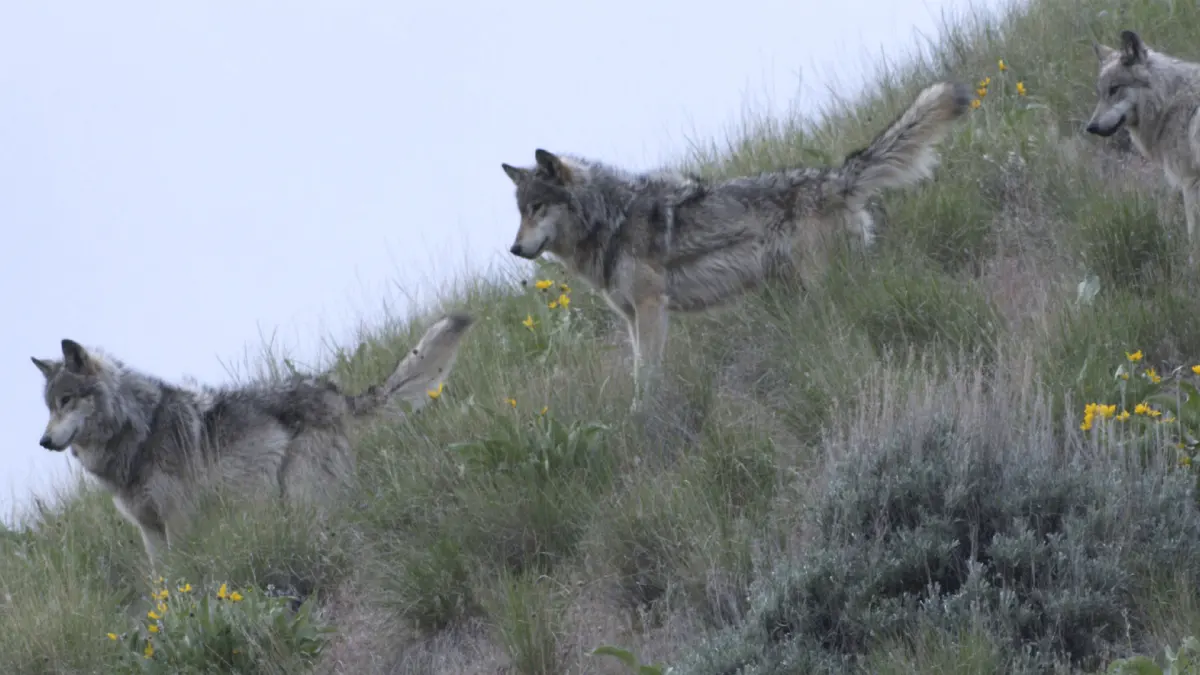
Age is the most significant predictor of a wolf's remaining lifespan. Mortality rates are highest during the first year of life, as pups are vulnerable to environmental stressors and lack the skills to defend themselves. Once a wolf reaches adulthood, its survival depends heavily on its social standing within the pack. Dominant breeding pairs often receive priority access to food, which keeps them in better physical condition during periods of scarcity.
As wolves age, they typically experience a decline in physical prowess, making it difficult to participate in high-stakes hunts. Older wolves may eventually be pushed out of the pack or suffer from weakened immune systems. To track the aging process, researchers often look for these specific indicators:
- Graying or whitening of the muzzle and facial fur.
- Increased stiffness in joints and signs of arthritis.
- Worn-down teeth, which impede the ability to consume heavy meals.
- Decreased stamina during long-distance travel or pack chases.
Common mistakes when estimating wolf age
A frequent error among observers is assuming that all wolves in a pack are of similar age or that size is a reliable indicator of maturity. While a large wolf might look formidable, it could be a young, inexperienced animal, whereas a smaller, thinner wolf might be an elderly pack member. Relying solely on visual size often leads to inaccurate assessments of a wolf's life stage.
Another common mistake is ignoring the impact of human-caused mortality when analyzing lifespan data. Many studies focus on natural causes of death, but in many regions, human interaction is the leading cause of mortality for adult wolves. Failing to account for poaching, vehicle strikes, or management-related culling can skew the perception of how long a wolf "should" live. When studying wolf populations, it is essential to distinguish between biological senescence—the natural process of aging—and premature death caused by external, anthropogenic, or environmental pressures.
How to support wolf longevity in the wild
Supporting the longevity of wolf populations requires a focus on habitat preservation and the maintenance of healthy prey populations. When ecosystems are intact, wolves can maintain the energy levels required for long-term survival. Conservationists prioritize the creation of corridors that allow wolves to travel safely between territories, reducing the likelihood of dangerous encounters with human infrastructure.
Effective conservation strategies involve several key actions:
- Protecting denning sites from human disturbance during the critical spring rearing season.
- Managing ungulate populations to ensure wolves have a stable food source throughout the winter.
- Implementing non-lethal deterrents to reduce human-wolf conflict near livestock areas.
- Supporting scientific research that monitors pack health and disease outbreaks.
By minimizing unnecessary stressors, humans can ensure that wild wolves reach their full biological potential. While the life of a wolf is inherently rugged and brief, protecting the integrity of their natural range remains the most effective way to ensure these predators live out their full, natural lifespans in the wild.
Key facts
- Wild gray wolves typically live between 6 and 8 years in their natural habitat.
- Wolves in captivity can live significantly longer, often reaching 12 to 15 years.
- Most wolf mortality in the wild is caused by human activity, including hunting and vehicle collisions.
- Pups face the highest risk of death, with many failing to survive their first winter due to starvation or disease.
- Territorial conflicts between rival packs are a primary cause of natural death among adult wolves.
- To observe wolves safely, always use binoculars or spotting scopes rather than approaching them on foot.
The bottom line
The lifespan of a wolf is heavily dictated by its environment and human interaction. While they are biologically capable of living over a decade, the harsh realities of the wild usually limit them to less than eight years. Understanding these natural constraints helps clarify why populations fluctuate and highlights the importance of habitat protection in ensuring the long-term survival of these apex predators in the modern world.
People also ask
Do wolves live longer than domestic dogs?
Generally, no. While some wolves reach 15 years in captivity, the average domestic dog often lives 10 to 13 years, with smaller breeds living even longer.
What is the leading cause of death for wild wolves?
Human-related factors, such as legal hunting, poaching, and collisions with motor vehicles, are the most common causes of death. Disease and starvation also play significant roles in regions with low prey density.
How does pack life affect a wolf's lifespan?
Living in a pack provides protection and cooperative hunting, which increases a wolf's chances of survival. However, pack members are also frequently injured or killed during territorial disputes with neighboring packs.
Are wolves more likely to die in the winter?
Winter is a challenging season due to extreme cold and reduced food availability. While adult wolves are well-adapted to the cold, weakened individuals or pups are at a higher risk of starvation during these months.
Do wolves die of old age in the wild?
It is rare for a wolf to die purely of old age in the wild. Most succumb to injuries, infections, or predation long before their biological limits are reached.
Can you tell a wolf's age by its teeth?
Yes, researchers estimate a wolf's age by examining the wear and tear on its teeth and the cementum annuli in the roots. This method is common in wildlife management studies.
This answer was created with the help of AI research tools and reference sources. Spotted an error? Let us know — we correct mistakes quickly. See our editorial policy.