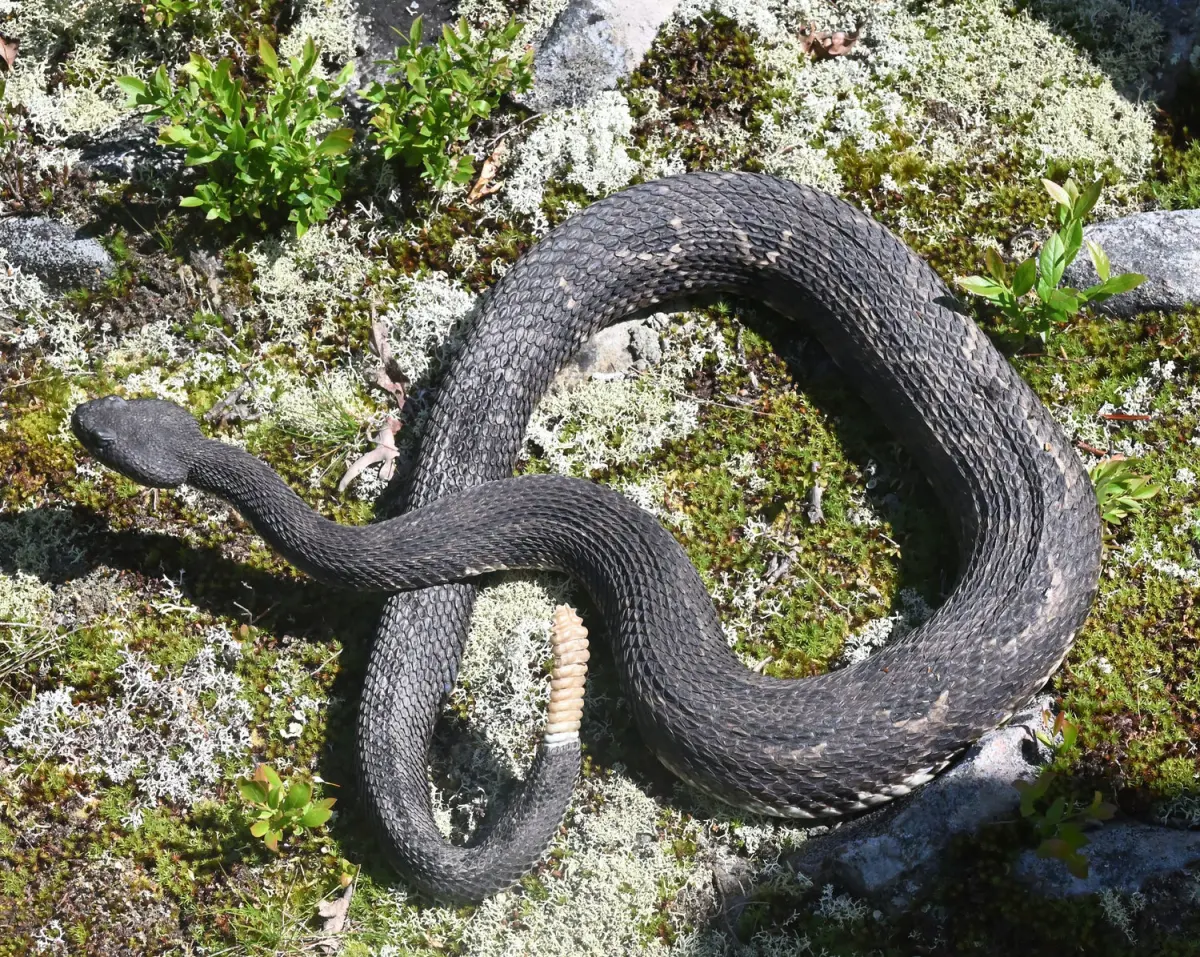
How long do rattlesnakes live?
Short answer
Rattlesnakes typically live between 10 and 20 years in the wild, though some captive specimens have reached 30 years. Their lifespan depends heavily on the specific species, environmental conditions, and predation risks. Smaller species generally have shorter life expectancies, while larger rattlesnakes often survive longer due to fewer natural predators and higher resilience.
On this page
How long do rattlesnakes live in the wild?
In natural habitats, the lifespan of a rattlesnake is dictated by a constant struggle for survival. Most species, such as the Western Diamondback or the Timber Rattlesnake, average between 10 to 15 years. Factors like food availability, habitat quality, and the presence of predators play a significant role in determining how long an individual survives. Because they are ectothermic, these snakes must navigate extreme temperature fluctuations, which can limit their activity periods and hunting success.
Predation is the most common cause of early mortality for younger snakes. Hawks, eagles, coyotes, and even other snakes frequently target rattlesnakes before they reach maturity. Once a rattlesnake reaches its full adult size, it faces fewer threats, allowing it to live longer. However, environmental degradation and human interference remain the primary obstacles to reaching their maximum potential lifespan. In protected areas with abundant prey, some individuals may exceed the average, but the harsh realities of the wild usually keep their life expectancy within the 10 to 20-year range.
Why do captive rattlesnakes live longer?
Captive rattlesnakes often enjoy significantly longer lives than their wild counterparts, frequently reaching 20 to 30 years under professional care. The primary reason for this longevity is the elimination of environmental stressors that define wild existence. In a controlled environment, snakes are provided with consistent nutrition, eliminating the risk of starvation during lean months. They are also protected from extreme weather, which prevents the metabolic stress associated with hibernation or overheating.
Beyond environmental stability, captive snakes benefit from advanced veterinary medicine. Researchers and zookeepers can monitor for parasites, infections, or injuries that would be fatal in the wild. By providing a stable, predator-free environment, caregivers allow the snake to direct its energy toward maintenance and growth rather than defense and foraging. This disparity highlights how external pressures significantly shorten the natural biological potential of these reptiles.
- Consistent, high-quality nutrition prevents metabolic bone disease.
- Controlled temperatures reduce the strain on the snake’s internal organs.
- Regular health screenings detect illnesses before they become terminal.
- Absence of natural predators eliminates the risk of traumatic injury.
What factors influence rattlesnake longevity?
Several biological and environmental variables determine how long a specific rattlesnake will live. Species size is a major indicator; larger species like the Eastern Diamondback generally possess a slower metabolism and higher energy reserves, which can contribute to a longer lifespan. Conversely, smaller, high-metabolism species may experience faster aging processes. Reproductive frequency also plays a role, as the energy expenditure required for gestation and birth can take a toll on a female snake’s physical condition over time.
Habitat quality is equally critical to survival. Snakes living in regions with stable prey populations—such as rodents and small birds—maintain better body condition. In contrast, snakes in fragmented or urbanized habitats often face higher risks from road traffic, chemical exposure, and human persecution. These anthropogenic factors are currently among the leading causes of premature death for rattlesnake populations globally. When a snake is forced to spend more energy navigating human-altered landscapes, its overall health and longevity inevitably decline.
- Species size and metabolic rate.
- Availability of consistent food sources.
- Frequency of reproductive cycles.
- Exposure to human-related hazards like roads.
- Climatic stability within the home range.
How to identify a healthy rattlesnake?
If you are observing rattlesnakes for research or conservation purposes, identifying signs of health is essential to understanding their status. A healthy rattlesnake typically displays a robust body shape, meaning the skin is not loose or wrinkled, and the spine is not prominently visible. Their movements should be fluid and purposeful, rather than lethargic or uncoordinated. Clear, bright eyes that are free of retained shed skin or discharge are also strong indicators of a snake that is thriving in its environment.
Common signs of distress or poor health include visible external parasites like ticks or mites, which can drain the snake's energy and transmit diseases. Additionally, a snake that remains sluggish or fails to respond to external stimuli may be suffering from an underlying infection or nutritional deficiency. When documenting these animals, it is vital to keep a respectful distance to avoid causing unnecessary stress, which can compromise their immune systems. Observing these physical markers provides valuable insight into how well a population is adapting to its local ecosystem.
Common mistakes when assessing snake age
One of the most frequent errors people make is assuming that the number of segments on a rattlesnake’s rattle correlates directly to its age in years. In reality, a rattlesnake adds a new segment to its rattle every time it sheds its skin. Because a snake may shed its skin multiple times per year depending on its growth rate and food intake, the rattle is an unreliable calendar. Furthermore, older segments often break off due to wear and tear, meaning a large rattle does not necessarily indicate a very old snake.
Another mistake is underestimating the impact of human presence on snake populations. Many people assume that rattlesnakes are naturally aggressive and will easily survive anywhere, but they are highly sensitive to habitat disruption. Attempting to relocate a snake to a new environment often results in death, as the animal may fail to find suitable shelter or prey in an unfamiliar territory. Understanding that these animals are long-lived, slow-growing creatures is essential for anyone interested in their conservation or study.
Key facts
- Rattlesnakes typically live between 10 and 20 years in the wild, depending on the species and environmental conditions.
- Captive rattlesnakes often live significantly longer, sometimes reaching 25 to 30 years due to consistent food and lack of predators.
- Species size influences longevity; larger rattlesnakes, such as the Eastern Diamondback, often have longer potential lifespans than smaller species.
- If you encounter a rattlesnake, back away slowly and maintain a distance of at least six feet to avoid a defensive strike.
- Never attempt to kill or handle a rattlesnake, as the vast majority of bites occur when people try to interact with the animal.
- Keep your yard clear of debris, woodpiles, and tall grass to reduce the likelihood of rattlesnakes seeking shelter near your home.
The bottom line
Rattlesnakes are resilient reptiles that generally live between one and two decades in their natural habitats. While their lifespan is influenced by environmental stressors and predation, they are highly adapted survivors. Understanding their behavior and maintaining a respectful distance is the most effective way to coexist safely. By avoiding direct interaction, you ensure your own safety while allowing these important predators to fulfill their ecological role.
People also ask
Do rattlesnakes grow a new rattle segment every year?
No, rattlesnakes add a new segment to their rattle each time they shed their skin, which can happen multiple times per year. The length of the rattle is not a reliable indicator of the snake's exact age.
How can you tell if a snake is a rattlesnake?
Rattlesnakes are identified by the distinct rattle at the end of their tail, a triangular-shaped head, and vertical, cat-like pupils. They also typically have heavy, thick bodies with patterned scales that provide camouflage.
Are all rattlesnake bites fatal?
Most rattlesnake bites are not fatal if the victim receives medical attention promptly. Antivenom is highly effective, and modern hospital treatment has made deaths from these bites extremely rare.
What should I do if I am bitten by a rattlesnake?
Stay calm, keep the bite area below the level of your heart, and seek emergency medical care immediately. Do not attempt to cut the wound, suck out the venom, or apply a tourniquet.
Do rattlesnakes hibernate?
Rattlesnakes do not hibernate in the true sense, but they do brumate, a period of dormancy during cold winter months. They often gather in communal dens, known as hibernacula, to conserve heat.
How many babies do rattlesnakes have?
Most rattlesnakes give birth to live young rather than laying eggs, with litter sizes typically ranging from 4 to 20 offspring. The mother provides no care for the young after they are born.
This answer was created with the help of AI research tools and reference sources. Spotted an error? Let us know — we correct mistakes quickly. See our editorial policy.