How big do rattlesnakes get?
Short answer
Rattlesnakes vary significantly in size depending on the species, ranging from the small pygmy rattlesnake at about 18 inches to the massive eastern diamondback, which can exceed 7 feet. Most common species typically measure between 3 and 5 feet in length, with weight scaling according to their specific build and environment.
On this page
How big do different rattlesnake species get?
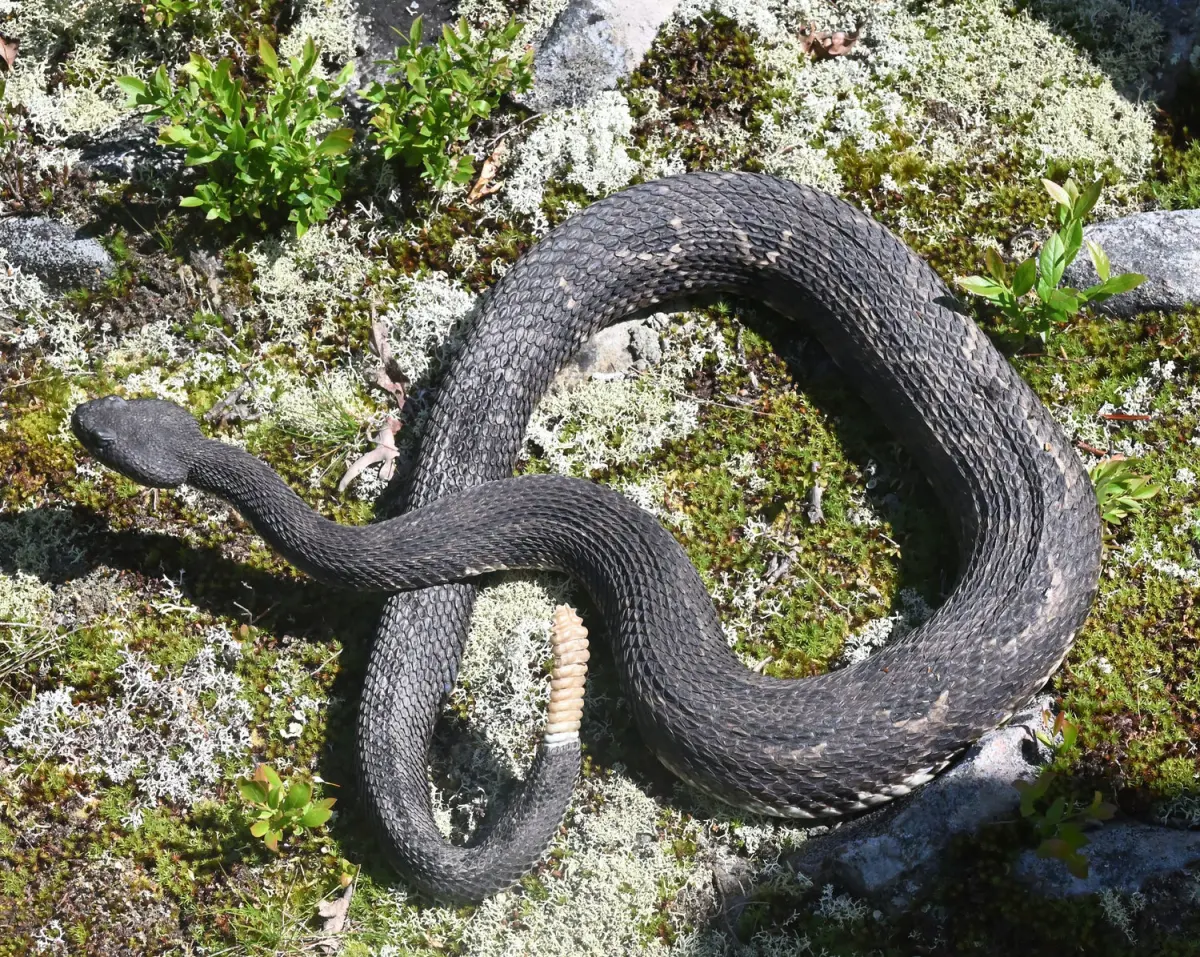
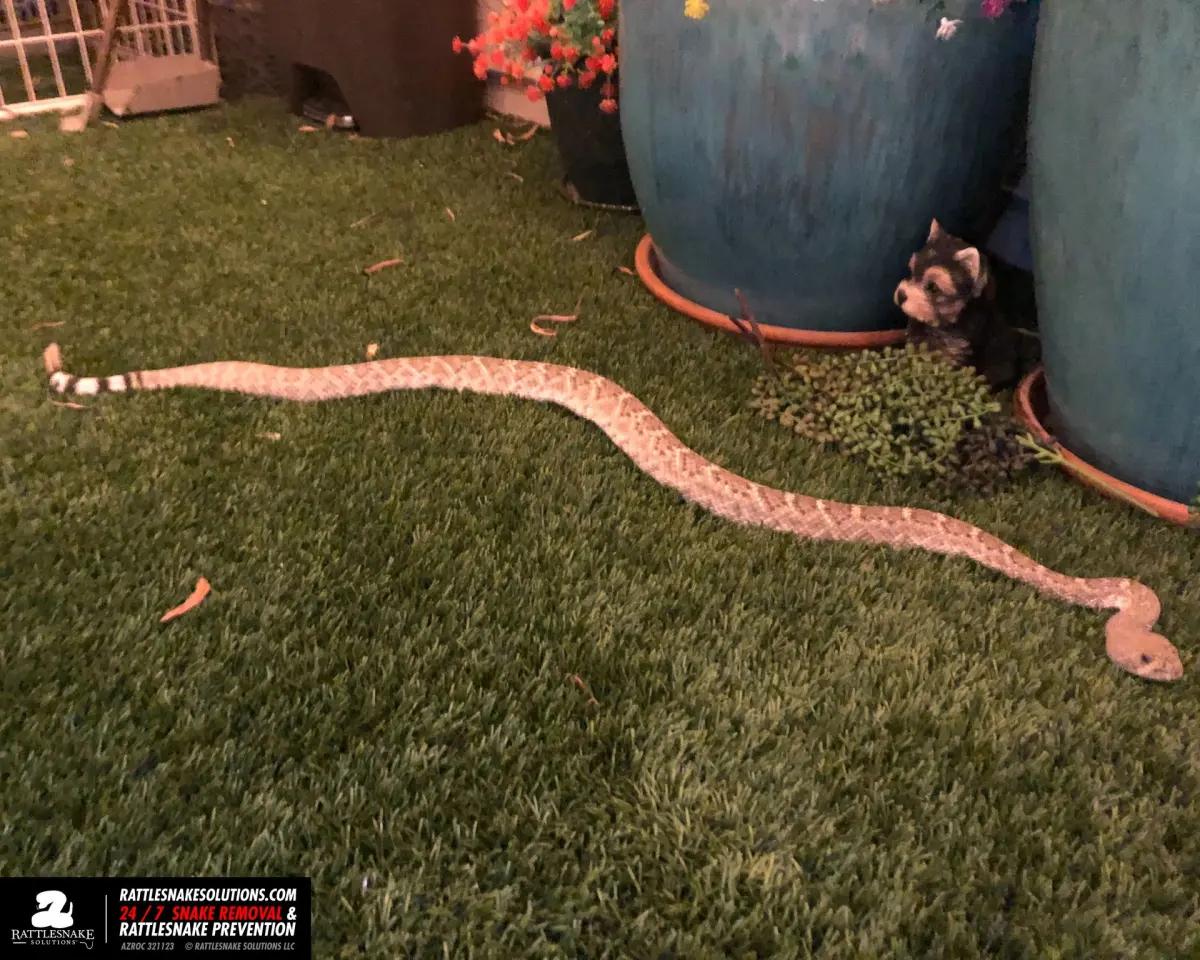
Rattlesnakes belong to the genus Crotalus and Sistrurus, encompassing over 30 distinct species with vastly different physical dimensions. The eastern diamondback rattlesnake (Crotalus adamanteus) holds the record as the largest, often reaching lengths of 5 to 6 feet, with rare individuals stretching beyond 7 feet. In contrast, the pygmy rattlesnake (Sistrurus miliarius) remains quite diminutive, rarely exceeding 20 inches in total length.
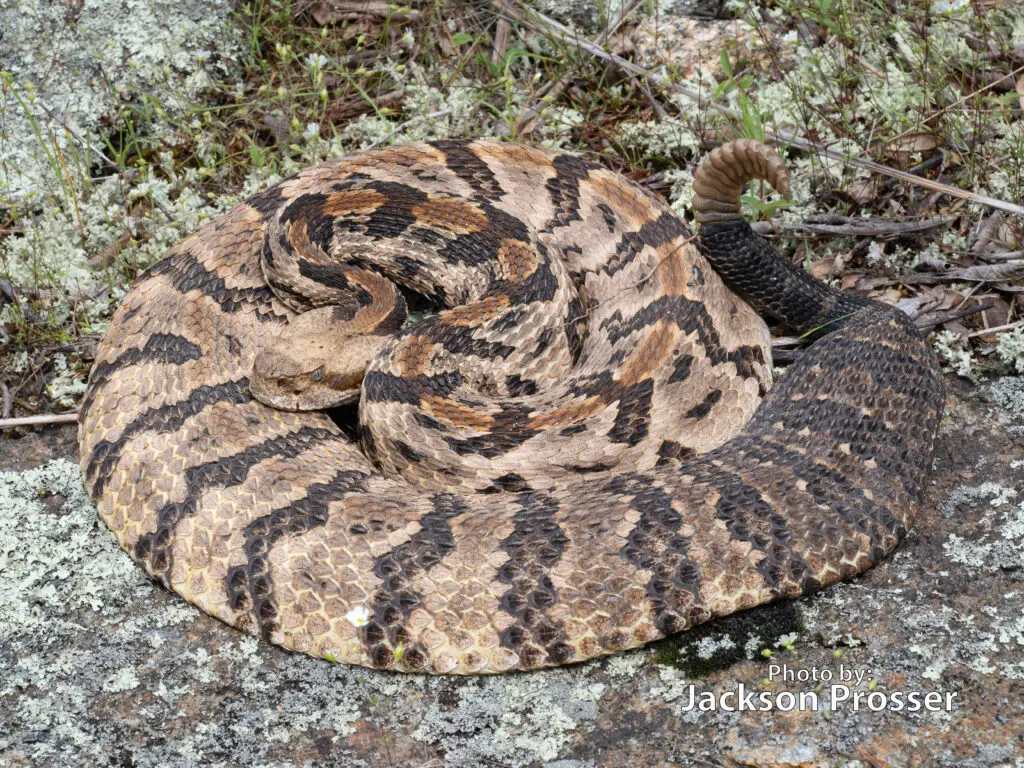
Between these extremes, many familiar species like the timber rattlesnake and the western diamondback typically fall into the 3 to 5-foot range. Their physical girth also varies; some species are slender and agile, while others, particularly those living in areas with abundant prey, develop thick, heavy bodies. Understanding that "rattlesnake" describes a diverse group of reptiles is essential for identifying them correctly in the wild.
Why do rattlesnakes vary in size?
Growth in rattlesnakes is primarily dictated by genetic predisposition, the availability of food, and the length of the local growing season. In regions where prey such as rodents, birds, and lizards are plentiful, snakes grow faster and reach larger maximum sizes. Conversely, populations living in harsh, arid environments or higher altitudes often exhibit slower growth rates and smaller overall body mass.
Environmental factors also influence how often a snake sheds its skin, which is directly linked to its growth cycle. A well-fed snake in a warm climate may shed several times a year, allowing it to increase in size rapidly. Genetics play a secondary role, as certain species are evolutionarily adapted to remain small to exploit specific ecological niches, such as rocky crevices or dense underbrush where larger predators cannot easily follow.
How to accurately measure a rattlesnake
Measuring a live rattlesnake in the wild is dangerous and strongly discouraged, but researchers use specific techniques to record data safely. When a snake is handled by professionals, they typically use a flexible measuring tape to follow the contours of the body from the snout to the base of the rattle. Because snakes are flexible, measuring them in a straight line often underestimates their true physical length.
If you find a shed skin, you can estimate the size of the snake, though the skin usually stretches during the shedding process. To get a reliable estimate:
- Lay the skin out on a flat, clean surface without pulling or stretching it.
- Use a rigid ruler or tape measure to record the length from the head to the tail tip.
- Subtract approximately 10 to 15 percent from the total to account for the natural expansion that occurs during the molting process.
Common mistakes when identifying rattlesnakes
Many people mistakenly believe that the size of a rattlesnake or the number of segments on its rattle indicates its exact age. This is a common misconception; a snake may add a new segment to its rattle every time it sheds, which can happen multiple times a year depending on food intake. Furthermore, rattles often break off due to wear and tear, making them an unreliable tool for determining age or total length.
Another frequent error is overestimating the size of a snake when viewed from a distance or during a high-stress encounter. The defensive posture of a rattlesnake, which involves coiling and raising the head, often makes the animal appear much larger than it actually is. To avoid misidentification and unnecessary panic, follow these guidelines:
- Maintain a safe distance of at least 6 to 10 feet from any snake.
- Observe the pattern and the presence of the rattle rather than focusing solely on length.
- Remember that juvenile snakes are just as venomous as adults and should be treated with the same level of caution.
How to stay safe around rattlesnakes
Safety in rattlesnake country is about awareness and respecting the animal's space. These snakes are generally shy and will avoid human contact if given the opportunity to retreat. When hiking, always stay on cleared trails where you can see where you are placing your feet. Avoid reaching into dark crevices, under logs, or into thick bushes where a snake might be resting out of the sun.
If you encounter a rattlesnake, the best course of action is to stop moving and slowly back away in the direction you came from. Do not attempt to kill, harass, or capture the snake, as most bites occur when people try to interfere with the animal. By remaining calm and giving the snake a wide berth, you ensure your safety while allowing the animal to continue its natural role in the ecosystem. Always wear sturdy boots and long pants when exploring areas known for snake activity to provide an extra layer of protection.
Key facts
- The Eastern Diamondback is the largest rattlesnake species, occasionally reaching lengths of 7 to 8 feet.
- Most rattlesnake species average between 2.5 and 5 feet in length when fully mature.
- Rattlesnake size is determined by species, available food sources, and the length of the growing season.
- Avoid handling any rattlesnake, regardless of its size, as even juveniles possess potent venom.
- If you encounter a snake in the wild, maintain a distance of at least 6 feet to remain safely outside its strike range.
- A common mistake is assuming a small rattlesnake is a harmless baby; young snakes are just as venomous and often more defensive.
The bottom line
Rattlesnakes vary significantly in size, with the Eastern Diamondback holding the record for the largest specimens. While most species typically measure between 3 and 5 feet, size is never an indicator of safety. Always treat every rattlesnake with extreme caution, maintain a safe distance, and never attempt to handle one. Understanding that even small snakes are dangerous is the most critical step in staying safe outdoors.
People also ask
Are rattlesnakes dangerous if they are small?
Yes, small rattlesnakes are just as dangerous as large ones. They possess fully functional venom glands and are often more likely to strike because they feel more vulnerable to threats.
How can you tell if a snake is a rattlesnake?
Look for a triangular-shaped head, a thick body with patterned scales, and the characteristic rattle at the end of the tail. However, never rely on visual identification if you are unsure, as many harmless snakes mimic these features.
Do rattlesnakes grow larger in captivity?
Rattlesnakes in captivity can sometimes grow larger than their wild counterparts due to consistent access to high-quality food. In the wild, their growth is strictly limited by the availability of prey and seasonal weather patterns.
What should I do if I am bitten by a rattlesnake?
Stay calm, keep the affected area below heart level, and seek emergency medical attention immediately. Do not attempt to cut the wound, suck out the venom, or apply a tourniquet, as these actions often cause more harm.
Do all rattlesnakes have rattles?
Almost all rattlesnakes are born with a small "button" at the tip of their tail. They gain a new segment each time they shed their skin, though the rattle can break off or fail to make sound in some individuals.
How fast do rattlesnakes grow?
Growth rates vary by species and environment, but most rattlesnakes reach sexual maturity within two to four years. They continue to grow throughout their lives, albeit at a much slower rate once they reach adulthood.
This answer was created with the help of AI research tools and reference sources. Spotted an error? Let us know — we correct mistakes quickly. See our editorial policy.