What do goats eat?
Short answer
Goats are ruminant herbivores that primarily consume forage, including grasses, weeds, shrubs, and woody plants. They are natural browsers rather than grazers, meaning they prefer to eat leaves and stems at eye level. A healthy diet requires high-quality hay or pasture, clean water, and access to essential minerals for proper digestion.
On this page
What do goats eat for optimal health?
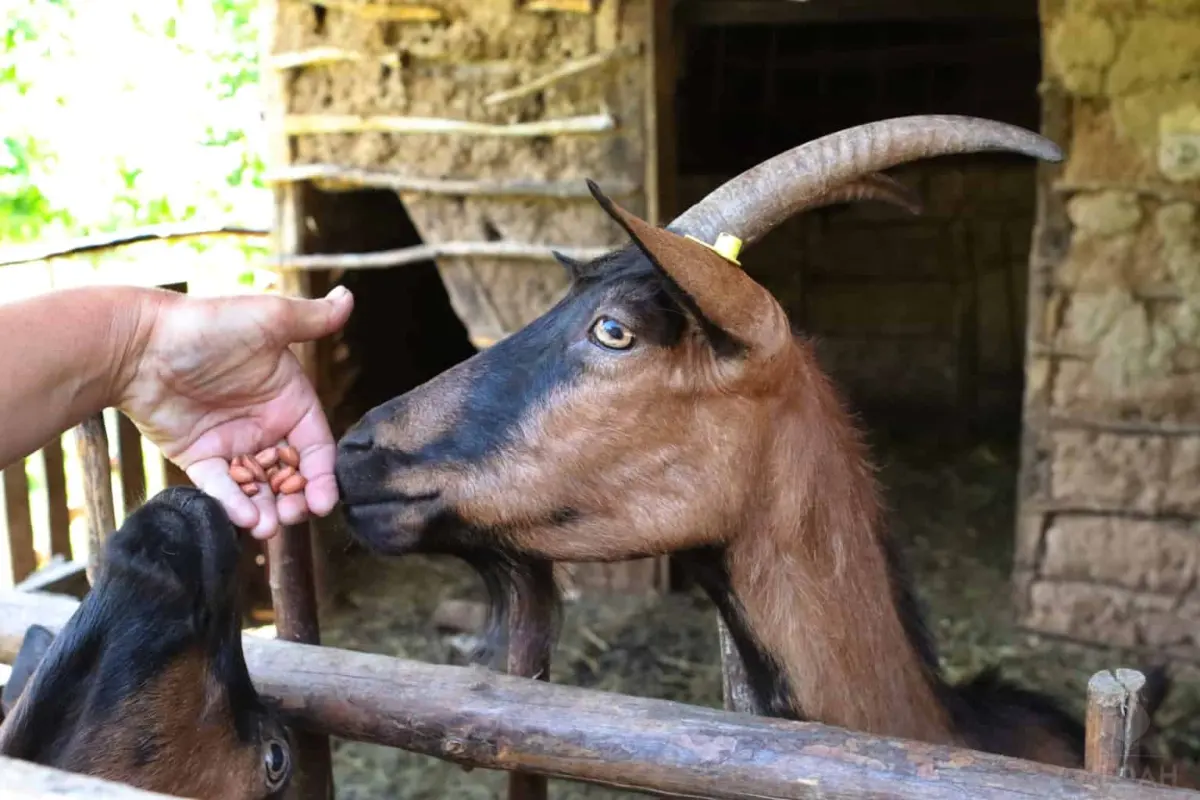
Goats are versatile eaters that thrive on a diverse diet consisting of forage, fiber, and specific nutrients. Their digestive systems are designed to process high-fiber vegetation, allowing them to extract energy from plants that other livestock might avoid. While they are famous for their ability to eat almost anything, their health depends on high-quality forage like alfalfa, clover, or orchard grass.
In addition to forage, goats require a steady supply of clean, fresh water and free-choice minerals. These minerals, often provided in a loose form rather than a block, are critical for preventing deficiencies in copper, selenium, and zinc. Without these supplements, goats may experience poor coat condition, reproductive issues, or weakened immune systems. Providing a balanced intake of these elements ensures that their rumen—the primary fermentation chamber of their stomach—functions efficiently to break down complex plant materials.
How to choose the best goat feed
Selecting the right feed depends on the goat’s life stage, such as whether it is a growing kid, a lactating doe, or a mature buck. Forage should always make up the majority of the diet, but supplemental grain may be necessary for goats under high physical stress or those in cold climates. When selecting feed, prioritize products specifically formulated for goats to avoid toxicity from additives meant for other species.
- Assess the quality of hay by checking for a fresh, sweet smell and a lack of mold or dust.
- Provide free-choice access to high-quality forage to mimic their natural browsing behavior.
- Introduce grain slowly, if needed, to prevent digestive upset like bloat or acidosis.
- Ensure access to loose minerals designed specifically for goats, avoiding sheep minerals which lack necessary copper.
Always store feed in airtight, pest-proof containers to prevent contamination. Moldy feed can be fatal to goats, as they are highly sensitive to mycotoxins.
Why goats should avoid certain plants
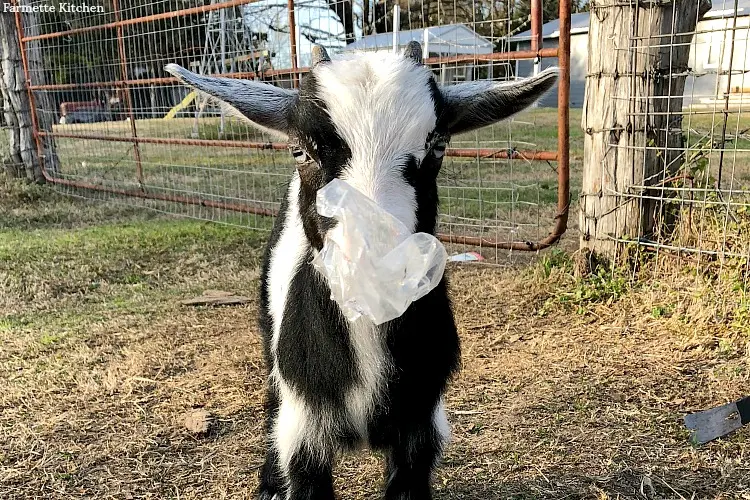
While goats are browsers, they are not immune to plant toxicity. Many common garden plants and ornamental shrubs contain compounds that can cause severe illness or death if ingested in sufficient quantities. Owners must be vigilant about the vegetation available in the goat’s enclosure and surrounding areas.
- Azaleas and rhododendrons, which contain grayanotoxins that disrupt heart function.
- Nightshades, including tomato and potato leaves, which contain solanine.
- Cherry and peach tree leaves, which can release cyanide when wilted or stressed.
- Foxglove and lily of the valley, which are highly toxic to the cardiovascular system.
If you suspect a goat has consumed a toxic plant, contact a veterinarian immediately. Signs of poisoning often include excessive salivation, lethargy, difficulty breathing, or sudden collapse. Prevention is the most effective strategy; always inspect pastures for these plants before allowing goats to graze, especially after storms that may bring down branches from toxic trees.
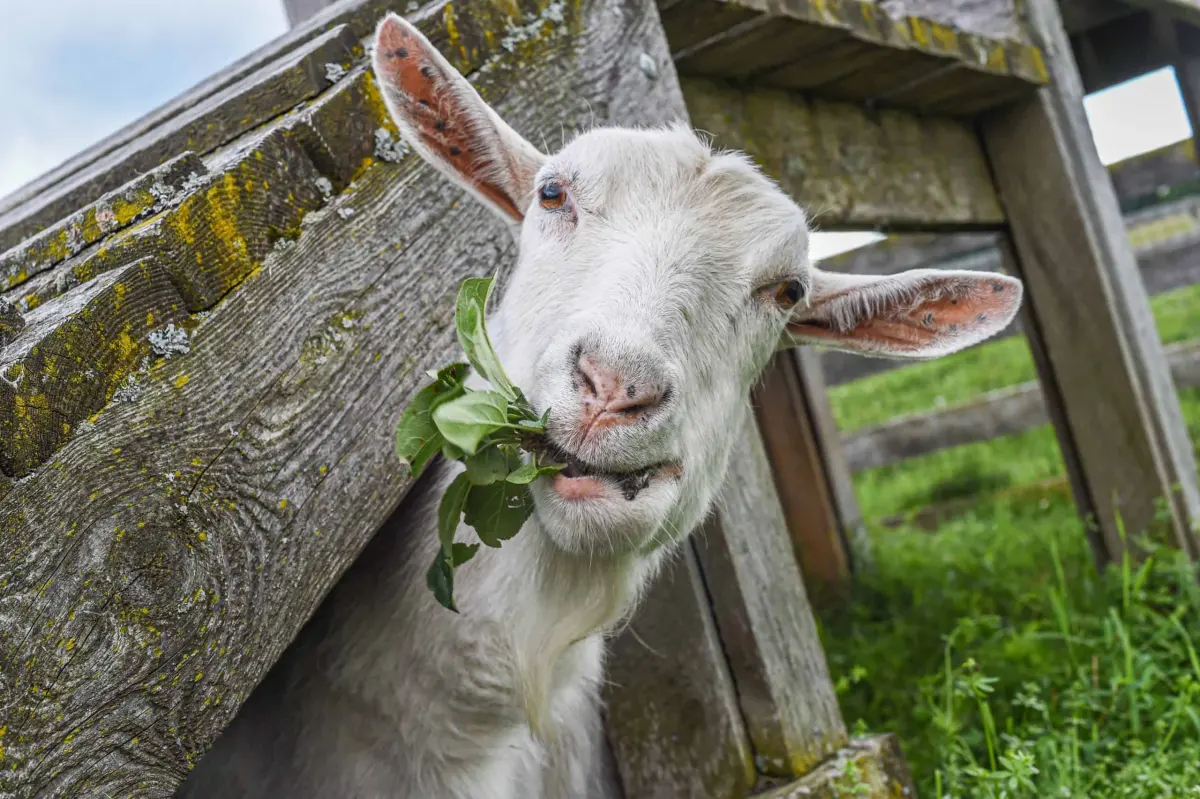
Common mistakes when feeding goats
One of the most frequent errors is assuming goats can thrive on kitchen scraps or lawn clippings. While they may eat these items, lawn clippings can ferment rapidly in the rumen, leading to bloat, a life-threatening condition where gas becomes trapped. Similarly, kitchen scraps often lack the nutritional balance required for long-term health and may contain ingredients that are harmful to ruminants.
Another common mistake is overfeeding grain. Goats are prone to obesity and metabolic disorders if they consume too many carbohydrates. Grain should be treated as a treat or a targeted supplement rather than a primary food source. Furthermore, failing to provide a consistent source of clean water can lead to urinary calculi, a painful condition where stones form in the urinary tract. Always ensure that water troughs are scrubbed regularly to prevent the growth of algae and bacteria, which can discourage goats from drinking enough to stay hydrated.
How to manage goat grazing patterns
Goats are natural browsers that prefer to eat upward, reaching for leaves, twigs, and bark rather than grazing low-growing grasses. This behavior makes them excellent at clearing brush and invasive species from a property. To manage their grazing effectively, implement a rotational grazing system that allows pastures to recover between sessions. This practice prevents overgrazing, which can lead to soil erosion and the ingestion of parasite larvae that live near the base of plants.
- Divide the grazing area into smaller paddocks using portable electric fencing.
- Move the herd to a new paddock once the forage has been grazed down to a height of about three inches.
- Allow the rested paddock to regrow for at least 30 to 45 days before returning the goats.
- Monitor the herd’s body condition score regularly to ensure they are maintaining a healthy weight throughout the grazing season.
By controlling their access to different areas, you can maximize the nutritional value of the available forage while minimizing the risk of internal parasite infestations. This structured approach mimics the natural movement of wild goats and promotes long-term land health.
Key facts
- Goats are browsers, not grazers, meaning they prefer eating shrubs, weeds, and tree leaves over grass.
- A healthy goat requires a diet consisting of at least 70% high-quality forage, such as hay or pasture.
- Goats possess a complex four-compartment stomach that requires a high-fiber diet to maintain proper digestion.
- Clean, fresh water is essential, as goats will often refuse to drink water that is stagnant or dirty.
- Never feed goats moldy hay or grain, as it can cause severe health issues like listeriosis or enterotoxemia.
- Copper is a vital mineral for goats, but it is toxic to sheep, so keep their mineral supplements strictly separated.
The bottom line
Goats are natural browsers that thrive on a diverse diet of shrubs, weeds, and high-quality hay. By prioritizing fiber-rich forage and providing species-specific minerals, you ensure their complex digestive systems remain healthy. Avoid common mistakes like feeding moldy feed or lawn clippings, and always keep toxic plants out of reach. With proper nutrition and clean water, your goats will remain productive, energetic, and healthy companions.
People also ask
Can goats eat vegetable scraps from the kitchen?
Yes, goats can eat many vegetable scraps like carrot tops, lettuce, and pumpkin. Avoid feeding them nightshades like tomatoes or potatoes, as these can be toxic to their digestive systems.
Is it safe to feed goats grain?
Grain should be used sparingly as a treat or a supplement for lactating does, not as a primary food source. Overfeeding grain can lead to bloat or urinary calculi, especially in wethers.
Do goats need mineral blocks?
Yes, goats require a loose mineral supplement specifically formulated for their species. These minerals support immune health and prevent deficiencies that lead to poor coat condition or reproductive issues.
Can goats eat grass clippings from a lawnmower?
You should never feed goats grass clippings because the clippings can ferment rapidly in the rumen. This fermentation process can cause fatal bloat and may also contain toxic lawn chemicals or poisonous weeds.
What plants are poisonous to goats?
Many common plants, including azaleas, rhododendrons, foxglove, and wilted cherry tree leaves, are highly toxic to goats. Always research the vegetation in your pasture to ensure it is safe for consumption.
How much food does a goat need per day?
An average adult goat typically consumes 2 to 4 pounds of dry matter daily. This amount varies based on the goat's size, age, pregnancy status, and the nutritional quality of the forage provided.
This answer was created with the help of AI research tools and reference sources. Spotted an error? Let us know — we correct mistakes quickly. See our editorial policy.