What do cats eat?
Short answer
Cats are obligate carnivores, meaning they require nutrients found only in animal tissue to survive. Their diet must be rich in high-quality protein and fats, supplemented by essential amino acids like taurine. While they may occasionally nibble on vegetation, their digestive systems are biologically specialized for processing meat rather than plant-based carbohydrates.
On this page
What are the nutritional requirements of cats?
Domestic cats are biologically classified as obligate carnivores, which distinguishes them from omnivores like dogs or humans. This evolutionary adaptation means their bodies are specifically designed to derive energy and essential nutrients from animal proteins rather than plant matter. A cat’s metabolism requires specific amino acids, such as taurine, arginine, and methionine, which are abundant in meat but absent or insufficient in plant sources. Without these, cats face severe health risks, including heart disease and vision loss.
Beyond proteins, fats serve as a vital energy source for cats, providing them with the concentrated calories necessary for their active, predatory nature. While they require some vitamins and minerals, they cannot synthesize certain nutrients, such as vitamin A and niacin, internally. Consequently, they must obtain these through their diet. A balanced feline diet typically follows this nutritional profile:
- High protein content (typically 30% to 50% of dry matter).
- Moderate fat levels to support skin, coat, and energy.
- Minimal carbohydrate intake, as cats lack the enzymes to process large amounts of starch.
How to choose the best cat food
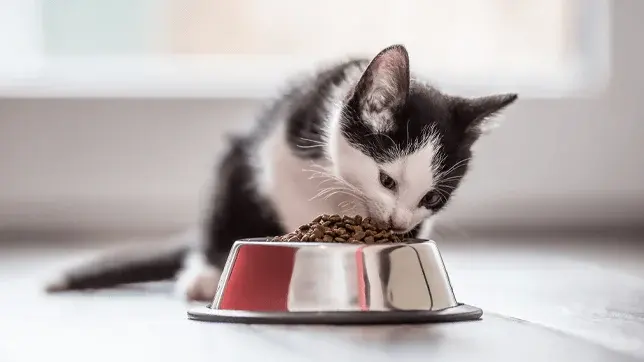
Selecting the right commercial cat food requires careful attention to the ingredient label. Look for products where the first ingredient is a named animal protein, such as chicken, turkey, or salmon, rather than a generic "meat meal" or "by-product." High-quality foods prioritize whole proteins and avoid excessive fillers like corn, wheat, or soy, which provide little nutritional value to a cat. Wet food is often recommended by veterinarians because it mimics the moisture content of a natural prey diet, helping to maintain proper hydration.
When evaluating options, consider the life stage of your cat to ensure the food meets specific growth or maintenance needs. Kittens require higher calorie and protein density for development, while senior cats may need lower phosphorus levels to support kidney function. To ensure your cat receives a complete and balanced diet, follow these guidelines:
- Verify the label states the food meets AAFCO (Association of American Feed Control Officials) nutritional standards.
- Check the expiration date to ensure freshness and nutrient potency.
- Observe your cat's weight and coat condition to determine if the current diet is effectively meeting their needs.
Why do cats eat grass and plants?
Many cat owners are surprised to see their pets grazing on houseplants or grass. While cats are obligate carnivores, they occasionally ingest vegetation for reasons that remain a subject of scientific study. One leading theory suggests that grass acts as a natural laxative or digestive aid, helping cats pass hairballs or undigested food through their gastrointestinal tract. Others believe cats may be seeking micronutrients or simply enjoy the texture of the plant matter.
However, it is crucial to distinguish between safe grazing and dangerous ingestion. While common lawn grass is generally harmless, many popular household plants are highly toxic to felines. Lilies, for example, are extremely dangerous and can cause fatal kidney failure even in small amounts. Other harmful plants include philodendrons, azaleas, and sago palms. If you notice your cat frequently eating plants, provide a safe alternative like a pot of wheatgrass or catnip. If you suspect your cat has ingested a toxic plant, contact a veterinarian immediately to prevent severe poisoning.
Common mistakes when feeding cats
One of the most frequent errors cat owners make is allowing their pets to become overweight. Obesity is a significant health crisis in the feline population, leading to diabetes, arthritis, and liver disease. Many owners fall into the trap of free-feeding, where a bowl of dry kibble is left out all day. This practice makes it difficult to monitor food intake and encourages overeating. Instead, establish scheduled meal times to control portions and monitor your cat’s appetite, which is often the first indicator of illness.
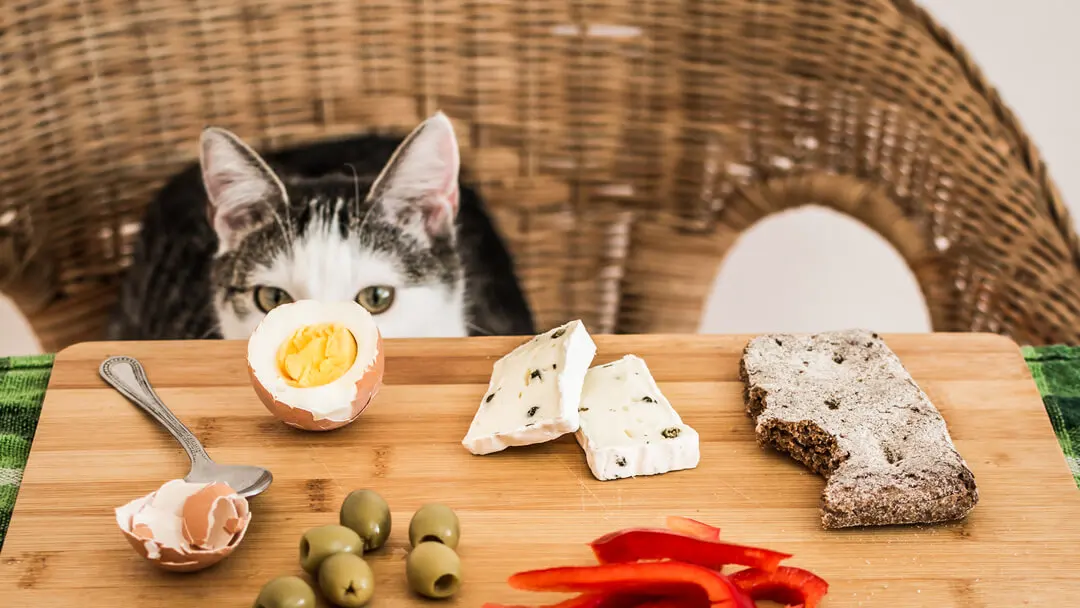
Another common mistake is providing an unbalanced homemade diet without veterinary guidance. Creating a nutritionally complete meal for a cat is complex and requires precise ratios of calcium, phosphorus, and essential vitamins. Deficiencies can develop rapidly and cause irreversible damage. If you choose to prepare food at home, consult a board-certified veterinary nutritionist to develop a recipe that meets your cat's specific requirements. Avoid feeding your cat common human foods that are toxic, including:
- Onions and garlic, which can damage red blood cells.
- Chocolate and caffeine, which contain stimulants harmful to the heart.
- Grapes and raisins, which are linked to sudden kidney failure.
- Milk, as most adult cats are lactose intolerant and suffer from digestive upset.
How to transition a cat to a new diet
Changing a cat's diet should always be a gradual process to avoid gastrointestinal distress and food aversion. Cats are famously sensitive to changes in their environment, and a sudden switch in food can lead to vomiting, diarrhea, or a refusal to eat. A slow transition allows the cat’s digestive system to adjust to the new ingredients and helps them become accustomed to the different aroma and texture of the new food.
To transition your cat successfully, follow this structured timeline over seven to ten days:
- Days 1-3: Mix 25% of the new food with 75% of the old food.
- Days 4-6: Combine 50% of the new food with 50% of the old food.
- Days 7-9: Serve 75% of the new food with 25% of the old food.
- Day 10: Offer 100% of the new food.
If your cat shows signs of digestive upset, slow down the process and maintain the current ratio for an extra day or two. Always ensure that fresh, clean water is available at all times, especially when switching between dry and wet food formats. If your cat continues to refuse the new food after several attempts, consult your veterinarian to rule out underlying health issues or to find a more palatable alternative that meets their nutritional needs.
Key facts
- Cats are obligate carnivores, meaning their biological systems require nutrients found only in animal tissue.
- Taurine is an essential amino acid for cats that must be obtained through meat; a deficiency can lead to heart disease and blindness.
- Adult cats require a diet high in protein and moderate in fats, but they have very limited needs for carbohydrates.
- Fresh, clean water must be available at all times, as cats have a low thirst drive and often rely on moisture in their food.
- Avoid feeding cats onions, garlic, chocolate, grapes, raisins, or caffeine, as these are toxic and can cause severe organ damage.
- Consult a veterinarian before switching diets, especially for kittens, senior cats, or those with underlying health conditions like kidney disease.
The bottom line
Providing a balanced diet is the most important factor in ensuring your cat’s long-term health and vitality. As obligate carnivores, they rely on high-quality animal proteins to function properly. By avoiding toxic human foods, monitoring portion sizes to prevent obesity, and ensuring constant access to fresh water, you can help your feline companion avoid common nutritional deficiencies and maintain a healthy, active lifestyle for years.
People also ask
Can cats survive on a vegetarian or vegan diet?
No, cats cannot thrive on a plant-based diet. They require specific nutrients like taurine, arachidonic acid, and preformed vitamin A, which are naturally absent or insufficient in plant matter.
Is milk a healthy treat for adult cats?
Most adult cats are lactose intolerant and cannot properly digest cow's milk. Consuming dairy often leads to digestive upset, including bloating, gas, and diarrhea.
How often should I feed my adult cat?
Most healthy adult cats do well with two meals per day, spaced about 8 to 12 hours apart. Some owners prefer free-feeding dry kibble, but this can lead to overeating and obesity.
Why do cats eat grass?
Cats may eat grass to help settle an upset stomach or to assist in passing hairballs. While generally harmless, ensure the grass is free of pesticides or toxic chemicals.
Should I feed my cat wet food or dry food?
Both can be part of a healthy diet, though wet food provides essential hydration that helps support kidney and urinary tract health. Many veterinarians recommend a mix or focusing primarily on high-quality wet food.
How can I tell if my cat is overweight?
You should be able to feel your cat's ribs without a thick layer of fat, and they should have a visible waistline when viewed from above. If you are unsure, a veterinarian can perform a body condition score to assess their weight.
This answer was created with the help of AI research tools and reference sources. Spotted an error? Let us know — we correct mistakes quickly. See our editorial policy.