What is New Zealand known for?
Short answer
New Zealand is globally renowned for its dramatic landscapes, ranging from alpine peaks to subtropical beaches, and its unique cultural heritage. It is famous as the filming location for The Lord of the Rings trilogy, its world-class rugby team, the All Blacks, and its deep-rooted Māori traditions and indigenous identity.

On this page
Why is New Zealand famous for nature?
New Zealand’s geography is defined by its position on the boundary of the Indo-Australian and Pacific tectonic plates. This geological activity has created the Southern Alps, a massive mountain range running down the South Island, and the volcanic plateau of the North Island. The country is home to fourteen national parks, covering nearly 30 percent of its total land area, which protect diverse ecosystems including temperate rainforests, glaciers, and geothermal fields.
The country’s isolation for millions of years has resulted in a unique evolutionary path for its flora and fauna. Without native land mammals, birds became the dominant species, leading to the evolution of flightless birds like the kiwi, the kakapo, and the takahe. Visitors often travel to see these rare species in protected sanctuaries or to hike the "Great Walks," a network of world-class trails managed by the Department of Conservation.
- Milford Sound: Famed for its towering cliffs and waterfalls.
- Tongariro Alpine Crossing: Known for its volcanic craters and emerald lakes.
- Aoraki/Mount Cook: The highest peak, reaching 3,724 meters.
- Waitomo Glowworm Caves: Famous for the bioluminescent larvae illuminating cavern ceilings.
How to experience Māori culture authentically
Māori culture is the indigenous foundation of New Zealand, known as Aotearoa in the Māori language. It is characterized by the pōwhiri, a formal welcoming ceremony, and the haka, a traditional posture dance famously performed by the All Blacks rugby team. Understanding the concept of kaitiakitanga, or guardianship of the land, is essential to grasping how Māori interact with their environment and history.
To experience this culture respectfully, visitors should engage with local iwi (tribes) through guided tours or visits to marae (communal meeting grounds). It is important to remember that these locations are sacred spaces, not mere tourist attractions. When participating in a pōwhiri, guests should follow the lead of their hosts, remain quiet during speeches, and understand that the process is a spiritual exchange rather than a performance.
- Research the specific iwi of the region you are visiting.
- Learn basic Māori greetings, such as "kia ora."
- Ask permission before taking photographs of people or sacred carvings.
- Participate in a hāngī feast, where food is cooked in an earth oven.
Best time of year for outdoor travel
New Zealand experiences a temperate maritime climate, meaning weather can change rapidly regardless of the season. Summer, running from December to February, offers the warmest temperatures and is ideal for coastal activities and beach tourism. However, this is also the peak travel season, resulting in higher prices for accommodation and crowded attractions. Many travelers find the shoulder seasons—spring (September to November) and autumn (March to May)—to be the most rewarding times to visit.
During the shoulder seasons, the weather remains mild, and the major tourist hotspots are significantly less congested. Winter, from June to August, is the premier time for snow sports in the South Island, particularly around Queenstown and Wanaka. If you plan to hike in the high country, always check the Mountain Safety Council website for current conditions, as alpine weather can turn lethal within minutes even during the warmer months.
Common mistakes when planning a trip
A frequent error is underestimating the travel time between destinations. While the country may look small on a map, the rugged terrain and winding roads mean that driving takes much longer than expected. A distance of 200 kilometers can easily take four hours or more on mountainous routes. Travelers often try to fit too many regions into a short timeframe, leading to exhaustion and missed opportunities to actually enjoy the scenery.
Another common mistake is failing to prepare for the intensity of the sun. Due to the thin ozone layer over the South Pacific, the ultraviolet radiation in New Zealand is significantly stronger than in many other parts of the world. Sunburn can occur in as little as 15 minutes. Always wear broad-spectrum sunscreen, a hat, and sunglasses, even on cloudy days. Finally, do not underestimate the importance of biosecurity; New Zealand has strict rules to protect its fragile ecosystem, so ensure all hiking boots and outdoor gear are clean before arrival.
Why is New Zealand known for film production?
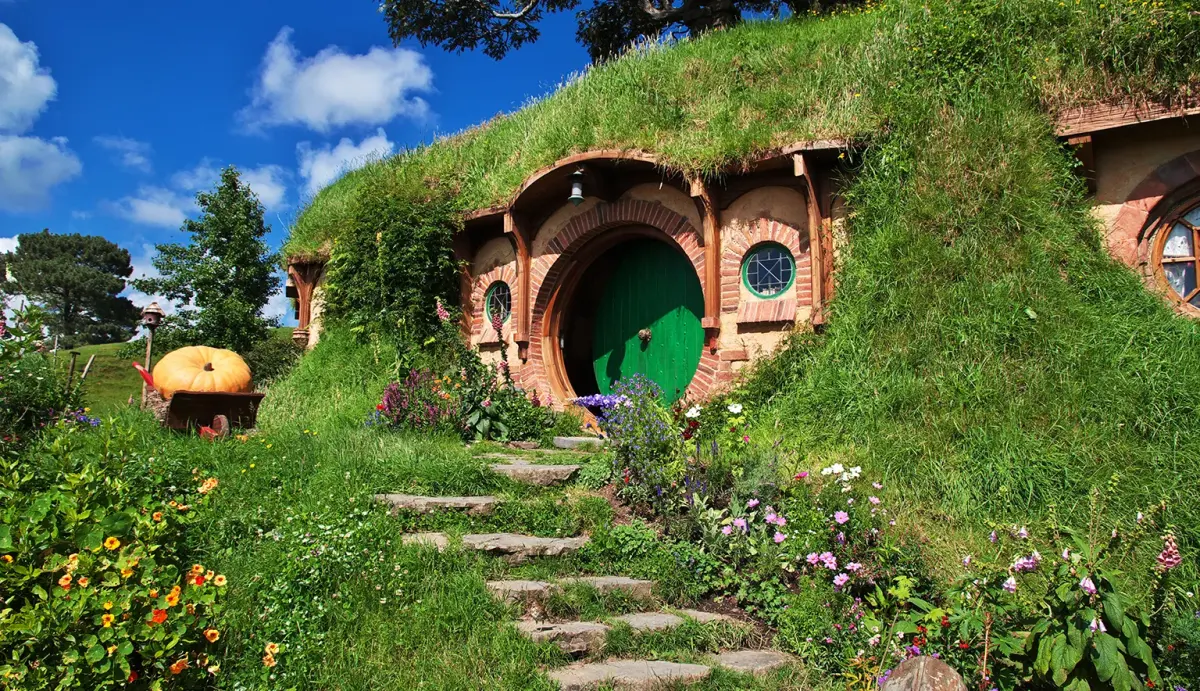
The country gained international fame as the primary filming location for Peter Jackson’s The Lord of the Rings and The Hobbit trilogies. The diverse landscapes allowed the production team to portray the fictional world of Middle-earth with minimal reliance on special effects. Today, film tourism is a significant industry, with the Hobbiton Movie Set in Matamata serving as one of the most visited attractions in the country.
Beyond fantasy epics, New Zealand has developed a robust infrastructure for high-end film production, including world-class post-production facilities like Wētā FX. The government offers various incentives to international productions, which has solidified the nation's reputation as a creative hub. Whether visiting the filming locations in the Southern Alps or touring the studios in Wellington, fans can see how the country's natural beauty was transformed into the backdrop for some of cinema's most iconic and enduring fantasy landscapes.
Key facts
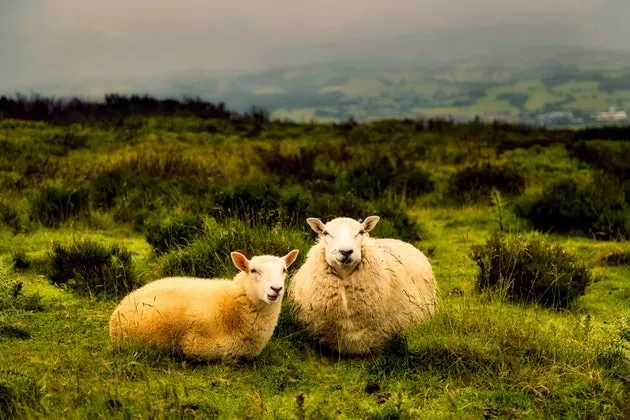
- New Zealand is home to approximately 25 million sheep, which significantly outnumber its human population of roughly 5.3 million.
- The national anthem, "God Defend New Zealand," is officially sung in both English and Māori, reflecting the country's bicultural heritage.
- Milford Sound, located in Fiordland National Park, receives an average of 6,813 millimeters of rainfall annually, making it one of the wettest places on Earth.
- When visiting, always check the Department of Conservation website for track closures, as weather conditions can change rapidly in alpine regions.
- New Zealand uses the New Zealand Dollar (NZD) and operates on a Goods and Services Tax (GST) system of 15%, which is already included in displayed prices.
- Avoid the common mistake of underestimating travel times; the country’s mountainous terrain means 100 kilometers often takes much longer to drive than on flat land.
The bottom line
New Zealand is globally renowned for its dramatic landscapes, ranging from the Southern Alps to pristine beaches, and its deep-rooted Māori culture. Whether you are exploring the geothermal wonders of Rotorua or the famous film locations of the Lord of the Rings trilogy, the country offers a unique blend of adventure and hospitality. Respecting local environmental guidelines and planning for travel times remains essential for any visitor.
People also ask
What is the best time of year to visit New Zealand?
The summer months of December through February offer the warmest weather for outdoor activities, though they are also the busiest. Visiting during the shoulder seasons of March to May or September to November often provides a better balance of mild weather and fewer crowds.
Is it safe to drink tap water in New Zealand?
Yes, tap water throughout the country is generally safe and of high quality. You do not need to carry bottled water, but it is recommended to use a reusable bottle to reduce environmental impact.
Do I need a visa to enter New Zealand?
Most international travelers require an NZeTA (New Zealand Electronic Travel Authority) before arrival. You should check the official immigration website well in advance to determine your specific visa requirements based on your citizenship.
What is the significance of the Haka?
The Haka is a traditional Māori ceremonial dance or challenge that conveys pride, strength, and unity. It is internationally recognized due to its performance by the All Blacks, the national rugby union team, before their matches.
Can I drive in New Zealand with a foreign license?
You can drive for up to 12 months using a valid overseas driver’s license or international driving permit. Remember that New Zealanders drive on the left side of the road, which is a critical adjustment for many international visitors.
What is the tipping culture in New Zealand?
Tipping is not expected or mandatory in New Zealand, even in restaurants or taxis. While exceptional service may be rewarded with a small tip, it is entirely at the customer's discretion and never required.
This answer was created with the help of AI research tools and reference sources. Spotted an error? Let us know — we correct mistakes quickly. See our editorial policy.