What is Indonesia known for?
Short answer
Indonesia is the world’s largest archipelagic nation, comprising over 17,000 islands across Southeast Asia. It is globally recognized for its immense cultural diversity, rich biodiversity, and volcanic landscapes. As the world’s fourth most populous country, it serves as a major hub for tropical agriculture, traditional arts, and unique maritime tourism experiences.
On this page
What are the most famous tourist destinations in Indonesia?
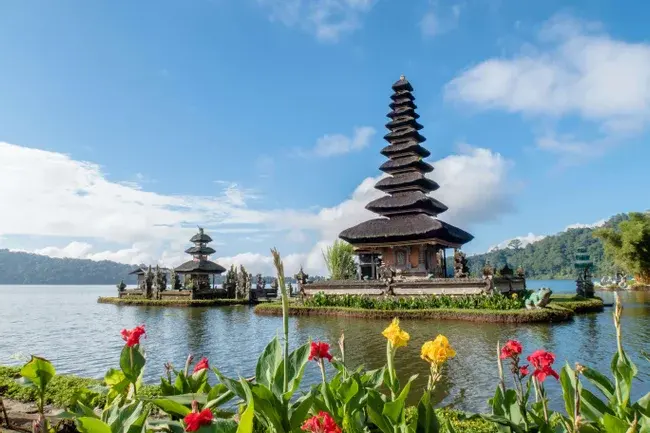
Indonesia offers a vast array of landscapes, ranging from volcanic peaks to pristine coral reefs. Bali remains the most iconic destination, known for its Hindu temples, terraced rice paddies, and vibrant surf culture. Beyond Bali, the country features several world-class attractions that draw millions of international visitors annually:
- Borobudur Temple: The world’s largest Buddhist monument, located in Central Java.
- Komodo National Park: Home to the famous Komodo dragon, the world’s largest lizard.
- Raja Ampat: An archipelago in West Papua renowned for having the highest marine biodiversity on Earth.
- Lake Toba: A massive volcanic crater lake in North Sumatra, which is the largest of its kind globally.
Travelers often focus exclusively on Bali, but exploring the diverse islands of the archipelago provides a more comprehensive view of Indonesian geography. Each island maintains a distinct identity, influenced by varying colonial histories, indigenous traditions, and religious practices. Whether you are seeking spiritual retreats or high-adventure trekking, the sheer scale of the country ensures that there is always a new region to discover.
How do I experience authentic Indonesian culture?
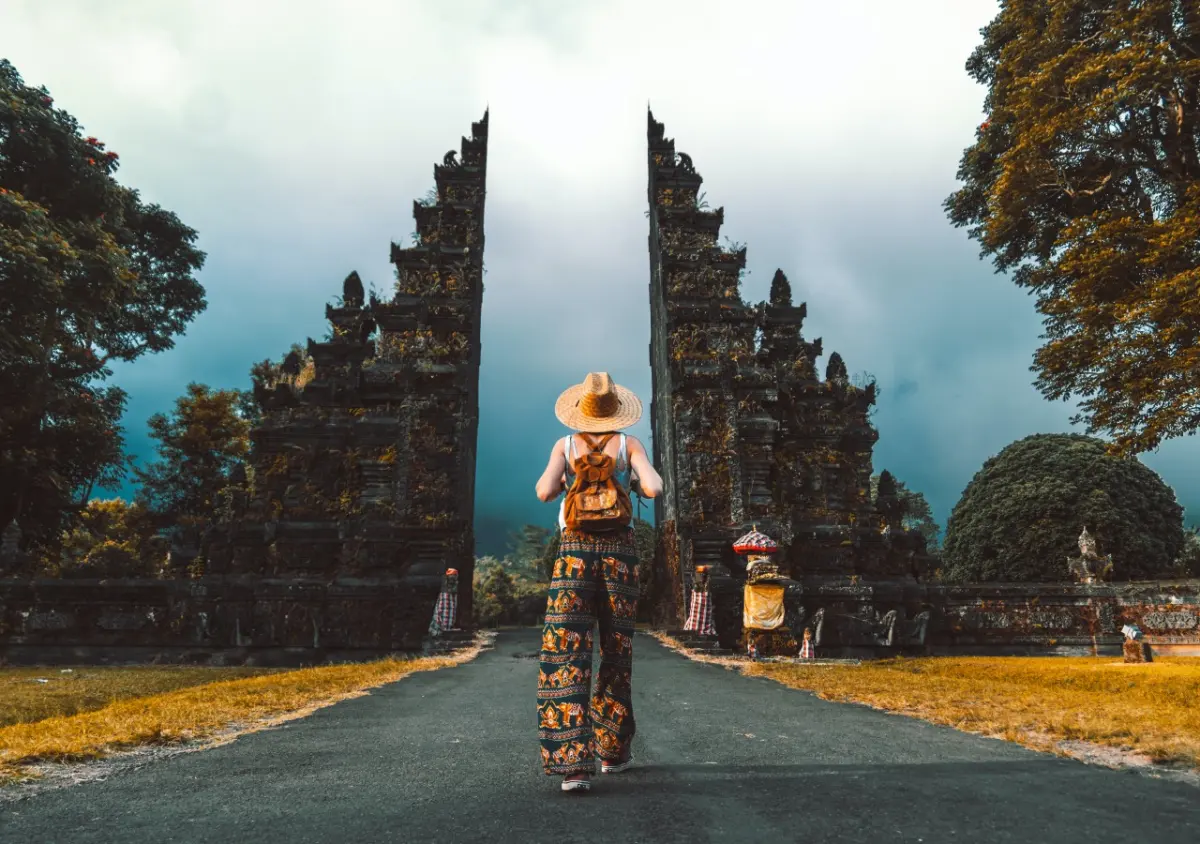
Indonesian culture is defined by the concept of "Bhinneka Tunggal Ika," or "Unity in Diversity." With over 300 ethnic groups and hundreds of languages, the country celebrates a tapestry of customs. To experience this authenticity, visitors should engage with local traditions rather than staying within resort bubbles. You can observe the intricate craftsmanship of batik textiles, listen to the rhythmic sounds of a gamelan orchestra, or watch a traditional wayang kulit shadow puppet performance.
- Visit local markets early in the morning to see traditional food preparation and trade.
- Participate in a community-led workshop to learn traditional dance or music.
- Attend local festivals, such as the Galungan in Bali or the Pasola in Sumba.
- Respect local etiquette by dressing modestly when visiting religious sites or rural villages.
A common mistake is assuming that all Indonesian culture is uniform. In reality, the animist traditions of the interior differ significantly from the Islamic influence in coastal cities or the Christian-majority regions of eastern Indonesia. Engaging with local guides is the most effective way to navigate these cultural nuances respectfully.
![30+ Famous Indonesia Landmarks: Don't Miss These [2025]](/img/a3/what-is-indonesia-known-for-2.webp)
What is the best way to travel between the islands?
Navigating an archipelago of 17,000 islands requires careful planning. Domestic air travel is the most efficient method for covering long distances, with major hubs in Jakarta, Surabaya, and Denpasar connecting to smaller regional airports. For shorter distances or more adventurous travel, sea transport is a vital lifeline. Ferries operate between major islands, though schedules can be unpredictable due to weather conditions or maintenance.
- Pelni ships: State-run passenger liners that cover long-distance routes across the archipelago.
- Fast boats: Often used for transfers between Bali, the Gili Islands, and Nusa Penida.
- Private charters: Necessary for reaching remote areas like the Wakatobi or Raja Ampat archipelagos.
When traveling by sea, always check the weather forecast, as tropical storms can disrupt maritime travel. Avoid booking tight connections between flights and ferries, as delays are common. It is also advisable to carry cash, as many remote islands lack reliable electronic payment infrastructure or functional ATMs.
Why is Indonesian cuisine so diverse?
Indonesian food is a complex blend of indigenous flavors, Chinese, Indian, and Middle Eastern influences, and the legacy of the spice trade. The nation is historically known as the "Spice Islands," and this heritage is evident in the heavy use of chili, turmeric, ginger, and lemongrass. Each region has its own signature dish, making the country a paradise for culinary enthusiasts.
- Nasi Goreng: A staple fried rice dish often served with a fried egg and pickles.
- Rendang: A slow-cooked, rich beef curry from West Sumatra, frequently cited as one of the world's most delicious foods.
- Satay: Skewered and grilled meat served with a savory peanut sauce.
- Gado-Gado: A traditional salad consisting of boiled vegetables and tempeh topped with peanut dressing.
A frequent mistake for newcomers is underestimating the heat level of local sambal, a chili-based condiment served with almost every meal. If you are sensitive to spice, ask for "tidak pedas" (no spice) when ordering. Exploring street food stalls, known as "warungs," is the best way to taste authentic recipes at an affordable price point while supporting local families.
Common mistakes when planning an Indonesian trip
Planning a trip to Indonesia requires acknowledging the country's massive size and logistical challenges. Many travelers make the mistake of trying to visit too many islands in a short period, leading to exhaustion and excessive time spent in transit. It is better to focus on one or two regions to truly appreciate the local culture and environment. Another frequent error is ignoring the monsoon season, which typically runs from November to March.
- Overestimating distance: The country spans a distance equivalent to the width of the United States, making travel time significantly longer than expected.
- Ignoring local customs: Failing to remove shoes before entering homes or using the left hand for eating or handing items can be considered rude.
- Underestimating health risks: Always drink bottled or filtered water and ensure you have appropriate vaccinations for the regions you intend to visit.
By prioritizing quality over quantity and respecting the local pace of life, you can ensure a rewarding experience. Always research the specific cultural norms of the island you are visiting, as these can vary greatly, and remain flexible when plans inevitably change due to the unpredictable nature of tropical travel.
Key facts
- Indonesia is the world’s largest archipelagic state, comprising over 17,000 islands, of which about 6,000 are inhabited.
- It is home to the world’s largest Muslim population, with over 230 million adherents representing approximately 87% of the nation.
- The Komodo dragon, the world’s largest lizard species, is endemic to a small group of islands in the Komodo National Park.
- When visiting temples like Borobudur, always wear a sarong or scarf to cover your knees and shoulders as a sign of respect.
- Avoid using your left hand to give or receive items, as it is traditionally considered unclean in Indonesian culture.
- The nation produces some of the world's most expensive coffee, known as kopi luwak, which is processed by Asian palm civets.
The bottom line
Indonesia is a vast, culturally diverse nation defined by its spectacular geography, ranging from volcanic peaks to pristine tropical beaches. It offers a unique blend of ancient traditions, such as the intricate temple architecture of Java and the vibrant arts of Bali, alongside a rapidly modernizing economy. For travelers, respecting local customs and prioritizing safety are essential steps to enjoying this remarkable Southeast Asian archipelago.
People also ask
What is the best time of year to visit Indonesia?
The dry season, which runs from May to September, is generally the best time for travel. During these months, the weather is sunny and ideal for exploring beaches and trekking volcanoes.
Is it safe to drink tap water in Indonesia?
You should never drink tap water in Indonesia, as it is not processed for human consumption. Always stick to bottled or filtered water to avoid severe stomach illnesses.
What is the official language of Indonesia?
The official language is Indonesian, or Bahasa Indonesia. While hundreds of local languages like Javanese and Balinese are spoken, Indonesian is the primary medium for government and education.
Do I need a visa to enter Indonesia?
Many nationalities can obtain a Visa on Arrival or an electronic visa for tourism purposes. Always verify your specific country's requirements with the official immigration website before booking your flights.
What are the most popular traditional dishes to try?
Nasi goreng (fried rice) and satay (grilled meat skewers) are the most iconic dishes. You should also try rendang, a slow-cooked spicy beef dish originating from the Minangkabau people.
How should I navigate between the islands?
Domestic flights are the most efficient way to travel between major islands like Java, Bali, and Sulawesi. Ferries are available for shorter distances, though they are often slower and less predictable.
This answer was created with the help of AI research tools and reference sources. Spotted an error? Let us know — we correct mistakes quickly. See our editorial policy.