What is Vancouver Island known for?
Short answer
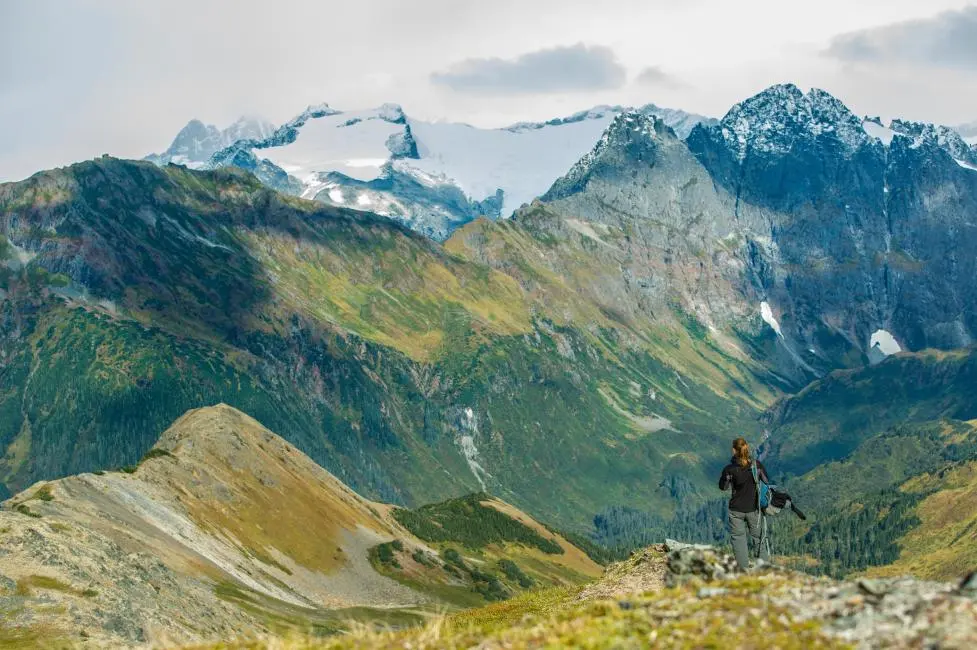
Vancouver Island is a sprawling Pacific destination known for its rugged temperate rainforests, world-class whale watching, and the historic charm of Victoria, British Columbia’s capital. Covering 31,285 square kilometers, it offers a unique blend of untamed wilderness, surf-ready coastlines, and a mild maritime climate that attracts outdoor enthusiasts year-round.
On this page
Why is Vancouver Island famous for whale watching?
The island’s strategic location along the migratory routes of several cetacean species makes it one of the premier whale-watching destinations globally. The nutrient-rich waters of the Salish Sea and the open Pacific Ocean provide an ideal habitat for orcas, humpback whales, gray whales, and minke whales. Visitors often flock to coastal hubs like Victoria, Tofino, and Telegraph Cove to catch a glimpse of these marine mammals in their natural environment.
Most tours operate between April and October, which coincides with the peak migration and feeding seasons. Expert guides provide educational insights into local marine biology, ensuring that encounters are conducted ethically and safely. When planning a trip, consider these factors for the best experience:
- Choose a vessel type that matches your comfort level, such as high-speed zodiacs for agility or larger cruisers for stability.
- Book tours in advance during the peak summer months of July and August to guarantee a spot.
- Dress in layers, as the marine air remains cool even on sunny days.
How do you travel to Vancouver Island?
Accessing the island requires either a ferry crossing or a flight, as no bridge connects it to the mainland. BC Ferries operates the primary routes from the Vancouver area, connecting Tsawwassen to Swartz Bay near Victoria, or Horseshoe Bay to Nanaimo. These crossings typically take between 90 minutes and two hours, offering scenic views of the Gulf Islands along the way.
For those traveling without a vehicle, floatplanes and regional airlines offer quick connections from downtown Vancouver or Seattle directly to Victoria’s Inner Harbour or Nanaimo. If you choose to bring a car, follow these guidelines to avoid common travel headaches:
- Make a vehicle reservation well ahead of time, especially for weekends and major holidays.
- Arrive at the ferry terminal at least 45 to 60 minutes before your scheduled departure.
- Check the BC Ferries website for real-time traffic updates and potential sailing delays.
- Avoid traveling during peak commuter hours on Friday afternoons or Sunday evenings to minimize wait times.
What are the best outdoor activities for beginners?
The island’s diverse geography allows for accessible outdoor adventures regardless of your skill level. Beginners can enjoy well-maintained trails in provincial parks like Goldstream or Rathtrap Beach, which offer lush forest canopy views without requiring strenuous climbs. Kayaking in the calm, protected waters of the Broken Group Islands or the inner harbors provides a gentle introduction to coastal exploration.
Surfing is another iconic activity, particularly around Tofino, where the long, sandy beaches create consistent, manageable waves. Local surf schools offer comprehensive lessons that cover safety protocols and board handling, making it easy for novices to stand up on their first day. When exploring the outdoors, remember these tips:
- Always check the weather forecast, as conditions can change rapidly on the west coast.
- Stick to marked trails to protect the delicate ecosystem and prevent getting lost.
- Pack out all trash to keep the wilderness pristine for future visitors.
Why is Victoria, BC considered a top travel destination?
As the capital of British Columbia, Victoria is renowned for its well-preserved 19th-century architecture and lush public gardens. The city’s Inner Harbour serves as a vibrant focal point, featuring the historic Fairmont Empress Hotel and the Parliament Buildings. Visitors often describe the city as having a distinct British flair, characterized by afternoon tea services, double-decker buses, and manicured floral displays.
The Butchart Gardens, located just a short drive from the city center, remains one of the most visited attractions on the island. This National Historic Site features 55 acres of floral displays that bloom throughout the seasons, drawing millions of visitors annually. To make the most of a city visit, prioritize these experiences:
- Walk the Inner Harbour causeway to enjoy street performers and harbor views.
- Explore the Royal BC Museum to learn about the region’s indigenous history and natural heritage.
- Visit during the spring to see the city’s famous cherry blossoms in full bloom.
Common mistakes when visiting Vancouver Island
Many travelers underestimate the sheer size of the island, which spans over 450 kilometers from north to south. A common error is attempting to see the entire island in a single weekend, which leads to excessive time spent driving on winding mountain roads. Instead, focus your itinerary on specific regions, such as the southern tip for culture, or the west coast for surfing and rainforest hiking.
Another frequent oversight involves failing to prepare for the "wet coast" climate. Even in summer, rain showers can occur without warning, and temperatures fluctuate significantly between the coast and the inland mountains. Avoid these pitfalls by packing high-quality waterproof gear and flexible clothing layers. Additionally, always carry a physical map or download offline navigation, as cellular service is notoriously unreliable in remote areas like the northern interior or along the rugged Pacific Rim Highway.
Key facts
- Vancouver Island spans approximately 31,285 square kilometers, making it the largest island on the west coast of the Americas.
- The Pacific Rim National Park Reserve is world-renowned for the West Coast Trail, a challenging 75-kilometer hiking route along rugged coastline.
- Tofino serves as Canada’s premier surfing destination, offering consistent swells and temperate waters year-round.
- Victoria, the provincial capital located on the island's southern tip, is famous for its British colonial architecture and the iconic Butchart Gardens.
- The island is a primary site for whale watching, with peak seasons for orcas, humpbacks, and gray whales running from May through October.
- When visiting, avoid relying solely on public transit outside of major hubs like Victoria and Nanaimo, as many remote coastal attractions require a rental car.
The bottom line
Vancouver Island offers a unique blend of rugged wilderness and refined urban charm. Whether you are exploring the ancient rainforests of the Pacific Rim, surfing the Pacific swells in Tofino, or enjoying the historic gardens of Victoria, the island provides a diverse range of experiences. By planning for the island's distinct climate and geography, visitors can fully appreciate this massive, ecologically rich destination on Canada’s western frontier.
People also ask
Is Vancouver Island part of the city of Vancouver?
No, Vancouver Island is a separate landmass located across the Strait of Georgia from the city of Vancouver. The city of Vancouver is located on the mainland of British Columbia, not on the island.
What is the best way to travel to Vancouver Island?
Most travelers arrive via BC Ferries from the mainland or by taking a floatplane directly into Victoria’s Inner Harbour. Driving onto a ferry is the most common method for those bringing their own vehicles.
Is it safe to go hiking in the wilderness on the island?
Hiking is safe provided you are prepared for unpredictable weather and wildlife, including black bears and cougars. Always carry bear spray, tell someone your itinerary, and stay on marked trails.
What is the weather like on Vancouver Island?
The island features a temperate rainforest climate, meaning it experiences mild winters and cool, dry summers. The west coast receives significantly more rainfall than the eastern side due to the rain shadow effect.
Can you see the Northern Lights from the island?
While rare, the Aurora Borealis can occasionally be seen from the northern parts of the island during periods of high solar activity. It is not a reliable destination for viewing them compared to higher latitudes.
What is the most famous landmark on the island?
The Butchart Gardens in Brentwood Bay is widely considered the most famous landmark, attracting nearly one million visitors annually. It is a National Historic Site of Canada known for its extensive floral displays.
This answer was created with the help of AI research tools and reference sources. Spotted an error? Let us know — we correct mistakes quickly. See our editorial policy.