What is Kamloops famous for?
Short answer
Kamloops is famous as the "Tournament Capital of Canada," hosting over 100 sporting events annually. Situated at the confluence of the North and South Thompson Rivers in British Columbia, it is a hub for outdoor recreation, including mountain biking, hiking, and golf, while serving as a vital transportation crossroads for the province.
On this page
Why is Kamloops called the Tournament Capital of Canada?
Kamloops earned this moniker due to its extensive investment in high-quality athletic infrastructure. The city manages over 100 sporting events every year, ranging from local youth tournaments to international championships. The centerpiece of this reputation is the Tournament Capital Centre, a massive facility featuring an indoor track, field house, and aquatic centre that can accommodate thousands of athletes simultaneously.
This designation is not merely a marketing slogan but a pillar of the local economy. By providing professional-grade fields, arenas, and support services, the city attracts visitors who stay in local hotels and dine at area restaurants. Whether it is soccer, baseball, or swimming, the city’s ability to host large-scale competitions consistently sets a standard for mid-sized municipalities across North America.
Best outdoor activities in Kamloops for beginners
The rugged landscape surrounding Kamloops offers accessible terrain for those new to outdoor sports. Because the city sits in a semi-arid climate, the trails are often dry and clear of mud earlier in the spring than coastal regions. Visitors can enjoy a variety of activities that require minimal technical skill but offer significant rewards in terms of scenery and physical health.
- Riverside Park: A flat, paved path perfect for walking or easy cycling along the Thompson River.
- Kenna Cartwright Nature Park: Offers over 40 kilometers of trails with varying difficulty, including gentle loops with panoramic views.
- Golfing: With over a dozen courses, including the beginner-friendly Pineridge Golf Course, the area is a premier destination for players of all levels.
- Fishing: Local lakes like Edith Lake are stocked with trout and provide calm waters for novice anglers to practice their casting.
How to plan a mountain biking trip to Kamloops
Kamloops is globally recognized as a birthplace of freeride mountain biking. The region’s unique "dirt" is composed of volcanic ash and silt, which provides exceptional grip and durability for trail building. If you are planning a trip, you should focus on the primary riding zones like the Bike Ranch, which offers a variety of jump lines and technical features designed for progression.
When organizing your excursion, consider these essential tips to ensure a successful experience:
- Rent a bike from a local shop if you are flying in, as they specialize in high-performance mountain gear.
- Check the trail conditions on local apps before heading out, especially during the hot summer months.
- Stay hydrated, as the semi-arid climate can lead to rapid dehydration even on shorter rides.
- Hire a local guide for your first day to help you navigate the complex network of trails and identify the best routes for your skill level.
Common mistakes when visiting Kamloops
Many travelers underestimate the extreme temperature fluctuations in the interior of British Columbia. During the summer, temperatures frequently exceed 35 degrees Celsius (95 degrees Fahrenheit), while winter months can drop well below freezing. A common mistake is failing to pack versatile clothing layers, which are necessary to handle the rapid shift from sunny days to cool desert nights.
Another frequent error is ignoring the regional geography when planning travel times. While the city is a major transportation hub, it is surrounded by vast, remote wilderness. Visitors often underestimate the time required to drive to nearby attractions like Wells Gray Provincial Park or the Shuswap region. Always check road conditions on the DriveBC website before departing, especially during the winter season when mountain passes can experience sudden, heavy snowfall that results in closures or mandatory chain requirements.
What makes the Kamloops climate unique?
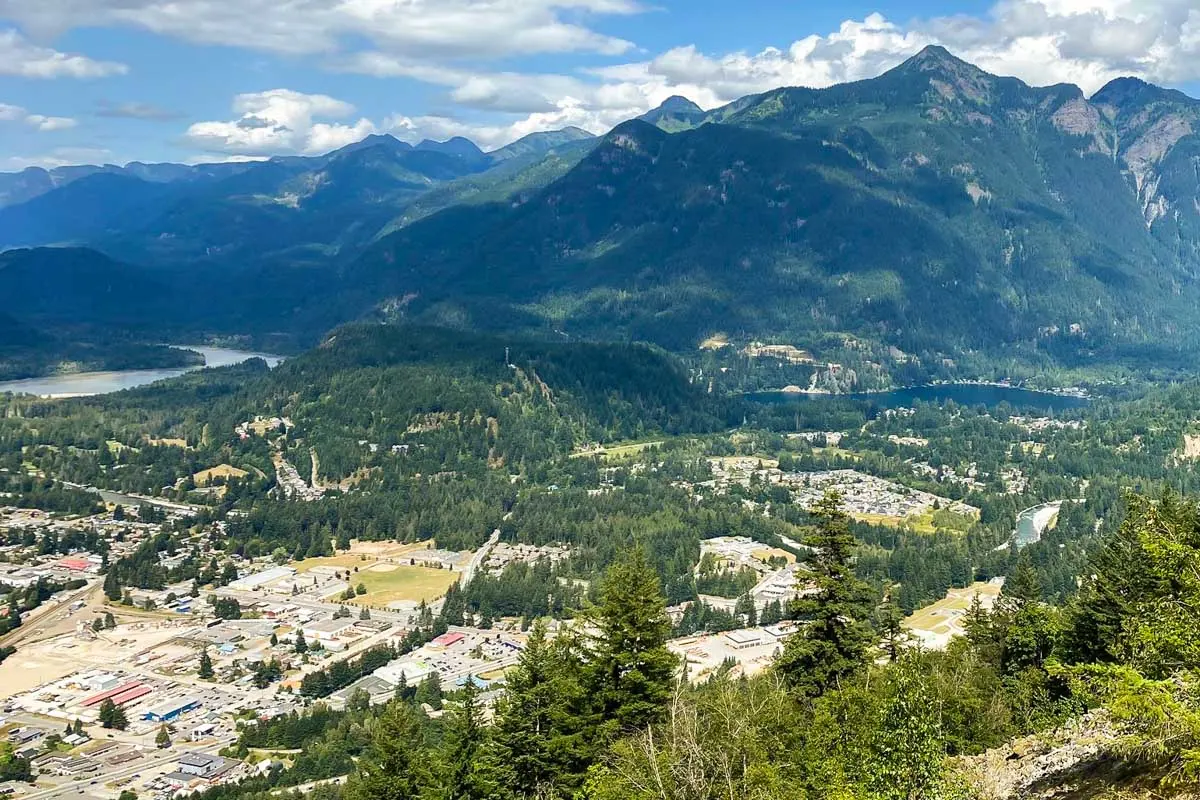
The climate in Kamloops is classified as semi-arid, which is quite distinct from the temperate rainforests found on the British Columbia coast. Because the city is located in the rain shadow of the Coast Mountains, it receives significantly less precipitation than Vancouver or Whistler. This results in a landscape dominated by grasslands, sagebrush, and ponderosa pine forests rather than dense, wet foliage.
This dry environment is the primary driver of the local tourism industry. It allows for an extended outdoor season that begins in early March and often stretches into November. While the lack of rain is a benefit for hikers and bikers, it also means that the region is prone to wildfires during the peak of summer. Visitors should always respect local fire bans and stay informed about air quality reports during the warmest months of the year. Understanding this delicate ecosystem is key to appreciating the natural beauty that defines the region’s character and its ongoing appeal to year-round outdoor enthusiasts.
Key facts
- Kamloops sits at the confluence of the North and South Thompson Rivers, serving as a major transportation hub in British Columbia’s interior.
- The city is widely recognized as the "Tournament Capital of Canada," hosting over 100 regional, provincial, and national sporting events annually.
- Sun Peaks Resort, located 45 minutes north of the city, is the second-largest ski area in Canada by skiable terrain.
- The area is a premier destination for mountain biking, featuring over 300 kilometers of diverse trails within the Kamloops Bike Ranch and surrounding hills.
- Visitors should avoid visiting during the peak of summer if they are sensitive to heat, as the semi-arid climate frequently pushes temperatures above 35°C (95°F).
- When hiking or biking, always carry bear spray and practice proper wildlife safety, as the region is home to significant black bear and cougar populations.
The bottom line
Kamloops serves as a dynamic hub for outdoor enthusiasts and sports fans alike. By leveraging its unique semi-arid landscape and central river location, the city has cemented its reputation as a premier destination for mountain biking, skiing, and competitive athletics. Whether you are seeking high-intensity adventure or a deeper understanding of Indigenous history, Kamloops provides a versatile and accessible experience in the heart of British Columbia.
People also ask
What is the best time of year to visit Kamloops?
The best time to visit is during the shoulder seasons of late spring or early autumn for mild weather. Summers are excellent for water sports on the rivers, while winter is ideal for skiing at nearby resorts.
Is Kamloops considered a desert?
Kamloops is classified as a semi-arid climate, often referred to as a high-elevation desert. It receives relatively low annual precipitation compared to the coastal regions of British Columbia.
What are the most popular outdoor activities in the city?
Mountain biking, hiking, and golfing are the primary outdoor pursuits. The city also offers extensive river access for kayaking, paddleboarding, and fishing throughout the summer months.
How do I get to Kamloops from Vancouver?
You can reach Kamloops by driving approximately 3.5 to 4 hours via the Coquihalla Highway (BC-5). Alternatively, daily commercial flights are available from Vancouver International Airport to Kamloops Airport.
Are there any unique cultural sites to explore?
The Secwépemc Museum and Heritage Park offers deep insights into the history and culture of the Secwépemc people. It features traditional winter pithouses and exhibits detailing thousands of years of local Indigenous history.
What common mistakes do tourists make when visiting?
A common mistake is underestimating the intensity of the sun and the dryness of the air. Visitors should prioritize hydration and sun protection, even when participating in cooler-weather activities like mountain biking.
This answer was created with the help of AI research tools and reference sources. Spotted an error? Let us know — we correct mistakes quickly. See our editorial policy.