What is the difference between a tornado and a hurricane?
Short answer
Tornadoes and hurricanes are both powerful rotating storm systems, but they differ significantly in scale, duration, and origin. Tornadoes are small, intense columns of air extending from thunderstorms over land, lasting minutes. Hurricanes are massive, long-lived tropical cyclone systems that form over warm ocean waters and can persist for several weeks.
On this page
How do tornadoes and hurricanes form?
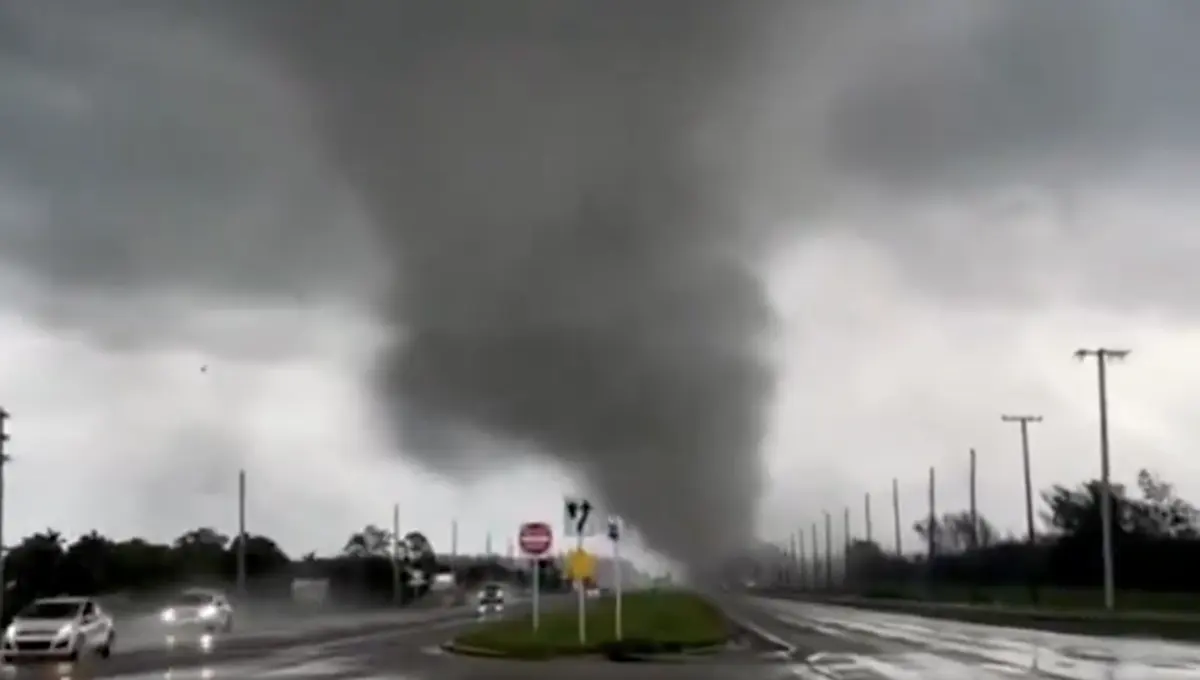
A tornado typically develops from a severe thunderstorm, often a supercell, where wind shear creates a horizontal rotating column of air. This column is tilted into a vertical position by the storm's updraft, eventually narrowing and accelerating as it touches the ground. These storms are localized, usually spanning less than a mile in width, and rely on the instability of the atmosphere over land.
Hurricanes, known scientifically as tropical cyclones, require very different conditions to thrive. They form over warm tropical oceans where water temperatures are at least 80°F (26.5°C). The warm, moist air rises rapidly, creating low pressure at the surface and drawing in more air, which begins to rotate due to the Earth's Coriolis effect. Unlike tornadoes, hurricanes are massive heat engines that can span hundreds of miles, fueled by the continuous evaporation and condensation of ocean water.
What is the difference in size and duration?
The scale of these weather events is vastly different. A typical tornado is relatively small, often measuring only a few hundred yards across, though extreme cases can reach up to two miles in width. Because they are tied to specific thunderstorm cells, they usually dissipate within minutes or, in rare instances, a few hours.
In contrast, hurricanes are gargantuan systems that can stretch 300 to 500 miles across. They are long-lived phenomena that can travel thousands of miles across open water before making landfall. A hurricane can persist for over two weeks, moving slowly across the globe. While a tornado is a fleeting, violent event, a hurricane is a prolonged weather system that impacts entire regions for days at a time.
How to stay safe during a storm
Safety protocols differ based on the type of storm. Because tornadoes strike with little warning, speed and preparation are vital. Hurricanes provide more lead time, allowing for organized evacuations and structural preparations.
- For a tornado: Seek shelter in a basement or an interior room on the lowest floor. Avoid windows and cover your head with a mattress or heavy blankets.
- For a hurricane: If you are in an evacuation zone, leave immediately when ordered. If staying, secure all outdoor furniture, board up windows, and ensure you have enough supplies for at least 72 hours.
- Stay informed via a NOAA Weather Radio.
- Do not attempt to drive through flooded roads.
- Keep a "go-bag" ready with essential documents and medications.
Common mistakes when preparing for storms
One of the most dangerous mistakes people make during a tornado is attempting to outrun it in a vehicle. Tornadoes can change direction unpredictably and move faster than a car in heavy traffic. If you are caught on the road, it is safer to find a sturdy building or, as a last resort, lie flat in a low-lying ditch while covering your head.
During a hurricane, a common error is underestimating the danger of the storm surge. Many people focus solely on wind speeds, but water is the deadliest component of a hurricane. Failing to evacuate when instructed because the wind does not seem strong enough is a fatal oversight. Additionally, people often forget to clear their yards of loose objects; in high winds, these items become dangerous projectiles that can shatter windows and damage homes.
Why do we track them differently?
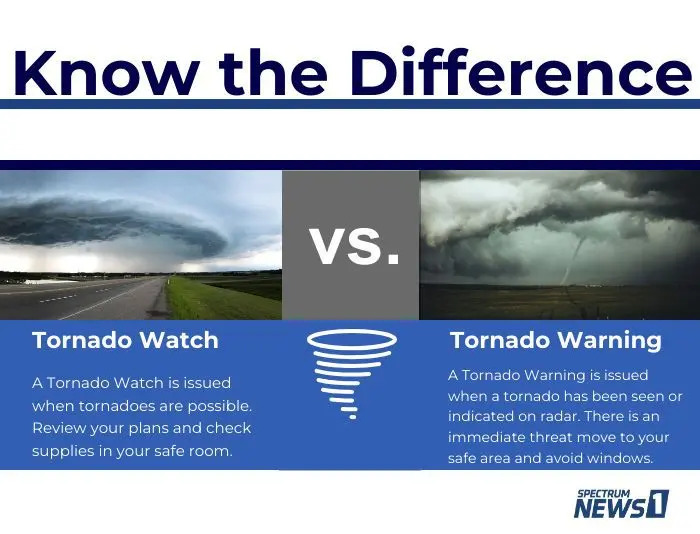
Meteorologists use distinct tools to monitor these storms because of their different life cycles. Tornadoes are detected primarily using Doppler radar, which identifies the "hook echo" or velocity signatures of rotation within a thunderstorm. Because they form so quickly, the National Weather Service issues warnings only minutes before a touchdown, emphasizing the need for rapid response.
Hurricane tracking involves a global network of satellites, reconnaissance aircraft, and ocean buoys. Because hurricanes develop over days, scientists can model their paths with increasing accuracy, providing multi-day forecasts that allow for regional preparedness. While we can predict the general path of a hurricane, the specific intensity of a tornado remains one of the most difficult challenges in modern meteorology. Understanding these differences allows citizens to interpret weather alerts accurately and respond with the appropriate level of urgency required for their specific situation.
Key facts
- Hurricanes are massive storm systems that form over warm ocean waters and can span hundreds of miles in diameter.
- Tornadoes are violently rotating columns of air that descend from thunderstorms and typically affect a path only a few hundred yards wide.
- A hurricane can last for several days or even weeks, while the average tornado dissipates in less than an hour.
- Hurricanes are measured by wind speed using the Saffir-Simpson scale, whereas tornadoes are rated by the Enhanced Fujita (EF) scale based on damage.
- You should never attempt to outrun a tornado in a vehicle; instead, move to the lowest, most interior room of a sturdy building.
- During a hurricane, the primary danger is often inland flooding from storm surge and heavy rainfall rather than just wind damage.
The bottom line
While both hurricanes and tornadoes involve powerful, rotating winds, they differ fundamentally in scale, duration, and origin. Hurricanes are vast, long-lasting maritime systems that bring widespread flooding, while tornadoes are localized, intense vortices born from severe thunderstorms. Understanding these distinctions is vital for safety; hurricanes require long-term evacuation planning, whereas tornadoes demand immediate, split-second reactions to reach shelter and protect yourself from life-threatening debris.
People also ask
Can a hurricane spawn a tornado?
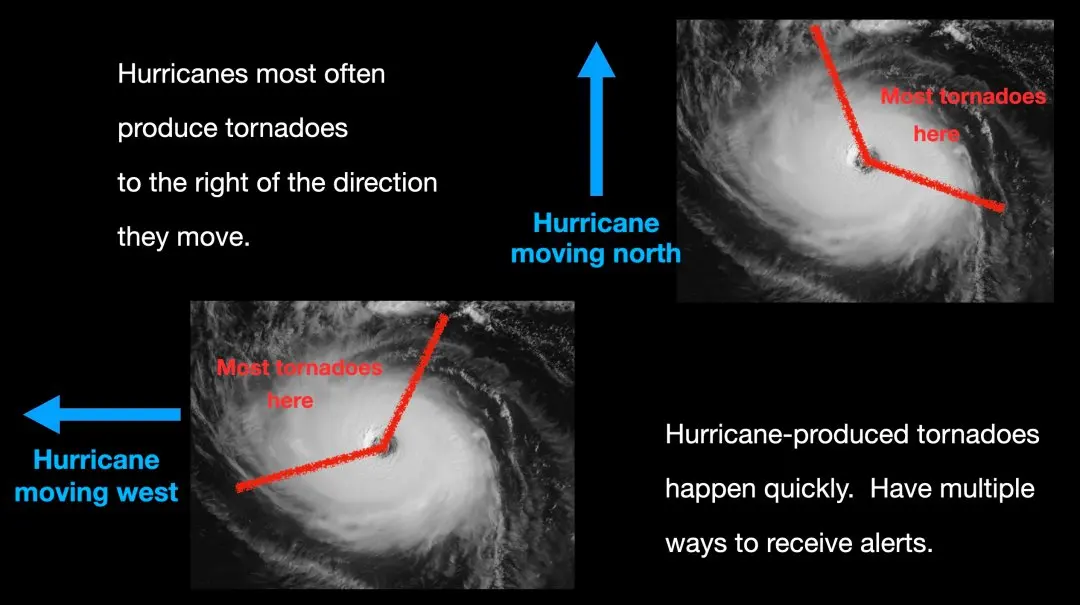
Yes, hurricanes frequently produce tornadoes, especially in the outer rainbands as the storm makes landfall. These tornadoes are often smaller and shorter-lived than those generated by supercell thunderstorms.
How much warning time is provided for each storm?
Meteorologists can track hurricanes for days, providing ample time for evacuation and preparation. Tornadoes develop rapidly, often providing only minutes of warning, which makes immediate action essential when a siren sounds.
Is it safer to be in a car during a tornado or a hurricane?
Neither is safe, but the risks differ. You should never be in a car during a tornado due to the risk of being lifted or crushed; during a hurricane, cars are dangerous due to flooding and flying debris.
Do tornadoes and hurricanes occur in the same regions?
Both can strike the United States, particularly the Gulf and Atlantic coasts. While hurricanes are restricted to coastal areas, tornadoes can occur anywhere, including the Great Plains and the Midwest.
What is the eye of the storm?
The eye is the calm, low-pressure center of a hurricane, often spanning 20 to 40 miles. Tornadoes do not have an "eye" in the same sense, though they have a center of intense low pressure.
How do I prepare for these storms?
For hurricanes, stock up on non-perishable food and water for several days and secure your home. For tornadoes, identify a windowless basement or interior room and keep a weather radio nearby.
This answer was created with the help of AI research tools and reference sources. Spotted an error? Let us know — we correct mistakes quickly. See our editorial policy.