How hot is lightning?
Short answer
Lightning is incredibly hot, reaching temperatures of approximately 50,000 degrees Fahrenheit (27,760 degrees Celsius). This is roughly five times hotter than the surface of the sun. The intense heat is generated by the rapid electrical discharge through the atmosphere, which causes the surrounding air to expand explosively, creating the sound of thunder.

On this page
How hot is a lightning bolt?
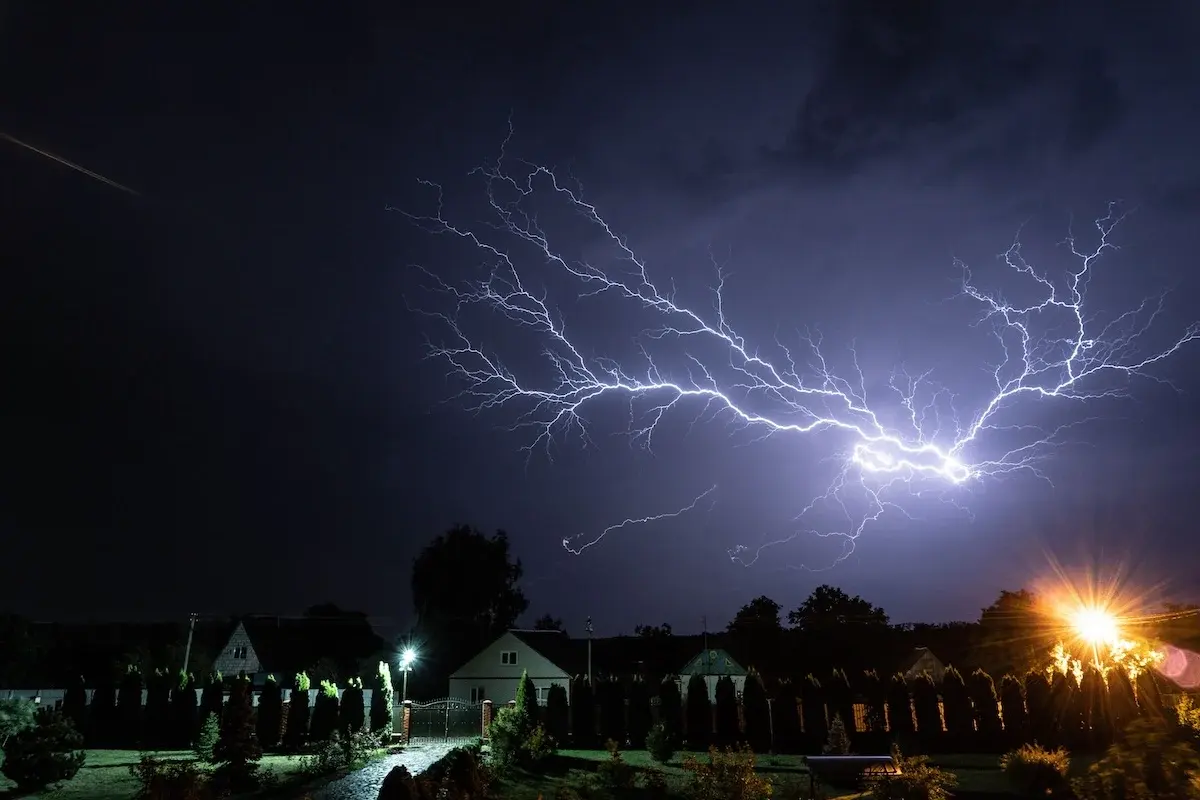
A typical lightning bolt is significantly hotter than most people realize. While the surface of the sun burns at about 10,000 degrees Fahrenheit, a strike of lightning can reach peak temperatures of 50,000 degrees Fahrenheit. This extreme thermal energy is concentrated within a narrow channel of plasma, which is only about an inch or two in diameter. Because the discharge happens in a fraction of a second, the heat is localized, but it is sufficient to vaporize moisture and ignite flammable materials instantly.
The heat intensity varies depending on the type of lightning and the current strength. Most lightning occurs within clouds, but cloud-to-ground strikes are the ones that pose the greatest threat to structures and organisms. When this massive electrical current travels through the air, it creates a shockwave of thermal expansion. This process is so violent that it causes the air to expand faster than the speed of sound, resulting in the characteristic crack and rumble of thunder.
Why does lightning get so hot?
Lightning is essentially a massive spark caused by the buildup of static electricity in the atmosphere. When the difference in electrical potential between a cloud and the ground becomes too great, the air—normally an insulator—breaks down. This breakdown allows a conductive path of ionized gas, known as a leader, to form. Once the circuit is completed, a massive surge of electrons flows through this channel, creating an intense electrical current.
The extreme heat is a direct result of this electrical resistance. As the current forces its way through the air molecules, it collides with them at incredible speeds. These collisions strip electrons from atoms, turning the air into a superheated plasma. The energy released during this transition is converted almost entirely into heat and light. To put this into perspective, the energy contained in a single bolt could power a small house for several days, yet it is released in just a few microseconds.
How to stay safe during a lightning storm
Safety during a thunderstorm requires immediate action because there is no safe place outside when lightning is in the area. If you hear thunder, you are already close enough to be struck. The most effective way to protect yourself is to move indoors and avoid contact with conductive materials. Follow these guidelines to minimize your risk:
- Seek shelter in a substantial building with plumbing and electrical wiring, which help ground the strike.
- Avoid using corded phones, computers, or other electrical equipment that could conduct a surge.
- Stay away from windows, doors, and porches, as lightning can travel through these openings.
- If caught outside, avoid tall objects like trees or poles, and do not lie flat on the ground.
If you are caught in an open area, move to a lower elevation, but do not seek shelter under a solitary tree. If you are in a group, spread out to reduce the risk of multiple people being hit by a single strike. Avoid bodies of water, as water is an excellent conductor of electricity and can carry a charge over a significant distance.

Common mistakes when seeking shelter
Many people hold onto outdated myths that actually increase their danger during a storm. One common mistake is believing that rubber tires on a car provide insulation against lightning. In reality, it is the metal frame of the vehicle that protects occupants by directing the current around the exterior and into the ground. If you are in a car, keep your windows closed and avoid touching any metal parts of the interior.
Another dangerous error is the belief that crouching down makes you safe. While it minimizes your height, it does not prevent a strike from occurring nearby, and the ground current can still travel through your body. Additionally, people often wait too long to seek shelter, thinking they can outrun the storm. Because lightning can strike from miles away from the center of a storm, you should head indoors at the first sound of thunder. Never wait for rain to start, as lightning often precedes precipitation.
What happens to objects hit by lightning?
When lightning strikes an object, the rapid heating of air and moisture causes catastrophic damage. If the strike hits a tree, the sap inside the wood instantly turns to steam. This rapid expansion creates immense pressure that can cause the tree to explode or lose large strips of bark. Similarly, when lightning hits sand or soil, the heat can fuse the particles together, creating hollow, glass-like tubes known as fulgurites.
Structures are also vulnerable to this thermal energy. If a bolt hits a building, it often seeks the path of least resistance through metal pipes or wiring. This can cause fires behind walls or damage sensitive electronic devices. To protect homes, lightning rods are installed to provide a safe, conductive path for the electricity to reach the ground without damaging the building’s structure. By understanding the immense heat and power of lightning, you can better appreciate the importance of lightning protection systems and the necessity of taking shelter whenever a storm approaches.
Key facts
- Lightning reaches temperatures of approximately 50,000 degrees Fahrenheit (27,760 degrees Celsius).
- This temperature is roughly five times hotter than the surface of the sun.
- The extreme heat causes the surrounding air to expand explosively, creating the sound wave we hear as thunder.
- If you are caught outdoors during a storm, avoid open fields, tall trees, and metal structures to reduce your risk of being struck.
- Seek shelter inside a substantial building or a fully enclosed metal vehicle immediately if you hear thunder.
- Do not lie flat on the ground during a lightning storm, as this increases your contact area with the earth and potential ground currents.
The bottom line
Lightning is an incredibly powerful atmospheric phenomenon, reaching temperatures five times hotter than the sun’s surface. This intense heat triggers the explosive expansion of air that creates thunder. Because lightning is unpredictable and lethal, safety is paramount. Always seek shelter in a sturdy building or metal vehicle when a storm approaches, and avoid open areas or tall objects to minimize your risk of being struck.
People also ask
Does lightning always strike the tallest object in the area?
Lightning tends to strike the tallest object, but it is not a guarantee. It can strike anywhere, including flat ground, depending on the distribution of electric charges between the cloud and the earth.
Can lightning strike the same place twice?
Yes, lightning frequently strikes the same location multiple times, especially tall, isolated structures like skyscrapers. The Empire State Building, for example, is struck by lightning dozens of times each year.
What is the difference between heat lightning and regular lightning?
"Heat lightning" is simply regular lightning occurring so far away that the thunder cannot be heard. There is no special type of lightning associated with hot weather or specific atmospheric heat.
How long does a lightning strike last?
A typical lightning strike is extremely brief, lasting only about 30 microseconds on average. Despite this short duration, the massive electrical discharge is enough to cause severe damage or injury.
Are rubber tires what protect people inside cars from lightning?
No, the metal frame of the car provides protection by conducting the electricity around the exterior of the vehicle and into the ground. Rubber tires have nothing to do with the safety provided by a car.
Can you be injured by lightning without being directly struck?
Yes, you can be injured by side flashes, ground currents, or conduction through wires and plumbing. These indirect strikes account for many lightning-related injuries and fatalities during storms.
This answer was created with the help of AI research tools and reference sources. Spotted an error? Let us know — we correct mistakes quickly. See our editorial policy.