How is potato chips made?
Short answer
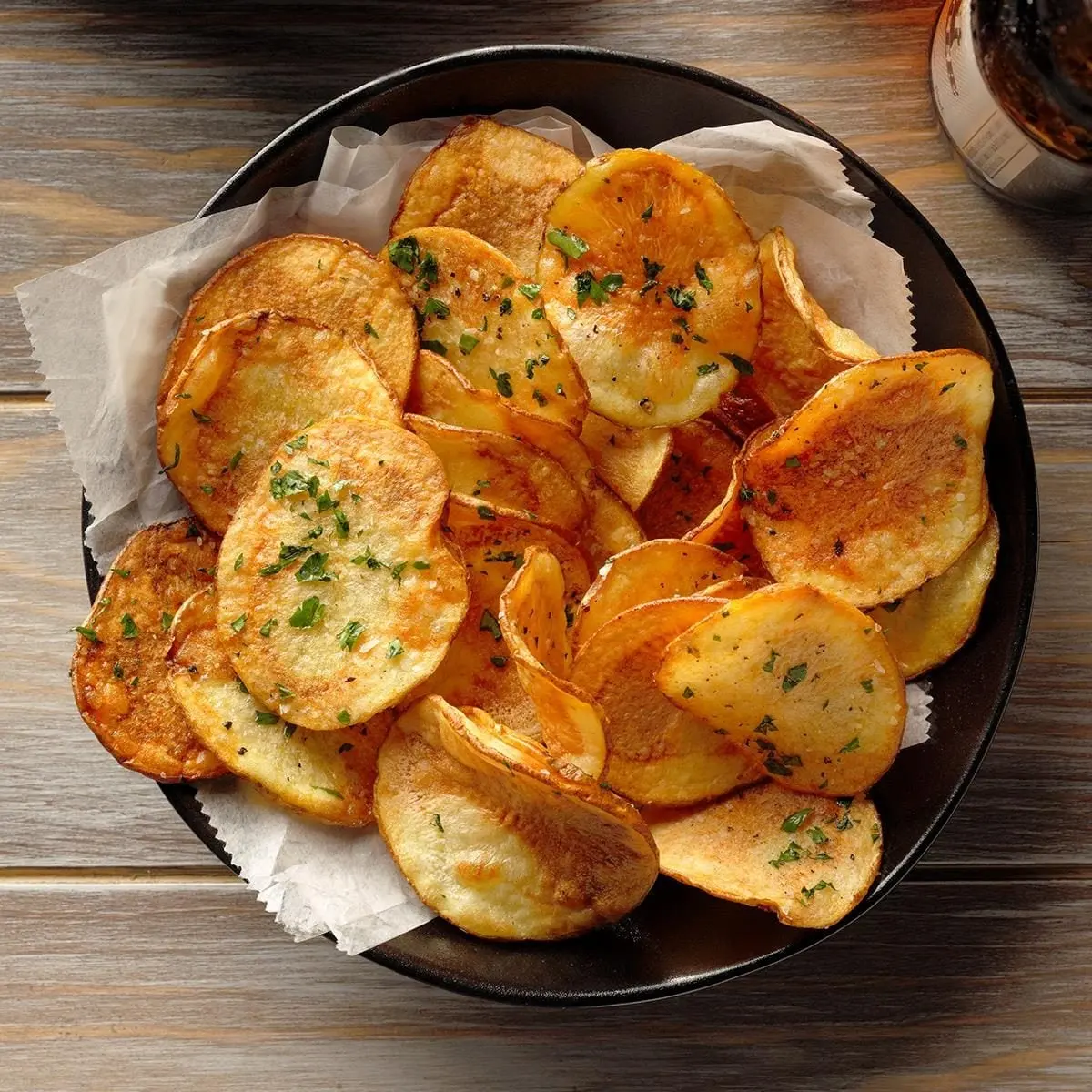
Potato chips are produced by slicing raw potatoes into thin rounds, washing away excess starch, and frying them in hot vegetable oil until crisp. After frying, the chips are seasoned, inspected for quality, and packaged in airtight bags, often flushed with nitrogen to maintain freshness and prevent the delicate snacks from breaking.
On this page
How are potato chips made in factories?
The industrial production of potato chips begins with the selection of specific potato varieties, typically those with high starch and low sugar content, such as the Atlantic or Snowden. Once delivered to the factory, the potatoes are washed and peeled using abrasive rotating drums. A high-speed slicer then cuts the potatoes into precise, thin slices, usually between 0.04 and 0.07 inches thick.
These slices pass through a water flume to remove surface starch, which prevents them from sticking together during the cooking process. After a brief drying phase, the slices enter a continuous fryer filled with vegetable oil heated to approximately 350°F (177°C). The cooking time is brief, usually lasting only three minutes. As the water inside the potato evaporates, the chip becomes rigid and golden. Finally, the chips are seasoned in a rotating drum and moved along a conveyor belt for inspection and packaging.
What is the best potato variety for chips?
Selecting the right potato is critical because the chemical composition dictates the final color and texture. Potatoes with high sugar content tend to caramelize too quickly in hot oil, resulting in dark, bitter, or burnt-looking chips. Conversely, varieties with higher starch content absorb less oil and yield a superior, crunchy texture that consumers prefer.
- Atlantic: The industry standard due to its round shape and consistent starch levels.
- Snowden: Highly valued for its light color and excellent frying performance.
- Russet: Occasionally used for thicker, kettle-style chips due to their high solids content.
- Yukon Gold: Sometimes used for premium, artisanal chips, though they require careful temperature control.
Commercial growers often store these potatoes in climate-controlled facilities at temperatures above 50°F (10°C). If stored in colder conditions, the starch converts into simple sugars, which ruins the quality of the chip during the frying stage.
Why do potato chips get soggy?
The primary reason potato chips lose their crunch is moisture absorption, a process known as hygroscopy. Potato chips are extremely dry, typically containing less than 2% moisture by weight. When the bag is opened, the chips act like a sponge, drawing water vapor out of the surrounding air to reach an equilibrium with the environment.
To combat this, manufacturers use sophisticated packaging techniques. Most bags are filled with nitrogen gas before being sealed. Nitrogen is an inert, odorless gas that displaces oxygen, which prevents the oil in the chips from going rancid through oxidation. This protective atmosphere also acts as a cushion, preventing the fragile chips from shattering during shipping. Once the seal is broken, the nitrogen escapes, and the chips begin to absorb humidity, which softens the cellular structure and creates the familiar stale texture.
Common mistakes when making chips at home
Many home cooks struggle to replicate the crispness of commercial chips because they fail to manage the moisture levels of the raw potato. A common error is skipping the soaking phase. Soaking slices in cold water for 30 minutes removes excess surface starch, which is essential for achieving a clean, non-sticky fry.
- Failing to dry the slices thoroughly before frying, which causes oil splattering.
- Overcrowding the pan, which drops the oil temperature and leads to greasy, limp chips.
- Using the wrong oil, such as olive oil, which has a low smoke point and can impart an unwanted flavor.
- Slicing the potatoes unevenly, resulting in some chips burning while others remain raw.
To achieve the best results, use a mandoline slicer for uniform thickness and a high-smoke-point oil like peanut, canola, or sunflower oil. Always monitor the oil temperature with a thermometer to ensure it remains stable throughout the cooking process.
How long does it take to make a batch?
In a commercial setting, the entire process from raw potato to sealed bag takes less than 30 minutes. The speed of the assembly line is designed to maximize output while maintaining strict food safety standards. Modern optical sorters use cameras to identify and remove any chips with dark spots or defects in milliseconds, ensuring that only the highest quality product reaches the consumer.
For the home cook, the process is more labor-intensive but still relatively quick. Preparing a batch usually takes about 45 to 60 minutes, including the time required for washing, slicing, soaking, drying, and frying. The frying stage itself is the fastest part, taking only a few minutes per batch. While it requires patience to achieve the perfect golden-brown color, the ability to control the thickness and seasoning makes the effort worthwhile for those seeking a fresh, personalized snack experience.
Key facts
- Potatoes are typically sliced to a thickness of 0.04 to 0.07 inches to ensure an even, crispy texture.
- Starch content is critical; manufacturers prefer potatoes with high specific gravity to prevent excessive oil absorption.
- Slices are washed in cold water immediately after cutting to remove surface starch that causes slices to stick together.
- Frying usually occurs in vegetable oil at temperatures between 350°F and 375°F for approximately three minutes.
- Vacuum frying is a modern technique that allows chips to cook at lower temperatures, preserving natural color and reducing acrylamide formation.
- To prevent sogginess, chips must be seasoned while still warm so the oil residue helps the salt and flavorings adhere to the surface.
The bottom line
Potato chip production is a precise industrial process that balances moisture removal with controlled frying temperatures. By selecting high-starch potatoes, slicing them uniformly, and washing away excess surface starch, manufacturers achieve the iconic crunch consumers expect. Whether produced in continuous fryers or small batches, the final step of applying seasoning to warm chips ensures flavor adherence, resulting in the shelf-stable, salty snack enjoyed globally today.
People also ask
Why do some potato chips have green edges?
Green edges occur when potatoes are exposed to light during storage, causing them to produce chlorophyll and solanine. These areas can taste bitter and should be trimmed or discarded before processing.
How do manufacturers keep chips from going stale?
Bags are filled with nitrogen gas before sealing to displace oxygen, which prevents the fats in the chips from oxidizing and turning rancid. This creates a protective atmosphere that extends shelf life significantly.
Are kettle-cooked chips different from regular chips?
Yes, kettle chips are batch-fried rather than continuously processed, resulting in a thicker, harder, and crunchier texture. They are typically fried at lower temperatures for a longer duration than mass-produced thin chips.
Can you make crispy chips at home without a deep fryer?
You can achieve similar results by using a mandoline for uniform slices and baking them on a parchment-lined tray at 400°F. Ensure the slices are completely dry before baking to promote maximum crispness.
What is the purpose of the ridges on wavy chips?
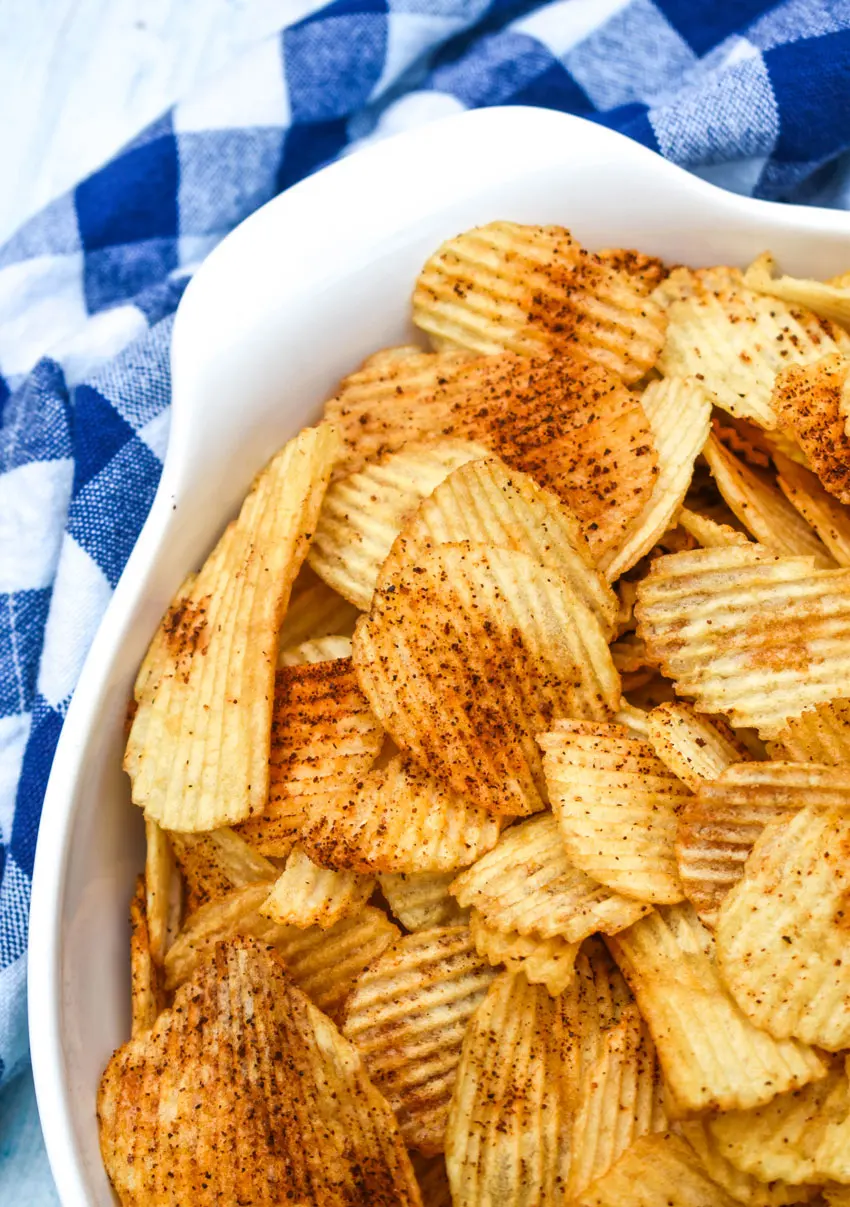
Ridges are designed to provide structural integrity, preventing the chip from breaking when dipped into thick salsas or spreads. They also increase the surface area, allowing more seasoning to cling to the chip.
Why do potato chips vary in color?
Color variations are primarily due to the sugar content in the potato, as higher sugar levels lead to faster browning during the Maillard reaction. Manufacturers monitor sugar levels closely to maintain a consistent golden hue.
This answer was created with the help of AI research tools and reference sources. Spotted an error? Let us know — we correct mistakes quickly. See our editorial policy.