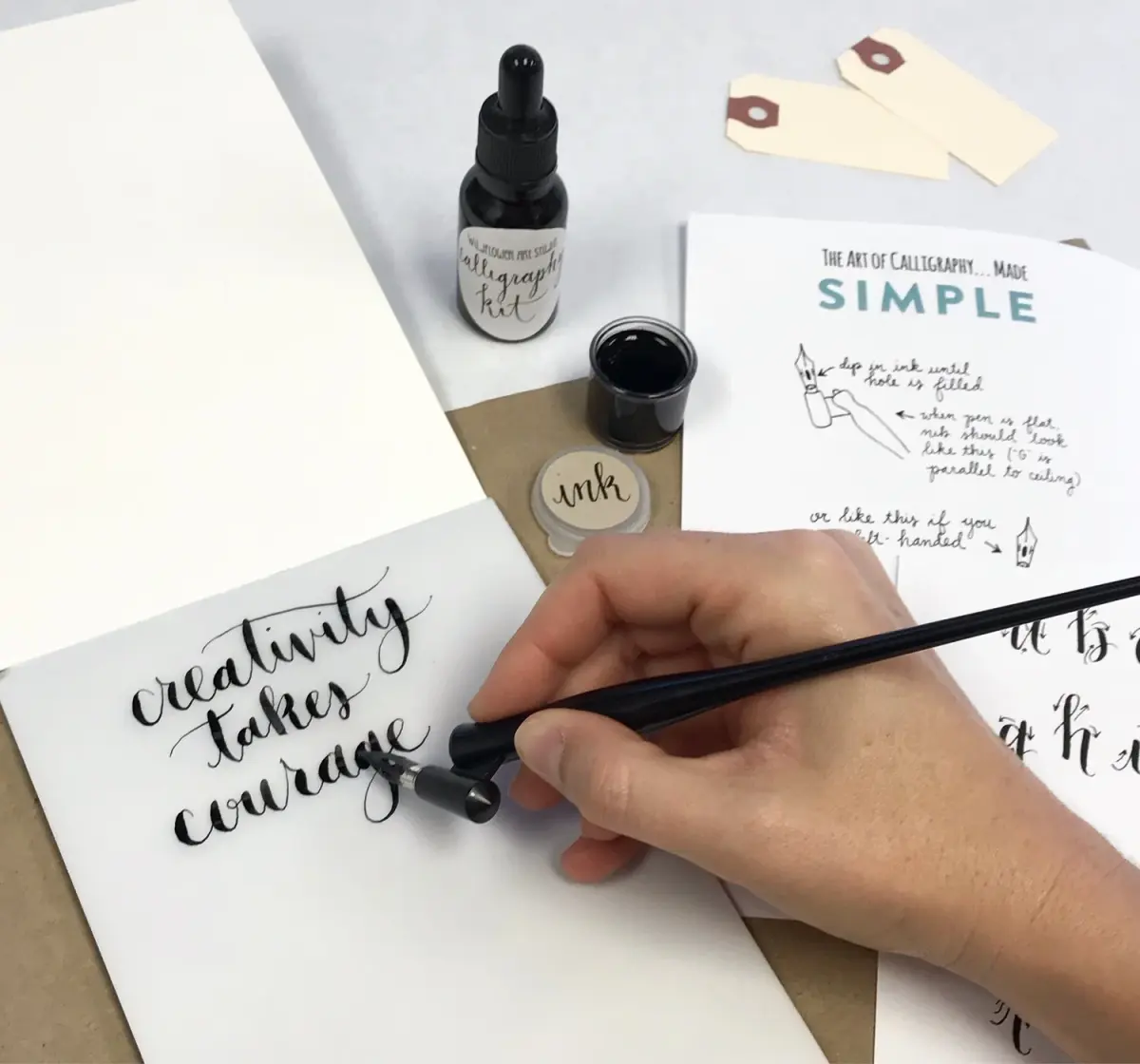
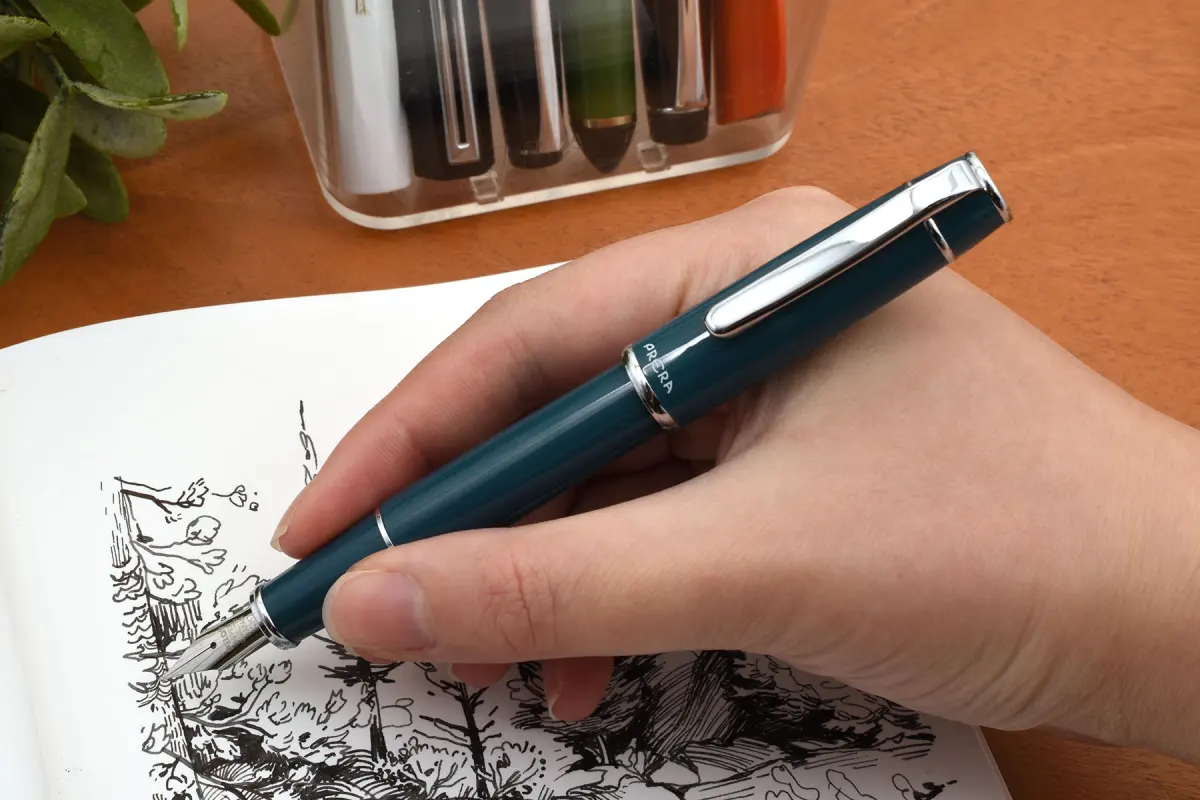
How do you use dip pens?
Short answer
Using a dip pen requires selecting a compatible nib and holder, preparing the nib by removing factory oils, and dipping it into ink to a depth of about halfway. By maintaining a consistent angle against the paper and applying light pressure, you can achieve smooth, controlled strokes without excessive ink blotting.
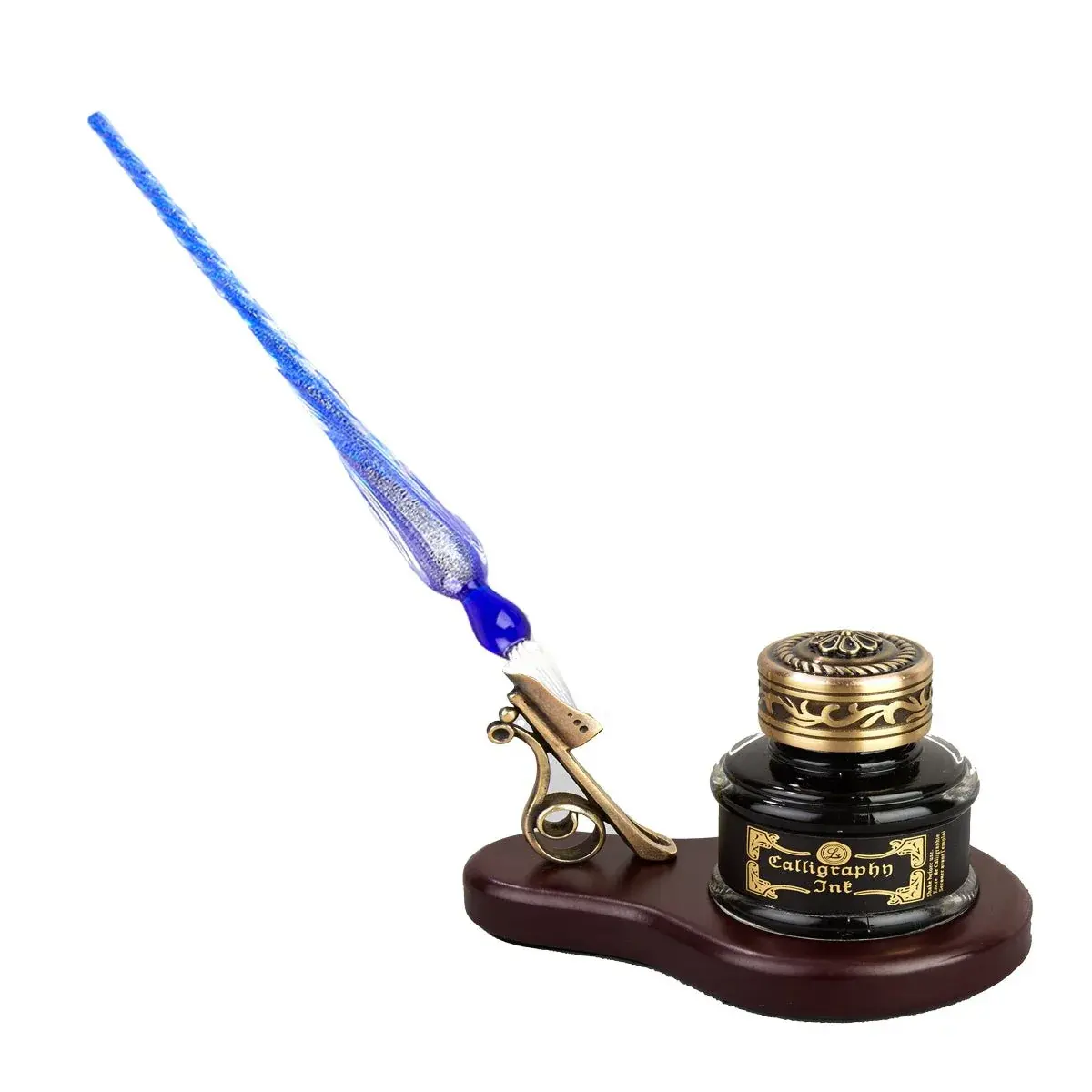
On this page
How to prepare a new dip pen nib
New nibs are often coated with a thin layer of protective oil from the manufacturing process, which prevents ink from adhering to the metal. If you skip preparation, the ink will bead up and fall off the nib in large, uncontrollable blobs. To fix this, you must clean the nib before its first use.
- Gently scrub the nib with a soft toothbrush and mild dish soap to strip away the oil.
- Alternatively, briefly pass the nib through a flame for a second or dip it into a potato for a few minutes.
- Rinse the nib thoroughly with water and dry it completely with a lint-free cloth to prevent rusting.
Once the nib is clean, it should hold ink evenly across its surface. If you notice the ink still separates or refuses to flow, repeat the cleaning process. Proper preparation is the most critical step for ensuring a smooth writing experience right from the start.
How to dip and load the nib
The goal when dipping is to fill the reservoir or the underside of the nib without overloading it. If you dip the pen too deep, ink will collect on the top of the nib and inevitably drip onto your paper. Aim to submerge the nib only up to the breather hole, which is the small circular opening located near the center of the metal.
- Hold the pen at a comfortable angle, typically between 45 and 60 degrees relative to the paper surface.
- Gently tap the nib against the inside neck of the ink bottle to remove any excess droplets.
- Keep a piece of scrap paper nearby to test the flow before you begin writing on your final project.
If you are using a nib with a separate reservoir attachment, ensure it is seated snugly against the back of the nib. This small piece of metal helps regulate ink flow, allowing you to write longer lines before needing to dip again.
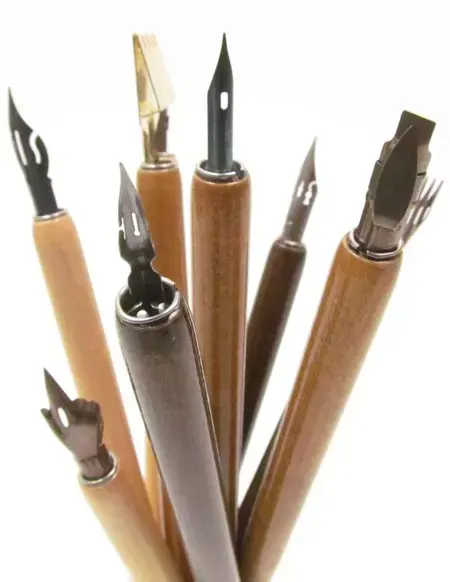
Best dip pen supplies for beginners
Starting with the right equipment significantly reduces frustration. For beginners, a straight wooden or plastic holder is the most versatile choice, as it allows for a natural grip similar to a standard pencil. Avoid overly ornate or heavy holders until you have developed a steady hand, as they can cause fatigue during longer sessions.
For nibs, look for "G-nibs" or "mapping nibs," which are generally more durable and forgiving for those learning to control pressure. Brands like Nikko, Tachikawa, and Zebra are industry standards known for their consistent quality and flexibility. When choosing ink, start with a high-quality fountain pen ink or a dedicated calligraphy ink like Higgins Eternal.
Avoid using India ink or thick acrylic-based inks in fine-tipped nibs, as these contain shellac or pigments that can clog the metal channels. Once the ink dries inside the nib, it becomes extremely difficult to remove without damaging the delicate tines. Always prioritize water-based inks that are labeled as safe for dip pens.
Common mistakes when using dip pens
The most frequent error beginners make is applying too much pressure. Dip pens are designed to respond to subtle changes in force; pressing down too hard will cause the tines to spread excessively, leading to splatters or even damaging the nib. Keep your grip loose and let the weight of the pen do the work.
Another common mistake is allowing the ink to dry on the nib while you are working. If you take a break, always wipe the nib clean with a damp cloth or rinse it in a cup of water. Leaving ink to crust over creates a barrier that prevents smooth flow and can lead to permanent corrosion of the metal.
Finally, avoid resting your hand directly on the paper while writing. The natural oils from your skin can transfer to the page, creating invisible spots that repel ink and cause lines to skip. Use a clean piece of scrap paper under your hand as a bridge to protect your work surface.
How to clean and maintain dip pens
Proper maintenance ensures your nibs last for months or even years. After every writing session, remove the nib from the holder and wash it with warm water. Use a soft cloth to dry it thoroughly, paying special attention to the underside where ink tends to hide. Never leave a nib sitting in a jar of water, as this will lead to rust.
- Store nibs in a dry, cool place, preferably in a small container or a dedicated nib tin.
- If you notice signs of rust, discard the nib immediately, as it will scratch the paper and ruin your ink flow.
- Periodically check the holder for dried ink buildup, especially if you use different colors frequently.
By following these simple cleaning habits, you preserve the integrity of the metal and ensure that your next writing session is as smooth as the first. Consistency in your routine will help you master the art of the dip pen quickly and effectively.
Key facts
- Dip pens consist of a detachable metal nib inserted into a wooden or plastic holder.
- Unlike fountain pens, dip pens lack an internal reservoir and must be re-inked every few words.
- New nibs are often coated in a thin layer of oil from the factory, which must be removed before use.
- You can clean the oil off a new nib by briefly passing it through a flame or scrubbing it with a mild abrasive.
- Dip pens perform best on high-quality, heavy-weight paper that resists ink bleeding and feathering.
- Always clean your nib with water and dry it thoroughly after each session to prevent corrosion.
The bottom line
Mastering the dip pen requires patience, proper preparation, and a steady hand. By cleaning new nibs, choosing the correct ink, and practicing consistent pressure, you can achieve beautiful, expressive lettering. Remember that the tool is manual, meaning you control the flow and thickness of every stroke. With regular practice and diligent maintenance, these traditional instruments offer a rewarding, tactile experience for artists and calligraphers alike.
People also ask
How deep should I dip the nib into the ink?
Dip the nib only until the ink reaches the breather hole, which is the small circular cutout near the center. Dipping deeper will cause ink to pool on the top of the nib and result in messy drips.
Why does my ink blob on the paper instead of flowing?
This usually happens because the nib is too dry or the ink is too thin. Ensure the nib is properly primed and try using a slightly thicker ink, such as India ink, for better control.
Can I use any type of ink with a dip pen?
Use calligraphy or drawing inks, but avoid fountain pen inks, which are often too watery. Never use India ink in a fountain pen, as the shellac content will permanently clog the internal feed.
How do I change the line width while writing?
Apply gentle downward pressure to the nib to spread the two tines apart. This action allows more ink to flow and creates a thicker line, while light pressure produces a thin, delicate stroke.
What is the best way to store dip pens?
Store your nibs in a dry container to prevent rusting. It is best to remove the nib from the holder after each use to ensure both parts remain clean and functional.
Do I need to be left-handed to have trouble with smudging?
Left-handed writers often struggle with smudging because their hand drags across the wet ink. To avoid this, try angling your paper differently or using a "hook" grip to keep your hand below the writing line.
This answer was created with the help of AI research tools and reference sources. Spotted an error? Let us know — we correct mistakes quickly. See our editorial policy.