What is oil pastels used for?
Short answer
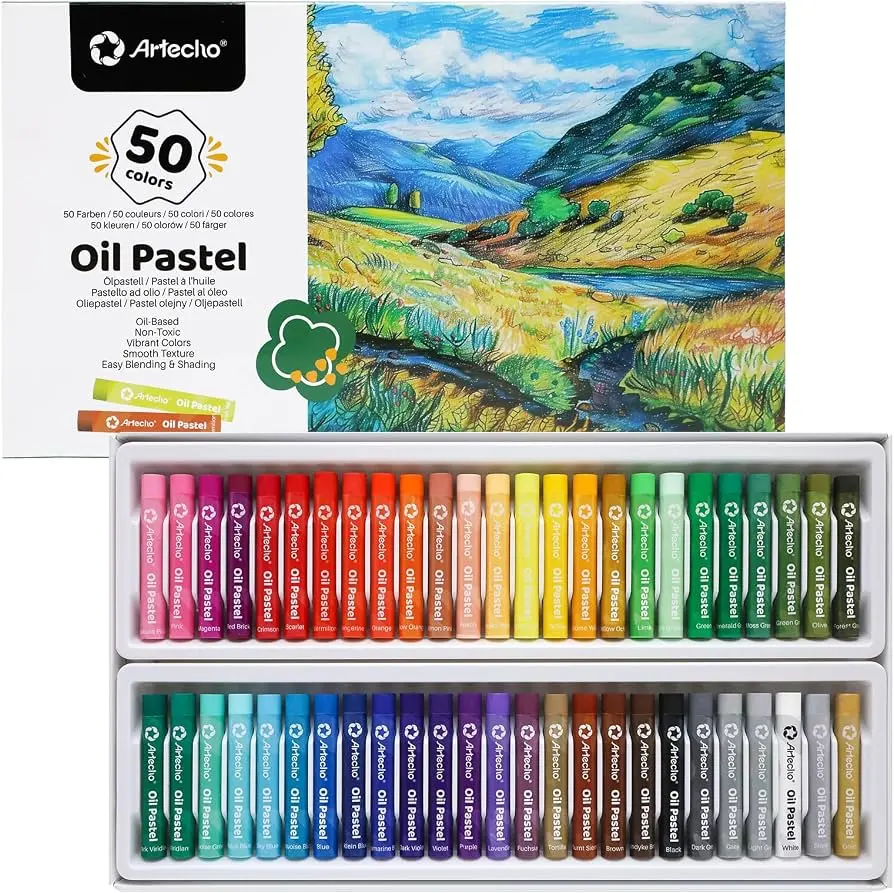
Oil pastels are versatile painting and drawing sticks composed of pigment, non-drying oil, and wax binder. Artists use them for vibrant, buttery applications on paper, canvas, or wood. Because they remain workable and never fully dry, they are ideal for blending, layering, and creating rich, textured impasto effects in mixed-media artworks.
On this page
What are oil pastels used for in art?
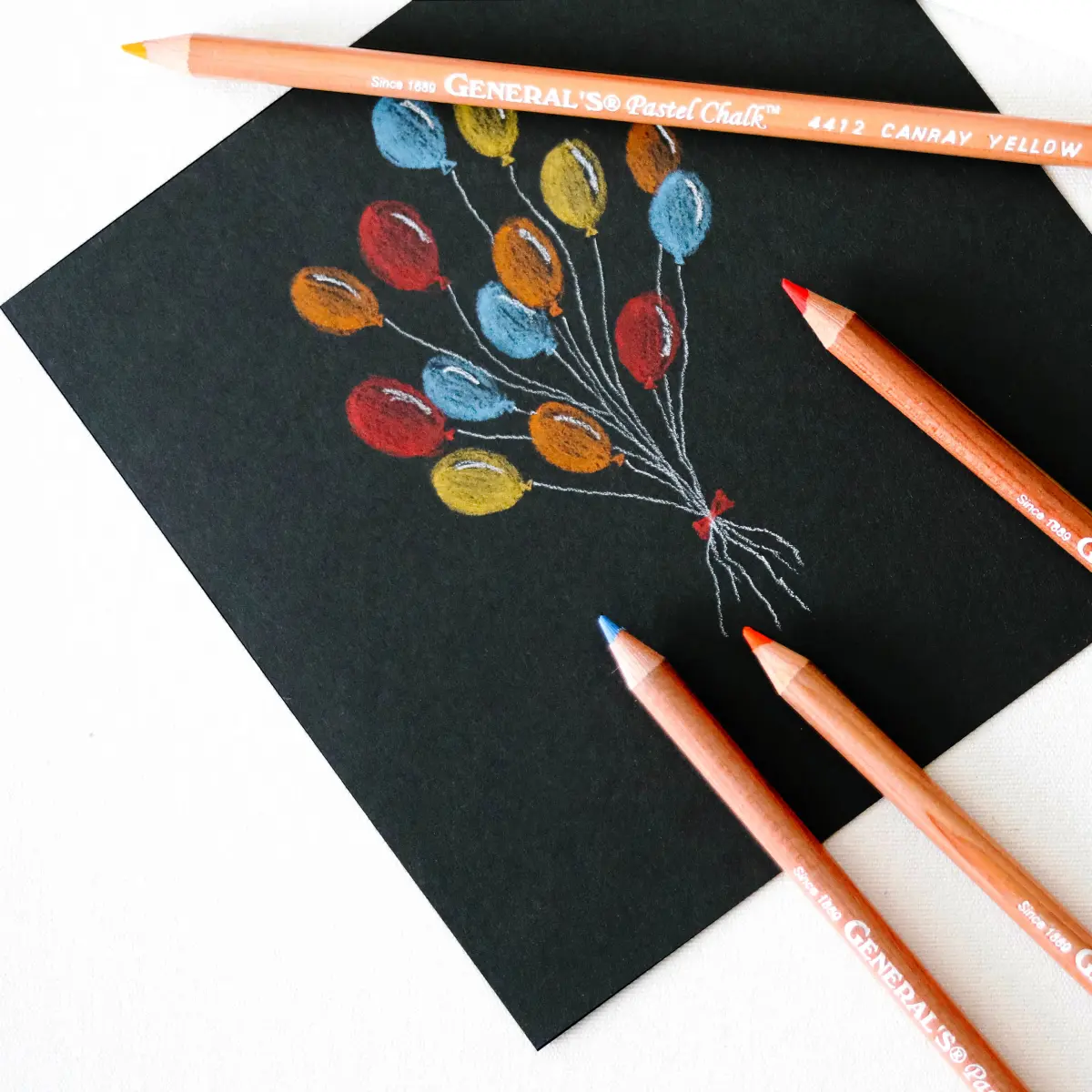
Oil pastels serve as a hybrid medium, bridging the gap between drawing and painting. Artists utilize them to create bold, saturated color fields that possess the luminosity of oil paint without the need for solvents or long drying times. They are frequently used for sketching, expressive mark-making, and adding highlights to finished pieces. Because they do not harden like acrylics, they allow for constant manipulation, making them a favorite for artists who prefer a tactile, hands-on approach to their creative process.
Beyond simple drawing, these sticks are highly effective for techniques such as sgraffito, where layers of color are scratched away to reveal underlying hues. They adhere well to various surfaces, including textured paper, cardboard, and primed canvas. Many illustrators rely on them for their portability, as they do not require brushes, water, or palettes. Their unique composition ensures that colors remain stable and vibrant for decades, provided the work is properly protected from dust and physical contact.
How to use oil pastels for beginners
Starting with oil pastels involves understanding how to manage pressure and layering. Beginners should begin with a high-quality student-grade set to ensure the pigments are soft enough to glide across the paper without excessive force. Unlike crayons, oil pastels are meant to be manipulated, so practicing different ways to move the pigment is essential for developing a personal style.
- Select a heavy-weight paper with a slight tooth, such as pastel paper or mixed-media board.
- Apply light pressure for initial sketches to keep the surface open for further layering.
- Build up color intensity by overlapping different shades, starting with lighter colors before moving to darker tones.
- Use a palette knife or a silicone shaper to move the pigment around for cleaner edges.
- Experiment with blending tools, such as paper stumps or your fingers, to create smooth transitions between colors.
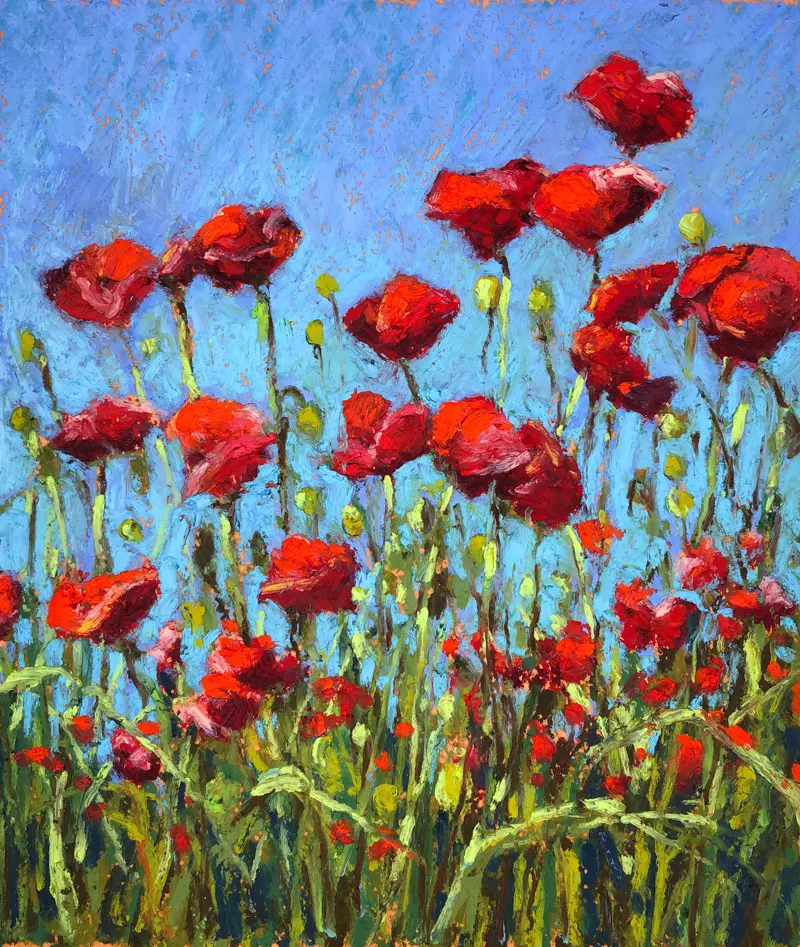
Best surfaces for oil pastel artwork
The surface, or "substrate," significantly impacts how oil pastels perform. Because the medium is oil-based, it requires a surface that can grip the pigment effectively. Smooth paper often results in the pastel sliding across the surface without leaving enough color, while highly textured papers can trap the pigment and create beautiful, grainy effects. Artists often choose materials based on the level of detail they intend to achieve.
- Pastel paper: Provides a fine tooth that holds multiple layers of pigment securely.
- Canvas board: Offers a sturdy, professional feel suitable for heavy impasto applications.
- Cardstock: An affordable option for practice, though it may require a fixative to prevent smudging.
- Wood panels: Excellent for mixed-media work, especially when primed with a gesso that has a slight grit.
- Bristol board: Ideal for detailed, illustrative work where smooth lines are preferred over heavy texture.
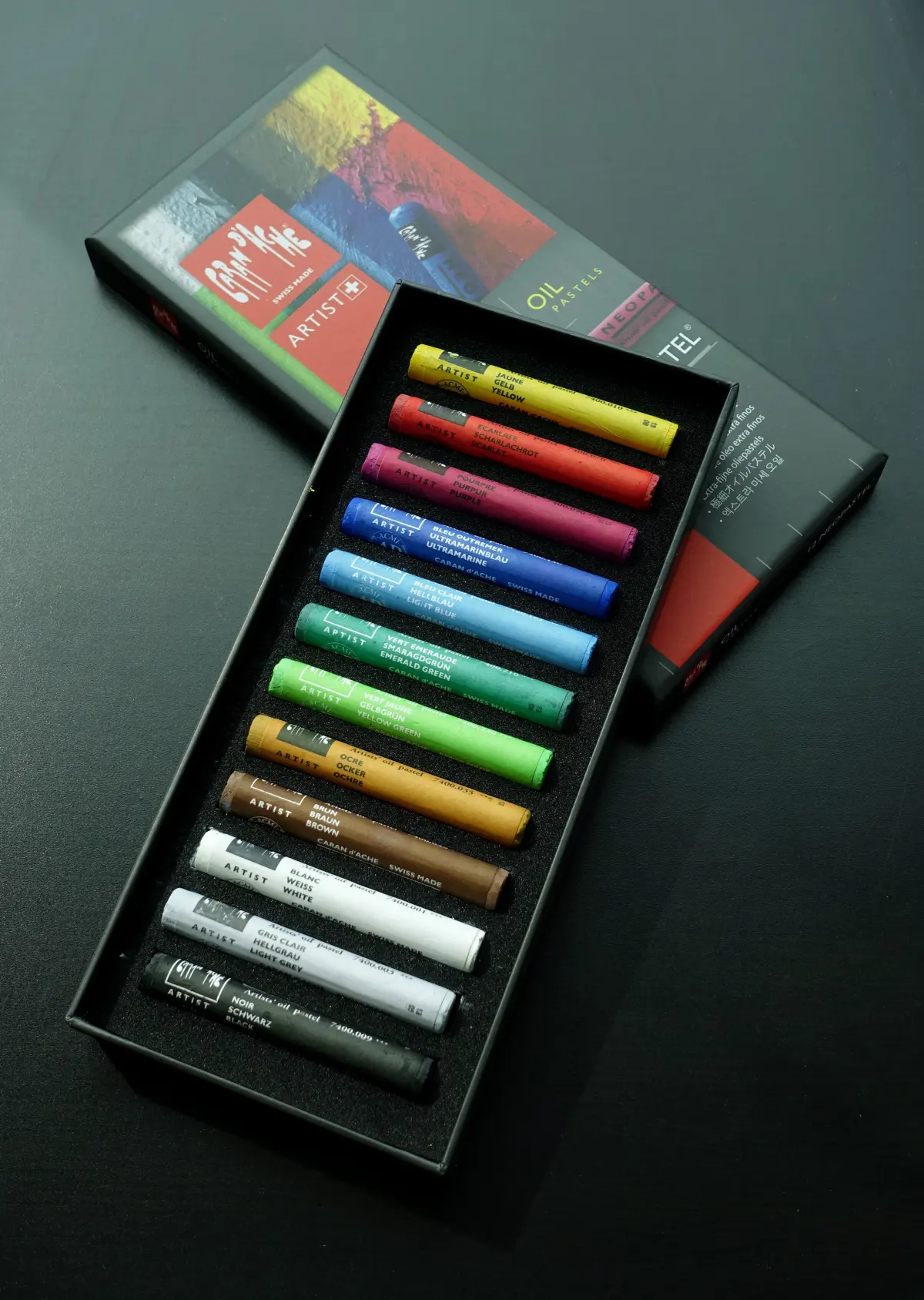
Common mistakes when using oil pastels
One of the most frequent errors is applying too much pressure too early in the process. When the surface becomes "saturated" with wax and oil, it loses its ability to accept new layers, leading to a muddy appearance. Beginners often try to blend colors that are too dark or too similar, which results in a loss of vibrancy. It is crucial to work from light to dark to maintain the clarity of the colors.
Another common mistake is neglecting to protect the finished artwork. Because oil pastels never fully dry, they remain susceptible to smearing, dust accumulation, and temperature changes. Artists should avoid stacking unprotected drawings, as the pigment can transfer between sheets. Additionally, using a standard spray fixative designed for charcoal or graphite is often ineffective; specialized fixatives for oil pastels are necessary to prevent the surface from becoming tacky or yellowing over time. Always test your fixative on a scrap piece before applying it to a final work.
How to blend oil pastels effectively
Blending is the hallmark of oil pastel technique, allowing for soft gradients and complex color mixing. Because the medium is non-drying, artists can blend colors directly on the substrate for hours or even days. This flexibility allows for a painterly quality that is difficult to achieve with dry pastels or colored pencils. Mastering the transition between colors is the key to creating depth and volume in any subject matter.
To achieve professional results, consider these blending methods:
- Finger blending: Provides the most control, though oils from the skin can affect the pigment.
- Solvent blending: Use a small amount of mineral spirits or baby oil on a brush to dissolve the pigment, creating a wash similar to oil paint.
- Layering: Apply one color over another and use a clean pastel stick to push the colors together.
- Scumbling: Gently drag a lighter color over a darker, textured layer to create a soft, hazy effect that adds atmospheric perspective to landscapes.
Key facts
- Oil pastels consist of pigment mixed with a non-drying oil and wax binder, resulting in a buttery, soft consistency.
- Unlike soft chalk pastels, oil pastels do not require a fixative because they never fully dry or harden.
- They can be applied to almost any surface, including paper, cardboard, wood, canvas, and even glass or metal.
- You can blend colors directly on the surface using your fingers, a paper stump, or a brush dipped in mineral spirits.
- Sgraffito is a popular technique where you layer colors and scratch through the top layer with a palette knife to reveal the base color.
- To prevent smudging, keep your work in a protective sleeve or frame it behind glass with a mat to prevent the medium from touching the surface.
The bottom line
Oil pastels are a versatile, vibrant medium prized for their rich color saturation and ease of use. Because they remain permanently soft, they offer artists the ability to blend, layer, and manipulate textures long after the initial application. By mastering techniques like sgraffito and solvent washes, you can achieve professional results on various surfaces, making them an essential tool for both expressive sketching and detailed fine art.
People also ask
Can oil pastels be thinned like paint?
Yes, you can use solvents like turpentine or odorless mineral spirits to thin oil pastels. By brushing the solvent over your drawing, you can transform the waxy marks into a wash that resembles oil paint.
Are oil pastels toxic?
Most professional-grade oil pastels are non-toxic, but some older or cheaper brands may contain heavy metal pigments like cadmium or cobalt. Always check the label for the AP (Approved Product) seal to ensure safety for studio use.
How do I layer colors without creating mud?
Apply lighter colors first and build up to darker tones to maintain color clarity. Avoid over-blending, which can saturate the paper fibers and create a dull, muddy appearance.
Do I need special paper for oil pastels?
While they work on many surfaces, heavy paper with a slight "tooth" or texture, such as pastel paper or mixed-media board, holds the pigment best. Very smooth surfaces may cause the wax to slide off if applied too heavily.
How do I fix mistakes?
You can scrape off thick layers of oil pastel using a palette knife or a metal scraper. Once the bulk is removed, you can gently buff the remaining residue with a clean cloth or cover it with a fresh layer.
Can I use oil pastels with other media?
They work well with oil paints and colored pencils, but they will repel water-based media like watercolors or acrylics. If you want to use them together, apply the water-based paint first and let it dry completely before adding the oil pastels.
This answer was created with the help of AI research tools and reference sources. Spotted an error? Let us know — we correct mistakes quickly. See our editorial policy.