What is the difference between charcoal and conte crayon?
Short answer
Charcoal is a carbon-based medium made from burnt organic material, offering a loose, powdery texture ideal for expressive, gestural sketching. Conté crayon is a compressed mixture of graphite or charcoal with wax or clay, providing a denser, more controlled line that resists smudging and allows for precise, detailed architectural or figurative drawing.
On this page
What is the chemical composition of charcoal and conté?
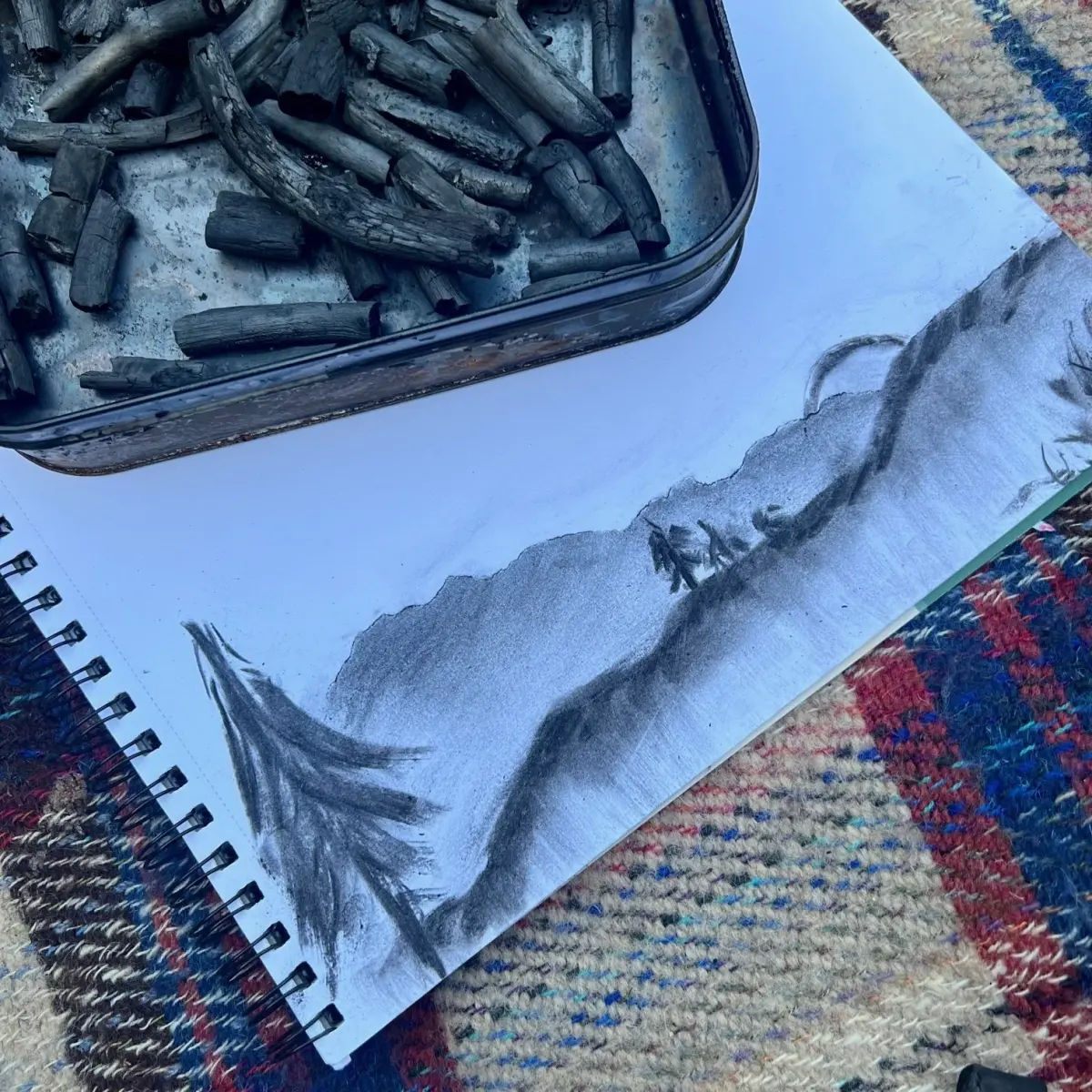
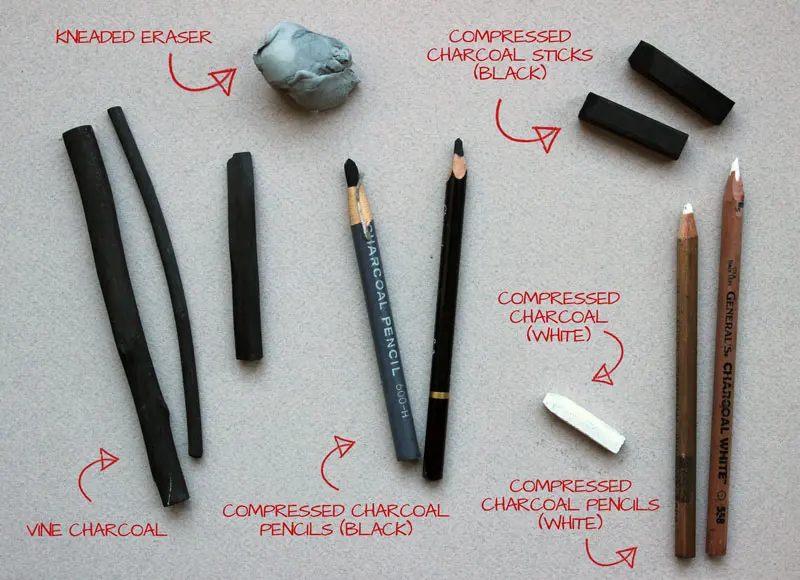
Charcoal is produced by burning wood, typically willow or vine, in an oxygen-deprived environment. This process leaves behind pure carbon, which produces a soft, matte black mark that sits lightly on the surface of the paper. Because it contains no binders, it is highly friable and can be easily manipulated, erased, or wiped away with a cloth or chamois.
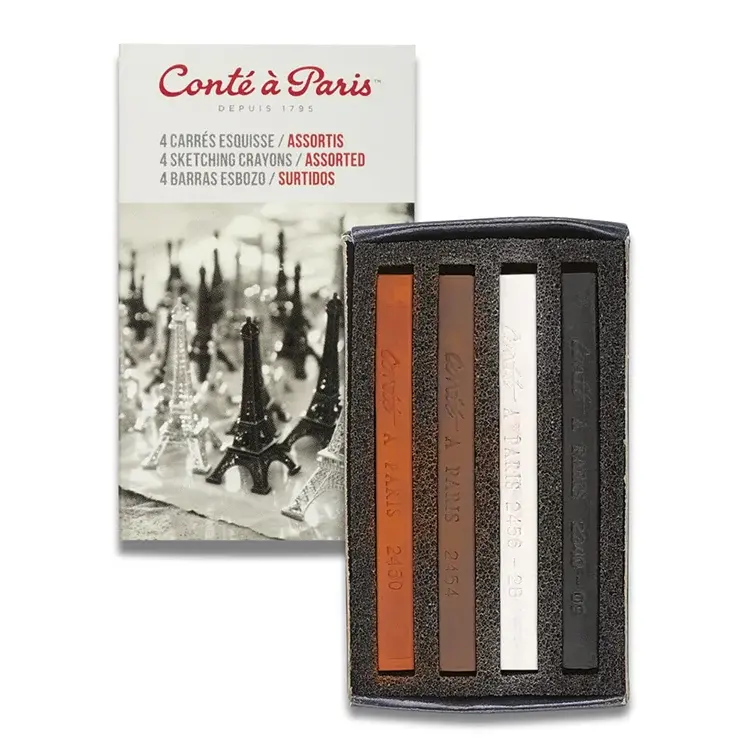
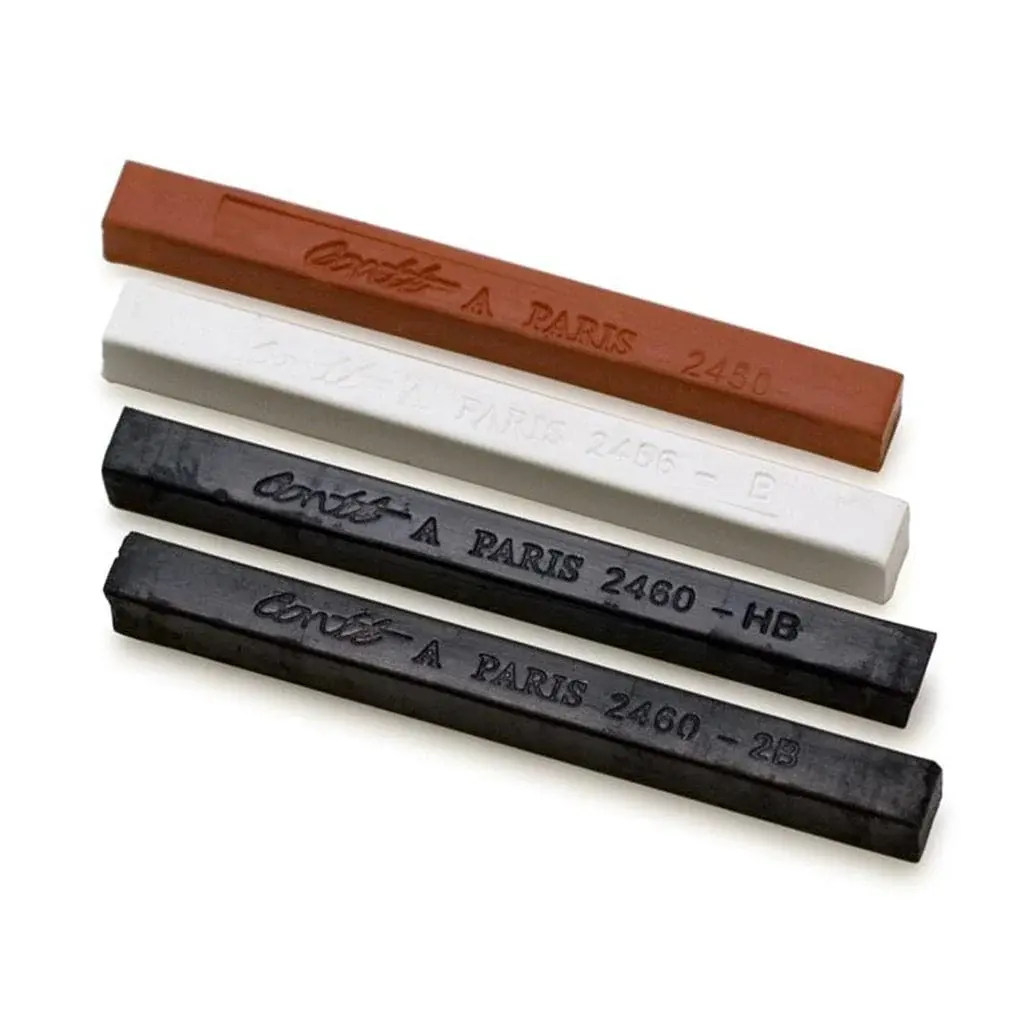
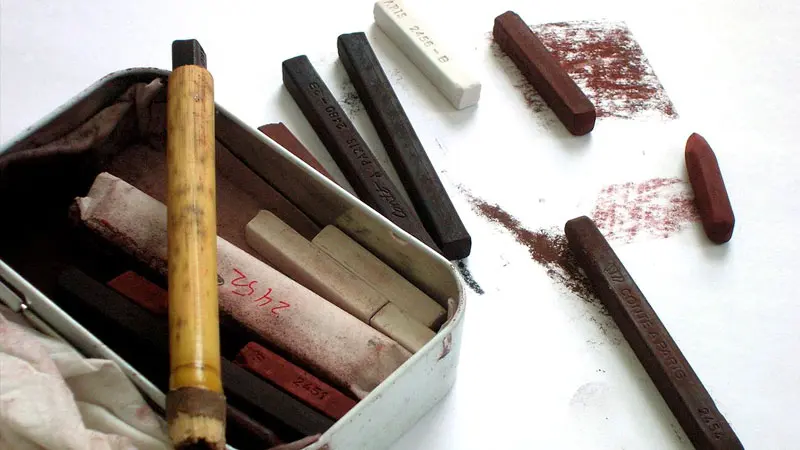
Conté crayon, invented by Nicolas-Jacques Conté in 1795, is a manufactured medium. It blends powdered graphite or charcoal with a clay binder and a small amount of wax. This specific formulation creates a harder, more durable stick that produces a richer, more permanent mark than raw charcoal. Because of the binder, conté adheres more firmly to the paper fibers, making it less susceptible to accidental smearing during the creative process.
How do charcoal and conté perform on paper?
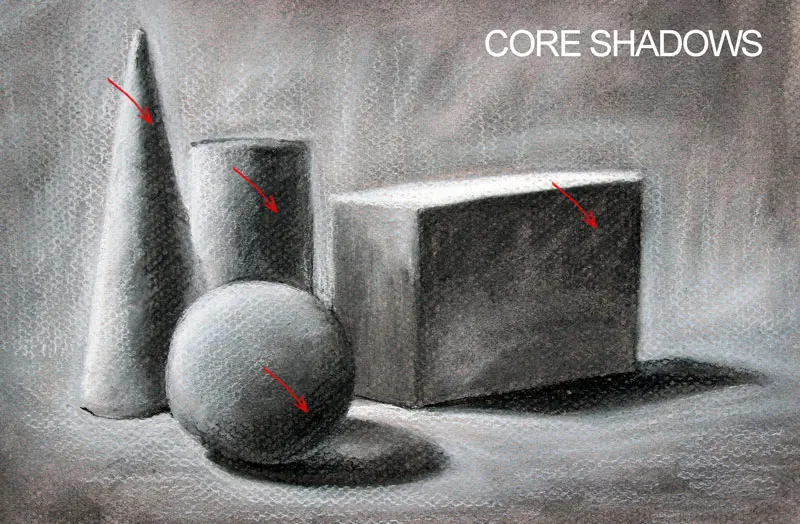
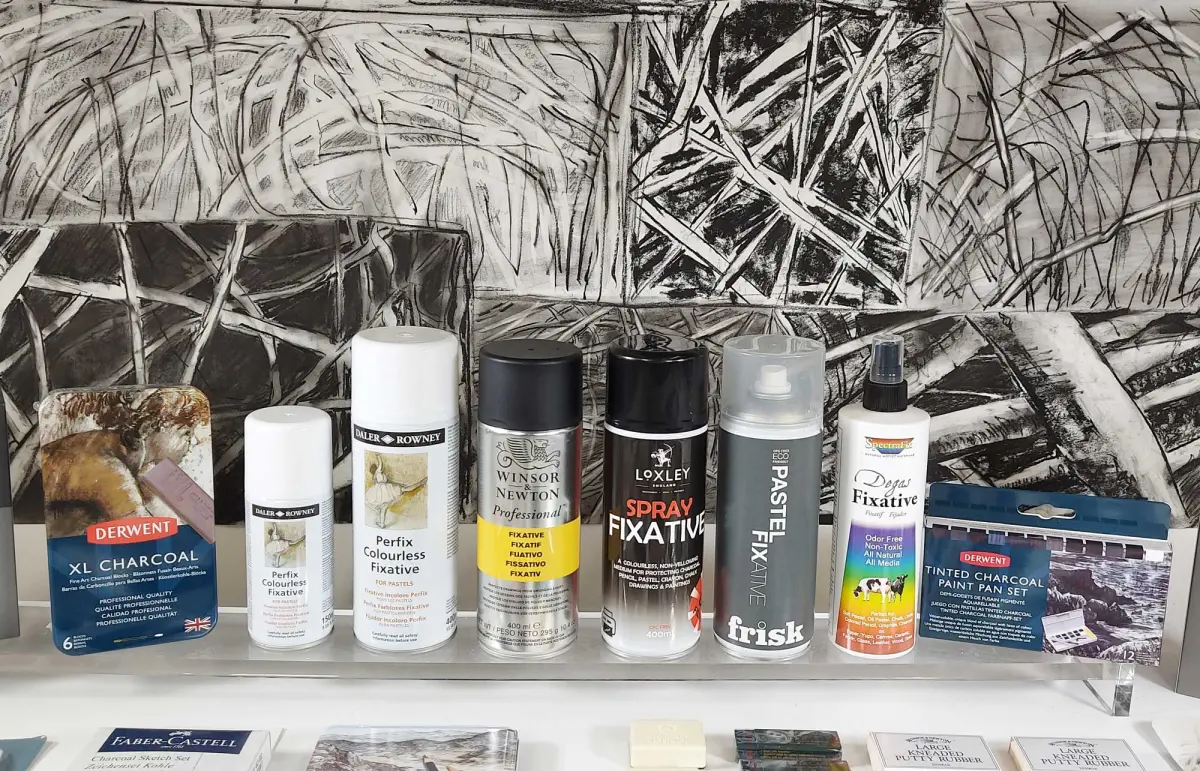
The physical behavior of these mediums dictates their typical use in the studio. Charcoal is the preferred choice for rapid gesture drawings and underdrawings for oil paintings, as it can be easily adjusted or removed. It excels at creating atmospheric effects, soft transitions, and deep, velvety blacks, but it requires a fixative spray to prevent the pigment from flaking off the page once the work is finished.
Conté crayon behaves more like a cross between a pencil and a pastel. It is excellent for artists who prioritize structural integrity and sharp edges. Because it does not rely on dust to create its marks, it is cleaner to handle and allows for layering without the muddying effect often seen with charcoal. Artists often use conté to achieve specific textures or to build up tones through cross-hatching and pressure variations.
- Select a textured "tooth" paper for charcoal to ensure the powder grips the surface.
- Use a smooth, heavy-weight paper for conté if you intend to create fine, detailed lines.
- Apply light pressure initially with both mediums to build value gradually.
- Use a kneaded eraser to lift charcoal highlights, but rely on a harder vinyl eraser for conté.
Which medium is best for beginners?
For those just starting, charcoal is often recommended because it encourages a looser, more confident drawing style. It teaches the artist to focus on mass, volume, and light rather than getting bogged down in minute details. Willow charcoal is particularly forgiving, as the marks can be wiped away almost entirely, allowing students to "find" their drawing through repeated iterations without fear of making a permanent mistake.
Conté crayon is better suited for students who are ready to move toward more disciplined, academic drawing. It requires a more deliberate hand because the marks are harder to erase completely. However, the control it offers is invaluable for learning how to render form and shadow with precision. Many instructors suggest starting with charcoal to learn the principles of light, then transitioning to conté to master the nuances of line quality and tonal depth.
- Charcoal is ideal for:
- Large-scale gestural sketches.
- Tonal studies where soft transitions are required.
- Underdrawings for canvas paintings.
- Conté is ideal for:
- Precise anatomical studies.
- Portraits requiring sharp, defined features.
- Sketching on toned paper where white highlights are added.
Why does smudging happen with these materials?
Smudging is a natural byproduct of using carbon-based drawing tools, but it occurs differently for each medium. Charcoal smudges because the carbon particles are loose and sit on top of the paper's texture. Even a light touch can shift the pigment, which is why artists often use a "maulstick" to keep their hands off the paper or work from the top of the page downward to avoid dragging their palm through finished areas.
Conté crayon smudges less, but it is not entirely immune. Because it contains a binder, the pigment is more stable, yet the friction of a finger or a sleeve can still move the wax-based components. If you find your work is becoming messy, consider using a piece of tracing paper as a bridge for your hand. This simple barrier prevents oils from your skin from transferring to the paper, which can create permanent dark spots that resist later erasure.
Common mistakes when using charcoal and conté
One of the most frequent errors is applying too much pressure too early. With charcoal, heavy pressure can crush the paper fibers, making it impossible to lift the pigment later. With conté, excessive pressure can create a waxy, polished finish on the paper that prevents subsequent layers of pigment from adhering. Always build your values in light, transparent layers, gradually increasing the density of the mark as the drawing nears completion.
Another common mistake is failing to use the right tools for blending. Beginners often use their fingers to smudge charcoal, which transfers skin oils to the paper and creates uneven, blotchy tones. Instead, use a paper tortillon or a soft chamois to distribute the pigment evenly. For conté, avoid over-blending entirely; the medium is designed to show the character of the line. If you find yourself needing to blend conté excessively, you are likely using the wrong grade of hardness for the effect you want to achieve.
Key facts
- Charcoal is made from charred organic material, typically willow or vine twigs, while Conté crayons are a compressed mixture of powdered graphite or charcoal and a wax or clay binder.
- Charcoal is extremely friable and easily smudged, whereas Conté crayons provide a firmer, more stable mark that is harder to erase.
- Conté crayons were invented by Nicolas-Jacques Conté in 1795 as a response to the graphite shortage during the Napoleonic Wars.
- Charcoal is best suited for expressive, gestural sketching, while Conté is preferred for detailed anatomical drawing and tonal modeling.
- You can sharpen Conté crayons to a fine point for precise lines, but charcoal sticks usually require sanding or breaking to achieve varied edge qualities.
- Both mediums require a fixative spray to prevent smearing, though Conté is generally more resistant to accidental movement than soft willow charcoal.
The bottom line
The primary distinction lies in their composition and handling: charcoal offers a loose, volatile, and highly blendable mark ideal for quick gestures, while Conté crayon provides a dense, waxy, and precise line suited for structured rendering. Choosing between them depends on your desired level of control. Use charcoal for expressive, large-scale studies and reserve Conté when your drawing requires fine detail, sharp contrast, and structural permanence.
People also ask
Can you use charcoal and Conté together in the same drawing?
Yes, many artists combine them to leverage the soft, atmospheric quality of charcoal with the sharp, dark precision of Conté. Apply the charcoal for large tonal masses first, then use the Conté to define crisp edges and deep shadows.
Which medium is better for beginners?
Charcoal is often recommended for beginners because it is highly forgiving and easy to wipe away with a chamois or kneaded eraser. Conté is less forgiving, as its wax-based binder makes it difficult to remove once applied to paper.
What type of paper should I use for these materials?
Both mediums perform best on "toothier" papers, such as laid or charcoal paper, which have enough texture to grab the pigment. Avoid smooth, glossy papers, as the charcoal will slide off and the Conté will not adhere properly.
How do I sharpen a Conté crayon?
Use a metal blade or a sandpaper block to shave the crayon into a chisel or needle point. Avoid mechanical pencil sharpeners, as the wax binder can clog the blades and cause the crayon to snap.
Is Conté crayon considered a permanent medium?
No, like charcoal, Conté is a dry medium that remains susceptible to smudging and light damage. Always store finished works between sheets of glassine paper and apply a professional-grade fixative to preserve the drawing.
Why does my charcoal drawing look muddy?
Muddy drawings usually result from over-blending or using too much pressure, which grinds the pigment into the paper fibers. To keep your work clean, practice lifting the charcoal with an eraser rather than smearing it with your fingers.
This answer was created with the help of AI research tools and reference sources. Spotted an error? Let us know — we correct mistakes quickly. See our editorial policy.