What is the difference between oil pastels and crayons?
Short answer
Crayons are composed of paraffin wax and color pigment, creating a hard, stable drawing tool that does not smudge. Oil pastels consist of pigment mixed with non-drying oil and wax binders, resulting in a creamy, buttery consistency that remains blendable on the page long after application, unlike the firm finish of standard crayons.
On this page
What are the main ingredients in crayons and oil pastels?
Crayons are primarily manufactured from paraffin wax, the same material used in many candles. This wax is melted and combined with various color pigments before being poured into molds to harden into a solid stick. Because they are wax-based, crayons are designed to be firm, durable, and resistant to smudging, making them an ideal medium for children and early artistic exploration.
Oil pastels, conversely, are formulated with a mixture of pigment, non-drying vegetable or mineral oil, and a wax binder. This specific chemical composition ensures that the stick remains soft and malleable, allowing it to glide across paper with a texture similar to lipstick or heavy grease. While they may look similar to crayons in shape, their physical properties are fundamentally different, as the oil component prevents the medium from ever truly drying or hardening on the surface.
How do crayons and oil pastels perform on paper?
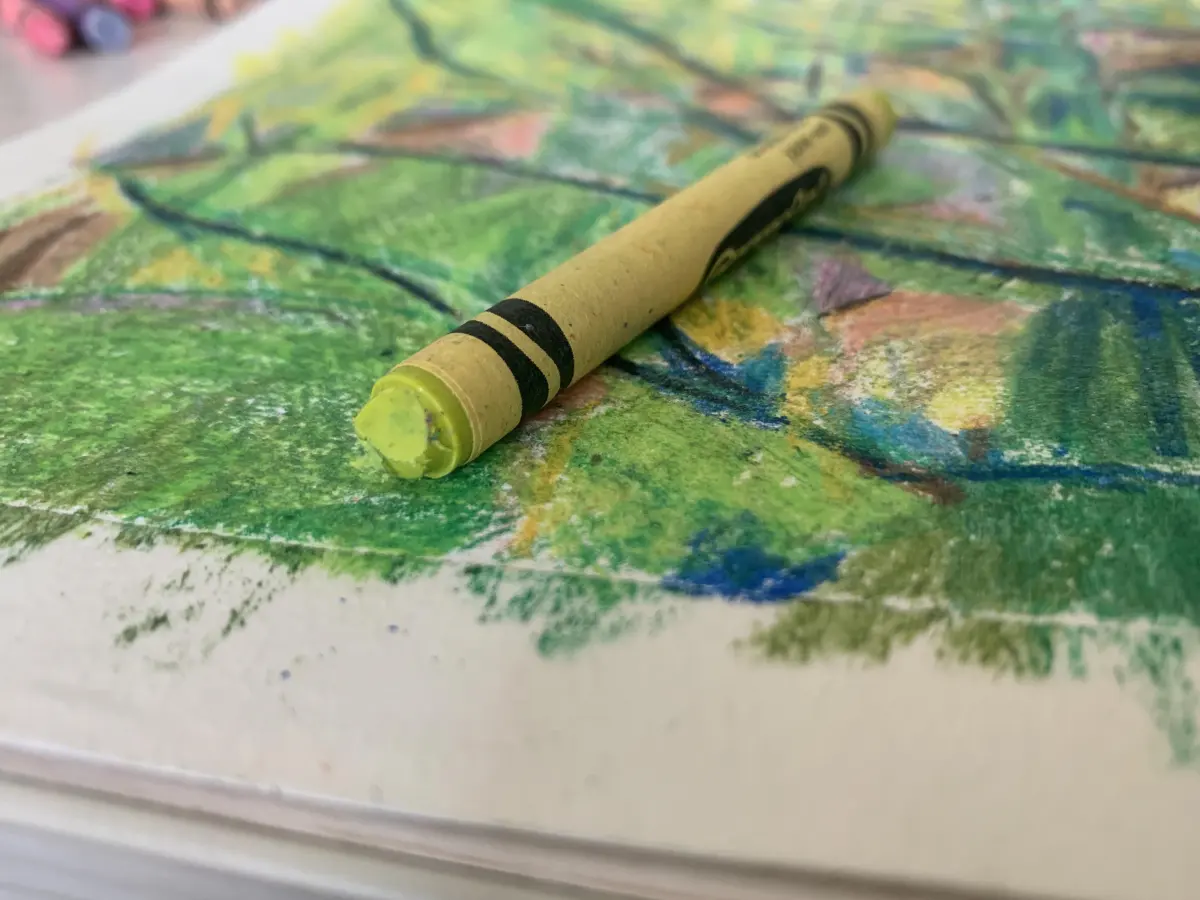
The performance of these two media is distinct due to their differing binders. Crayons produce a thin, waxy layer that sits on the surface of the paper. They are generally not blendable; if you try to rub two crayon colors together, they will likely just sit side-by-side or create a waxy, uneven crust. They are best suited for sharp lines, flat blocks of color, and coloring book activities where precision and cleanliness are prioritized.
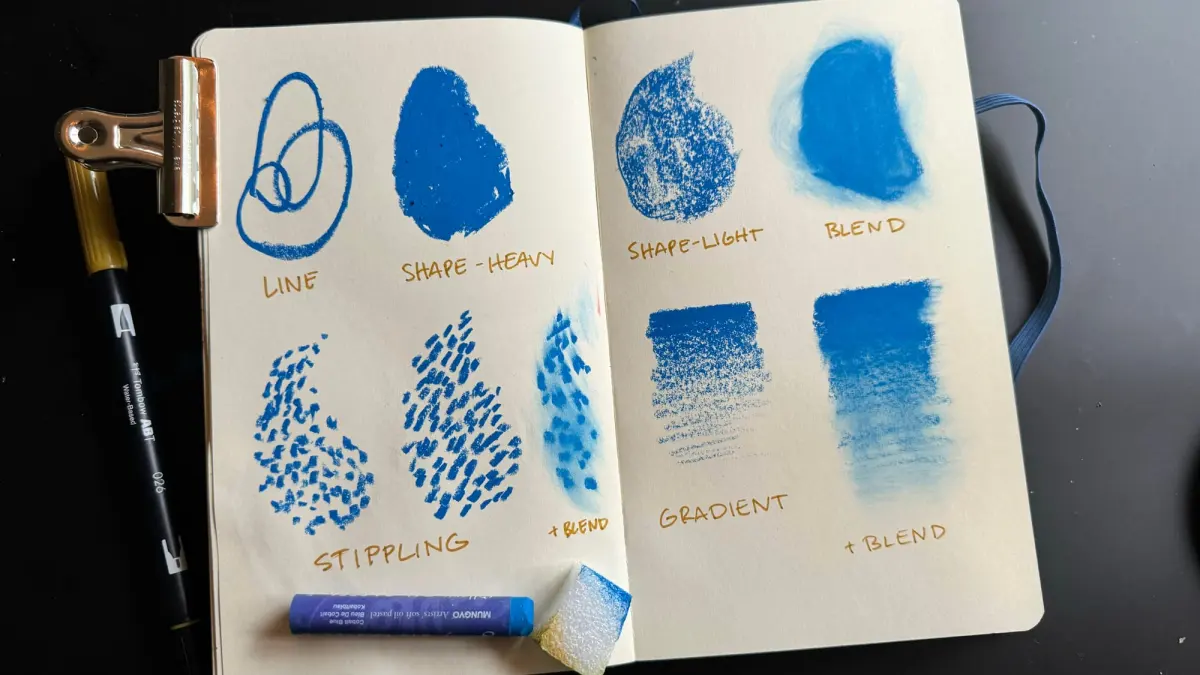
Oil pastels are designed for layering and blending. Because they remain soft, you can use your fingers, a blending stump, or a cloth to smear the colors together, creating smooth gradients and complex color transitions. They offer a much higher pigment load than standard crayons, resulting in vibrant, painterly effects that can mimic the look of oil paint. To achieve the best results with oil pastels, consider these techniques:
- Use a heavy-duty or textured paper, such as canvas paper or cardstock, to better grip the oil.
- Apply light pressure initially to build up layers without clogging the paper’s tooth.
- Use a palette knife to scrape away excess pastel for unique texture and depth.
Which medium is best for beginners?
Crayons are the standard choice for young children because they are non-toxic, mess-free, and require very little technique to master. They do not require fixatives or specialized surfaces, making them convenient for casual use. Beginners interested in fine art, however, often find oil pastels more rewarding because they allow for expressive, sophisticated techniques that are impossible to achieve with wax-based crayons.
If you are a beginner looking to experiment with oil pastels, follow these steps to get started:
- Select a high-quality set of "student grade" oil pastels to ensure enough pigment for blending.
- Prepare your workspace with newspaper, as oil pastels can leave residue on surfaces.
- Start by creating a simple color wheel to understand how your specific set blends together.
- Experiment with "sgraffito," a technique where you layer a light color under a dark one and scratch through the top layer with a toothpick.
Why do oil pastels smudge while crayons do not?
The tendency of oil pastels to smudge is a direct result of their oil content. Unlike wax, which sets into a solid, the oils in pastels stay active and mobile. This is a significant advantage for artists who want to manipulate their work after it is finished, but it also means the artwork is fragile. Without a protective barrier, an oil pastel drawing can easily be ruined by accidental contact or dust.
Crayons do not have this issue because the paraffin wax creates a stable, dry film upon application. Once the wax is on the paper, it stays exactly where it was placed unless it is exposed to extreme heat. This makes crayons incredibly low-maintenance. If you are working with oil pastels and want to prevent smudging, you must use a specialized fixative spray or frame the work under glass to protect the surface from environmental factors and physical contact.
Common mistakes when using oil pastels
A frequent error when using oil pastels is applying too much pressure too early. Because the medium is so soft, heavy pressure can fill the "tooth" of the paper instantly, preventing you from adding more layers or blending colors effectively. Another common mistake is attempting to use oil pastels on thin, glossy paper. The oil cannot grip the smooth surface, causing the pigment to slide off or clump up in unattractive, oily patches.
Avoid these common pitfalls to improve your results:
- Do not store your oil pastels in direct sunlight or near heat sources, as they will melt and lose their shape.
- Avoid using oil pastels on paper that is too thin, as the oil can bleed through and stain the surface underneath.
- Do not try to "fix" an oil pastel drawing with a standard clear coat, as it may react poorly with the oil; always use a spray specifically labeled for oil-based media.
Key facts
- Crayons are primarily composed of paraffin wax and color pigment, while oil pastels use a mixture of non-drying oil and wax.
- Oil pastels remain soft and never fully dry, whereas crayons harden quickly and are resistant to smudging.
- You can blend oil pastels using your fingers or a blending stump, but crayons do not blend easily due to their waxy composition.
- Oil pastels provide a buttery, paint-like texture that can be thinned with mineral spirits for watercolor-like effects.
- Crayons are generally safer for young children because they are non-toxic, firm, and less likely to leave messy residue.
- To prevent oil pastel artwork from smearing, always apply a professional-grade fixative spray once the piece is finished.
The bottom line
The fundamental difference lies in their binders: crayons use firm paraffin wax, while oil pastels use non-drying oils. Choose crayons for durability and clean handling, ideal for younger artists or sketching. Choose oil pastels for rich, blendable colors and expressive, painterly textures. By understanding these distinct properties, you can select the right medium to achieve your desired artistic effect and ensure your work remains preserved over time.
People also ask
Can you use crayons and oil pastels together in the same drawing?
Mixing them is possible, but oil pastels will often sit on top of the waxy surface of a crayon. It is generally better to use them in separate areas of a composition to avoid texture conflicts.
Do oil pastels fade over time?
High-quality artist-grade oil pastels are lightfast and resistant to fading. However, cheaper student-grade versions may lose vibrancy if exposed to direct sunlight for extended periods.
How do I clean oil pastel marks off a wall?
Because they contain oil, you can often remove marks using a small amount of dish soap or a specialized oil-based cleaner. Avoid using water alone, as it will simply move the pigment around.
Are crayons considered archival?
Standard children's crayons are not archival and may degrade or lose color over many years. Professional wax-based crayons, such as those made with beeswax, offer better longevity for serious art projects.
Why do my oil pastels keep breaking?
Oil pastels are softer than crayons and prone to snapping if too much pressure is applied. Use a light touch and build up layers gradually rather than pressing down hard to achieve deep color.
Is it possible to melt crayons for crafts?
Yes, crayons have a low melting point and are frequently used in melted wax art projects. Oil pastels do not melt in the same way because they are formulated to remain malleable at room temperature.
This answer was created with the help of AI research tools and reference sources. Spotted an error? Let us know — we correct mistakes quickly. See our editorial policy.