How do you use soft pastels?
Short answer
Soft pastels are pure pigment sticks held together by a minimal binder. To use them, apply color directly onto toothy paper, layering hues to build depth. You can blend strokes with your fingers or foam tools, then finish with a fixative spray to prevent smudging and preserve the delicate, powdery texture.
On this page
What supplies do you need for soft pastels?
To begin working with soft pastels, you must select the right materials to ensure success. Unlike oil pastels, soft pastels are fragile and produce significant dust, requiring specific surfaces to hold the pigment. You should invest in a set of professional-grade soft pastels, which offer higher pigment concentration and smoother application than student-grade alternatives. It is helpful to start with a balanced set of 20 to 30 colors that includes a variety of values, from deep darks to bright highlights.
The most critical supply is the paper. Because soft pastels rely on "tooth"—the physical texture of the paper—to grab and hold the pigment particles, standard smooth drawing paper will not work. You should choose specialized pastel paper, sanded boards, or heavy-weight watercolor paper with a rough surface. These materials allow you to layer multiple colors without the surface becoming slick or oversaturated. Additionally, keep a roll of masking tape, a soft brush for dusting, and a kneaded eraser nearby to manage your workspace and correct minor errors.
How do you apply soft pastels to paper?
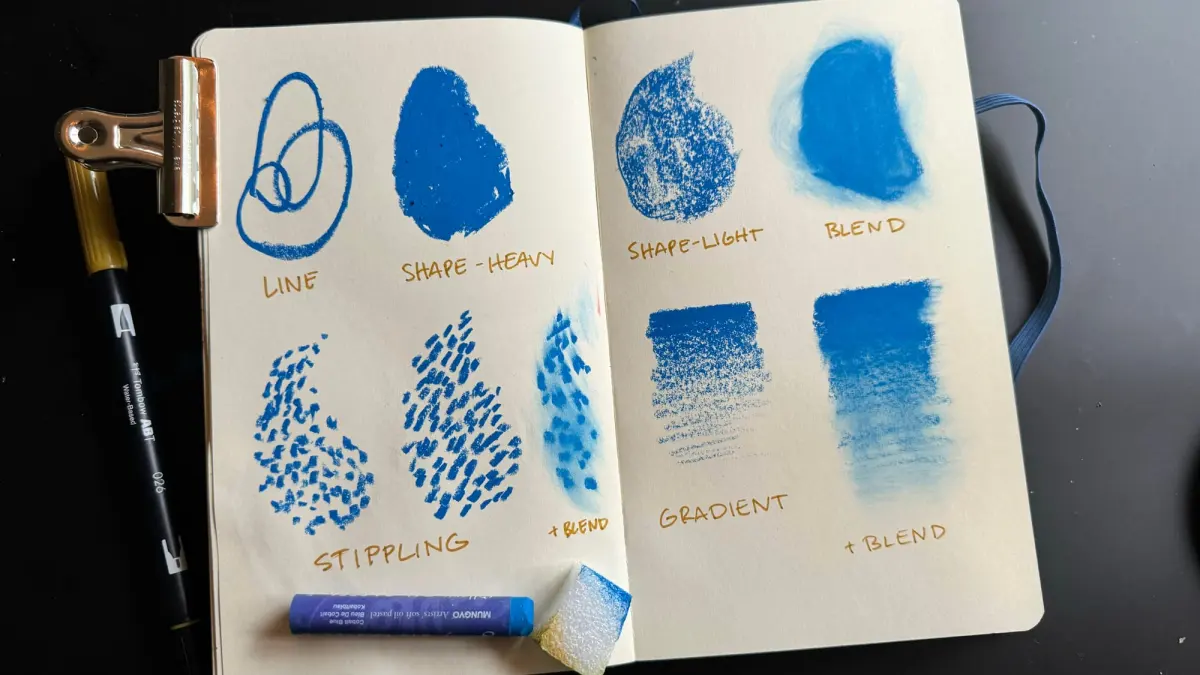
The application of soft pastels is a tactile process that involves both drawing and painting techniques. You can use the end of the stick for fine lines or break off a small piece to use the side for broad, sweeping color blocks. The key is to work from dark to light, as lighter colors can easily become muddied if you attempt to layer them over dark, heavy applications. Because the medium is opaque, you can effectively cover previous mistakes or adjust values by layering new strokes over old ones.
- Sketch your composition lightly using a hard pastel or a light-colored pencil to avoid heavy wax residue.
- Apply your base colors using the side of the pastel stick to cover large areas quickly.
- Layer secondary colors on top, using lighter pressure to prevent the paper's tooth from filling up too early.
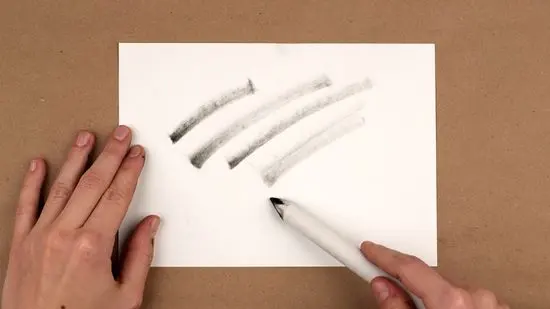
- Use your fingers, a blending stump, or a piece of foam to gently push the pigment into the paper fibers.
- Add final highlights and crisp details with the sharp edge of a new pastel stick.
How do you blend soft pastels effectively?
Blending is essential for achieving smooth transitions and soft gradients in your artwork. While many beginners instinctively use their fingers, this can transfer natural skin oils onto the paper, which may darken the pigment or create unwanted patches. Instead, consider using specialized tools such as silicone color shapers, soft foam brushes, or even a clean piece of chamois. These tools provide more control and keep your hands free from the heavy dust produced by the medium.
If you prefer a more painterly look, you can blend colors directly on the paper by layering them side-by-side and using a light touch to merge the edges. Avoid over-blending, which can result in a muddy, dull appearance. If the colors start to look flat, stop blending and add fresh, bold strokes of pure pigment back into the area. This technique, known as "scumbling," adds energy and complexity to your work. Always work in a well-ventilated area, as the fine powder can easily become airborne during the blending process.
Common mistakes when using soft pastels
One of the most frequent errors for beginners is over-saturating the paper too early. Once the tooth of the paper is completely filled with pigment, it can no longer accept new layers, leaving the surface slick and unresponsive. To avoid this, apply your initial layers with a very light touch, almost as if you are dusting the surface rather than pressing into it. If you find the paper is no longer holding pigment, you may need to switch to a more aggressive, sanded surface or use a fixative to reset the tooth.
Another common mistake is neglecting to manage the dust that accumulates on your work surface. If you leave loose powder on your drawing, it can cause accidental smearing when you lean your hand on the paper or move the board. Use a drawing board tilted at a 45-degree angle so that the excess dust falls away from your artwork and into a tray or onto the floor. Additionally, avoid blowing on your paper to clear dust, as this releases particles into the air that you might inhale; instead, gently tap the back of the board or use a soft brush.
How do you preserve finished pastel drawings?
Because soft pastels are essentially loose pigment, they are highly susceptible to smudging and environmental damage. Once your piece is complete, you must decide whether to use a fixative spray. While fixatives help lock the pigment in place, they often darken the colors and can slightly alter the matte finish of the drawing. If you choose to use one, select a high-quality, archival-grade spray and apply it in several very light, even coats rather than one heavy, saturating layer.
The most professional way to preserve a soft pastel work is to frame it behind glass or acrylic. Use a mat board to create a physical gap between the artwork and the glass, which prevents the pigment from touching the surface and smearing. Ensure the frame is sealed tightly to keep out dust and humidity. If you prefer not to frame the work immediately, store your drawings between sheets of glassine paper, which is a smooth, acid-free material that protects the surface without sticking to or lifting the delicate pigment layers.
Key facts
- Soft pastels consist of pure powdered pigment held together by a minimal amount of binder, making them highly vibrant and fragile.
- Unlike oil paints, pastels do not require drying time, allowing artists to layer colors immediately without waiting for chemical curing.
- Use a "toothier" paper, such as sanded pastel paper or textured watercolor paper, to ensure the pigment particles have enough grip to stay on the surface.
- Apply colors from darkest to lightest to prevent muddying the tones, as light pigments can easily be contaminated by dark dust.
- Avoid using fixative sprays excessively, as they often darken colors and dampen the characteristic velvety finish of the pastel.
- Keep a kneaded eraser or a soft brush nearby to lift excess dust, which prevents the surface from becoming oversaturated and unable to accept more layers.
The bottom line
Soft pastels offer an unparalleled level of immediacy and color brilliance, making them a favorite for expressive, painterly work. By selecting the correct textured paper and layering your colors carefully from dark to light, you can achieve professional results without the need for solvents or drying times. Embrace the tactile nature of the medium, keep your surface clean, and always frame your finished pieces under glass.
People also ask
Can you mix soft pastels like you mix paint?
You cannot physically blend soft pastels on a palette because they are dry. Instead, you create optical color mixing by layering strokes on the paper or using your fingers or a blending stump to smudge them together.
How do I keep my artwork from smearing after it is finished?
Because pastels are loose pigment, they are prone to smudging even after completion. Frame your work under glass or acrylic with a mat to ensure the surface does not touch the glazing, which protects the delicate powder.
What is the difference between soft pastels and oil pastels?
Soft pastels are dry, powdery, and matte, while oil pastels contain a wax or oil binder that makes them waxy, sticky, and water-resistant. You cannot mix these two mediums effectively because the oil in one will repel the dry pigment of the other.
Read the full answer →Do I need to prime my paper before using soft pastels?
Generally, you do not need to prime paper unless you are working on a non-traditional surface like wood or metal. Most artists prefer specialized pastel paper that already possesses a rough, abrasive texture designed to hold heavy layers of pigment.
Why does my pastel drawing look dusty and messy?
Excess dust is a natural byproduct of using high-quality, soft pigments. If your drawing looks too messy, you are likely applying too much pressure or using paper that lacks the necessary "tooth" to trap the pigment particles.
How do I clean my hands and workspace after a session?
Use a damp cloth or specialized artist wipes to clean your hands, as soap and water can sometimes set the pigment into your skin. For your workspace, use a vacuum with a HEPA filter or a damp mop to collect dust rather than sweeping it into the air.
This answer was created with the help of AI research tools and reference sources. Spotted an error? Let us know — we correct mistakes quickly. See our editorial policy.