Is an art degree worth it?
Short answer
An art degree is worth it if you leverage the curriculum for professional skill development, networking, and portfolio building rather than relying solely on the credential. While salary outcomes vary widely compared to STEM fields, graduates who specialize in high-demand commercial sectors often achieve long-term career stability and creative professional success.
On this page
Is an art degree worth the cost?
The financial value of an art degree depends heavily on the specific institution and the chosen specialization. While tuition costs at private art conservatories can exceed $50,000 annually, public universities often provide a more affordable path to the same bachelor’s degree. Students should weigh the total cost of attendance against the potential return on investment in fields like graphic design, user experience (UX) design, or animation, where starting salaries are generally higher than in fine arts.
Prospective students must evaluate their debt-to-income ratio before enrolling. If a degree requires significant student loans, the financial burden may restrict career choices after graduation. To determine if the investment is sound, research the alumni outcomes of your target programs. Look for schools that offer strong internship placement programs, as these often serve as the primary bridge to full-time employment in competitive creative industries.
How to choose the right art program
Selecting the right program requires looking beyond prestige. A high-quality art degree should provide a balance of conceptual theory and technical proficiency. Look for faculty who are active practitioners in their fields, as their industry connections are often as valuable as the coursework itself. Programs that emphasize professional practices—such as how to price work, manage freelance contracts, and build a digital portfolio—are significantly more practical than those focused exclusively on theory.
When evaluating programs, consider these factors:
- Industry partnerships and internship opportunities with local firms.
- Access to specialized facilities, such as high-end print labs, digital rendering suites, or professional-grade studios.
- The success rate of graduates in securing roles within six months of commencement.
- The breadth of the curriculum, including business and marketing courses.
What careers can you pursue with an art degree?
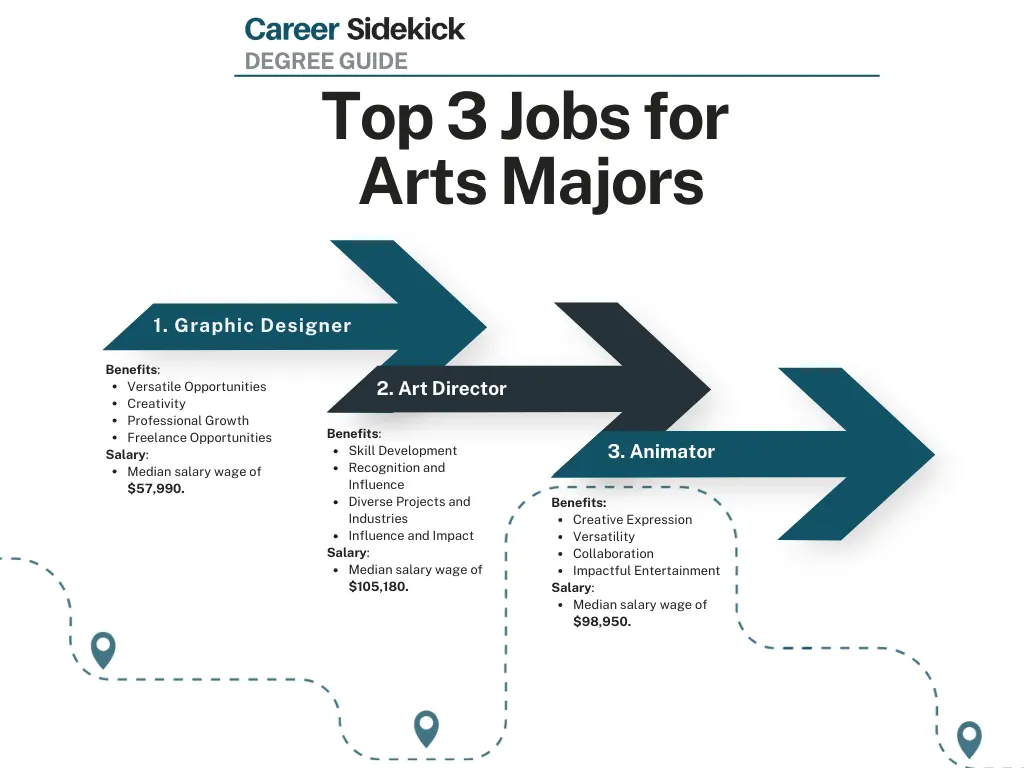
Many students mistakenly believe that an art degree leads only to a career as a gallery artist. In reality, the modern creative economy offers diverse pathways that require a blend of artistic talent and technical skill. Graduates often find success in roles that demand visual communication, problem-solving, and aesthetic judgment. These roles frequently offer competitive compensation packages and benefits that mirror those in corporate environments.
Common career paths for art graduates include:
- Graphic Designer: Creating visual content for branding, advertising, and digital media.
- UX/UI Designer: Shaping the interface and experience of websites and mobile applications.
- Art Director: Overseeing the visual style and imagery in magazines, film, or product packaging.
- Concept Artist: Developing visual designs for video games, animation, and film production.
- Gallery Manager: Handling the business, curation, and sales operations for art institutions.
Common mistakes when pursuing an art degree
One of the most frequent errors students make is failing to network while in school. An art degree is an opportunity to build a community of peers, mentors, and industry contacts. Students who isolate themselves in the studio often struggle to find work after graduation because they lack a professional support system. Engaging with visiting lecturers, attending industry conferences, and participating in group exhibitions are essential activities that should begin during the freshman year.
Another mistake is neglecting the "business of art." Many programs focus heavily on creative output but provide little instruction on the realities of the market. Students should proactively seek out electives in marketing, accounting, or project management. Understanding how to draft a proposal, negotiate a salary, or manage a freelance business is often the difference between a struggling artist and a successful creative professional. Avoid the trap of thinking your talent will speak for itself without business acumen.
How to maximize the value of your degree
To ensure your degree is worth the investment, you must treat your education as a professional training period rather than a purely academic one. Start building your portfolio from the first semester, ensuring that every project serves a purpose in your professional narrative. Do not wait for graduation to start looking for work; seek out freelance projects or internships during your summer breaks to gain real-world experience that you can add to your resume.
Finally, stay adaptable by learning complementary skills that enhance your artistic abilities. For example, a painter who learns basic web development or a sculptor who masters 3D modeling software becomes significantly more employable. The most successful art graduates are those who view their degree as a foundation for lifelong learning. By continuously updating your technical skills and staying informed about industry trends, you can ensure that your artistic training remains a relevant and valuable asset throughout your entire professional career.
Key facts
- The median annual wage for fine artists, including painters and sculptors, was approximately $58,000 in 2023, according to the U.S. Bureau of Labor Statistics.
- Employment in arts and design occupations is projected to grow 4% from 2023 to 2033, roughly as fast as the average for all occupations.
- A bachelor’s degree in fine arts (BFA) typically requires 120 credit hours, often focusing on studio practice, art history, and professional portfolio development.
- Networking is often more critical than the degree itself; students who secure internships at galleries or design firms have higher post-graduation employment rates.
- Student loan debt for arts graduates can be significant, often exceeding $30,000, making careful financial planning and scholarship research essential before enrollment.
- Specialized skills like UX/UI design, motion graphics, and digital illustration currently command higher starting salaries than traditional fine arts roles.
The bottom line
An art degree is a valuable investment only if you approach it with a clear professional strategy. While the creative industry is competitive, combining technical mastery with business acumen significantly improves your odds of success. Focus on building a robust portfolio, securing internships, and developing marketable digital skills. Ultimately, your professional network and ability to adapt to industry demands will matter more than the diploma on your wall.
People also ask
Does a prestigious art school guarantee a career in the arts?
No, prestige does not guarantee employment. While top-tier schools like the Rhode Island School of Design (RISD) offer excellent networking opportunities, the industry primarily values a strong, professional portfolio and demonstrated technical proficiency.
Can I succeed as an artist without a formal degree?
Yes, many successful artists are self-taught or learned through apprenticeships and online courses. A degree provides structure and mentorship, but the art market is ultimately meritocratic, rewarding skill and unique vision over academic credentials.
What is the difference between a BFA and a BA in art?
A Bachelor of Fine Arts (BFA) is a professional degree with a heavy focus on studio practice, usually requiring 65% to 80% of coursework in art. A Bachelor of Arts (BA) is a liberal arts degree with a broader curriculum, requiring fewer studio hours and more general education credits.
How can art students prepare for financial stability?
Students should develop "hybrid skills" by pairing art with business, marketing, or computer science. Understanding how to manage intellectual property, freelance contracts, and digital marketing is vital for sustaining a career in the creative economy.
What are the biggest mistakes art students make during college?
The most common mistake is failing to build a professional network while in school. Students often focus solely on their studio work, neglecting to attend industry events, seek internships, or develop a public-facing portfolio website.
Are there specific art degrees that offer better job prospects?
Degrees in commercial fields such as graphic design, industrial design, and digital media generally offer more stable career paths than degrees in fine arts. These roles align directly with corporate needs in advertising, technology, and manufacturing sectors.
This answer was created with the help of AI research tools and reference sources. Spotted an error? Let us know — we correct mistakes quickly. See our editorial policy.