What is pastel pencils used for?
Short answer
Pastel pencils are specialized drawing tools containing a firm, wax-based pastel core encased in wood. They are primarily used for adding fine detail, sharp lines, and intricate textures to pastel paintings. Artists value them for their precision, allowing for controlled, clean marks that traditional soft pastel sticks cannot easily achieve on paper.
On this page
What are pastel pencils used for in art?
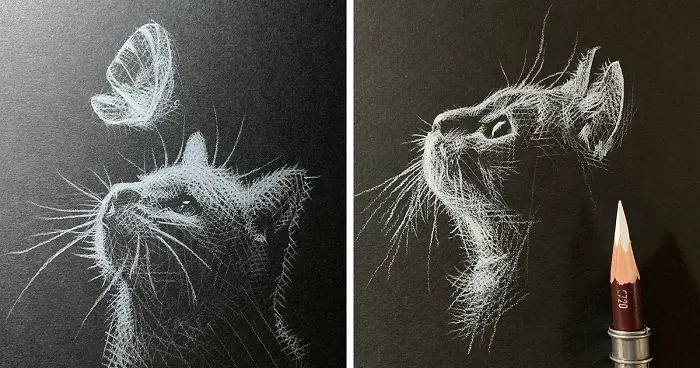
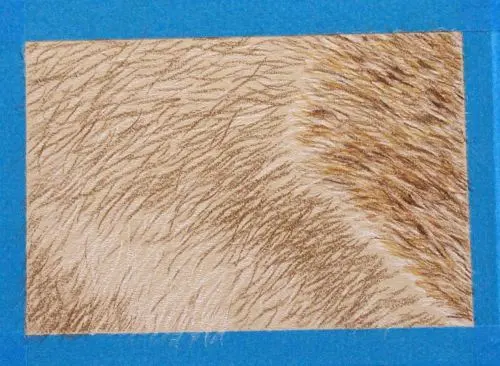
Pastel pencils serve as the bridge between the loose, expressive nature of soft pastels and the rigid control of graphite or colored pencils. Because they contain a harder binder than traditional chalk sticks, they do not crumble under pressure, making them ideal for rendering fine details like animal fur, human hair, or architectural edges. Artists often use them in the final stages of a piece to sharpen focal points or to sign their work with clarity.
Beyond detailing, these pencils are excellent for sketching initial compositions on sanded pastel paper. Unlike graphite, which can leave a greasy residue that prevents pastel pigment from adhering, pastel pencils leave a matte, compatible surface. They are also favored for travel sketching because they offer the vibrant, saturated color of pastels without the mess associated with loose dust. By combining these pencils with soft sticks, an artist can achieve a professional balance between broad color blocking and delicate, needle-thin highlights.
How to use pastel pencils for beginners
Starting with pastel pencils requires an understanding of layering and surface selection. Unlike watercolor or oil paints, pastels are opaque, meaning you can layer light colors over dark ones if the paper has enough "tooth" to hold the pigment. Beginners should invest in high-quality sanded paper or textured pastel board to ensure the pencil tip can grip the surface effectively.
To begin a drawing, follow these foundational steps:
- Sketch your outline lightly using a neutral-toned pencil, avoiding heavy pressure that might indent the paper.
- Apply base layers of color using soft pastel sticks to cover the majority of the surface area.
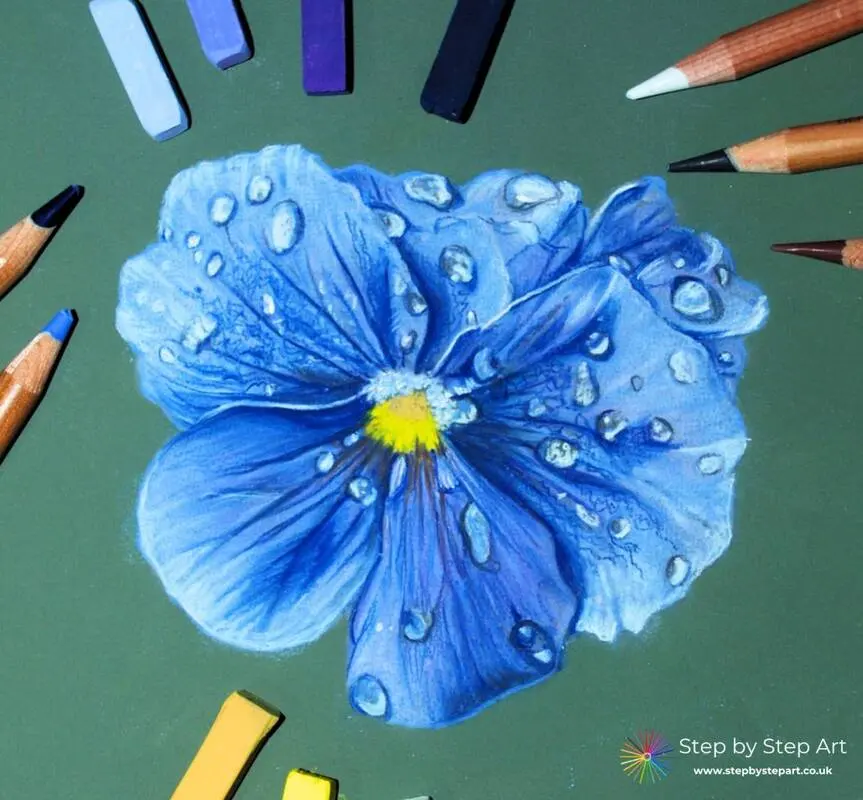
- Introduce the pastel pencils to define shadows, mid-tones, and the smallest highlights around the eyes or petals.
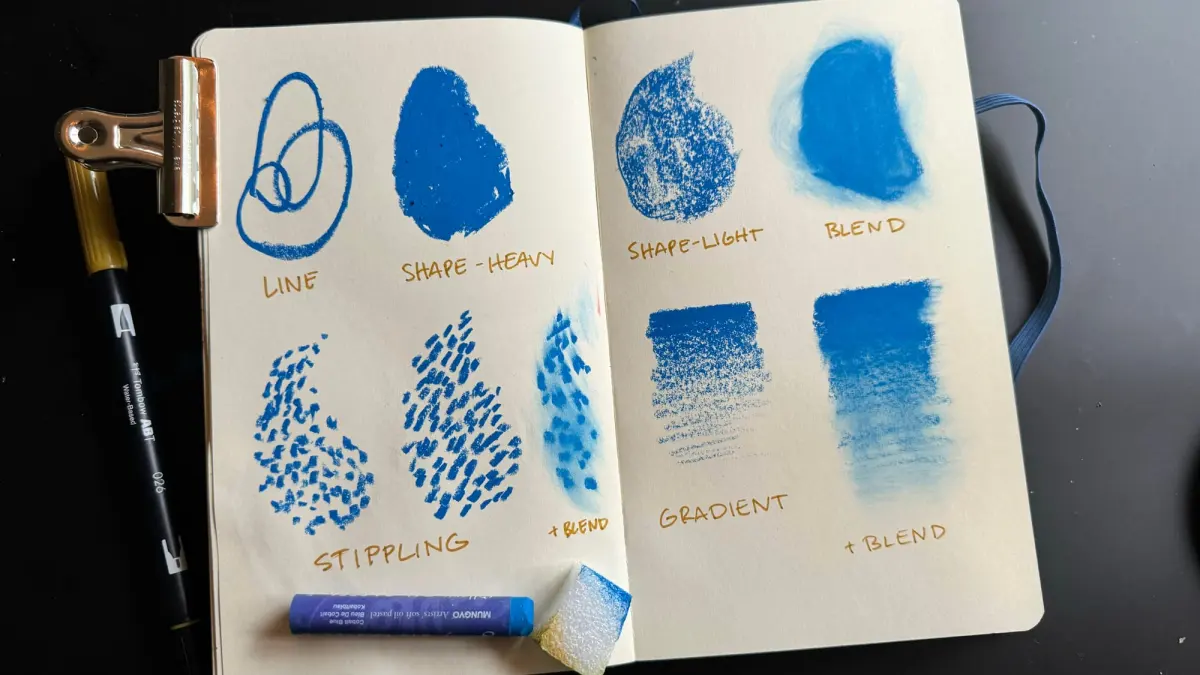
- Use a light touch to blend colors, as excessive rubbing can fill the paper's texture and prevent further layers from sticking.
Best surfaces for pastel pencils
The effectiveness of a pastel pencil is entirely dependent on the substrate. Standard smooth drawing paper is usually too slick, causing the pigment to slide off or look thin and washed out. Instead, artists look for papers with a distinct "tooth," which refers to the physical grit or texture of the surface that catches the pastel particles.
- Sanded papers: These provide the most grip and allow for dozens of layers of pigment.
- Pastel boards: Rigid surfaces that are highly durable and excellent for heavy-handed techniques.
- Textured charcoal paper: A more affordable option, though it may not hold as many layers as professional sanded varieties.
- Velour paper: Offers a soft, velvet-like finish that produces a unique, hazy effect, though it is difficult to achieve sharp, crisp lines on this material.
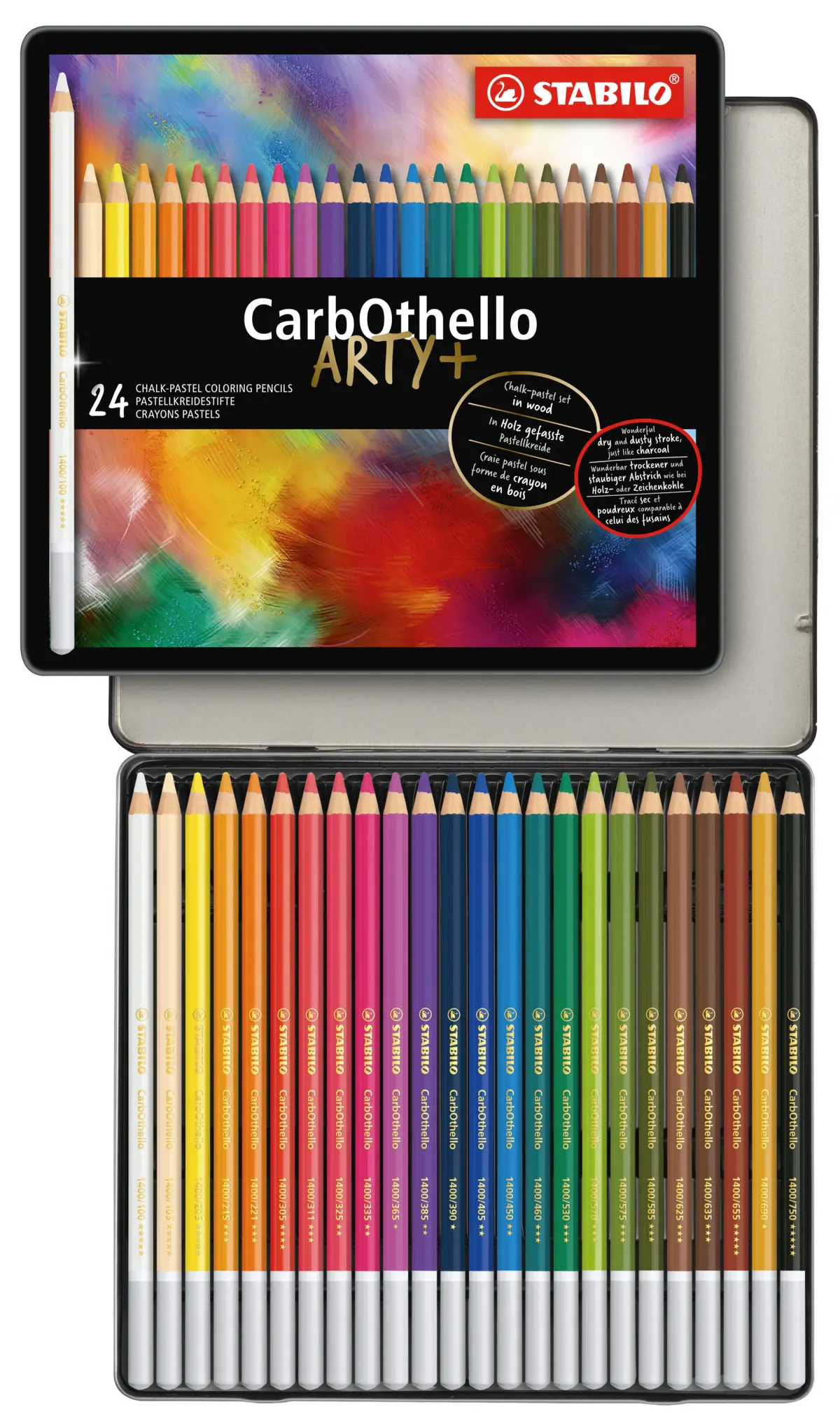
Common mistakes when using pastel pencils
One of the most frequent errors is attempting to sharpen these pencils with a standard mechanical sharpener. Because the pastel core is brittle and soft compared to graphite, a standard sharpener will often snap the tip immediately. Instead, artists should use a sharp craft knife or a specialized pastel pencil sharpener to shave the wood back slowly, exposing a long, sturdy lead that is less likely to break during application.
Another common mistake is over-blending. While blending is essential for smooth gradients, doing it too much with fingers or stumps can turn the colors into a muddy, dull gray. Beginners often try to force a blend that the paper cannot handle, which leads to the pigment being pushed into the paper fibers rather than sitting on top. If you find your colors becoming muddy, stop blending and add a new layer of pure pigment directly over the area to restore the vibrancy and clarity of the original hues.
How to preserve pastel pencil drawings
Because pastel pigment is essentially loose powder held in place by friction, it is highly susceptible to smudging and environmental damage. Once a drawing is complete, it must be protected to ensure the longevity of the work. Many artists choose to frame their drawings behind glass, using a mat to ensure the surface of the paper does not touch the glass directly, which prevents the pigment from transferring.
If you choose to use a fixative spray, apply it in very light, multiple coats rather than one heavy drenching. A heavy layer of fixative can darken the colors and alter the matte appearance of the pastel, effectively "killing" the luminosity of the piece. Always test your fixative on a scrap piece of paper first to see how it affects the specific brand of pencils you are using. By handling the finished work with extreme care and storing it in a flat, dry environment, you can maintain the crispness of your lines and the intensity of the colors for decades to come.
Key facts
- Pastel pencils consist of a dry, powdery pigment encased in wood, offering the blendability of soft pastels with the precision of a graphite pencil.
- They are ideal for adding fine details, such as animal fur, human hair, or architectural textures, that are difficult to achieve with traditional pastel sticks.
- Artists typically work on "toothed" papers, such as sanded pastel paper or textured cardstock, which are designed to grip the powdery particles.
- Unlike graphite, pastel pigment does not smear as easily once layered, but it still requires a fixative spray to prevent smudging or dusting over time.
- You can sharpen these pencils using a specialized manual sharpener or a craft knife, though mechanical sharpeners often break the delicate, brittle core.
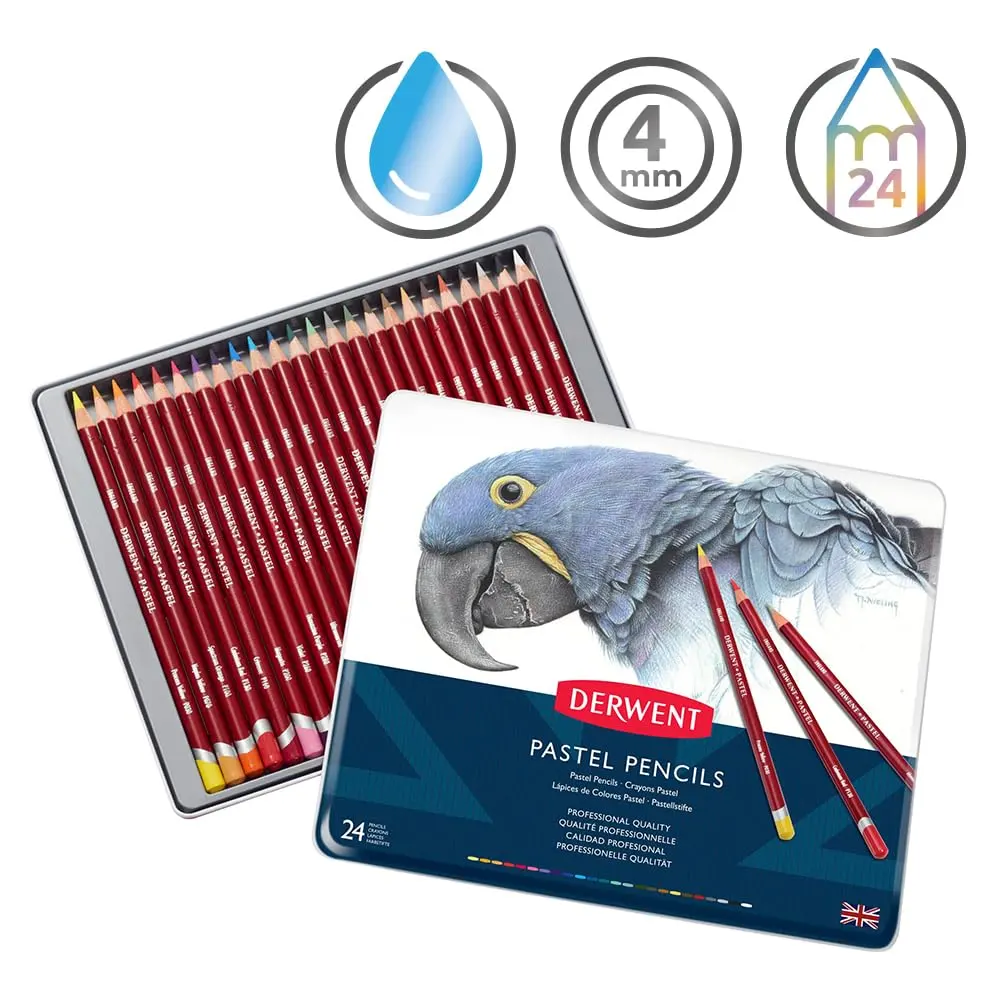
- Common brands used by professionals include Faber-Castell Pitt, Caran d’Ache, and Derwent, each offering varying degrees of hardness for different layering techniques.
The bottom line
Pastel pencils are an essential tool for artists seeking to combine the soft, vibrant color of traditional pastels with the control of a fine-point drawing instrument. By selecting the right textured paper and layering colors gradually, you can achieve remarkable detail and depth. Always remember to use a quality fixative to protect your finished work, ensuring your delicate, powdery compositions remain crisp and smudge-free for years.
People also ask
Can you use pastel pencils on regular printer paper?
Regular printer paper is too smooth to hold pastel pigment, causing the color to slide off or look patchy. You should use textured pastel paper or high-quality watercolor paper to ensure the pigment adheres properly to the surface.
Do I need to use a fixative spray?
Yes, a fixative is highly recommended because pastel is a dry medium that remains loose on the paper surface. It prevents your drawing from smudging during storage or framing, though it may slightly darken the colors.
Can I blend pastel pencils with water?
While some pastel pencils are water-soluble, most are designed to be used dry. If you use water on standard pastel pencils, the pigment may clump or ruin the paper surface rather than creating a smooth wash.
How do I layer colors effectively?
Start with light, thin layers and gradually build up to darker, more opaque colors. Avoid applying too much pressure early on, as this fills the paper's "tooth" and prevents you from adding subsequent layers.
How are pastel pencils different from colored pencils?
Colored pencils are wax- or oil-based and create a permanent, waxy finish that can be polished to a shine. Pastel pencils contain dry pigment and binder, resulting in a matte, velvety finish that behaves more like paint.
Can I erase mistakes made with pastel pencils?
You can lift some pigment using a kneaded eraser, which pulls the powder off the paper without damaging the fibers. However, heavy applications or dark colors are difficult to remove completely and are better covered with lighter layers.
This answer was created with the help of AI research tools and reference sources. Spotted an error? Let us know — we correct mistakes quickly. See our editorial policy.