What are the best soft pastels for beginners?
Short answer
The best soft pastels for beginners are semi-professional brands like Mungyo Gallery, Sennelier, or Faber-Castell. These sets offer a balance of high pigment concentration and manageable texture, allowing for smooth blending without the excessive crumbling found in cheaper alternatives. Starting with a 24-piece assorted color set provides sufficient versatility for learning fundamental techniques.
On this page
What are the best soft pastels for beginners?
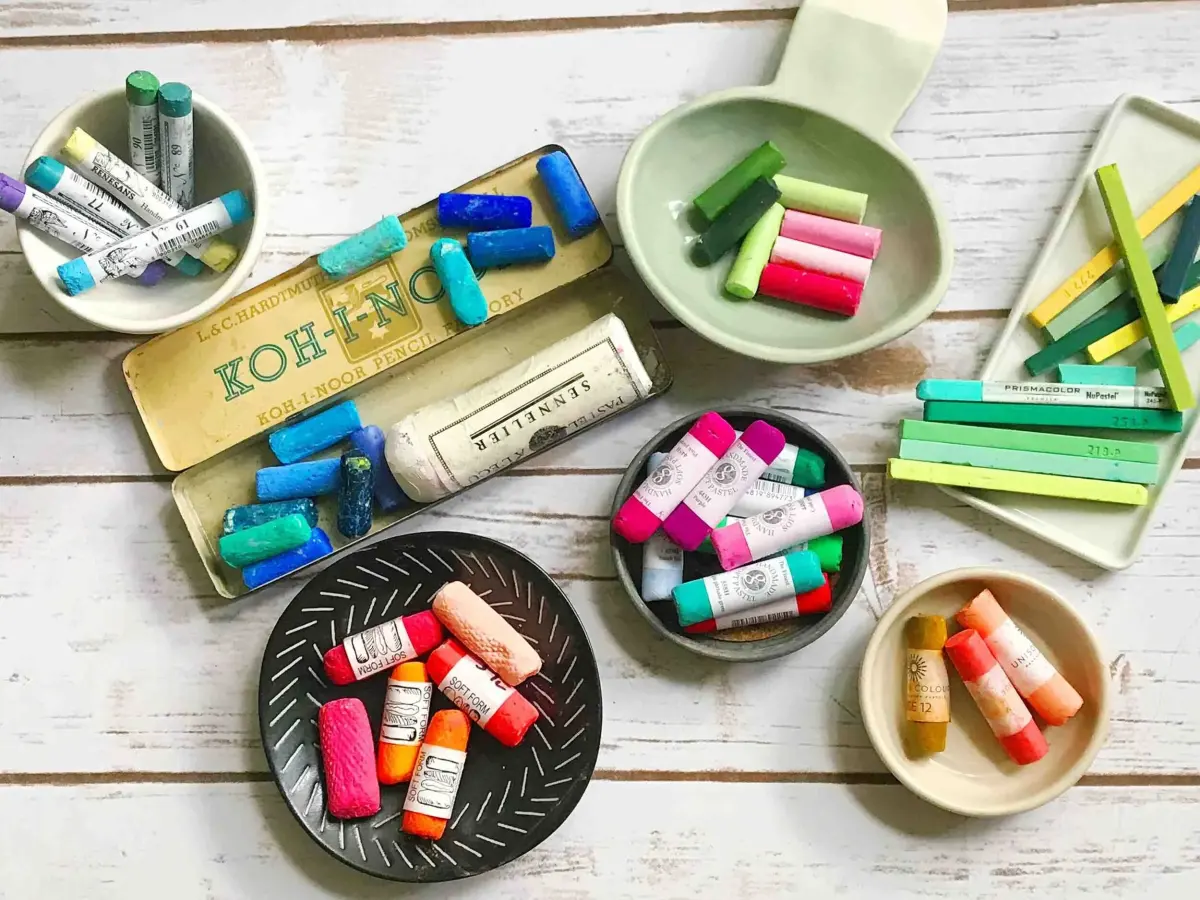
When starting out, focus on "soft" or "chalk" pastels rather than oil pastels, as they offer the classic, powdery aesthetic associated with the medium. Beginners should prioritize brands that offer a consistent texture, meaning the sticks do not contain hard, scratchy binders that damage paper surfaces. Mungyo Gallery Soft Pastels are widely considered the gold standard for entry-level artists due to their excellent color payoff and affordable price point.
If your budget allows, Sennelier’s half-stick sets are an excellent investment. These pastels are renowned for their high pigment content and buttery consistency, which makes blending effortless for those still developing hand control. Faber-Castell’s Creative Studio range is another reliable option, offering a slightly firmer texture that helps beginners avoid over-applying pigment. By choosing these reputable brands, you ensure that your early frustrations stem from learning technique rather than poor-quality materials.
How to choose the right pastel set
Selecting the right number of colors is crucial to avoid feeling overwhelmed. A 24-piece set is generally the "sweet spot" for beginners, as it provides a primary and secondary color range along with essential neutrals like black, white, and various earth tones. Avoid purchasing massive 100-piece sets immediately, as the sheer variety can make color mixing and selection confusing for a novice.
Focus on sets that include a good range of values, meaning both light tints and dark shades of the same hue. You should look for the following features when shopping for your first set:
- High lightfastness ratings to ensure colors do not fade over time.
- A square or rectangular shape, which allows for both broad strokes and fine lines.
- A variety of earth tones, which are essential for landscapes and portraits.
- Easy availability, ensuring you can replace individual colors as they wear down.
Essential supplies for pastel drawing
Pastels require specific surfaces to function correctly, as the pigment needs a "tooth" or texture to grab onto. Standard printer paper will not work; instead, look for dedicated pastel paper or sanded boards. Canson Mi-Teintes is a popular choice for beginners because it features a textured side and a smooth side, allowing you to experiment with different mark-making styles.
Beyond the paper, you will need a few basic tools to manage the dust and blending process. Keep these items in your kit:
- A kneaded eraser, which can be molded to lift off pigment without damaging the paper fibers.
- A roll of masking tape to secure your paper to a drawing board.
- A fixative spray, used sparingly to lock layers of pigment in place.
- A soft brush or chamois cloth for blending large areas without using your fingers.
Common mistakes when using soft pastels
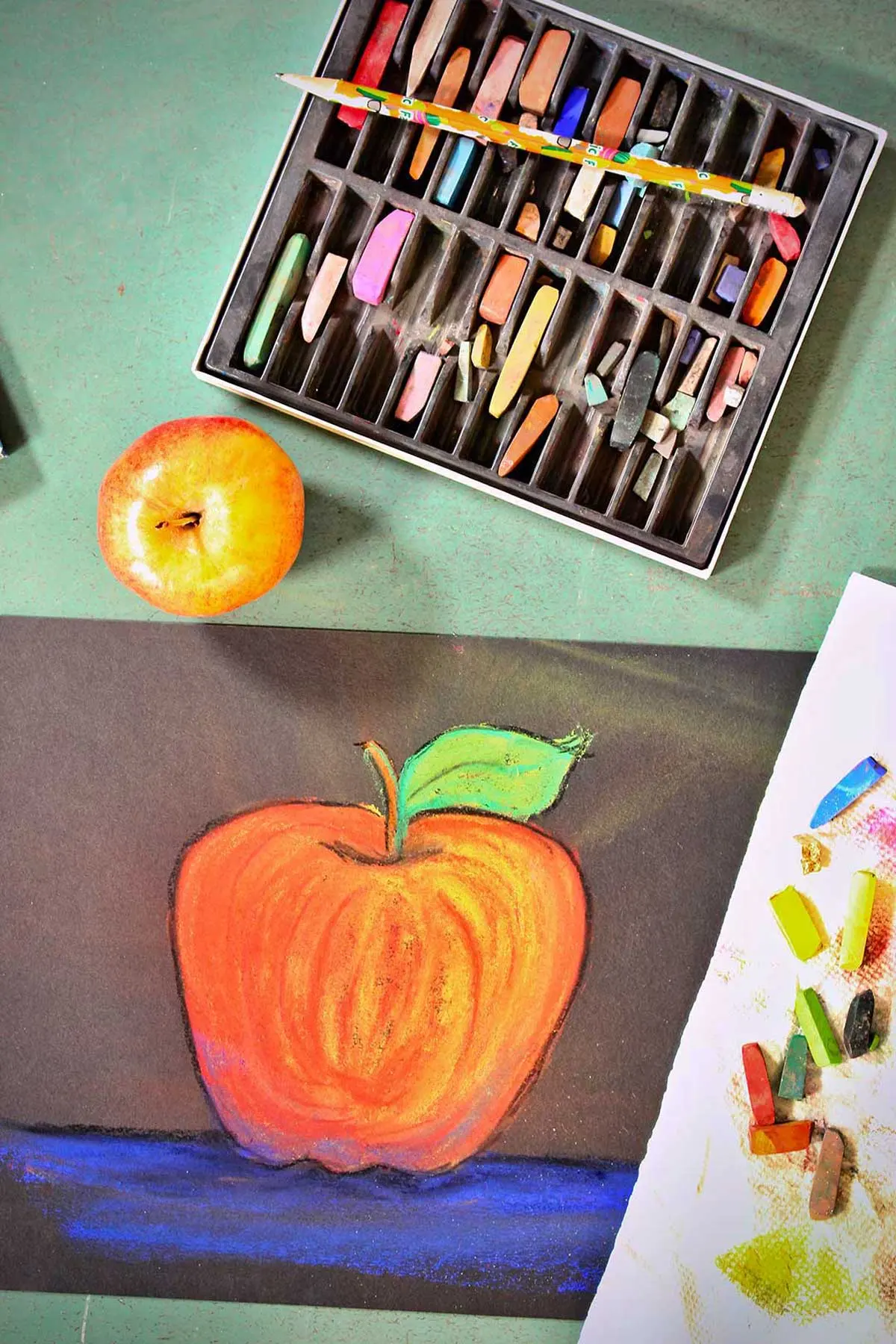
The most common error for beginners is "filling the tooth" too quickly. This happens when you apply heavy, thick layers of pastel immediately, which prevents the paper from holding any further pigment. Once the paper surface is saturated, you cannot add more color or detail, resulting in a muddy, flat appearance. Always start with light, airy layers and gradually build up to darker, more saturated colors.
Another frequent mistake is failing to manage pastel dust. Soft pastels are inherently messy, and if you blow on your paper to remove dust, you risk inhaling particles or spreading pigment onto areas you intended to keep clean. Instead, work on an easel or a tilted board so that the dust falls naturally into a tray or onto a drop cloth below. This simple adjustment keeps your workspace clean and protects your respiratory health during long sessions.
How to master basic pastel techniques
Mastering the medium involves learning how to layer and blend effectively. Start by practicing "hatching" and "cross-hatching," which involve drawing sets of parallel lines to create shading and texture. Once you are comfortable with these marks, experiment with "scumbling," where you lightly drag a pastel stick over a previously colored area to create a soft, hazy effect. This technique is particularly useful for rendering clouds, skin tones, or distant foliage.
Blending is a powerful tool, but it should be used judiciously to avoid losing the vibrancy of your colors. While many beginners use their fingers, this can transfer natural skin oils onto the paper, which may darken the pigment or create unwanted spots. Try using a blending stump or a piece of foam to move the pigment across the page. As you gain confidence, you will learn to leave some areas unblended to maintain a crisp, professional look that highlights the unique, tactile nature of the soft pastel medium.
Key facts
- Soft pastels are made of pure pigment held together by a minimal amount of binder, resulting in a buttery, vibrant application.
- Beginners should prioritize "student-grade" sets, such as Mungyo Gallery or Reeves, which offer quality without the high cost of professional brands.
- Start with a set of 24 to 48 colors, as this range provides enough variety for color mixing without overwhelming the artist.
- Always use textured paper, such as Canson Mi-Teintes, because the "tooth" of the paper is necessary to grab and hold the pastel dust.
- Apply pastels in layers, starting with hard pastels for the underdrawing and finishing with soft, creamy pastels for highlights.
- Avoid using fixative sprays too early, as they can darken colors and dull the brilliant, matte finish of the pastel pigments.
The bottom line
For beginners, the best approach is to start with a modest set of student-grade soft pastels and high-quality textured paper. By focusing on layering techniques and avoiding the common mistake of over-blending, you can achieve vibrant results. Remember that the medium is inherently dusty and fragile, so patience and proper storage are essential to mastering the art of pastel painting as you develop your unique style.
People also ask
Do I need to buy a full set of professional pastels immediately?
No, professional sets are expensive and often contain colors that are difficult for beginners to manage. Starting with a smaller, student-grade set allows you to master blending techniques before investing in high-end materials.
How do I blend soft pastels without making the colors muddy?
Use your fingers, a foam blending tool, or a soft brush to gently push the pigment into the paper's texture. Avoid excessive rubbing, which can fill the paper's tooth and prevent further layers of color from sticking.
Is it necessary to use a fixative on my finished pastel drawing?
Fixatives are optional and can alter the appearance of your work by darkening the pigments. Many artists prefer to store their drawings behind glass with a mat to prevent smudging instead of using chemical sprays.
Why does my pastel dust keep falling off the paper?
This usually happens because you are using paper that is too smooth or you have applied too many layers. Ensure you are using paper with a distinct texture and work from dark to light to maintain the surface's grip.
Can I use oil pastels and soft pastels together in the same piece?
It is generally discouraged because the two mediums have different binders and will not adhere properly to one another. Stick to one medium until you are comfortable with the unique properties of each.
How should I store my soft pastels when I am not using them?
Keep them in their original box or a dedicated pastel tray lined with foam to prevent them from breaking. Because they are fragile, individual compartments are the best way to protect them from dust and impact.
This answer was created with the help of AI research tools and reference sources. Spotted an error? Let us know — we correct mistakes quickly. See our editorial policy.