What is editorial illustration?
Short answer
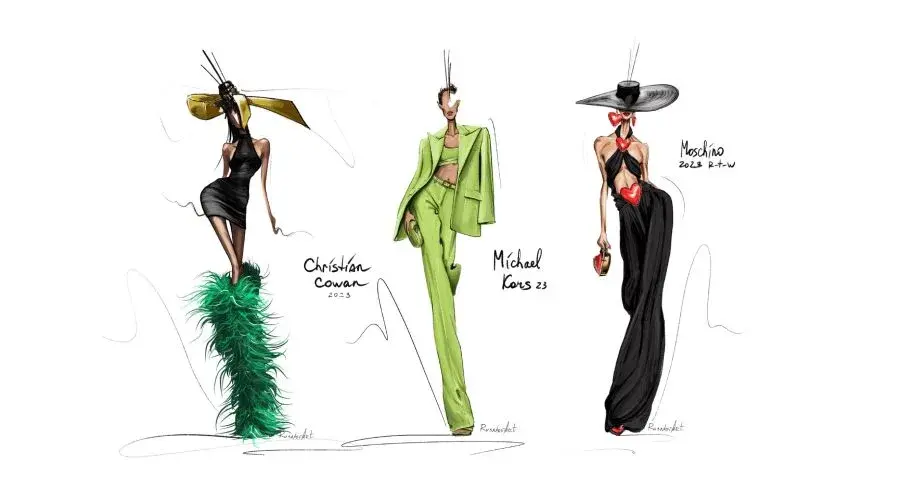
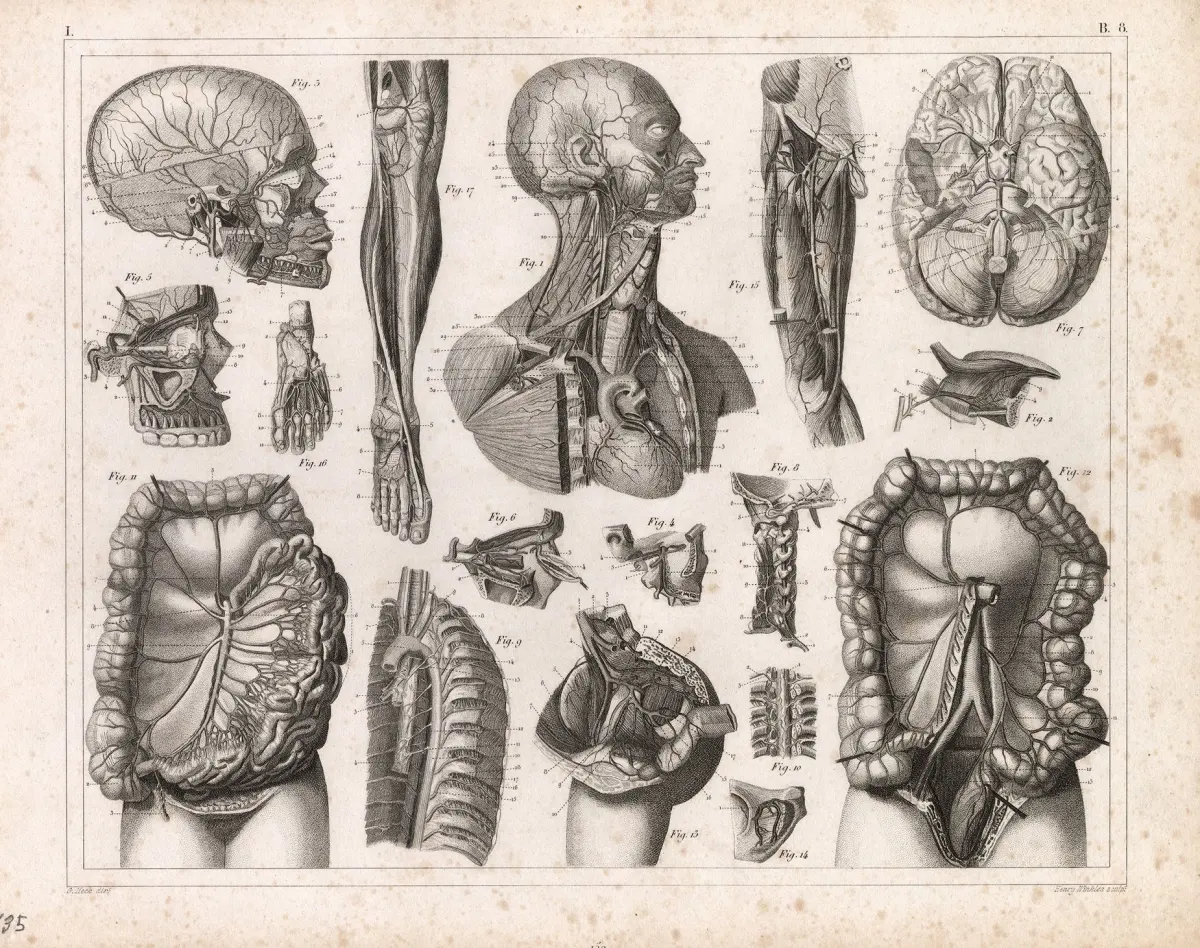
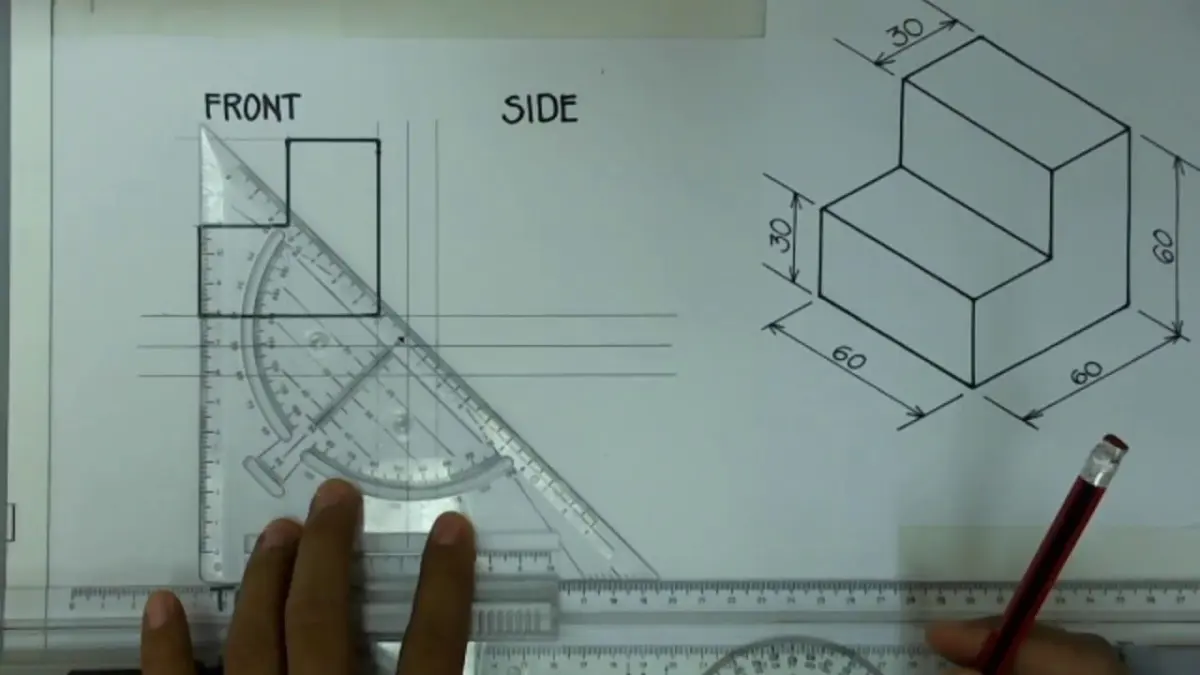
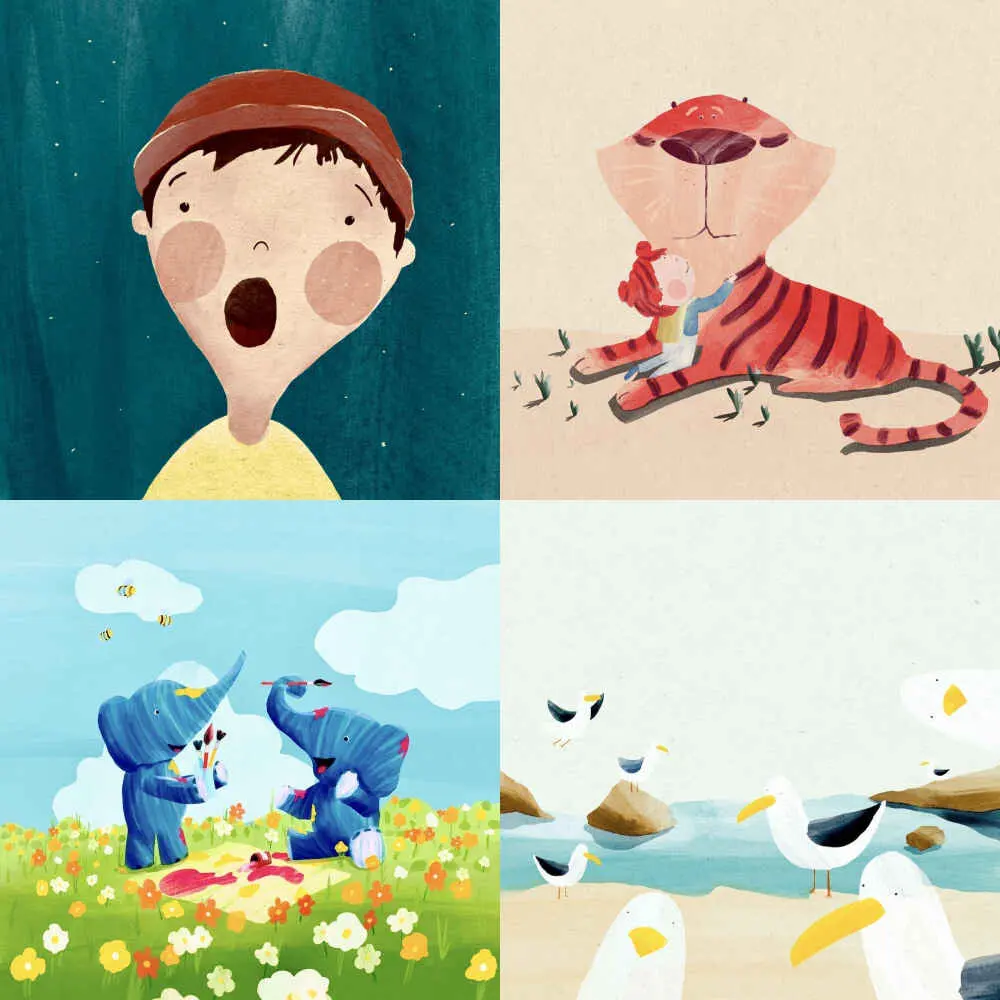
Editorial illustration is the practice of creating visual art to accompany and interpret written content in publications like magazines, newspapers, and digital news sites. Unlike advertising art, which sells a product, editorial illustration aims to clarify complex ideas, provide visual relief, or offer a unique conceptual perspective on the accompanying text.
On this page
What is the purpose of editorial illustration?
The primary goal of an editorial illustration is to enhance the reader's engagement with a piece of journalism or literature. While a photograph captures a literal moment, an illustration interprets the underlying themes, metaphors, or abstract concepts of an article. It acts as a visual hook that draws the reader into the story, often providing a point of entry for dense or technical subject matter. By distilling complex arguments into a single, compelling image, the illustrator helps the audience grasp the core message of the text more quickly.
Beyond mere decoration, these illustrations serve a functional role in page layout and design. They break up large blocks of text, creating a visual rhythm that makes reading more comfortable and less intimidating. Editors rely on these images to establish the tone of a piece, whether it is serious, satirical, or investigative. When successful, the illustration elevates the editorial content, transforming a standard article into a memorable visual experience that resonates with the reader long after they have finished the text.
How do editorial illustrators work?
The process of creating an editorial illustration is highly collaborative and time-sensitive. It typically begins with an art director assigning a brief, which includes the article’s theme, the desired mood, and a strict deadline. The illustrator then undergoes a structured workflow to ensure the final piece aligns with the publication’s vision.
- Read the article thoroughly to identify the central theme and potential visual metaphors.
- Sketch rough, thumbnail concepts to explore different angles and compositions.
- Present these sketches to the art director for feedback and approval.
- Develop the final illustration using the chosen medium, whether digital or traditional.
- Refine details and adjust colors to match the layout requirements of the publication.
This workflow requires the artist to balance their personal style with the specific constraints of the magazine or website. Because editorial cycles are often fast, illustrators must be capable of producing high-quality work within a matter of days or even hours. Effective time management is as critical to the profession as artistic skill, as missing a print deadline can disrupt an entire production schedule.
What makes a great editorial illustration?
A great editorial illustration is defined by its conceptual strength rather than just technical execution. The best examples are those that provide a "second read" of the article, revealing layers of meaning that the text alone might not convey. The image should be intellectually stimulating, forcing the reader to pause and consider the subject from a new angle. Clarity is essential; if the viewer is confused by the symbolism, the illustration fails its purpose.
Successful illustrators often employ clever visual shorthand or juxtaposition to communicate ideas. For instance, an article about economic instability might be paired with an image of a house of cards, a metaphor that is instantly recognizable and emotionally resonant. The most effective work typically avoids clichés while remaining accessible to a broad audience. By combining a strong, singular concept with a distinct visual style, the illustrator creates a piece that is both illustrative of the text and an independent work of art.
Common mistakes when creating editorial illustrations
Novice illustrators often struggle with the transition from personal art to professional editorial work. One of the most frequent errors is over-complicating the composition. When an artist tries to cram too many symbols or narrative elements into one frame, the central message becomes diluted and difficult to read at smaller sizes. Simplicity is a hallmark of professional work, as editorial images must often function effectively as small thumbnails on mobile devices or as half-page spreads in print.
Another common pitfall is failing to read the article with enough depth. If an illustrator only glances at the headline, they risk creating a generic image that lacks relevance to the actual content. This disconnect is immediately apparent to readers and undermines the credibility of the publication. To avoid these issues, illustrators should focus on the following:
- Avoid excessive detail that does not contribute to the narrative.
- Ensure the color palette complements the overall design of the publication.
- Verify that the image is legible across various platforms and screen sizes.
- Prioritize the concept over the aesthetic flair to ensure the story remains the focus.
How to get started in editorial illustration
Entering the field of editorial illustration requires a professional approach to self-promotion and portfolio development. Start by curating a portfolio that highlights your ability to solve conceptual problems rather than just showing off technical proficiency. Art directors are looking for artists who can take a complex prompt and turn it into a clear, engaging image. Focus on creating a series of "mock" assignments that demonstrate your ability to interpret articles across different genres, such as politics, culture, and science.
Networking is equally important in this industry. Reach out to art directors at magazines or websites that align with your artistic style. Keep your communication concise, professional, and focused on how your work can solve their specific design needs. Many illustrators also benefit from maintaining a strong presence on professional platforms where art directors frequently scout for new talent. Consistency is key; by building a recognizable style and maintaining a reliable professional reputation, you increase your chances of securing recurring work. The most successful illustrators are those who treat every assignment as a partnership, ensuring that their visual contributions consistently support and elevate the journalistic goals of the publication.
Key facts
- Editorial illustration is artwork commissioned to accompany and interpret the written content of a publication, such as a magazine, newspaper, or digital article.
- Unlike commercial advertising, which aims to sell a product, editorial art aims to clarify, enhance, or provide a visual metaphor for a complex journalistic story.
- Illustrators typically work under tight deadlines, often receiving a brief from an art director and delivering a final piece within 24 to 48 hours.
- A common mistake is focusing too heavily on decorative elements rather than addressing the core narrative or argument of the text.
- Effective editorial images often use visual metaphors to represent abstract concepts like politics, economics, or social trends.
- Standard industry practice involves creating a rough sketch for approval before beginning the final, high-resolution rendering to ensure the concept aligns with the editor's vision.
The bottom line
Editorial illustration serves as a vital bridge between text and reader, transforming abstract ideas into compelling visual narratives. By distilling complex journalistic themes into single, punchy images, illustrators help publications communicate more effectively. For those entering the field, mastering the balance between creative expression and meeting strict editorial deadlines is essential to building a successful career in this fast-paced and highly rewarding professional industry.
People also ask
How does editorial illustration differ from graphic design?
Graphic design focuses on the arrangement of typography, layout, and visual hierarchy to organize information. Editorial illustration creates original imagery that acts as a visual commentary on the text, rather than just organizing the page.
Do editorial illustrators need to read the entire article?
Yes, reading the full text is essential to grasp the nuance, tone, and specific arguments of the piece. Failing to understand the article often leads to superficial or inaccurate visual representations.
What is the standard process for getting an illustration published?
The process starts with an art director assigning a story, followed by the submission of thumbnail sketches for feedback. Once a sketch is approved, the illustrator completes the final artwork, which is then reviewed for any necessary adjustments before publication.
How do illustrators choose their artistic style for a project?
Style is usually a personal brand developed over time that art directors specifically seek out for certain types of stories. An illustrator should remain consistent in their aesthetic while adapting their composition to fit the specific mood of the assigned article.
What are the most common mistakes beginners make?
Beginners often overcomplicate their compositions or ignore the technical requirements, such as file dimensions and color profiles. Another frequent error is failing to communicate clearly with the art director during the sketch phase.
Is editorial illustration still relevant in the digital age?
It is highly relevant, as digital publications use custom illustrations to capture reader attention in a crowded online space. These visuals help break up long-form text and make complex digital content more engaging and shareable.
This answer was created with the help of AI research tools and reference sources. Spotted an error? Let us know — we correct mistakes quickly. See our editorial policy.