What is figure drawing?
Short answer
Figure drawing is the artistic practice of depicting the human form through observation. Artists study anatomy, proportion, and movement to capture the physical essence of a model. This discipline serves as a foundational skill in fine art, illustration, and animation, requiring a deep understanding of light, shadow, and structural volume.
On this page
What is the purpose of figure drawing?
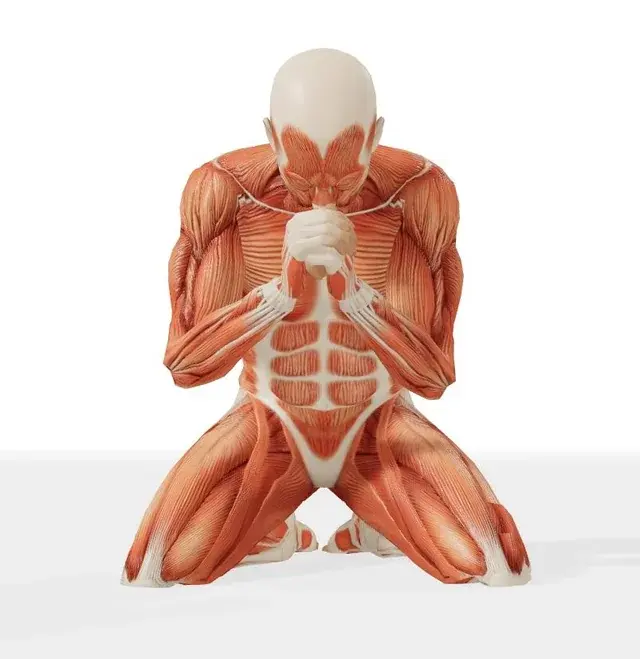
Figure drawing is the primary method for artists to develop an understanding of human anatomy and spatial relationships. By observing a live model, students learn to translate three-dimensional volumes onto a two-dimensional surface. This process emphasizes the mechanics of the body, such as how muscles stretch and bones pivot at joints, which is essential for creating believable characters.
Beyond technical skill, the practice cultivates the ability to see and interpret complex visual information. Artists must synthesize the chaotic details of skin, texture, and posture into simplified geometric forms. This training improves observational accuracy, which translates to all other forms of drawing. Whether an artist pursues realistic portraiture or stylized animation, figure drawing provides the structural grammar necessary to communicate weight, balance, and human expression effectively.
How to start figure drawing for beginners
Beginning a figure drawing practice requires minimal equipment and a focus on observation rather than detail. Most beginners start with charcoal or graphite pencils on large newsprint paper. The goal is to capture the "gesture"—the underlying movement and energy of the pose—rather than focusing on individual features like fingers or facial expressions.
- Find a local life drawing group or use online resources that provide timed poses.
- Start with short "gesture" sessions lasting 30 seconds to two minutes to build speed.
- Use light, sweeping lines to establish the spine and the tilt of the shoulders and hips.
- Gradually increase the time spent on each pose to focus on anatomy and shading.
- Practice drawing the "line of action," which is the imaginary curve that defines the flow of the entire body.
Why proportions matter in figure drawing
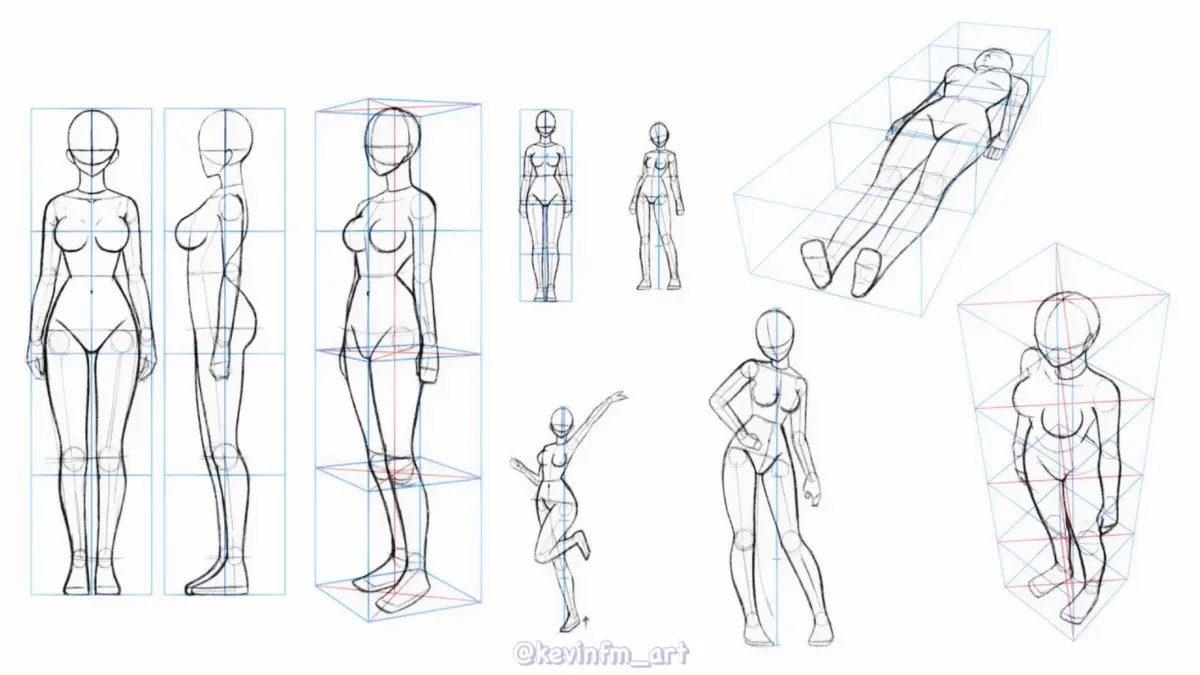
Proportion is the mathematical relationship between the different parts of the human body. Historically, artists have used the "head count" system to standardize these measurements, typically defining an average adult as being seven to eight heads tall. Understanding these ratios prevents common errors, such as drawing limbs that are too short or a torso that is disproportionate to the legs.
When the proportions are off, the drawing often feels "uncanny" or structurally unsound to the viewer. Artists should look for landmarks, such as the distance between the chin and the sternum, or the alignment of the elbows with the waist. By measuring these relationships against the size of the head, an artist can ensure the drawing maintains internal consistency, even when the subject is contorted in a difficult pose.
Common mistakes when learning figure drawing
Even experienced artists encounter recurring issues when sketching the human form. One of the most frequent errors is "symbol drawing," where the artist draws what they think a body part looks like rather than what they actually see. This leads to stiff, unnatural figures that lack the fluidity of a real human.
- Focusing on outlines instead of the internal volume of the body.
- Neglecting the "contrapposto," or the natural tilt of the hips and shoulders that creates balance.
- Over-detailing the drawing before the underlying structure is correctly established.
- Ignoring the negative space around the model, which helps define the silhouette.
- Failing to use the entire page, resulting in figures that look cramped or disconnected from the paper's edges.
How long does it take to master figure drawing?
Mastery in figure drawing is a lifelong pursuit, as the human body offers infinite variations in movement, age, and perspective. Most artists notice significant improvement within the first six months of consistent weekly practice. However, reaching a professional level of anatomical accuracy and expressive fluidity often requires years of dedicated study and hundreds of hours of live observation.
Progression usually occurs in stages, starting with basic stick figures and moving toward complex renderings involving light, shadow, and foreshortening. Advanced students eventually move beyond simple observation to incorporate personal style and emotional narrative into their work. Because the human body is the most complex subject an artist can tackle, the learning process never truly concludes, as every new pose presents a unique challenge in weight distribution, muscle tension, and structural composition.
Key facts
- Figure drawing is the artistic representation of the human form in any of its various shapes and postures.
- The practice relies on observational skills to translate three-dimensional volume onto a two-dimensional surface.
- Artists typically use charcoal, graphite, or conté crayons to capture both the gesture and the structural anatomy of a model.
- Gesture drawing involves rapid, fluid sketches, often lasting between 30 seconds and 5 minutes, to capture movement.
- Mastering human proportions is essential, with the standard academic canon measuring the body as roughly 7.5 to 8 heads tall.
- Avoid focusing on small details like eyes or fingers before establishing the overall silhouette and weight distribution of the pose.
The bottom line
Figure drawing is the foundational practice of observing and rendering the human body. By prioritizing the gesture and structural proportions over surface details, artists develop a profound understanding of form and movement. Whether working in quick, energetic bursts or methodical long sessions, the discipline sharpens your eye and hand coordination, enabling you to translate the complexity of human anatomy into compelling, balanced, and expressive visual art.
People also ask
Do I need to know anatomy to start figure drawing?
You do not need to be a medical expert, but understanding basic skeletal landmarks and muscle groups helps improve accuracy. Learning where bones like the pelvis and ribcage sit will prevent your drawings from looking distorted or disconnected.
What is the best way to practice figure drawing at home?
Use online resources that provide timed figure drawing sessions, which simulate a live studio environment. Set a timer for short intervals to force yourself to focus on the overall shape rather than perfecting minor details.
How do I improve my observation skills?
Spend more time looking at the model than looking at your paper. Try looking at the subject for ten seconds before drawing a single line to internalize the pose's energy and structure.
Why do my drawings look stiff or unnatural?
Stiffness often results from drawing outlines rather than focusing on the "line of action" that runs through the spine. Ensure the weight of the figure is shifted onto one leg to create a more dynamic, natural posture.
What is the difference between a gesture drawing and a long pose?
A gesture drawing prioritizes the flow, rhythm, and emotional energy of the figure in a very short time. A long pose allows the artist to refine structural details, lighting, shading, and anatomical precision over several hours.
Can I use a mirror to practice figure drawing?
Using a mirror is an excellent way to study your own anatomy and practice foreshortening. It allows you to observe how limbs change shape as they move toward or away from the viewer.
This answer was created with the help of AI research tools and reference sources. Spotted an error? Let us know — we correct mistakes quickly. See our editorial policy.