What does an illustrator do?
Short answer
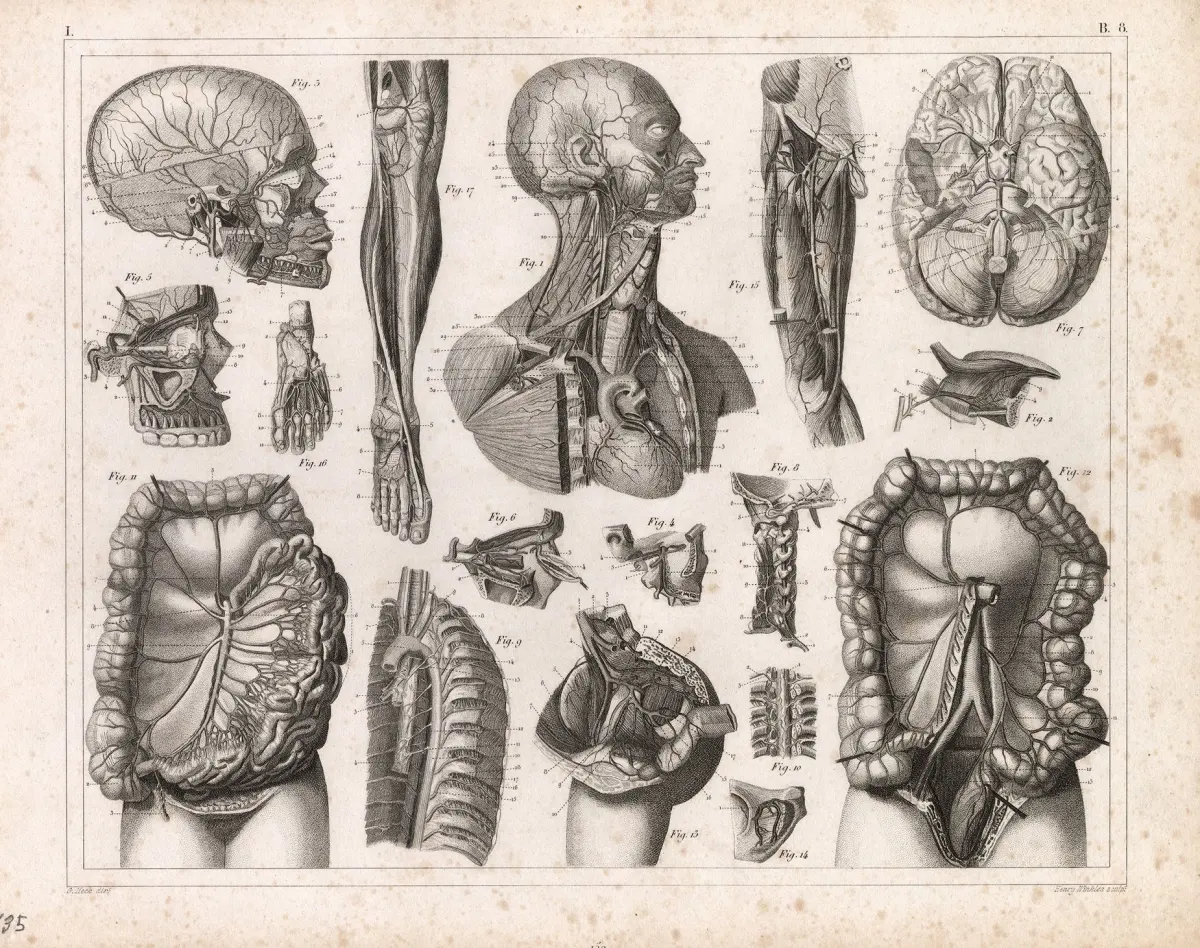
An illustrator is a visual artist who creates original imagery to clarify, decorate, or narrate specific concepts for clients. They work across diverse media, including books, advertising, editorial, and digital platforms. By combining technical drawing skills with conceptual thinking, they translate complex ideas into compelling visual stories that communicate effectively with audiences.

On this page
What does an illustrator actually do?
Illustrators are professional communicators who use visual art to convey messages, emotions, or information. Unlike fine artists, who often create work based on personal expression, illustrators work to fulfill a client's specific requirements. Their primary goal is to solve a problem, such as explaining a scientific process in a textbook, enhancing a magazine article, or branding a new product. They must balance their unique artistic style with the functional needs of the project, ensuring the final image is both aesthetically pleasing and easy to understand.
The work process usually involves several distinct stages. First, the illustrator receives a creative brief detailing the project's scope, target audience, and deadline. They then conduct research, sketch initial concepts, and refine the composition before moving to the final rendering phase. Whether working in traditional media like watercolor and ink or digital software like Adobe Illustrator and Procreate, the illustrator must ensure the final output aligns with the client’s brand identity and technical specifications.
How to become a professional illustrator
Becoming a professional illustrator requires a blend of formal training, consistent practice, and business acumen. While some illustrators are self-taught, many attend art schools or universities to earn degrees in illustration or graphic design. These programs provide structured environments to develop foundational skills, such as anatomy, color theory, lighting, and composition. Beyond technical training, aspiring illustrators must build a professional portfolio that showcases their best work and defines their unique visual voice.
Developing a career involves more than just drawing; it requires active networking and marketing. Successful illustrators often follow these steps to establish themselves in the industry:
- Build a cohesive portfolio featuring 10 to 15 high-quality pieces that demonstrate a specific style.
- Create a professional website or digital presence to host work and contact information.
- Research potential clients, such as publishing houses, magazines, or design agencies.
- Reach out to art directors with personalized emails and samples of relevant work.
- Join professional organizations to stay updated on industry trends and legal standards.
What tools do modern illustrators use?
The tools of the trade have evolved significantly, though the choice between traditional and digital methods remains a personal preference. Traditional illustrators rely on physical materials such as graphite pencils, charcoal, acrylic paints, gouache, and high-quality paper. These tools offer a tactile experience and unique textures that are difficult to replicate. Many artists now use a hybrid approach, creating initial sketches by hand and then scanning them to finalize the work digitally.
Digital illustration has become the industry standard for most commercial projects due to its efficiency and flexibility. Key tools include:
- Graphics tablets or pen displays that allow for direct drawing on a screen.
- Vector software for scalable, clean lines and logo design.
- Raster software for detailed painting, texture work, and photo manipulation.
- Cloud storage systems for managing large files and collaborating with remote clients.
- Stylus pens with pressure sensitivity to mimic the feel of physical brushes.
Common mistakes when starting an illustration career
One of the most frequent errors beginners make is failing to specialize or define a target market. Trying to be a "jack-of-all-trades" often leads to a portfolio that feels unfocused, making it difficult for art directors to know how to hire you. Another common mistake is neglecting the business side of the profession. Many new illustrators focus entirely on their craft while ignoring the importance of contracts, copyright laws, and proper pricing. Failing to protect your intellectual property or working without a signed agreement can lead to significant financial loss and professional frustration.
Additionally, beginners often struggle with the feedback process. It is vital to learn how to separate personal identity from professional work. When a client requests changes, it is rarely a critique of the artist's talent, but rather a request to better align the work with the project's goals. Avoiding these pitfalls requires a shift in mindset:
- Do not ignore the importance of contracts or usage rights.
- Avoid copying the styles of others; focus on developing your own perspective.
- Do not underprice your work, as this devalues the industry for everyone.
- Remember that meeting deadlines is just as important as the quality of the art.
How long does it take to complete an illustration?
The timeline for an illustration project varies wildly depending on the complexity, medium, and the number of revisions required. A simple spot illustration for a blog post might take a few hours, while a fully rendered book cover or a complex editorial spread could take several days or even weeks. Professional illustrators must be adept at estimating their time accurately to ensure they remain profitable. They often include "buffer time" in their schedules to account for unexpected technical issues or multiple rounds of client feedback.
To manage time effectively, experienced illustrators often break down their projects into manageable phases. By setting internal milestones for sketching, refining, and final production, they can maintain a steady workflow. It is important to communicate clearly with clients about these timelines from the outset. Providing a schedule helps manage expectations and ensures that the final delivery meets the project deadline without sacrificing quality. Ultimately, the speed of an illustrator improves with experience, as they develop more efficient habits and master their chosen software or medium.
Key facts
- Illustrators create visual representations to clarify, decorate, or communicate ideas for books, advertisements, and digital media.
- Most professionals now use digital software like Adobe Photoshop, Procreate, or Illustrator to produce their final artwork.
- A strong portfolio is the primary requirement for securing work, often outweighing formal degrees in the creative industry.
- Freelance illustrators typically spend 50% of their time on administrative tasks like invoicing, marketing, and client communication.
- Copyright laws protect an illustrator's original work, meaning they generally retain ownership unless they sign a "work-for-hire" contract.
- Successful illustrators often specialize in a niche, such as medical illustration, fashion design, or children’s book publishing.
The bottom line
An illustrator serves as a visual storyteller, transforming abstract concepts into tangible images that engage audiences across various media. By mastering both artistic fundamentals and professional business practices, they navigate a competitive field that demands constant adaptation. Whether working for major publishing houses or independent brands, an illustrator’s primary value lies in their unique perspective and ability to communicate complex ideas through compelling, high-quality visual art.
People also ask
What is the difference between an illustrator and a graphic designer?
An illustrator focuses on creating original imagery, such as drawings or paintings, to convey a specific narrative or concept. A graphic designer primarily focuses on the layout, typography, and arrangement of existing elements to solve visual communication problems.
Do illustrators need to know how to draw by hand?
While many illustrators possess strong traditional drawing skills, digital tools now allow for a wide range of techniques. Understanding fundamental principles like composition, perspective, and color theory is far more critical than the specific medium used.
How do illustrators set their pricing for projects?
Pricing is often based on the complexity of the project, the usage rights granted, and the illustrator's experience level. Many professionals use flat fees for specific tasks or hourly rates for ongoing editorial work.
What is the most important part of an illustrator's portfolio?
A portfolio should feature 10 to 15 high-quality pieces that demonstrate a consistent style and technical proficiency. It must show potential clients exactly what kind of work they can expect to receive if they hire you.
How do illustrators find new clients?
Networking, maintaining an active social media presence, and reaching out directly to art directors are the most effective strategies. Many illustrators also use online platforms like Behance or Dribbble to showcase their work to a global audience.
What are common mistakes beginners make?
Beginners often fail to communicate clearly about deadlines, neglect to use contracts, or try to mimic too many styles at once. Failing to define the scope of a project in writing is a frequent error that leads to unpaid extra work.
This answer was created with the help of AI research tools and reference sources. Spotted an error? Let us know — we correct mistakes quickly. See our editorial policy.