How do you shade clouds?
Short answer
Shading clouds requires observing light sources and layering values to create depth. By identifying the light direction, you can apply soft shadows to the undersides and shadowed crevices of a cloud. Use gradual transitions, blending edges to mimic the diffused, vaporous nature of water droplets suspended in the atmosphere.
On this page
How to identify light sources on clouds
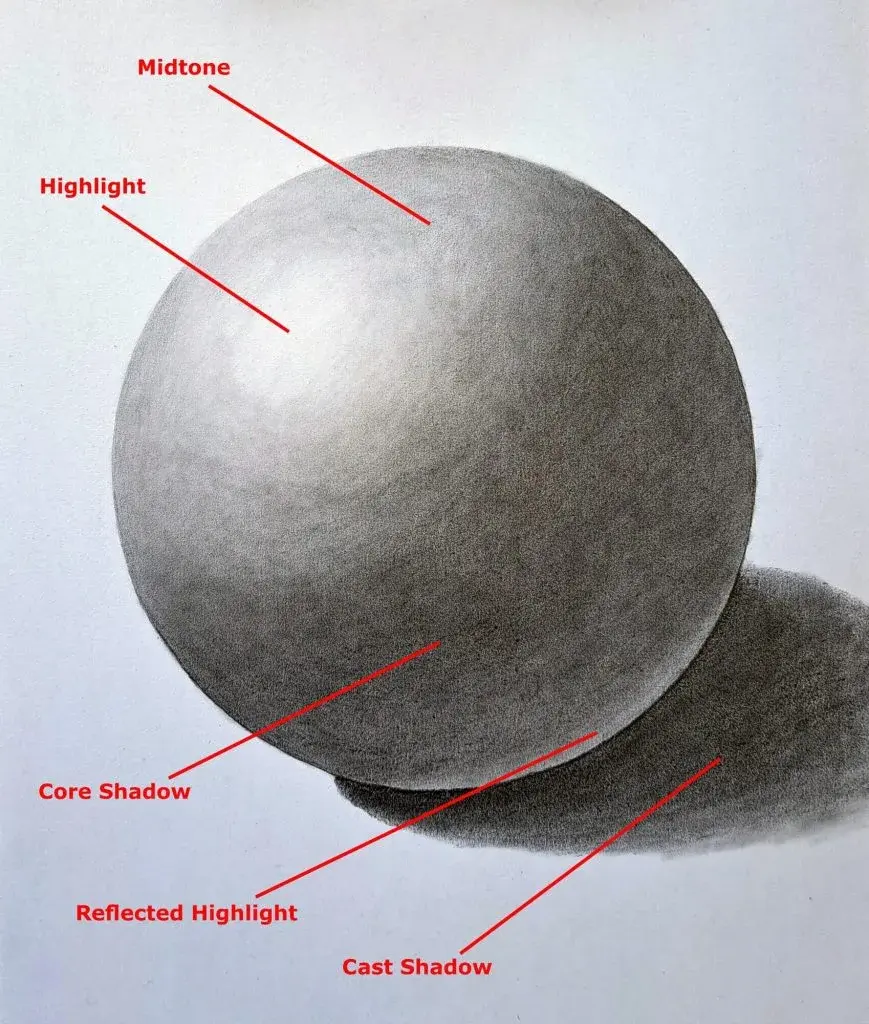
Clouds are three-dimensional volumes that interact with sunlight in predictable ways. To shade them effectively, you must first establish the position of the sun or moon relative to the cloud mass. The side of the cloud closest to the light source will be the brightest, often appearing as a crisp, white highlight, while the side facing away will contain the deepest shadows. Most clouds are illuminated from above, meaning the base is almost always the darkest part of the formation.
When observing clouds, notice how light scatters through the water vapor. This phenomenon, known as Mie scattering, causes light to diffuse, meaning shadows on clouds are rarely harsh or defined. Instead, they transition smoothly from light to dark. To capture this, avoid using sharp lines. Use soft-edged brushes or blending tools to ensure the transition between the highlight and the core shadow remains subtle and organic.
Best shading techniques for beginners
Beginners often struggle with the tendency to shade clouds using gray tones that appear muddy or flat. To keep your clouds looking vibrant, incorporate subtle shifts in color rather than just adjusting the brightness. For example, shadows in a white cloud often lean toward cool blues or purples, reflecting the color of the sky, while highlights may catch warm, golden tones during sunrise or sunset.
- Establish a base mid-tone color for the entire cloud shape.
- Identify the light source and apply a lighter tone to the top, rounded surfaces.
- Use a darker, cooler hue to shade the bottom areas and the dense center of the cloud.
- Soften all edges using a circular motion to blur the transition between light and shadow.
- Add small, high-contrast highlights on the very top of the cloud to suggest texture and depth.
Why clouds have soft shadows
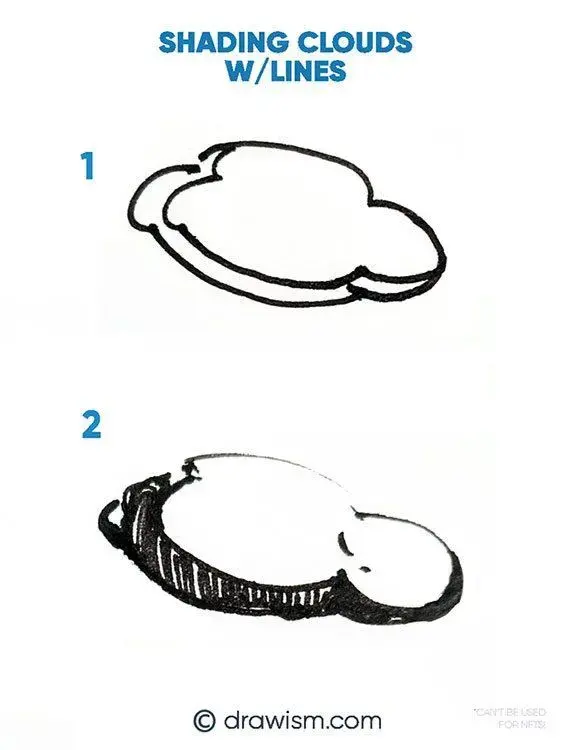
The softness of a cloud’s shadow is a direct result of its physical composition. Clouds are composed of billions of tiny water droplets or ice crystals that act as a translucent medium. As light enters the cloud, it bounces around internally, scattering in multiple directions before exiting. This internal diffusion prevents light from casting hard, distinct shadows like those seen on solid objects such as rocks or buildings.
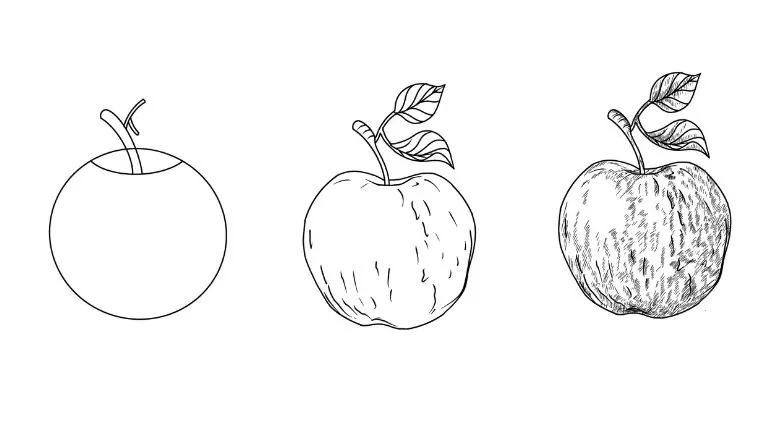
Because of this internal scattering, the shadows within a cloud are often referred to as "ambient occlusion" zones. These are the areas where light has the most difficulty penetrating, such as the deep crevices between billowing tufts. When shading these areas, focus on creating a sense of volume. Think of the cloud as a cluster of spheres; each individual puff has its own light side and shadow side, which contributes to the overall complexity of the larger formation.
Common mistakes when shading clouds
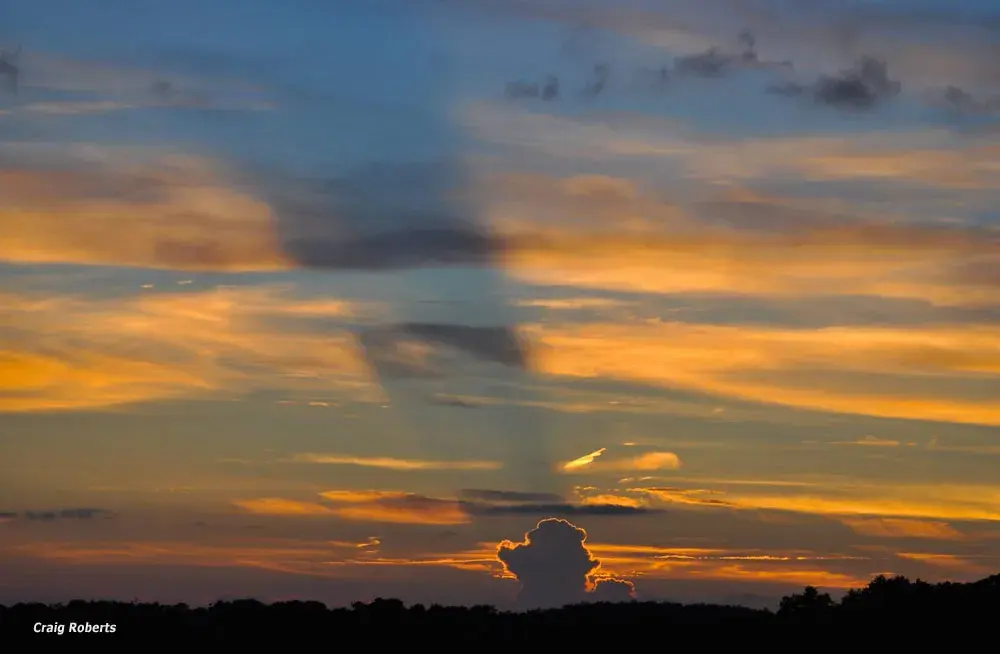
One of the most frequent errors is over-shading, which makes clouds look heavy, solid, or metallic rather than airy and light. If you apply too much dark pigment, the cloud loses its sense of transparency and starts to resemble a heavy stone or a smoke plume. Always start with lighter values and build up the shadow gradually. It is much easier to darken a cloud than it is to lift pigment once it has been applied.
Another common mistake is failing to account for the cloud’s perspective. As clouds recede toward the horizon, they lose detail and contrast. Artists often make the mistake of applying the same level of shadow intensity to distant clouds as they do to those directly overhead. Remember these rules to maintain atmospheric perspective:
- Reduce the contrast between highlights and shadows as the cloud moves further away.
- Use cooler, desaturated colors for distant clouds to mimic the effect of the atmosphere.
- Keep the edges of distant clouds much softer and less defined than those in the foreground.
How to add texture and depth
To move beyond basic shading, you must introduce texture to your cloud forms. Clouds are rarely perfectly smooth; they have wispy edges and complex, cauliflower-like structures. Use a stippling technique or a textured brush to create small, irregular bumps along the shadow edges. This suggests the chaotic, turbulent nature of air currents that shape the cloud's exterior.
Layering is the final step in achieving a professional look. By adding multiple thin, translucent layers of shadow, you create a sense of depth that suggests the cloud has significant thickness. This technique mimics the way light fades as it penetrates deeper into the cloud mass. By focusing on the interplay between light and shadow, you can transform a flat, white shape into a realistic, three-dimensional object that appears to float convincingly within the sky.
Key facts
- Clouds are not solid objects; they are collections of water droplets or ice crystals that scatter light in all directions.
- The base of a cloud is usually darker because it receives less direct sunlight and is often in its own shadow.
- Use a cool, desaturated blue or grey for shadows rather than pure black to keep the cloud looking airy and realistic.
- The brightest part of a cloud is typically the top or the edges where the sun hits directly, known as the highlight.
- Soft, rounded edges are essential for clouds, as sharp lines make them appear heavy or metallic rather than vaporous.
- Vary your brush pressure or pencil strokes to create soft gradients, as clouds rarely have hard, defined edges.
The bottom line
Shading clouds effectively requires an understanding of light diffusion and soft-edged transitions. By using desaturated cool tones for shadows and avoiding harsh, dark outlines, you can capture the ethereal nature of water vapor. Always identify your primary light source to maintain consistent highlights and volume. With practice, layering these soft gradients will transform simple white shapes into realistic, three-dimensional clouds that appear to float naturally.
People also ask
Why do clouds look grey instead of white?
Clouds appear grey when they become thick enough to block most of the sunlight from passing through them. The density of the water droplets scatters the light, causing the bottom of the cloud to appear shadowed and dark.
Should I use black to shade clouds?
You should avoid using pure black for shading because it makes clouds look dirty or solid. Instead, mix a deep blue, purple, or warm grey into your white or light grey base to create a more natural, atmospheric shadow.
How do I create depth in a cloud painting?
Depth is created by layering different values of light and shadow to show volume. Place the darkest shadows toward the center or base of the cloud mass while keeping the edges soft and bright to suggest light wrapping around the form.
What is the best way to blend cloud shadows?
Use a soft-bristled brush or a blending stump to gently smudge the edges of your shadows into the highlights. The goal is to create a seamless transition that mimics the way light diffuses through water vapor.
Do clouds have a light source?
Yes, clouds always have a light source, usually the sun, which dictates where the highlights and shadows fall. If the sun is low on the horizon, the shadows will be elongated and warmer in tone compared to a high-noon sun.
How do I keep clouds from looking flat?
To avoid flatness, focus on the three-dimensional shape of the cloud by treating it like a sphere or a cluster of spheres. By consistently applying highlights on one side and shadows on the other, you define the cloud's volume.
This answer was created with the help of AI research tools and reference sources. Spotted an error? Let us know — we correct mistakes quickly. See our editorial policy.