What is masking tape in art used for?
Short answer
Masking tape is a pressure-sensitive adhesive strip used in art to create crisp, clean edges, protect specific areas from paint or ink, and secure paper to drawing boards. It allows artists to achieve geometric precision, manage color boundaries, and prevent unwanted pigment transfer while maintaining the integrity of the underlying surface.
On this page
How to use masking tape for clean edges
Achieving sharp, professional lines in watercolor or acrylic painting requires careful application of masking tape. The tape acts as a physical barrier, blocking paint from bleeding into areas that should remain white or a different color. By pressing the edges firmly against the paper, you ensure that the adhesive creates a seal that prevents liquid media from seeping underneath.
To achieve the best results, follow these professional steps:
- Lay the tape down on a dry, clean surface to ensure optimal adhesion.
- Use a burnishing tool or your fingernail to press along the interior edge of the tape, sealing it completely against the paper fibers.
- Apply a thin layer of the background color over the edge of the tape to "seal" it before adding deeper pigment.
- Remove the tape only after the paint is completely dry to prevent tearing the paper or smearing the wet medium.
Why artists prefer low-tack tape
Not all masking tapes are suitable for fine art applications. Standard hardware store masking tape often features a high-tack adhesive that can rip delicate paper fibers or leave behind a sticky residue when removed. Artists typically prefer "artist’s tape" or specialized "low-tack" drafting tape, which is designed to be removed easily without damaging the substrate.
These specialized tapes are usually acid-free, meaning they will not yellow or degrade the artwork over time. When choosing the right tape for a project, consider the following factors:
- The weight and texture of your paper; heavier, cold-press papers handle stronger adhesives better than smooth, hot-press papers.
- The drying time of your medium; longer drying times may require a tape with a more stable adhesive that won't lose its grip.
- The desired longevity of the piece; archival-quality tape is essential for work intended for long-term display or sale.
How to prevent paper tearing during removal
One of the most common frustrations for artists is discovering that tape has pulled up the top layer of their paper. This usually occurs because the adhesive bond is stronger than the paper's surface sizing. To mitigate this risk, you can reduce the tackiness of the tape before applying it to your artwork by sticking it to your clothing or a clean fabric surface once or twice first.
When it is time to remove the tape, the angle and speed of your pull are critical. Always pull the tape away from the painted area at a 45-degree angle rather than pulling it straight up or toward the paint. This technique reduces the tension on the paper surface and minimizes the risk of accidental tearing. If the tape feels particularly stuck, applying gentle heat with a hair dryer can soften the adhesive and make removal significantly safer for your work.
Common mistakes when using masking tape
Many beginners make the mistake of leaving tape on a painting for too long. If left in place for several days or weeks, the adhesive can bond permanently to the paper, making it impossible to remove without causing damage. Always remove the tape as soon as your painting process is finished and the piece is dry. Another frequent error is using tape on surfaces that are not completely clean; dust or oil from your hands can prevent the tape from sticking, leading to paint bleeds.
Avoid these common pitfalls to keep your artwork pristine:
- Applying tape to wet paint, which ruins the crisp edge and causes the tape to buckle.
- Using tape that has been exposed to extreme heat or sunlight, which causes the adhesive to degrade and become gummy.
- Stretching the tape as you apply it, which causes it to pull back and warp the paper as it tries to return to its original shape.
Best masking tape techniques for beginners
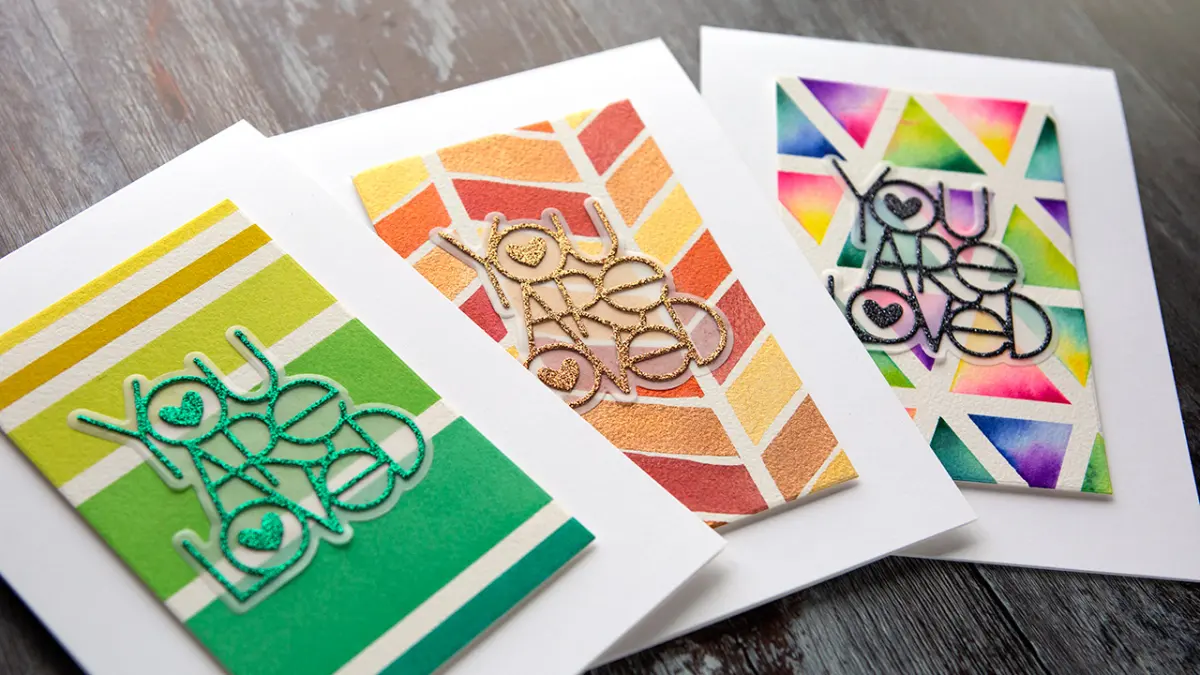
For those new to painting, masking tape is an excellent tool for learning how to manage color boundaries and composition. You can use it to create "negative space" designs, where you tape off shapes before painting the entire sheet, then peel the tape away to reveal pristine white silhouettes. This is a foundational technique in both watercolor and gouache painting, allowing for complex geometric patterns without needing a steady hand.
Beyond simple edges, experiment with overlapping pieces of tape to create layered, abstract textures. By masking off different sections at different times, you can build up multiple layers of color and depth in your work. Remember that practice is essential; try applying tape to scrap paper first to test how it interacts with your specific paints and brushes. Once you master the timing of application and removal, masking tape becomes an indispensable part of your creative toolkit, enabling precision that would be difficult to achieve through freehand painting alone.
Key facts
- Masking tape is a pressure-sensitive adhesive tape made of thin, easy-to-tear paper with a rubber-based adhesive.
- Artists primarily use it to create crisp, clean edges when painting with watercolors, acrylics, or gouache.
- It is essential for "stretching" watercolor paper, which prevents the paper from buckling or warping when wet.
- Low-tack varieties, often labeled as "artist tape" or "drafting tape," are designed to be removed without tearing paper fibers.
- Applying heat with a hair dryer can soften the adhesive, making it easier to remove tape that has been stuck for a long time.
- Always remove masking tape at a 45-degree angle away from the painted edge to prevent paint from peeling or chipping.
The bottom line
Masking tape is an indispensable tool for artists, serving as both a protective barrier for clean edges and a structural aid for paper preparation. By choosing the correct low-tack adhesive and applying it with care, you can achieve professional results without damaging your work. Mastering the timing of tape removal is the most critical skill for ensuring your final piece remains pristine and free of adhesive residue.
People also ask
Can I use regular hardware store masking tape for fine art?
It is generally discouraged because hardware store tape has a high-tack adhesive that can rip delicate paper surfaces. Always look for "artist grade" or "low-tack" tape to ensure your artwork remains undamaged upon removal.
How long can I leave masking tape on a painting?
You should remove the tape as soon as the paint is dry to the touch. Leaving it on for more than 24 hours increases the risk of the adhesive bonding permanently to the paper.
Does masking tape leave a sticky residue behind?
High-quality artist tapes are formulated to leave no residue. If you encounter stickiness, it is usually because the tape was left on too long or was exposed to extreme heat.
Should I press the tape down firmly before painting?
Yes, use your fingernail or a burnishing tool to seal the edges of the tape against the paper. This prevents paint from seeping underneath, which is the most common cause of "bleeding" edges.
Can I use masking tape to hold a canvas in place?
While it can hold a canvas temporarily, it is not a structural adhesive. Use clips or a dedicated easel for securing canvases to avoid the tape peeling away under tension.
What is the difference between drafting tape and masking tape?
Drafting tape is specifically designed for technical drawings and is much less sticky than standard masking tape. It is the safest choice for fragile paper surfaces and archival projects.
This answer was created with the help of AI research tools and reference sources. Spotted an error? Let us know — we correct mistakes quickly. See our editorial policy.