Why do ears pop on a plane?
Short answer
Ears pop because of rapid changes in cabin air pressure during takeoff and landing. This pressure differential creates a vacuum or excess force against the eardrum. The Eustachian tube, which connects the middle ear to the back of the throat, must open to equalize this pressure, resulting in the characteristic popping sensation.
On this page
Why do ears pop on a plane?
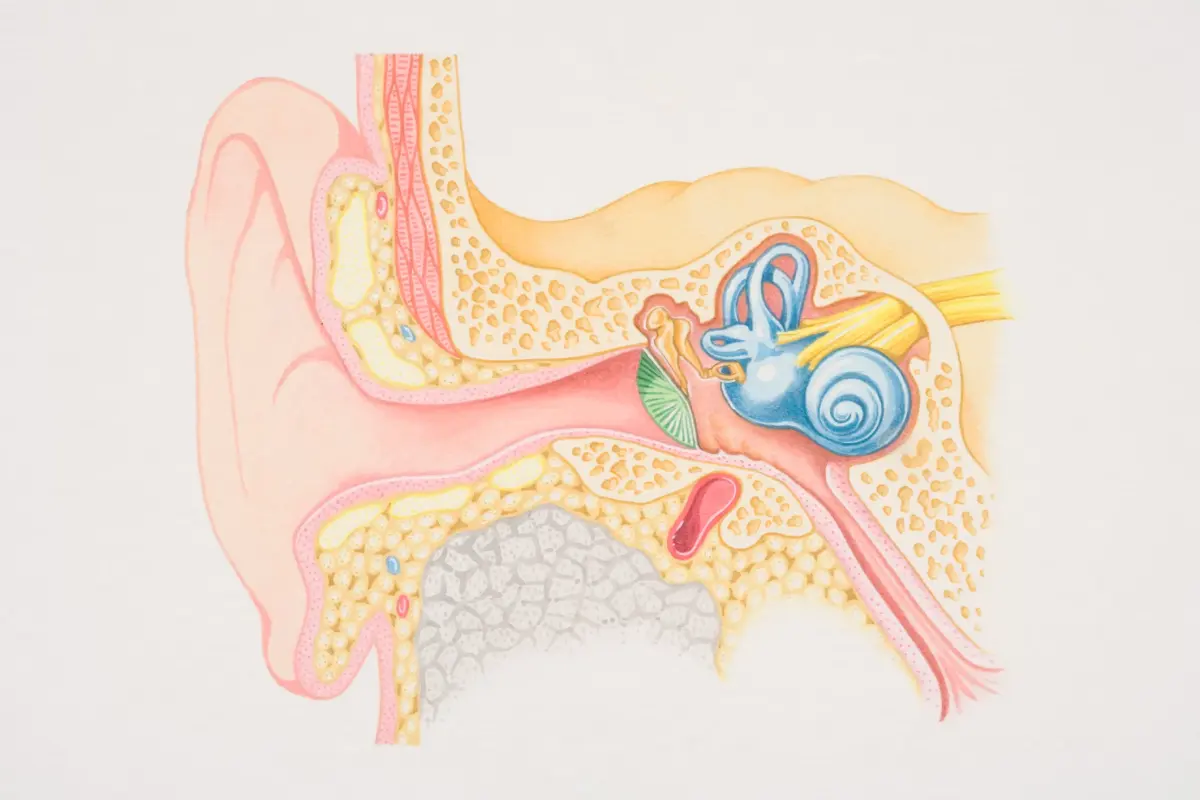
The human ear is divided into three sections: the outer, middle, and inner ear. The middle ear is an air-filled cavity separated from the outside environment by the eardrum. Under normal conditions, the pressure inside this cavity matches the atmospheric pressure outside. When an aircraft climbs or descends, the external air pressure changes quickly, while the pressure inside the middle ear remains constant.
This disparity creates a physical force that pushes or pulls on the eardrum. To alleviate this, the Eustachian tube—a narrow passage connecting the middle ear to the upper throat—must open to allow air to flow in or out. When the tube opens, air rushes through to balance the pressure, causing the eardrum to snap back into its neutral position. This sudden movement is the "pop" you hear and feel. If the tube remains blocked, the pressure differential can lead to discomfort, muffled hearing, or even sharp pain.
How to equalize ear pressure
Equalizing pressure, commonly referred to as "popping your ears," involves manually encouraging the Eustachian tubes to open. This is most effective during the descent phase of a flight, when the cabin pressure increases as the plane moves toward lower altitudes. By stimulating the muscles around the throat, you can force the tubes to equalize the pressure more frequently than they would on their own.
There are several proven techniques to achieve this:
- The Valsalva maneuver: Pinch your nostrils shut, close your mouth, and gently exhale against your closed nose.
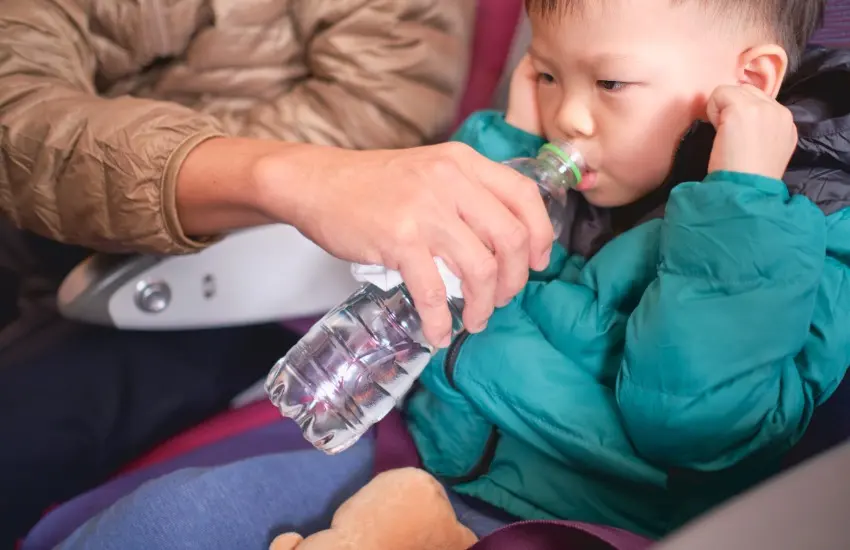
- The Toynbee maneuver: Pinch your nostrils shut and swallow while drinking a small amount of water.
- Jaw movement: Yawn widely or chew gum to activate the muscles that pull the Eustachian tubes open.
- Swallowing: Use a drink or saliva to trigger the natural swallowing reflex.
Best ways to prevent ear pain
Prevention is often more effective than trying to fix ear pain once it has already started. The most critical time to focus on your ears is during the final 30 to 45 minutes of a flight, as this is when the cabin pressure changes most rapidly. Preparing your body by staying hydrated and keeping the Eustachian tubes clear can significantly reduce the risk of discomfort.
For travelers who are prone to ear pain, consider these proactive steps:
- Stay awake during the descent so you can actively manage your ear pressure.
- Use specialized pressure-regulating earplugs, which contain a small filter to slow the rate of pressure change against the eardrum.
- If you have a cold or sinus infection, consult a physician about using a decongestant nasal spray about 30 minutes before landing.
- Avoid sleeping during the descent, as the swallowing reflex occurs less frequently while you are asleep, making it harder for your ears to adjust.

Common mistakes when clearing ears
Many travelers inadvertently make the situation worse by using aggressive methods or ignoring the symptoms until they become painful. One of the most frequent errors is performing the Valsalva maneuver too forcefully. Blowing too hard can cause injury to the delicate eardrum or force mucus from the throat into the middle ear, potentially leading to an infection. Always use gentle, controlled pressure when attempting to equalize.
Another common mistake is waiting too long to act. Once the pressure differential becomes significant, the Eustachian tubes may become inflamed or "locked" shut, making it much harder to open them. It is better to perform small, frequent equalization maneuvers throughout the entire descent rather than waiting for the sensation of pain to begin. Additionally, avoid using decongestants or nasal sprays without medical advice, as some can cause a "rebound effect" that leaves your nasal passages more congested than they were initially.
When to see a doctor for ear issues
While ear popping is a normal physiological response to altitude changes, it can occasionally lead to more serious conditions. If you experience persistent pain, hearing loss, or a feeling of fluid in the ear that lasts for more than a few hours after landing, you should seek medical attention. These symptoms may indicate barotrauma, which occurs when the pressure difference is severe enough to cause inflammation or damage to the eardrum.
Children are particularly susceptible to ear pain because their Eustachian tubes are smaller and more horizontal, making them harder to open. If a child continues to cry or complain of ear pain long after the flight has ended, it is advisable to visit a pediatrician. In rare cases, severe barotrauma can lead to a perforated eardrum, which typically heals on its own but requires professional monitoring to ensure no infection develops. Always prioritize your ear health if you travel frequently, as chronic pressure issues can lead to long-term discomfort or recurring sinus problems.
Key facts
- The middle ear is an air-filled space separated from the outside environment by the eardrum.
- Eustachian tubes connect the middle ear to the back of the throat to equalize pressure.
- Rapid changes in altitude cause the air pressure outside the ear to drop or rise faster than the pressure inside.
- Swallowing or yawning forces the Eustachian tubes to open, allowing air to move in or out of the middle ear.
- Chewing gum or sucking on hard candy stimulates the saliva production that triggers frequent swallowing.
- Forcefully blowing against a pinched nose, known as the Valsalva maneuver, can cause injury if done too aggressively.
The bottom line
Ears pop because the air pressure inside your middle ear must match the changing pressure of the airplane cabin. When the Eustachian tubes fail to equalize this pressure quickly, the eardrum stretches, causing discomfort. By actively swallowing, yawning, or using controlled techniques during takeoff and landing, you can keep these pathways open, ensuring your ears adjust smoothly to the shifting altitude throughout your flight.
People also ask
Why do ears feel blocked after the flight has landed?
The Eustachian tubes may remain constricted or blocked by mucus, preventing the middle ear from adjusting to the higher pressure on the ground. This creates a vacuum effect that keeps the eardrum pulled inward until the pressure is equalized.
Is it dangerous to sleep during takeoff and landing?
Sleeping prevents you from swallowing frequently, which is necessary to keep your ears equalized as cabin pressure changes. This can lead to significant discomfort or even temporary hearing loss if the pressure difference becomes extreme.
Do children experience more ear pain than adults on planes?
Children have smaller, more horizontal Eustachian tubes that are less efficient at opening to equalize pressure. This anatomical difference makes them more susceptible to "airplane ear" and related pain during descent.
Can decongestants help prevent ear pain?
Over-the-counter decongestants can reduce swelling in the nasal passages, which may help the Eustachian tubes function more effectively. It is best to consult a physician before using these medications, especially for children or those with underlying health conditions.
What is the Valsalva maneuver and how do I do it safely?
This involves pinching your nostrils shut, closing your mouth, and gently blowing air into the back of your throat. You must use very light pressure to avoid damaging the delicate structures of the middle ear or the eardrum.
Why is it harder to clear my ears when I have a cold?
Colds, sinus infections, or allergies cause inflammation and mucus buildup that physically block the Eustachian tubes. Because the tubes cannot open properly, the pressure in the middle ear cannot be regulated, leading to intense pain.
This answer was created with the help of AI research tools and reference sources. Spotted an error? Let us know — we correct mistakes quickly. See our editorial policy.