How long do jaguars live?
Short answer
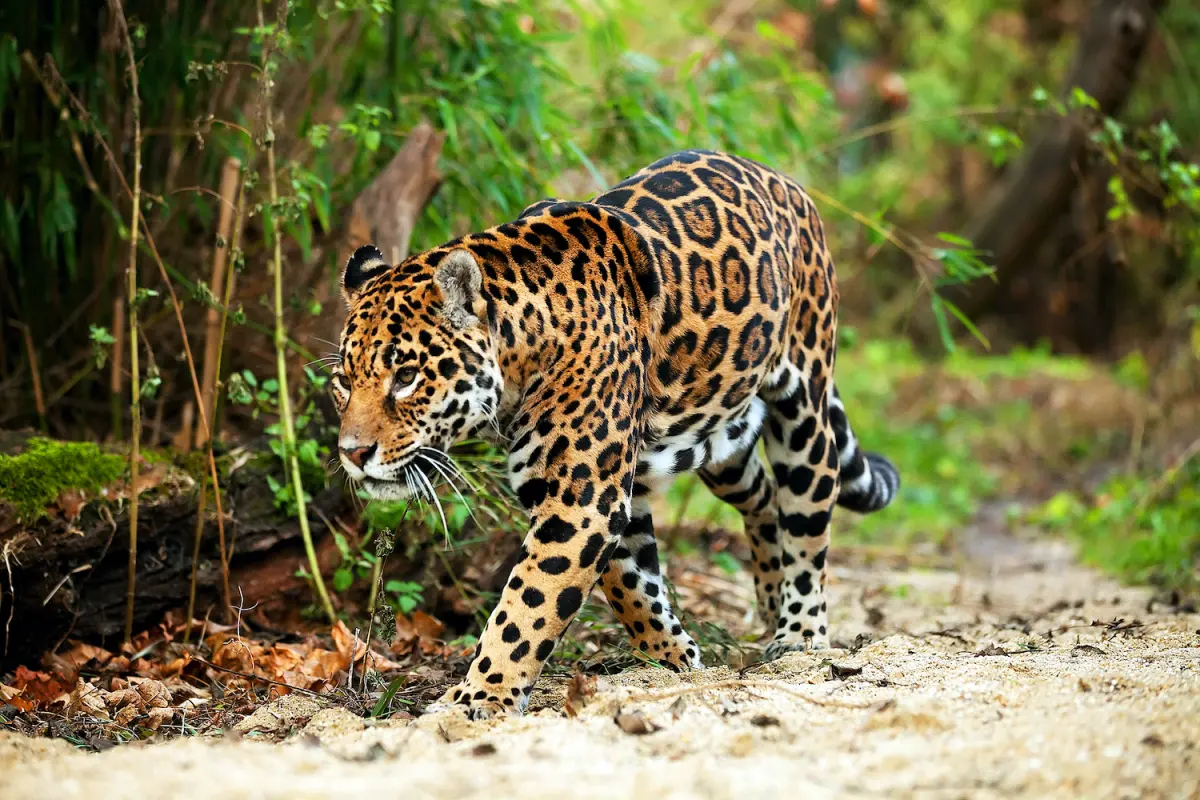
Jaguars typically live between 12 and 15 years in the wild. In protected environments like zoos or wildlife sanctuaries, they often survive significantly longer, frequently reaching 20 to 25 years of age. Their lifespan is primarily determined by habitat quality, prey availability, and the presence of human-related threats like poaching or conflict.

On this page
How long do jaguars live in the wild?
In their natural habitat, jaguars face a challenging existence that limits their average lifespan to roughly 12 to 15 years. These apex predators must navigate vast territories to find sufficient prey, such as peccaries, capybaras, and caimans. The physical toll of hunting, combined with the risk of injury from territorial disputes with other jaguars, significantly impacts their longevity. Environmental stressors, including habitat fragmentation and climate-related changes to their ecosystem, further reduce the likelihood of these cats reaching their full biological potential.
While some individuals may live longer under ideal conditions, the wild environment remains unpredictable. Factors such as disease, parasites, and the scarcity of food during seasonal droughts contribute to higher mortality rates for younger and older cats. Unlike protected populations, wild jaguars lack access to veterinary care, meaning minor injuries or infections can become fatal. Consequently, most wild jaguars do not reach the advanced ages seen in captivity, as the struggle for survival consumes much of their energy.
Why do jaguars live longer in captivity?
Jaguars kept in professional zoological facilities often live into their early twenties, with some individuals reaching 25 years or more. This increased longevity is primarily attributed to the consistent availability of high-quality nutrition, which eliminates the physical strain of hunting. Furthermore, captive jaguars are protected from the dangers of poaching, habitat loss, and competition with other predators. These environmental advantages allow the animals to avoid the chronic stress that wild jaguars experience daily.
Comprehensive veterinary care plays a critical role in extending the lives of captive jaguars. Modern zoos utilize advanced medical technology to monitor the health of these cats, allowing for the early detection and treatment of age-related conditions. Routine preventative measures include:
- Regular dental cleanings to prevent infection.
- Vaccinations against common feline diseases.
- Specialized geriatric diets designed to support joint and organ health.
- Behavioral enrichment programs that maintain cognitive function and physical activity levels.
What factors influence a jaguar's lifespan?
Several biological and environmental variables dictate how long a jaguar will survive. Genetics play a fundamental role, as some individuals are naturally more resilient to disease or better adapted to their specific environment. However, external factors usually outweigh genetic predispositions. The quality of the local ecosystem is paramount; a healthy forest with abundant prey allows a jaguar to maintain optimal body condition, which is essential for surviving the lean months of the year.
Human interaction remains the most significant variable affecting wild jaguar survival rates. In many regions, jaguars are perceived as threats to livestock, leading to retaliatory killings by ranchers. Additionally, the illegal wildlife trade and the loss of forest cover to agriculture continue to shrink the available space for these cats. When a jaguar's territory is compromised, it is often forced into areas with higher human density, drastically increasing the risk of fatal encounters.

Common mistakes when studying jaguar longevity
A frequent error in assessing jaguar lifespans is the assumption that all individuals in a population have equal survival prospects. Researchers often overlook the impact of social hierarchy, where dominant males occupy the best territories with the most prey, while younger or subordinate cats are pushed to the fringes. These peripheral individuals are much more likely to suffer from malnutrition or conflict, leading to a skewed understanding of the average life expectancy for the species as a whole.
Another mistake is failing to account for the difference between "maximum potential lifespan" and "average life expectancy." While a jaguar is biologically capable of living for 25 years, this is an outlier rather than the norm. Relying solely on maximum age data can lead to an overly optimistic view of population health. To accurately gauge the status of a population, conservationists must focus on:
- Monitoring juvenile survival rates during the first two years of life.
- Assessing the frequency of human-wildlife conflict incidents.
- Tracking the reproductive success of females across different age brackets.
- Evaluating the density of prey species within the jaguar's home range.
How can we help protect wild jaguars?
Protecting the future of the jaguar requires a multi-faceted approach that addresses both habitat preservation and human-wildlife coexistence. Establishing large, interconnected biological corridors is essential, as these allow jaguars to move safely between fragmented patches of forest. By maintaining these corridors, we reduce the likelihood of inbreeding and ensure that cats can access the resources they need to thrive throughout their natural lifespan. Engaging local communities in conservation efforts is also vital for long-term success.
Practical steps to support jaguar conservation include:
- Supporting organizations that work on sustainable ranching practices to prevent conflict.
- Advocating for policies that protect critical rainforest and wetland habitats.
- Raising awareness about the importance of apex predators in maintaining healthy ecosystems.
- Contributing to scientific research that tracks population health and movement patterns.
By focusing on these initiatives, we can mitigate the anthropogenic pressures that currently shorten the lives of these magnificent cats, ensuring they remain a vital part of the global wilderness for generations to come.
Key facts
- Jaguars typically live 12 to 15 years in the wild.
- Individuals in human care, such as zoos, often reach 20 years or more.
- Mortality rates are highest during the first two years of life when cubs are vulnerable.
- Habitat loss and human-wildlife conflict are the primary factors shortening their natural lifespan.
- Adult jaguars have no natural predators, allowing them to reach their full biological potential.
- Providing a stable, protected environment is the most effective way to extend a jaguar's life in captivity.
The bottom line
The lifespan of a jaguar is heavily dictated by its environment, ranging from 12 to 15 years in the wild to over 20 years under professional care. While these apex predators face few natural threats, human-induced challenges remain the primary obstacle to their longevity. Protecting vast, connected habitats is essential to ensure these magnificent cats can live out their full natural lives in the wild.
People also ask
Do male and female jaguars have different lifespans?
There is no significant biological difference in the average lifespan between male and female jaguars. Both sexes face similar environmental pressures in the wild, though females may face additional risks during the cub-rearing process.
What is the leading cause of death for wild jaguars?
Human activity is the greatest threat to jaguar survival, specifically retaliatory killings by ranchers and habitat fragmentation. These factors prevent many jaguars from reaching their natural life expectancy.
At what age do jaguars reach sexual maturity
Female jaguars generally reach sexual maturity between two and three years of age. Males typically mature slightly later, usually around three to four years old.
How long do jaguar cubs stay with their mothers?
Cubs remain under their mother's protection for approximately 18 to 24 months. During this time, they learn essential hunting skills before venturing out to establish their own territories.
Can jaguars live longer than 20 years?
While rare, some jaguars in managed care have lived into their early twenties. This is attributed to consistent veterinary care, a balanced diet, and the absence of territorial competition.
Do jaguars suffer from age-related diseases?
Like other large felids, older jaguars can develop arthritis, dental issues, and kidney disease. In the wild, these conditions often limit their ability to hunt, leading to a decline in health.
This answer was created with the help of AI research tools and reference sources. Spotted an error? Let us know — we correct mistakes quickly. See our editorial policy.