How long do elk live?
Short answer
Wild elk typically live between 10 and 13 years. While some individuals in protected environments can reach 20 years of age, most succumb to predation, disease, or environmental stressors well before that. Factors such as habitat quality, hunting pressure, and winter severity significantly influence the average lifespan of these large ungulates.

On this page
How long do elk live in the wild?
In natural settings, the life expectancy of an elk is dictated by a harsh reality of survival. Most elk do not reach their full potential lifespan due to the constant threat of predators such as wolves, mountain lions, and grizzly bears. While a healthy adult elk is a formidable animal, the young, the elderly, and the sick are frequently targeted, keeping the average age of a wild population relatively low.
Environmental conditions play a massive role in determining how long an elk survives. Harsh winters with deep snowpacks make it difficult for elk to forage, leading to malnutrition and increased vulnerability to disease. In regions where these conditions are extreme, the average lifespan may hover closer to 8 or 9 years. When winters are mild and food is abundant, elk populations tend to be healthier, allowing more individuals to reach their prime reproductive years and live into their early teens.
Why do elk live longer in captivity?
Elk kept in zoos, research facilities, or private game farms often live significantly longer than their wild counterparts. Without the constant threat of predators and with a guaranteed, nutrient-rich food supply, these animals are spared the most common causes of premature death. Under optimal care, it is not uncommon for captive elk to live between 18 and 22 years.
The longevity of captive elk is also supported by veterinary intervention. Managers can provide vaccinations, parasite control, and immediate treatment for injuries that would be fatal in the wild. However, even in captivity, elk are susceptible to specific issues that can shorten their lives:
- Chronic Wasting Disease (CWD), a fatal neurological condition.
- Dental issues caused by unnatural diets or aging.
- Social stress from overcrowding in small enclosures.
- Metabolic disorders related to improper mineral supplementation.
How do biologists determine the age of an elk?
Wildlife biologists use several scientific methods to track the age of elk populations, which helps in managing herds and setting hunting quotas. The most accurate method involves examining the teeth of the animal. As elk age, their teeth wear down in a predictable pattern, and the cementum annuli—the rings found in the root of the tooth—can be counted similarly to the rings of a tree.
- Collect a central incisor or a molar from a deceased elk.
- Send the sample to a specialized laboratory for thin-sectioning.
- Use a microscope to count the dark staining rings in the cementum.
- Correlate the number of rings with the animal's known birth season.
This data allows researchers to understand the age structure of a herd. If a population is skewed toward very young animals, it may indicate high predation or poor recruitment, whereas a high number of older individuals suggests a stable and healthy environment.
Common mistakes when estimating elk age
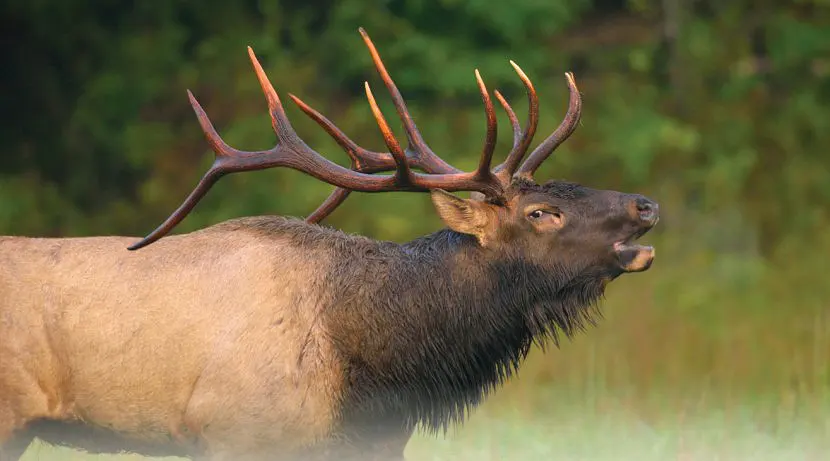
Many observers attempt to judge the age of an elk based solely on the size of its antlers, which is a frequent mistake. While it is true that bulls generally grow larger antlers as they mature, antler size is heavily influenced by genetics, nutrition, and environmental stress. A young bull with access to high-quality forage may have larger antlers than an older bull living in a nutrient-poor habitat.
Another error is assuming that all elk in a herd are of similar age because they travel together. Elk herds are often segregated by sex and age, but they are not strictly chronological. Relying on physical appearance, such as coat condition or body mass, is also unreliable for precise aging. To avoid these pitfalls, experts recommend the following:
- Do not use antler points or spread as a definitive indicator of age.
- Observe behavior, as older cows often lead the herd and demonstrate more caution.
- Rely on tooth wear patterns for field estimates, acknowledging that this is only an approximation.
How to support healthy elk populations
Supporting the longevity of elk requires a focus on habitat conservation and responsible land management. Because these animals are migratory, they require vast, interconnected landscapes to move between seasonal ranges. Protecting these corridors ensures that elk can access the high-quality forage necessary to survive difficult winters and maintain the body condition required for long-term health.
Human activity must be carefully managed to reduce unnecessary stress on elk herds. During the winter months, when elk are most vulnerable, minimizing human disturbance in critical wintering grounds is essential. This allows the animals to conserve energy rather than fleeing from recreational activities. By maintaining healthy habitats and reducing human-wildlife conflict, we ensure that elk populations remain robust and that individuals have the best opportunity to reach their natural life expectancy in the wild.
Key facts
- Wild elk typically live between 10 and 13 years in their natural habitat.
- Captive elk can live significantly longer, often reaching 20 years or more due to veterinary care and lack of predators.
- Natural mortality factors include predation by wolves, mountain lions, and grizzly bears, as well as harsh winter conditions.
- Cows generally outlive bulls because they do not endure the physical exhaustion of the rut or the energy drain of growing heavy antlers.
- Chronic Wasting Disease is a significant threat that can drastically shorten the lifespan of elk populations in affected regions.
- To estimate an elk's age in the field, biologists examine the wear patterns and eruption stages of the animal's teeth.
The bottom line
The lifespan of an elk is dictated by a balance of environmental pressures, predation, and health factors. While wild elk generally live into their early teens, their survival depends heavily on habitat quality and winter severity. Understanding these biological constraints allows for better conservation efforts. Ultimately, an elk’s longevity is a testament to its ability to navigate a challenging landscape and evade natural threats throughout its life.
People also ask
Do elk antlers grow back every year?
Yes, bull elk shed their antlers in late winter or early spring and grow a new, larger set every summer. This process is fueled by high levels of testosterone and requires significant nutritional intake.
At what age do elk reach physical maturity
Elk typically reach physical maturity between 3 and 5 years of age. While they are sexually mature earlier, bulls usually do not become dominant enough to breed successfully until they reach this prime age.
What is the primary cause of death for elk calves?
Predation is the leading cause of mortality for calves during their first few weeks of life. Bears and wolves are the most common predators that target young elk before they are fast enough to escape.
How can you tell the difference between a young and old elk?
Older elk often display a more grizzled or lighter coat and may show signs of physical stiffness or slower movement. Examining the teeth is the only truly accurate method, as older elk show significant grinding and wear on their molars.
Do elk migrate long distances throughout their lives?
Many elk populations are migratory, moving between high-altitude summer ranges and lower-elevation winter ranges. This seasonal movement helps them avoid deep snow and find accessible forage, which is essential for long-term survival.
Does hunting impact the average lifespan of an elk population?
Regulated hunting can influence the demographic structure of a herd by removing older individuals. However, wildlife agencies set quotas to ensure that the population remains stable and that the overall health of the herd is maintained.
This answer was created with the help of AI research tools and reference sources. Spotted an error? Let us know — we correct mistakes quickly. See our editorial policy.