What is Budapest known for?
Short answer
Budapest is world-renowned for its grand Austro-Hungarian architecture, extensive thermal bath culture, and the dramatic Danube River that bisects the city. Known as the "Pearl of the Danube," it serves as a historic cultural hub, offering visitors a unique blend of Ottoman-era heritage, vibrant ruin bars, and iconic landmarks like the Parliament.
On this page
Why is Budapest famous for thermal baths?
Budapest sits atop a massive network of natural thermal springs, earning it the official title of "City of Spas." The city’s bathing culture dates back to the Roman era and flourished during the 16th-century Ottoman occupation, leaving behind a legacy of ornate, domed steam rooms. Today, these facilities serve as essential social hubs for locals and architectural marvels for tourists.
The most famous locations offer distinct experiences depending on your preference for history or atmosphere:
- Széchenyi Thermal Bath: The largest medicinal bath in Europe, featuring iconic neo-Baroque yellow architecture and 18 pools.
- Gellért Baths: Renowned for its stunning Art Nouveau interior, colorful mosaics, and stained glass windows.
- Rudas Baths: An authentic 16th-century Turkish bath featuring an octagonal pool and a rooftop hot tub overlooking the Danube.
Visitors should note that most baths require guests to wear swim caps in lap pools. Always bring your own towel and flip-flops to avoid high rental fees at the entrance.
What to see in Budapest for first-timers?
The city is divided into two distinct sides: hilly Buda and flat, bustling Pest. Buda is the historic heart, home to the medieval Castle District and the Fisherman’s Bastion, which offers panoramic views of the river. Pest serves as the vibrant commercial center, housing the Hungarian Parliament Building, the largest building in the country, and the bustling Andrássy Avenue.
To maximize your time, follow this suggested route for a comprehensive introduction:
- Start at Heroes' Square to appreciate the monumental statues of Hungarian leaders.
- Walk down Andrássy Avenue, a UNESCO World Heritage site, toward the State Opera House.
- Cross the Chain Bridge at sunset to see the parliament building illuminated against the dark water.
- Take the funicular up to Buda Castle to explore the cobblestone streets and Matthias Church.
Avoid trying to see everything in one day, as the city’s scale is deceptive. Focus on one district at a time to truly appreciate the intricate details of the local architecture.
How to experience the ruin bar scene?
Budapest’s nightlife is defined by "ruin bars," which are eclectic pubs housed in the abandoned, pre-war buildings of the Jewish Quarter. These spaces were reclaimed in the early 2000s and decorated with mismatched furniture, vintage art, and hanging greenery. They offer a gritty, bohemian atmosphere that has become a cornerstone of the city’s modern identity.
Szimpla Kert is the original and most famous ruin bar, serving as a sprawling labyrinth of themed rooms and an open-air courtyard. Other notable spots include Instant-Fogas, a massive complex featuring multiple dance floors and distinct musical styles. When visiting these bars, keep the following tips in mind:
- Arrive early on weekdays if you want to secure a table, as they become crowded quickly.
- Explore the smaller side streets of District VII to find hidden gems away from the main tourist paths.
- Respect the residential nature of the neighborhood by keeping noise levels low when entering or exiting.
Common mistakes when visiting Budapest
Many travelers underestimate the importance of public transportation or fall victim to simple tourist traps. Budapest has an efficient network of trams, buses, and the oldest underground metro line in continental Europe, the M1. Relying solely on taxis can lead to inflated prices, especially if you do not use official, marked company vehicles.
Another frequent error involves currency exchange and tipping. While Hungary is part of the European Union, it uses the Hungarian Forint (HUF) rather than the Euro. Always use official bank ATMs rather than airport kiosks, which often charge predatory fees. When dining out, remember that a 10-15% tip is standard, but check your bill first, as some restaurants include a mandatory service charge. Avoid eating at restaurants directly adjacent to major tourist landmarks, as these establishments often provide lower quality food at significantly higher prices compared to local spots just a few blocks away.
Best time of year to visit Budapest
The city offers a different character depending on the season, though spring and autumn are widely considered the ideal times for sightseeing. During April, May, September, and October, temperatures are mild, and the city’s many parks, such as Margaret Island, are in full bloom or displaying vibrant fall colors. These months avoid the intense heat of July and the harsh, freezing winds of January.
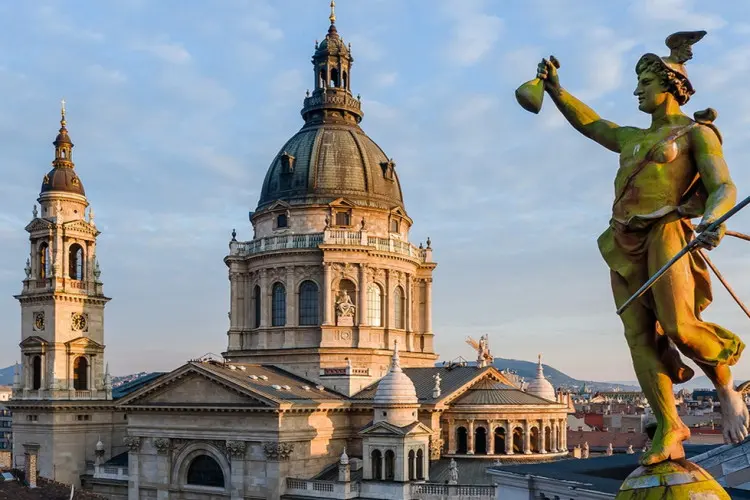
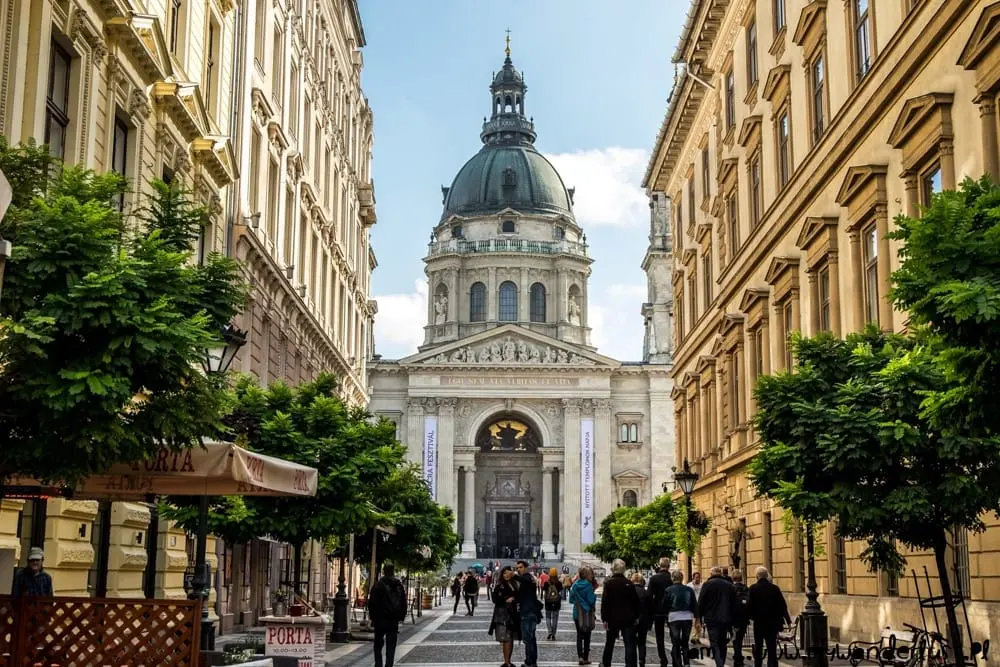
If you choose to visit during the winter, you will be rewarded with fewer crowds and the chance to experience the city's famous Christmas markets. Held in Vörösmarty Square and in front of St. Stephen’s Basilica, these markets offer traditional Hungarian chimney cakes, mulled wine, and handcrafted gifts. Regardless of the season, always pack comfortable walking shoes, as the city’s historic streets are paved with uneven cobblestones that can be difficult to navigate in heels or thin-soled footwear. By planning for the weather and prioritizing local experiences, you ensure a memorable trip to this historic capital.
Key facts
- Budapest is formed by the unification of three historic cities—Buda, Pest, and Óbuda—which officially merged in 1873.
- The Hungarian Parliament Building is the third-largest parliament building in the world and features 691 rooms.
- Known as the "City of Spas," Budapest sits on over 100 geothermal springs that supply its famous thermal baths.
- The city’s public transport system includes the M1 metro line, which opened in 1896 as the first underground railway in continental Europe.
- Ruin bars, located in the derelict pre-war buildings of the Jewish Quarter, are a unique nightlife staple that emerged in the early 2000s.
- When visiting, always validate your paper transit ticket immediately upon boarding a bus or tram to avoid hefty on-the-spot fines.
The bottom line
Budapest is a captivating blend of imperial grandeur and gritty, modern creativity. From the thermal waters of the Széchenyi Baths to the imposing architecture along the Danube, the city offers a rich historical narrative paired with a vibrant, affordable nightlife. By balancing visits to iconic monuments with time spent in local ruin bars, travelers can experience the unique character that defines this resilient and beautiful Hungarian capital.
People also ask
What is the best time of year to visit Budapest?
Spring and early autumn offer the most pleasant weather for walking tours and outdoor sightseeing. Winters are cold but provide a magical atmosphere, especially with the city's famous Christmas markets and thermal baths.
Is Budapest an expensive city for tourists?
Compared to Western European capitals like Paris or London, Budapest remains relatively affordable. Travelers can find high-quality dining and accommodation for significantly lower prices while still enjoying premium experiences.
Should I use a taxi or public transport?
Public transport is efficient, safe, and covers almost every major attraction. Avoid hailing random street taxis; instead, use reputable apps like Bolt to ensure fair pricing and transparent routes.
Are there any specific cultural customs I should know?
Hungarians do not typically clink beer glasses together in celebration due to a historical superstition dating back to the 1848 revolution. It is considered more polite to toast with wine or spirits instead.
How many days do I need to see the city?
Three to four days is ideal for visiting the main landmarks, such as Fisherman’s Bastion and the Great Market Hall. This timeframe allows for a relaxed pace with enough room to enjoy a thermal spa experience.
Is it necessary to learn Hungarian to get around?
Most people in the tourism and hospitality sectors speak excellent English. While learning a few basic phrases like "köszönöm" (thank you) is appreciated, you will have no trouble navigating the city in English.
This answer was created with the help of AI research tools and reference sources. Spotted an error? Let us know — we correct mistakes quickly. See our editorial policy.

![18 Important Things To Know Before Visiting Buenos Aires [2026 Update]](/img/ac/what-is-buenos-aires-known-for-1.webp)